




Victorian Georgian Style Painting
These pieces labelled as a victorian georgian style painting span centuries of portraits, coaches and revivals.
Victorian Georgian Style Painting
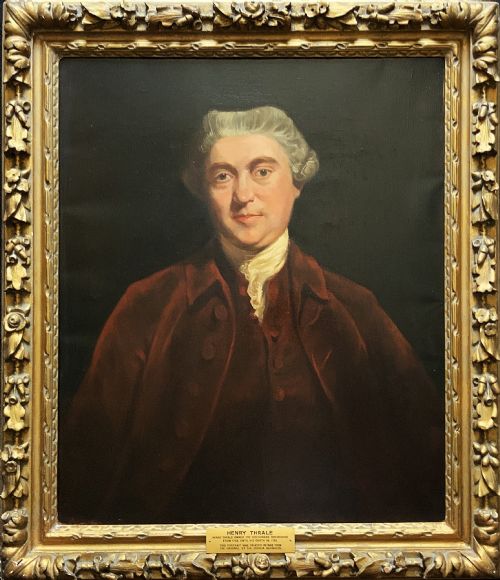
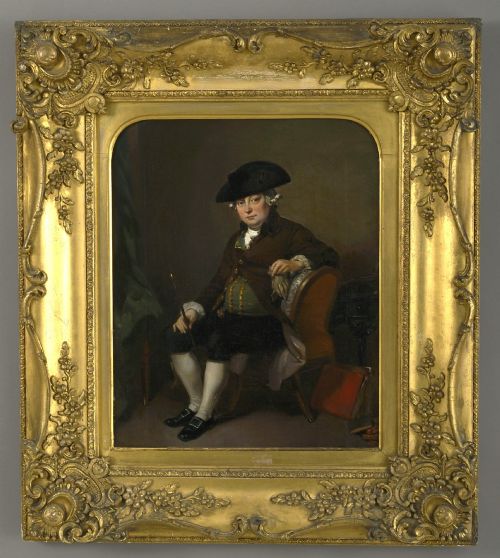
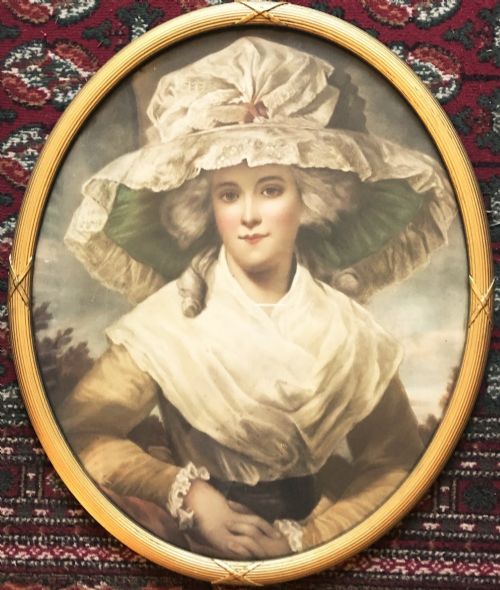
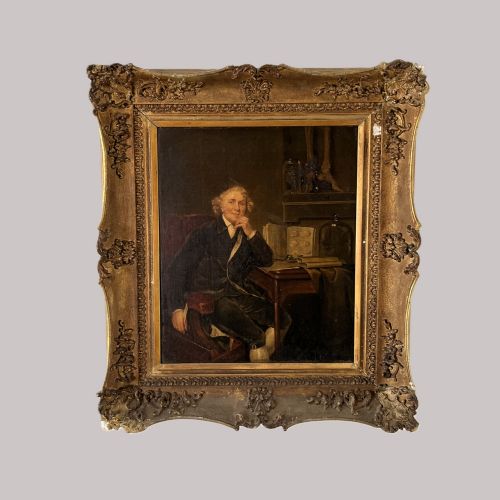
A victorian georgian style painting encompasses canvas portraits, watercolours and framed prints that look back to earlier eras. Buyers searching for a victorian georgian style painting encounter 19th-century works depicting actors, children and coaching scenes, often executed after earlier masters such as Sir Joshua Reynolds or Thomas Lawrence.
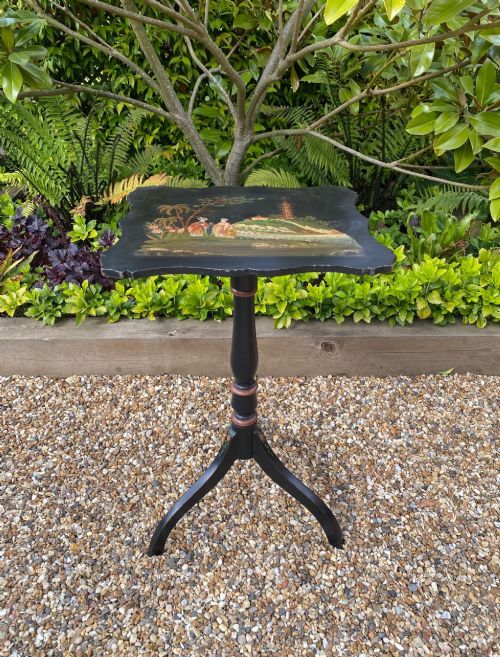
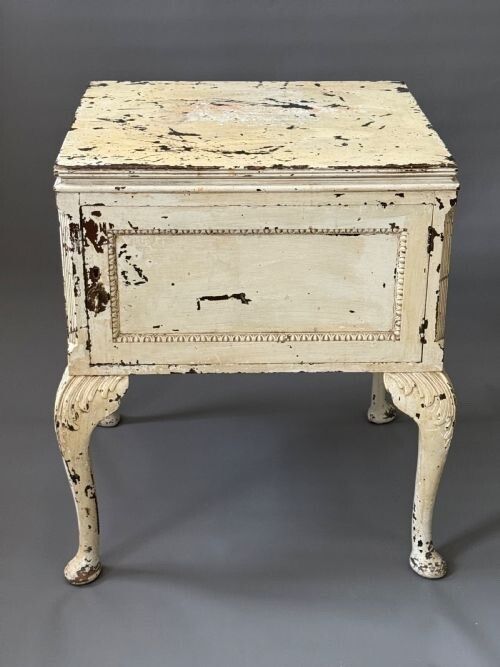
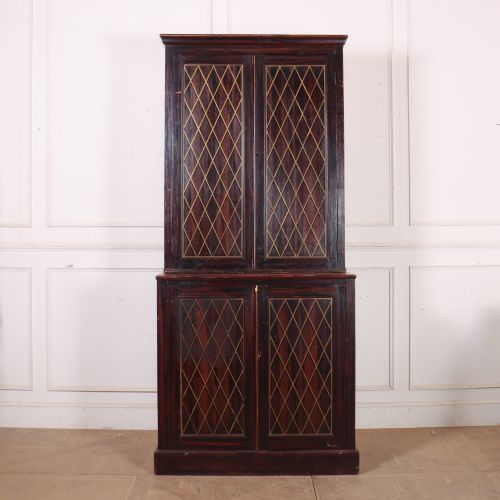
The selection includes studio pieces and portraits by followers of known artists, alongside later watercolours and decorative panels. Alongside actual oil paintings and watercolours, the listings feature related items in similar revived aesthetics, including painted furniture, porcelain and side cabinets.
Origins stretch from the 18th century through the Victorian period and into later revivals, reflecting a persistent taste for earlier British portraiture and genre scenes. These works capture the enduring appeal of historic dress, stately interiors and classical compositions.
How they were made
Canvases utilise oil paint applied over stretched linen or cotton, while works on paper employ pencil, watercolour and print techniques under glass. Frames incorporate carved wood and gesso with giltwood finishes, supporting the visual weight of the paintings.
Cabinets and tables associated with these styles use mahogany, satinwood and maple, often with painted decorations, faux finishes or inlaid details. Craftsmanship relies on traditional joinery, hand-carving and surface embellishment such as lacquering and japanning.
Listings feature 19th-century oil paintings, watercolours and pencil portraits alongside satinwood cabinets and painted pine furniture.
What varies in quality
The distinction between ordinary and superior works lies in the handling of brushwork, anatomical proportion and facial expression in portraits. Masterful execution in oil or watercolour captures subtle psychological depth and drapery folds, whereas lesser pieces display rigid lines and flat tones.
Frame construction and decorative integrity also differentiate the items. Original carved wood and gesso frames with period gilding elevate a piece above later replacements or inferior secondary materials.
Maple and Co·Edwards and Roberts
The Victorian Georgian Style Painting Glossary
- Oil painting
- A work executed with pigments bound in a drying oil, typically applied to canvas or panel. This medium allows for rich colour blending and layered translucency.
- Watercolour
- A painting method where fine pigment is suspended in a water-based solution on paper. It produces transparent washes and delicate linear details.
- Chinoiserie
- A European artistic style reflecting Chinese motifs and techniques, often seen on lacquered furniture and decorative objects. It gained popularity during Georgian and Victorian revivals.
- Gesso
- A plaster-like mixture applied to wood surfaces as a base for paint or gilding. It provides a smooth ground for intricate carved frame mouldings.
- Sheraton Revival
- A late 19th-century design movement inspired by the furniture styles of George Sheraton. Pieces typically feature satinwood, delicate inlay and painted classical details.
Victorian Georgian Style Painting: Frequently Asked Questions
What is a victorian georgian style painting?
These works are 19th-century and later depictions of figures, coaching scenes and interiors that emulate 18th-century compositions and dress. They range from studio copies of famous portraits to original watercolours.
Buyers choose them to evoke a sense of historic English heritage in domestic interiors, pairing well with period furniture and traditional room schemes.
How do I date a painted portrait?
Dating relies on stretcher construction, canvas type, paper watermarks and the specific style of framing. Costume details and hair styling also offer clues to the sitter's era.
Many works date from the 19th century while depicting 18th-century subjects, bridging the gap between original Georgian output and later Victorian revivals.
Where should I hang these artworks?
These framed pieces suit traditional reception rooms, libraries and hallways where wood furniture and period decor predominate. Direct sunlight should be avoided to protect oil surfaces and watercolours on paper.
Matching the scale of the painting to the wall space ensures the artwork commands the room without overwhelming surrounding furniture.
Are these paintings original or copies?
The inventory contains both original 19th-century watercolours and oils, alongside studio works produced after earlier masters like Joshua Reynolds and Thomas Lawrence. Studio pieces and copies were standard practice for training and documentation.
Examining the brushwork and canvas age helps determine whether a piece is a contemporary record or a later homage.