





Antique Garden Scene Watercolour
An antique garden scene watercolour brings the quiet charm of historical horticultural spaces directly into a room.
Antique Garden Scene Watercolour
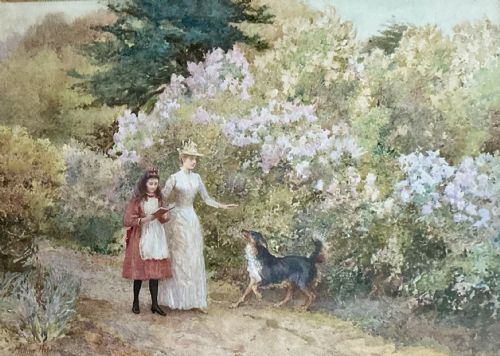
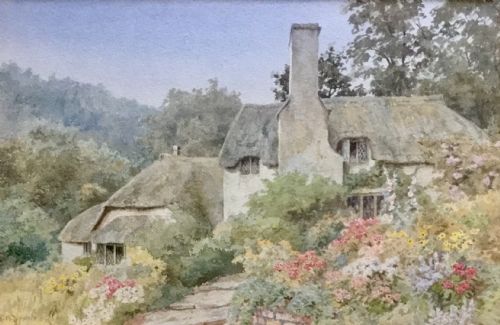
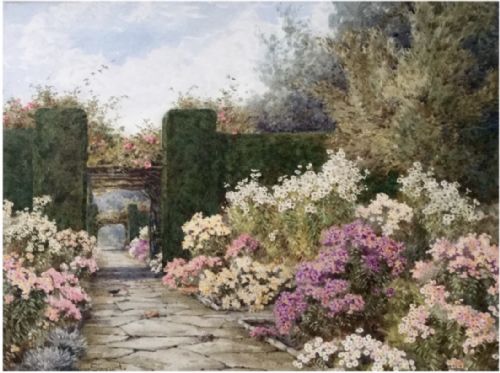
An antique garden scene watercolour captures outdoor spaces, walled gardens and pastoral settings using water-soluble pigments on paper. These works document historic plantings and domestic landscapes through the eyes of period artists.
The selection ranges from Edwardian cottage gardens to 19th-century Italian vistas and pastoral scenes. Works by named painters such as Arthur Claude Strachan, Lilian Stannard and Owen Bowen frequently appear.
Common forms include framed artwork and fine art paintings enclosed behind glass within wood or gilt wood frames. The subjects span tranquil horticultural retreats, musical recitals outdoors and rustic farmyard scenes.
Materials and technique
Artists applied watercolour pigment onto paper surfaces, using washes to create light, atmosphere and transparency. The medium demands precision because the white of the paper often provides the highlights within the composition.
Framing typically involves wood or gilt wood surrounds paired with protective glass to shield the delicate paper and pigments from environmental damage. Many surviving examples retain their period mounts and protective glazing.
Listings feature works created across several distinct decades, spanning from the 1880s through the Edwardian era and up to 1928.
Evaluating quality
The standard of execution in figure work, botanical accuracy and spatial depth separates finer compositions from simpler decorative sketches. Master painters handle light and pigment density with notable confidence.
The condition of the paper and the vibrancy of the watercolour pigment heavily influence the overall appeal. Original period framing in gilt wood also contributes to the integrity of the piece.
Arthur Hopkins·G Villiers Stuart·Martinetti·Lilian Stannard·Arturo Orselli·Owen Bowen·Arthur Claude Strachan·Jane Utley·Benjamin D Sigmund·Belisario Gioja
The Antique Garden Scene Watercolour Glossary
- Watercolour pigment
- The finely ground colouring material mixed with a binder for use in water-based painting. These pigments react to light and humidity over long periods.
- Gilt wood
- Wood that has been treated with a thin layer of gold leaf or metallic gilding. It provides a reflective border often seen on period frames.
- Edwardian
- The period spanning the reign of King Edward VII, noted in art for refined pastoral and garden subjects. Works from this era often display bright, optimistic palettes.
- Victorian Rural Genre
- A 19th-century artistic focus on countryside life and domestic activities. These scenes depict everyday rural routines and garden environments.
- Gouache
- An opaque water-based medium occasionally utilised alongside watercolour to add solid highlights. It provides greater opacity than traditional transparent washes.
Antique Garden Scene Watercolour: Frequently Asked Questions
How do I care for an antique watercolour?
Keep the artwork away from direct sunlight to prevent the watercolour pigments from fading over time. Maintain stable indoor humidity levels to protect both the paper and its wooden frame.
Ensure the piece remains sealed behind glass to block dust and atmospheric pollutants. Professional framing with acid-free materials safeguards the paper from degradation.
Are these watercolours original period works?
The pieces date from the 19th century through the early 20th century, including Victorian and Edwardian examples. Each painting reflects the artistic standards and materials of its specific era.
Signatures, framing styles and paper characteristics help confirm the historical period of execution. Artists of the time documented contemporary gardens and pastoral scenes directly from life.
What subjects are common in these paintings?
Common subjects include walled gardens, cottage flower beds, artist retreats and romantic walks. Figures engaged in outdoor leisure or domestic tasks frequently animate the landscapes.
Compositions range from British garden scenes to Italian architectural vistas. Each piece offers a glimpse into historical garden design and planting schemes.
How are these artworks usually framed?
Most pieces feature wood or gilt wood frames designed to complement the delicate nature of works on paper. Protective glass covers the surface to prevent accidental marking.
Many frames retain their original patination and mount boards from the Victorian or Edwardian periods. The combination of frame and glass secures the paper against physical bending.