

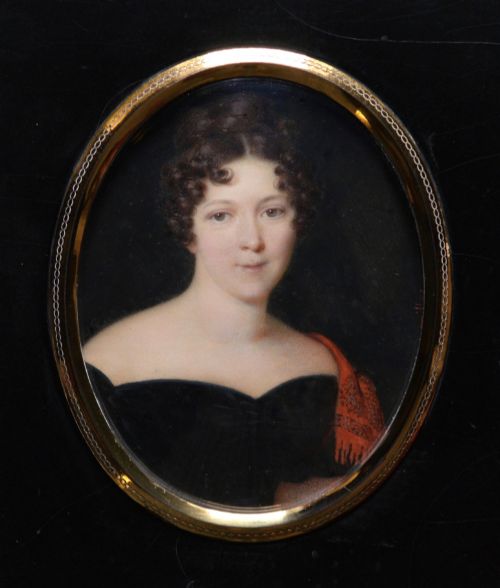
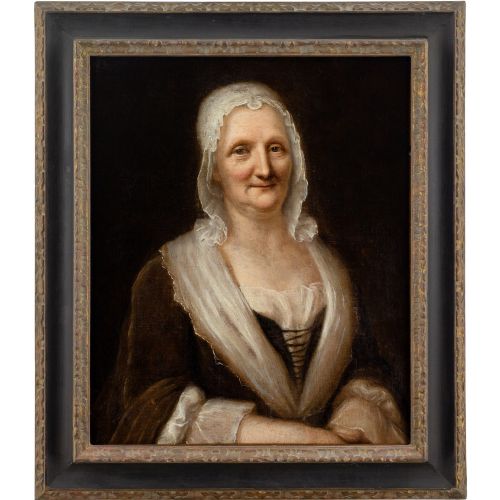
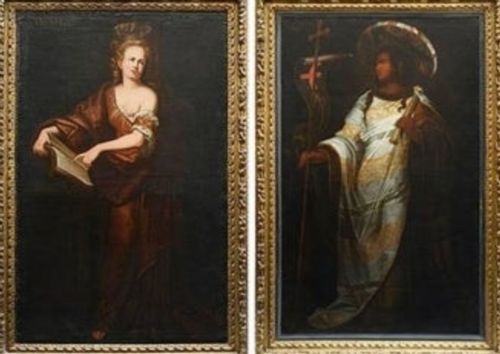
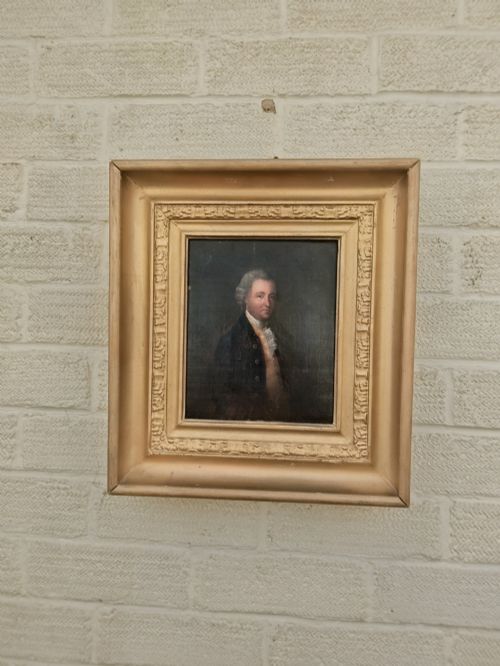

Georgian Era Portrait Painting
A georgian era portrait painting brings the presence of past centuries into a room through oil, canvas, and careful observation.
Georgian Era Portrait Painting
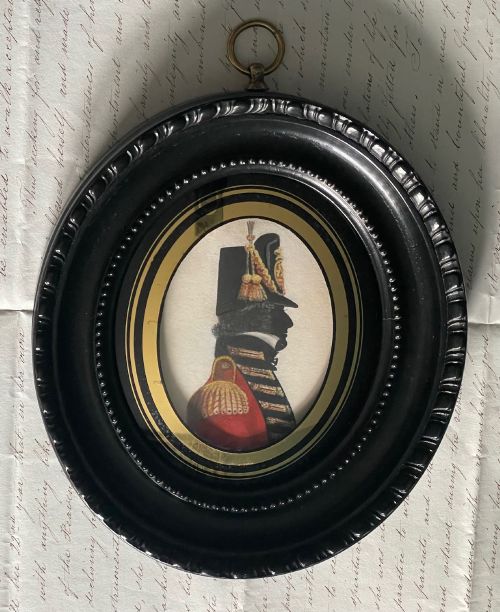
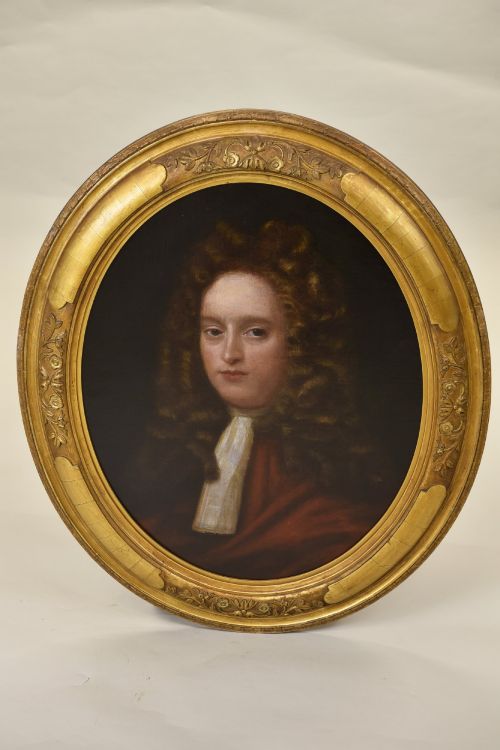
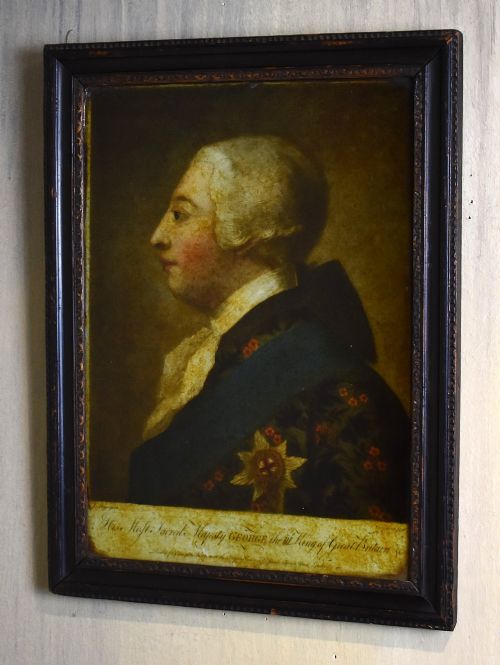
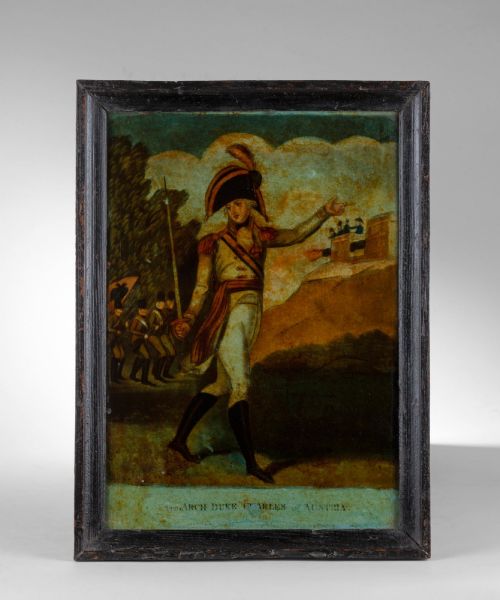
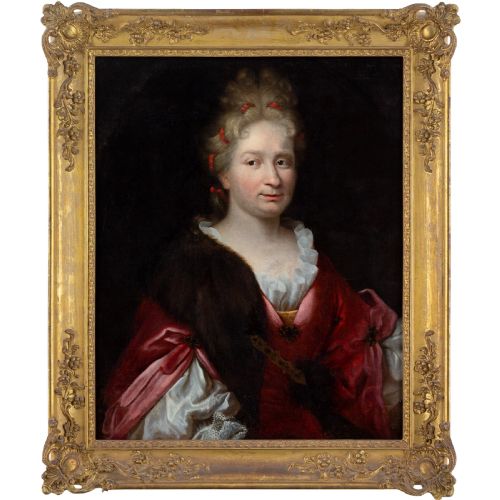
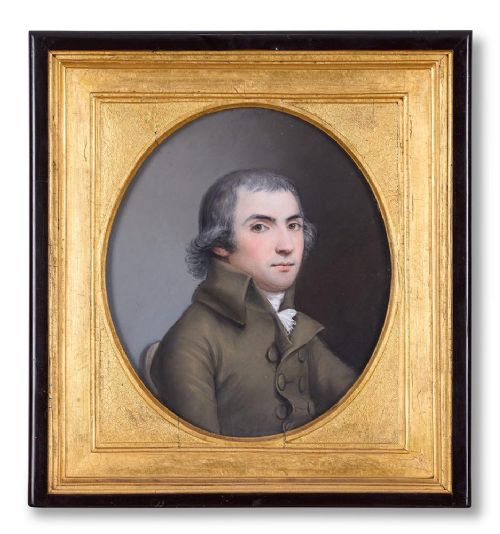
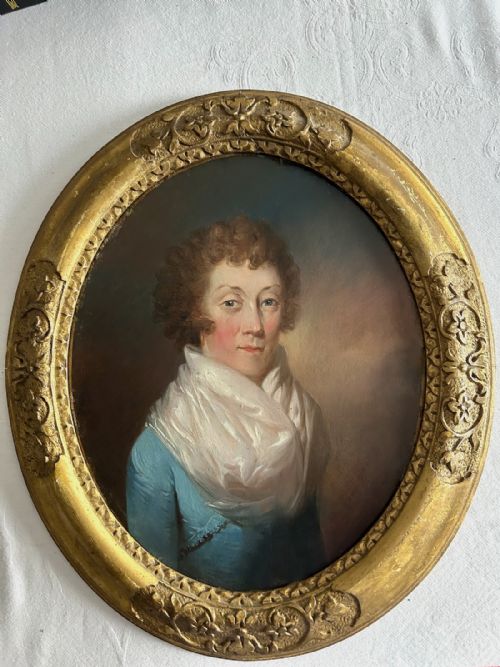
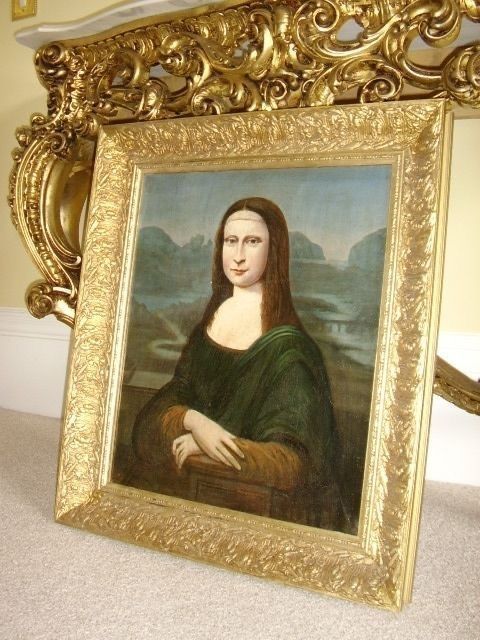
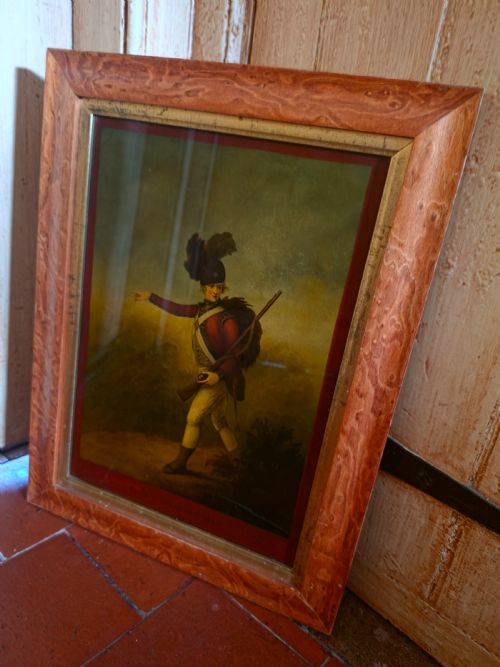
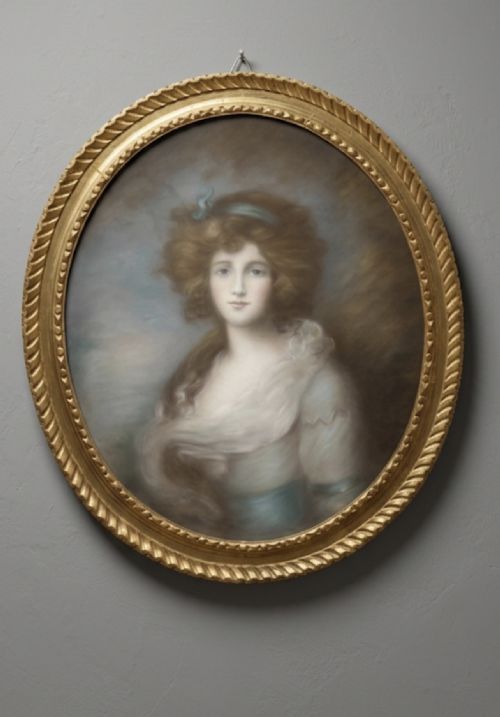
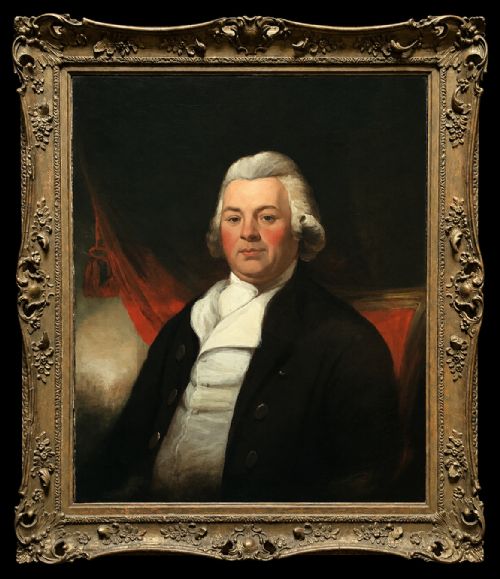
A georgian era portrait painting captures sitters from the eighteenth and early nineteenth centuries, ranging from formal aristocratic commissions to intimate portrayals of children and officers.
The versions most commonly met on this page include canvases executed by British and European schools, alongside smaller works on panel, copper, and paper.
These works reflect the shifting aesthetics of the Georgian and Regency periods, moving from structured classical formality towards more expressive romantic characterisations.
How They Were Made
Artists built these images using oil paint applied to stretched canvas, wooden panels, or occasionally copper plates, often layering translucent glazes to achieve depth in skin tones and drapery.
Framing played an integral role, with many works housed in original moulded giltwood or gilt wood frames ornamented with gesso enrichment.
Georgian Era Portrait Painting Retail Price Guide 2026
Typical asking prices for georgian era portrait painting among the pieces listed under this phrase on Sellingantiques today, from the lower quarter to the upper quarter. They describe what is for sale here now, not the wider market.
Listings feature works spanning the eighteenth and nineteenth centuries, executed in oil, watercolour, pastel, and gouache.
What Varies In Quality
Quality rests upon the artist's ability to render anatomy, hands, and facial expression with conviction, distinguishing proficient studio output from masterwork execution.
The preservation of the pigment layer, the stability of the original canvas support, and the presence of untouched historical varnish determine the integrity of the surviving piece.
Sir William Beechey·George Willison·Sir Allan Ramsay·Margaret Sarah Carpenter·Jeremiah Davison·George Watson·Arthur William Devis·Samuel Raven·Sir Thomas Lawrence·James Ward
The Georgian Era Portrait Painting Glossary
- Giltwood
- Wood carved and coated with gold leaf or gold paint. This material forms the ornate borders common to period picture frames.
- Oil on Canvas
- Pigment bound in a drying oil applied to a woven fabric support. This combination allowed artists to blend tones smoothly across large surfaces.
- Mezzotint
- A printmaking process where the copper plate is roughened to achieve rich tonal gradations. It was frequently used to reproduce famous painted portraits.
- Gouache
- An opaque water-based paint mixed with a binding agent. It provides solid, matte areas of colour in works on paper.
- Provenance
- The documented history of ownership of an artwork. Clear records help establish the authenticity and origin of portrait subjects.
Georgian Era Portrait Painting: Frequently Asked Questions
How do I date a Georgian portrait?
Dating relies heavily on the clothing styles, hairstyles, and accessories worn by the sitter, as portraiture of this era closely followed contemporary fashion.
Examinations of the stretcher frames, canvas type, and nail construction at the back of the work also offer reliable chronological clues.
Where should I hang an oil portrait?
These paintings suit principal reception rooms, libraries, or hallways where steady ambient light highlights the rich dark tones typical of eighteenth-century palettes.
Avoid positioning them in direct sunlight or above active heat sources to protect the canvas and the original giltwood frame.
What is the difference between a portrait and a study?
A finished portrait was typically a commissioned piece intended to record a specific individual's likeness and social standing with formal detail.
Studies and sketches were often created quickly by artists to capture lighting, pose, or facial expressions before committing them to a larger canvas.
Are these paintings cleaned or restored?
Many period paintings have undergone minor conservation over the centuries to stabilise flaking pigment or remove darkened, discoloured layers of old varnish.
Professional intervention aims to preserve the structural integrity of the piece while maintaining the authentic patina of age.