

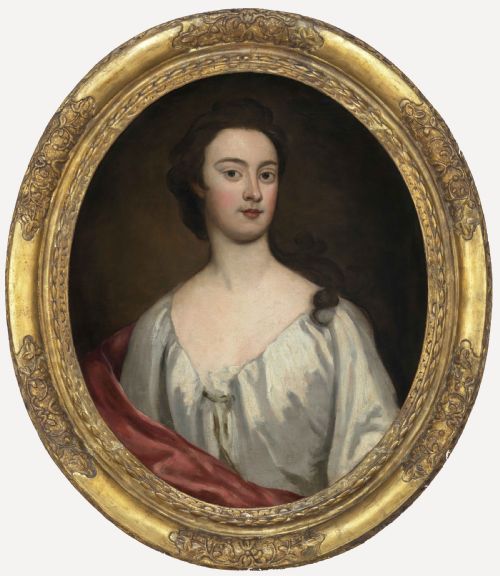
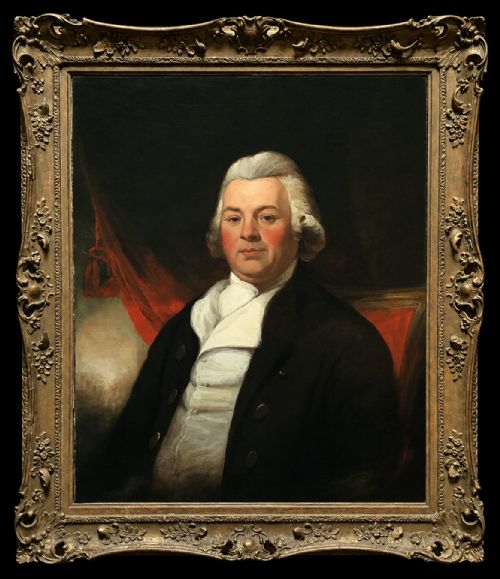


Georgian Era Oil Portrait
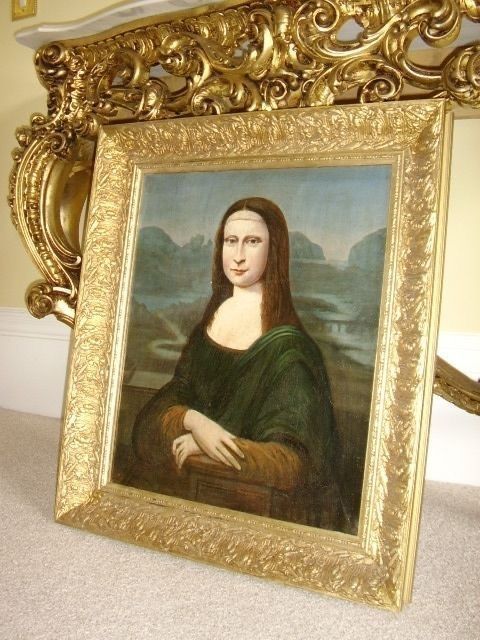
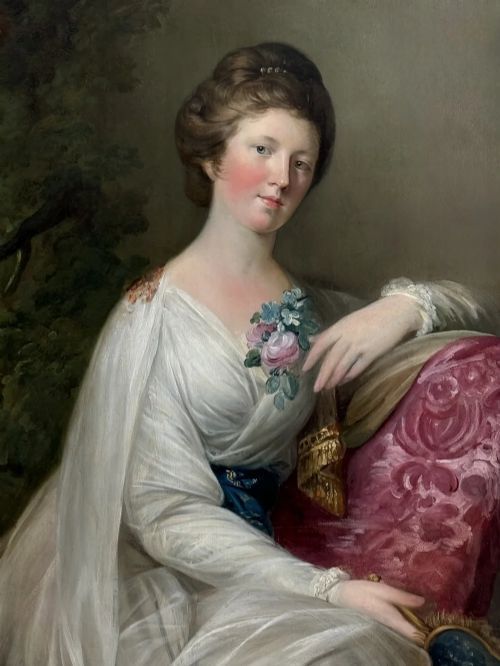
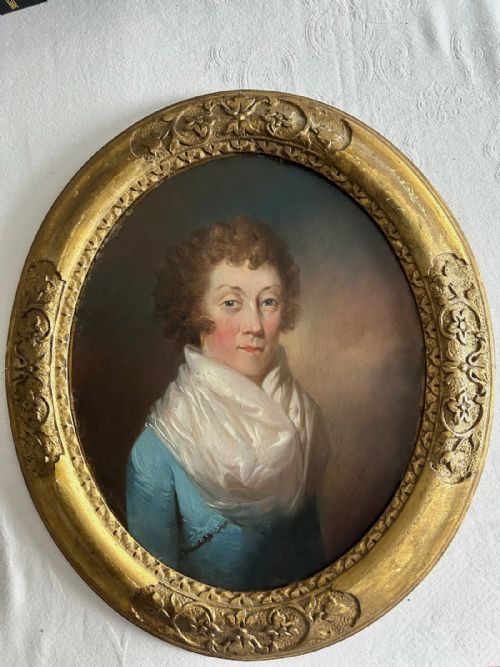
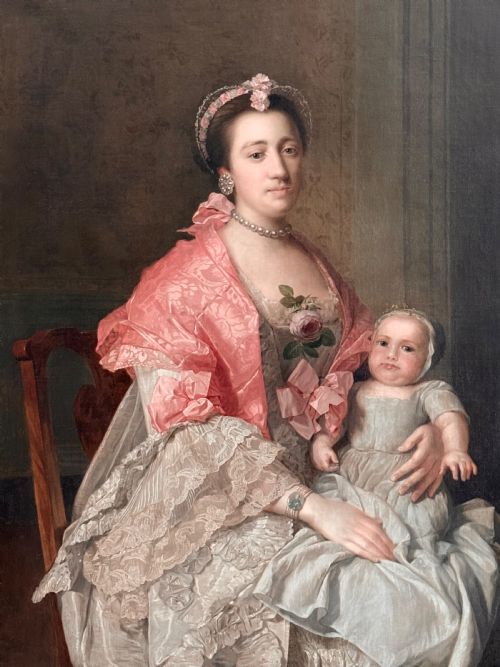
A georgian era oil portrait captures the likenesses of nobility, officers and children across centuries of British and European painting.
Georgian Era Oil Portrait
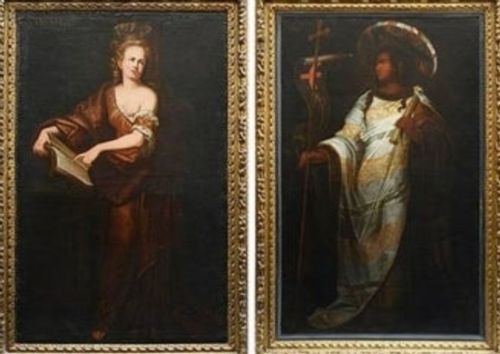
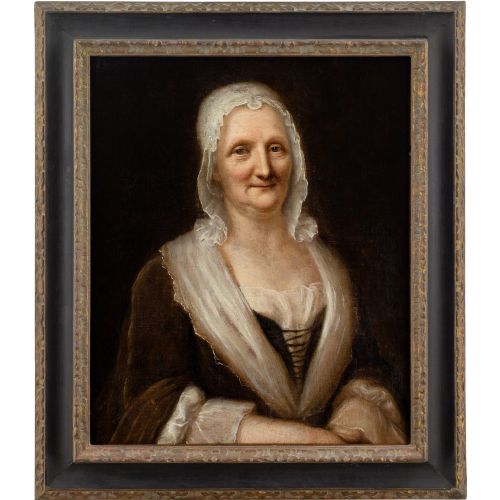
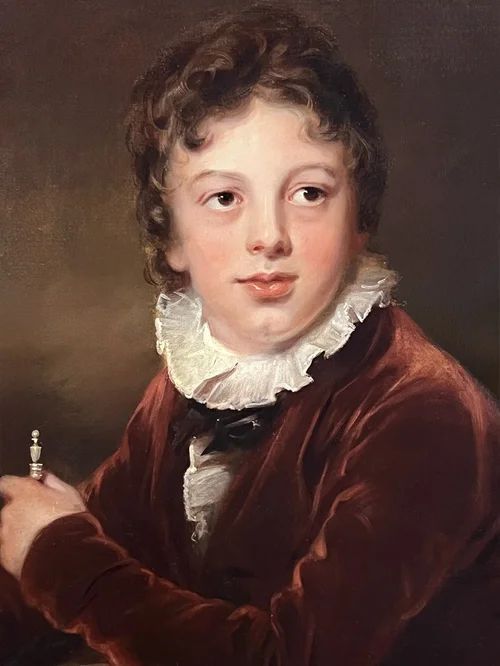
A georgian era oil portrait represents the painted likeness of individuals ranging from high-ranking officers to children, captured during the eighteenth and early nineteenth centuries. These works emerge predominantly from British, French, German, and Austrian schools, recording sitters through formal half-lengths and seated poses.
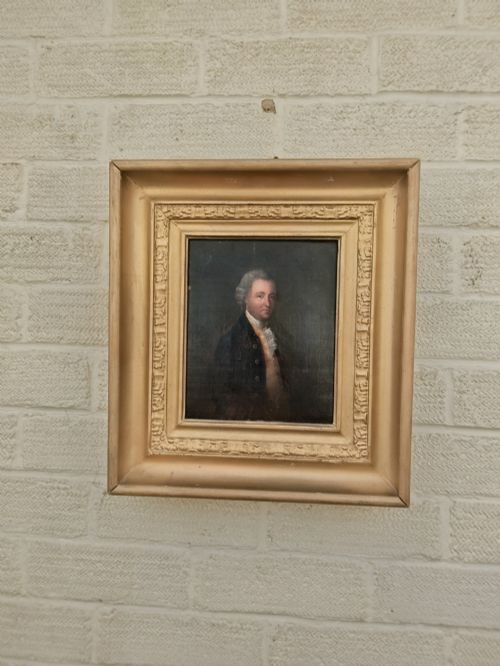
The versions most commonly met on this page include eighteenth-century canvases depicting gentlemen, ladies, and family groups, alongside Regency examples from around eighteen hundred to eighteen-twenty. Many appear within period frames of giltwood or gilded wood.
Subjects extend beyond human sitters to include notable depictions of dogs and military figures wearing specific orders. Buyers encounter both signed works by known artists and pieces attributed to regional workshops or broader continental schools.
How They Were Made
Surrounding frames utilise wood structures finished with gold leaf, creating heavy giltwood and gilded surrounds that complement the dark tones of the canvases. Joinery methods and canvas stretching techniques reflect the standard cabinet and framing practices of the eighteenth and nineteenth centuries.
Several portraits immortalise not just aristocrats, but beloved family hounds, a litter of puppies, and fighting dogs recorded with absolute seriousness.
What Varies in Quality
The distinction between ordinary and exceptional works rests upon the precision of the brushwork and the psychological depth achieved in the sitter's expression. Master portraitists capture individual bone structure, the fine texture of lace jabots, and lifelike skin tones with superior anatomical accuracy.
Condition and originality play a significant part in the standing of a piece, particularly the stability of the original canvas and the survival of period giltwood frames. Works executed by documented practitioners command greater attention than anonymous studio copies.
Sir William Beechey·George Willison·Sir Allan Ramsay·Margaret Sarah Carpenter·Jeremiah Davison·George Watson·Arthur William Devis·Samuel Raven·James Ward·Samuel Lawrence·Jonathon Richardson·Michael Dahl·William Robinson·John Opie·Stephanus Chiantor·Henry Hoppner Meyer·John Russell·Lemuel Francis Abbott·George Clint
The Georgian Era Oil Portrait Glossary
- Canvas
- A heavy woven fabric stretched across a wooden frame to serve as a sturdy support for oil painting. This material forms the primary base for the vast majority of works from this period.
- Giltwood
- Wood that has been coated with a thin layer of gold leaf or gold paint for decorative effect. Frames finished in this manner frequently accompany period portraits.
- Jabot
- A decorative ruffle or lace trim attached to the front of a shirt, commonly seen in eighteenth-century gentleman's attire. Its delicate rendering often indicates the skill level of the artist.
- Regency
- The period in British history spanning from eighteen-eleven to eighteen-twenty, alongside the broader stylistic era of the early nineteenth century. Portraits from this time exhibit distinct shifts in costume and framing aesthetics.
- Attributed to
- A term used by dealers and scholars when a work displays the distinct style and execution of a known artist without carrying a signature. This assessment relies on stylistic comparisons with authenticated pieces.
Georgian Era Oil Portrait: Frequently Asked Questions
How do I date a georgian portrait?
Dating relies heavily on the sitter's costume, hair styling, and the cut of their garments, which changed rapidly between seventeen-hundred and eighteen-thirty. Frame styles and handwritten inscriptions on the stretcher bars or canvas reverse also provide reliable chronological markers.
Expert attribution often narrows the creation window further by matching the painting technique to a documented working period of an artist. Comparing portrait formats against dated examples from the same regional school confirms the era.
Where should I hang an oil portrait?
These works require stable environments away from direct sunlight and excessive humidity to protect the oil paint and canvas from cracking. Placing them on interior walls with moderate ambient light ensures the dark glazes remain visible without risking fading.
Pairing a canvas with its original giltwood frame demands secure wall fixings due to the combined weight of the wood and stretched fabric. Wall placement above mantelpieces or in principal reception rooms reflects their historical domestic context.
What is the difference between a school and an individual artist?
An individual artist attribution names a specific painter who executed the portrait, often verified through signatures, archives, or distinct stylistic traits. These works typically carry higher significance among collectors.
By contrast, terms like French School or English School designate anonymous works produced within a specific country during a defined era. These pieces reflect the prevailing aesthetic and regional techniques of the time without linking to a named master.