
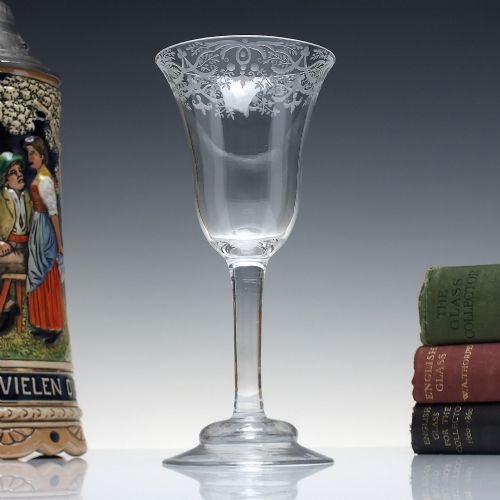
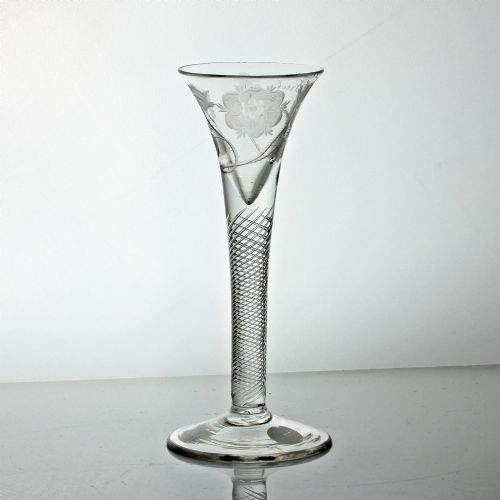
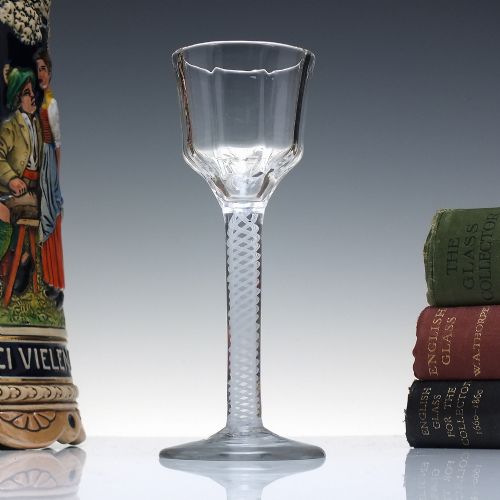
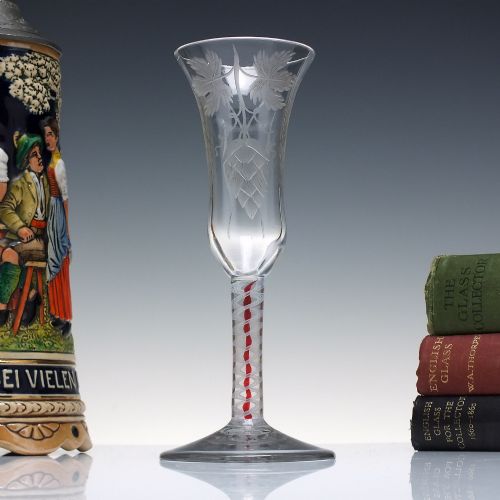
Georgian Engraved Stemware
Georgian engraved stemware brings tactile weight and fine wheel engraving to the table, offering a direct link to eighteenth-century toast drinking.
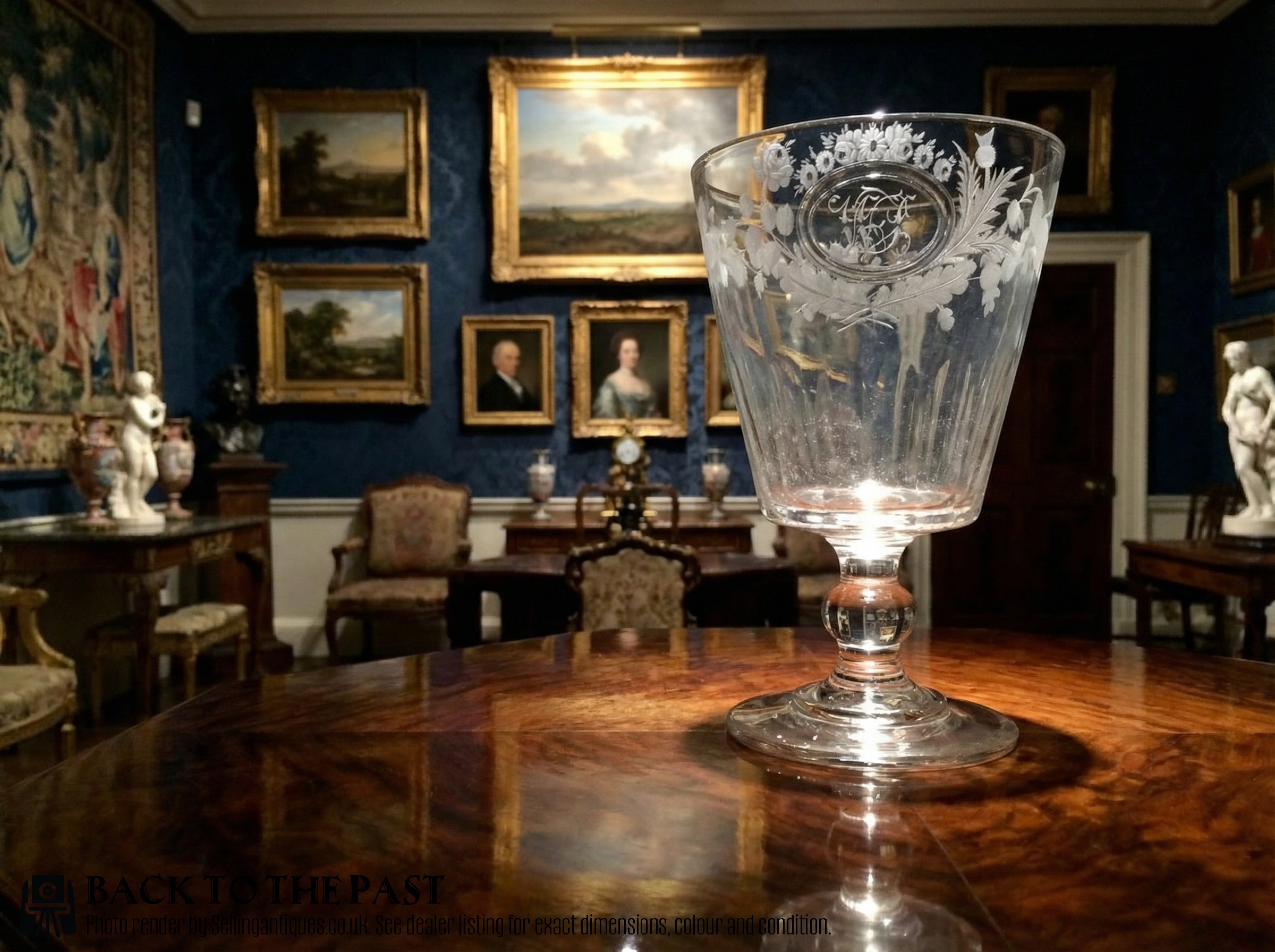
What these pieces are
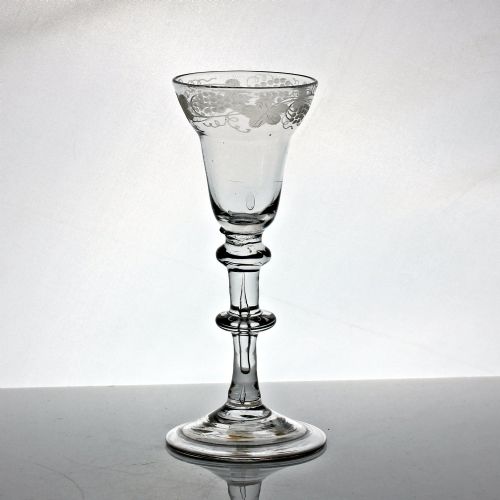
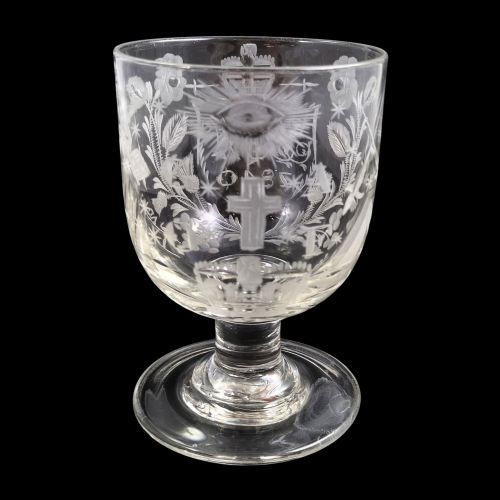
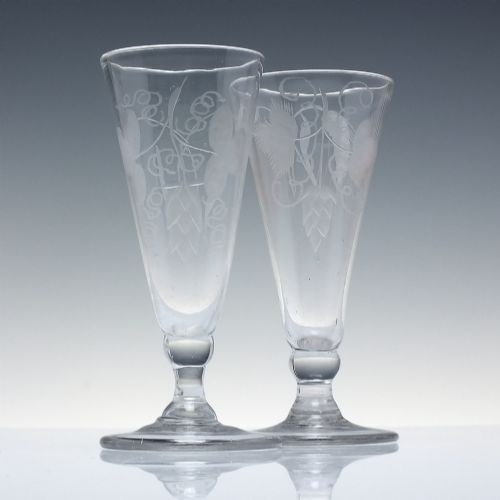
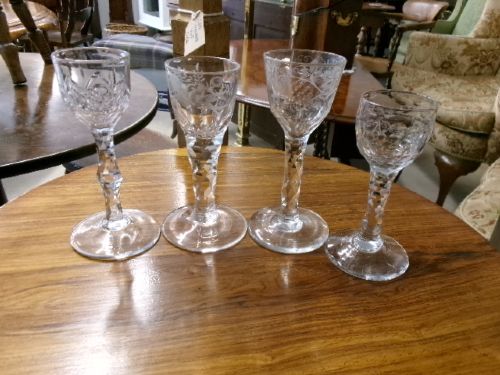
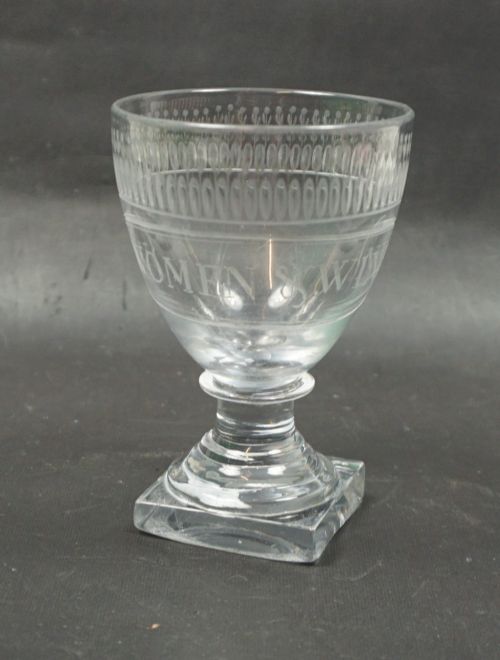
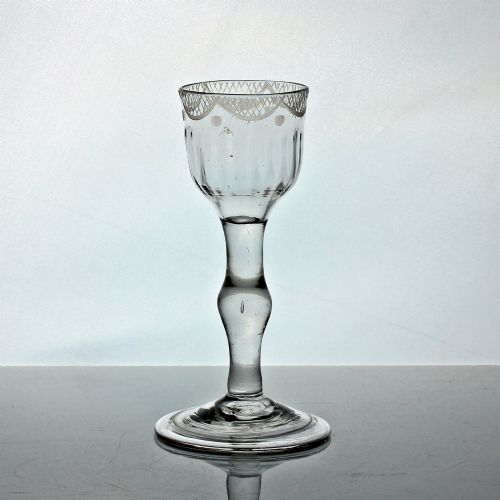
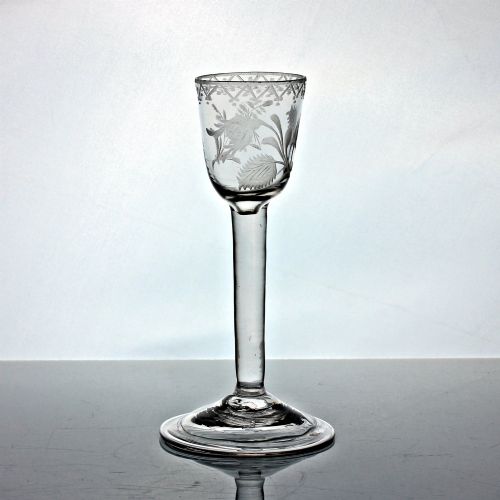
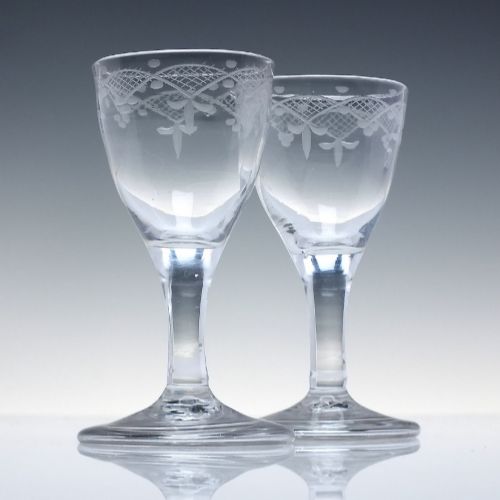
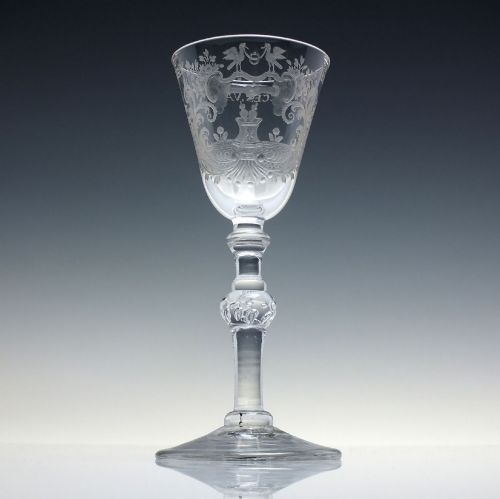
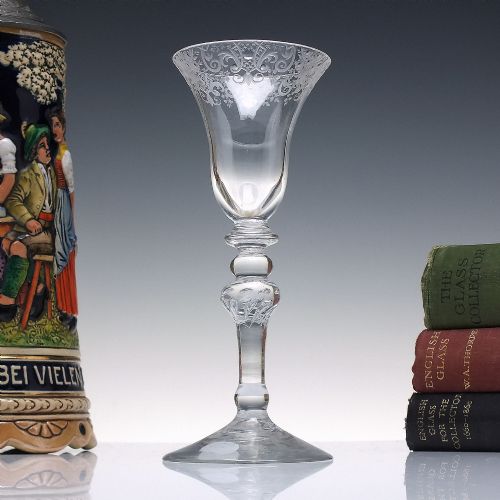
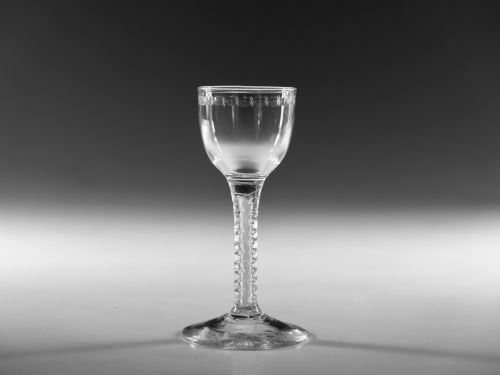
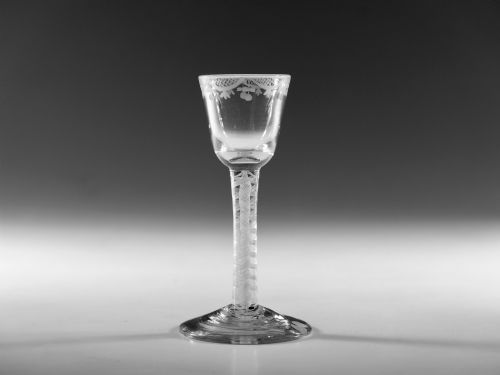
When you search for georgian engraved stemware, you encounter drinking vessels produced during the eighteenth and early nineteenth centuries. These drinking vessels comprise wine glasses, whisky dram glasses, ale glasses, and table rummers.
The pieces present distinct forms shaped by their intended contents, from tall balustroid and air twist wine glasses to sturdy rummers. They stem predominantly from the eighteenth century and the Regency period, carrying simple bowls or heavy bucket shapes.
Engraved ornamentation defines the group, featuring motifs such as hops and barley, grape vines, armorial bearings, swags and tails, and Jacobite symbols. Folded feet and multi-spiral stems appear frequently among the surviving examples.
How they were made
Makers shaped georgian engraved stemware from lead glass, clear glass, and lead crystal using traditional blowing and forming techniques. Craftsmen added structural support by folding the rims of feet during shaping.
Decoration relied on skilled hand wheel engraving to cut delicate patterns into the clear lead glass surface. Twist formations inside stems were achieved by manipulating air bubbles trapped within the molten material during manufacture.
Retail Price Guide 2026
Typical UK retail prices for georgian engraved stemware, calculated from the Sellingantiques database of over a million retail prices indexed since 2003. This retail price guide relies exclusively on Sellingantiques data; no external sources or auction records are used, so the figures do not describe the wider market.
Current listings feature eighteenth-century and Regency pieces in lead glass and clear crystal, spanning wine glasses, dram glasses, ale glasses, and rummers.
What varies in quality
Quality rests in the crispness of the wheel engraving and the clarity of the lead crystal material. Deeper, more confident cutting on motifs like hops and barley distinguishes finer examples from simpler work.
Structural complexity also separates pieces, with intricate multi-spiral air twists and folded feet representing higher craftsmanship than plain stems. The balance and weight of the metal itself reflect the skill of the glasshouse.
The Georgian Engraved Stemware Glossary
- Lead glass
- A heavy, durable glass containing lead oxide that increases brilliance and refractive index. This material allowed makers to fashion deep, clear vessels.
- Air twist
- A stem featuring elongated internal bubbles drawn into spiral patterns during manufacture. It creates a shimmering optical effect within the glass.
- Balustroid
- A heavy, swelling stem shape derived from architectural balusters. This form provides substantial weight and a secure grip.
- Folded foot
- A base edge turned under and pressed flat while hot to form a reinforced rim. This technique adds stability and chips resistance to the vessel.
- Rummer
- A large, sturdy drinking glass used for ale, rum, or punch during the Georgian era. These pieces often feature bucket-shaped bowls on short stems.
Frequently Asked Questions
What is georgian engraved stemware used for?
These vessels served for drinking wine, spirits, and ale at dining tables and social gatherings. Their robust construction suited daily toasts and communal drinking customs.
Today, collectors use them to display historical craftsmanship or continue their original purpose for special toasts. They bring tangible history to any modern table setting.
How do I identify a Jacobite glass?
Jacobite glasses feature covert political engravings supporting the exiled Stuart dynasty, commonly using symbols like the rose and oak leaves. These motifs signaled allegiance during sensitive political times.
Examine the bowl closely for these specific botanical emblems alongside insects or Latin mottos. Their presence marks the glass as a piece of partisan history.
What makes a stem twisted?
Makers twisted air bubbles trapped inside the molten metal while pulling and shaping the stem. This created delicate internal threads running through the glass.
Multi-spiral variations required exceptional skill from the glassblower to maintain even distribution. They catch the light distinctively compared to plain stems.
Why are some feet folded?
Glassmakers folded the outer edge of the base underneath while the metal remained hot to create a stronger rim. This protected the vulnerable base edge from chipping during use.
Finding a folded foot indicates an earlier eighteenth-century production method. It adds a tactile ridge that helps date the piece securely.