
Georgian English Porcelain
Georgian english porcelain brings together delicate tea services, handpainted plates, and cabinet figures from the eighteenth and nineteenth centuries that collectors prize for their artistry.
Georgian English Porcelain
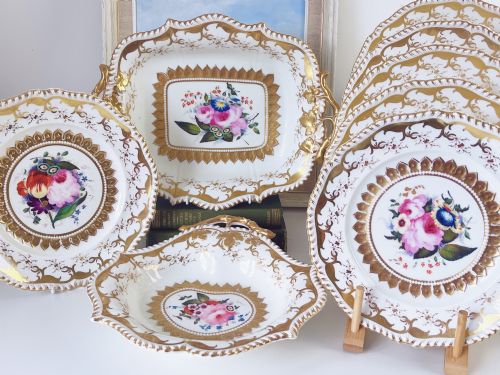
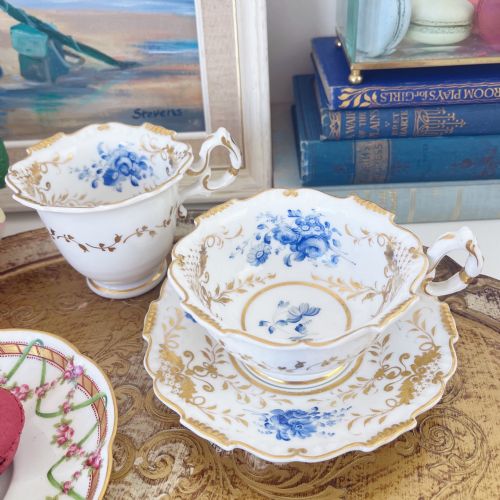
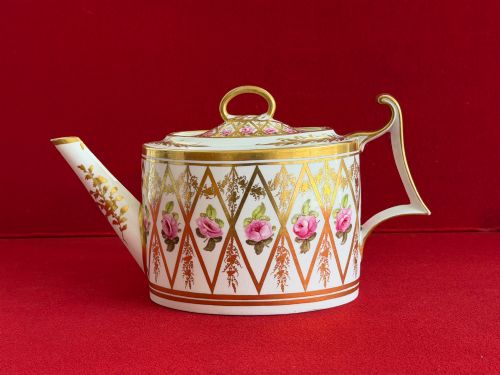
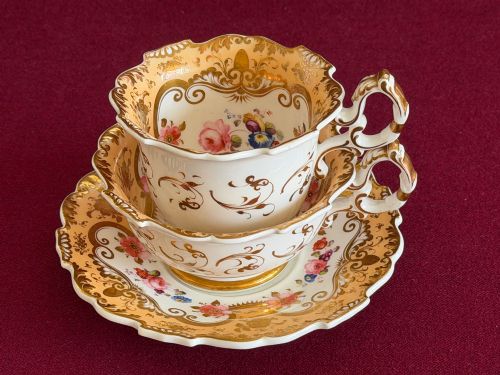
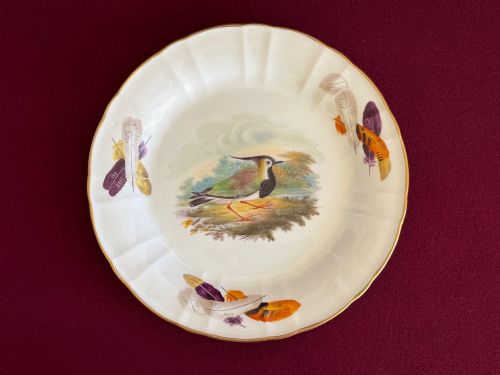
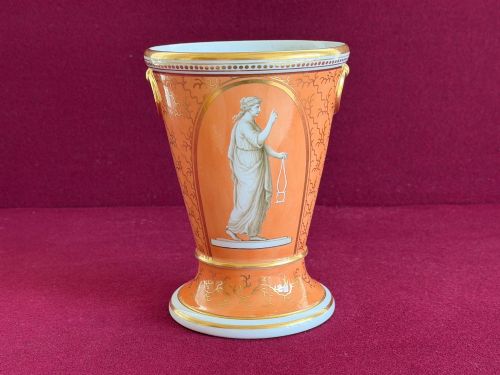
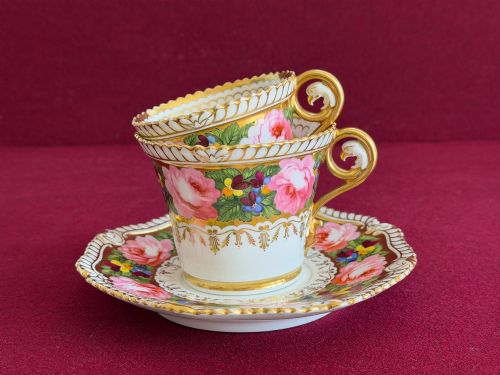
Georgian english porcelain encompasses functional tablewares and decorative ornaments produced during the eighteenth and nineteenth centuries, including the Georgian, Regency, and George III periods. A buyer exploring this category encounters domestic items such as teapots, cream jugs, and dessert services alongside ornamental vases and figures.
The objects stem from prominent English factories operating across the Georgian era, with First Period Worcester and later Regency manufactories forming a substantial part of the selection. These vessels and display pieces reflect the changing domestic tastes of tea-drinking and dining over several decades.
How they were made
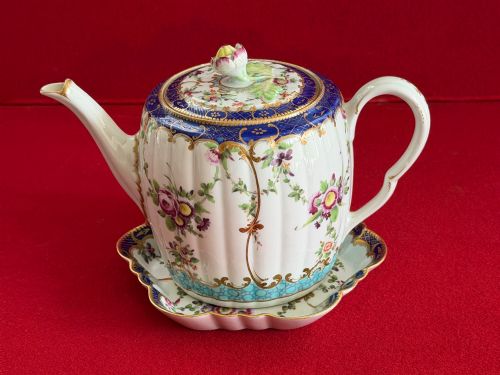
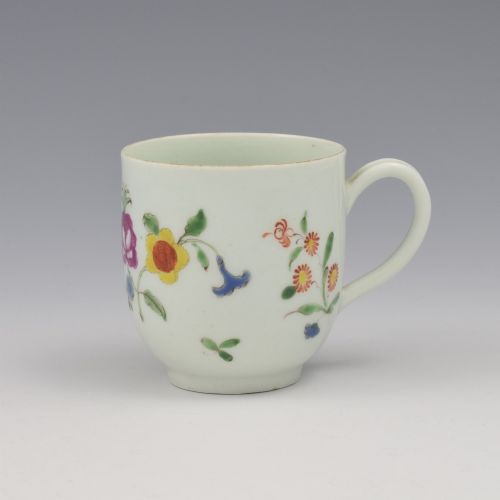
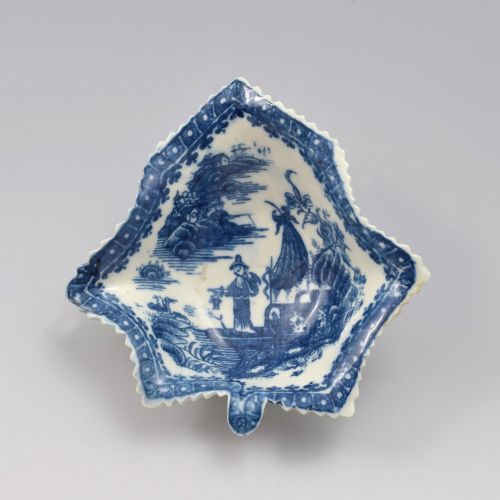
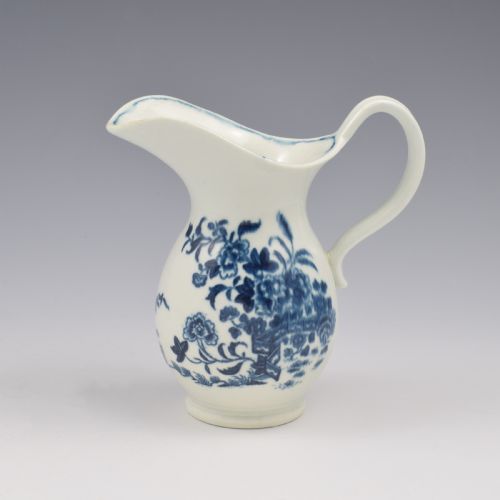
Potters utilised soft-paste porcelain, bone china, and enamel, shaping the bodies by hand or moulding them into fluted and ribbed forms before glazing. Artisans applied handpainted polychrome flowers, delicate sprigs, and intricate transfer prints to the surfaces.
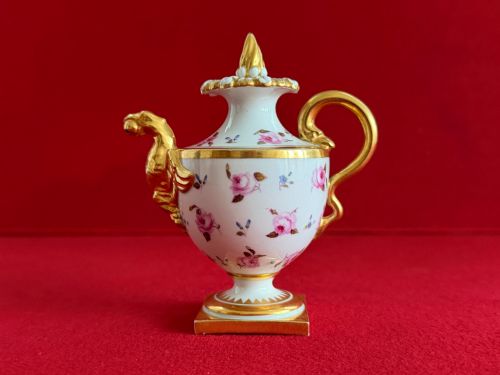
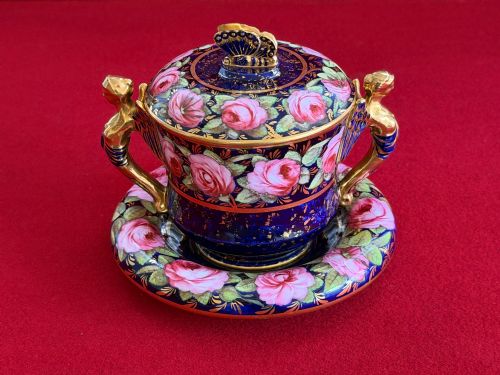
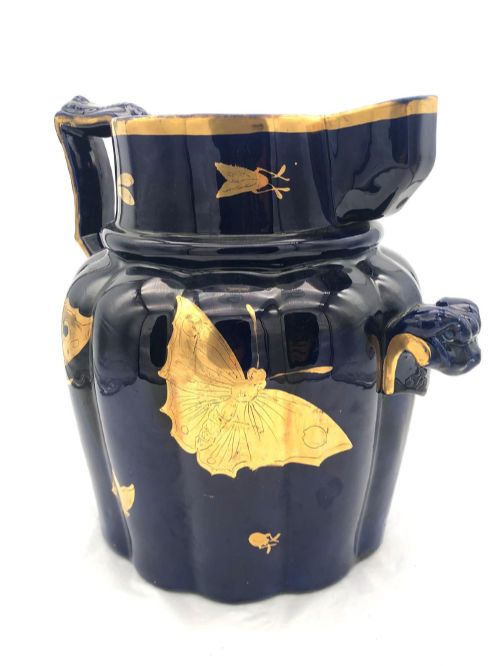
Many items received lavish enrichment through gold leaf and gilding applied to rims, handles, and panels. Firing in kilns set the underglaze cobalt blues and enamel colours, creating the glossy finishes seen on these vessels.
Surviving figures include recumbent stags and blind earl dishes, capturing the whimsy of Georgian animal and leaf motifs.
What varies in quality
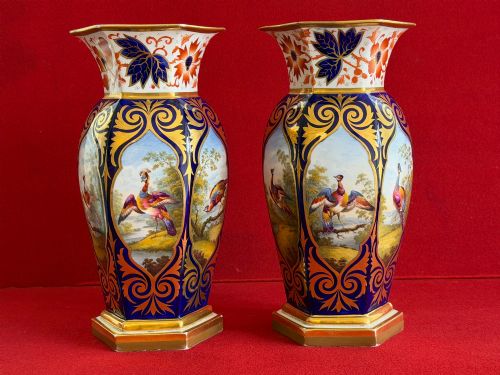
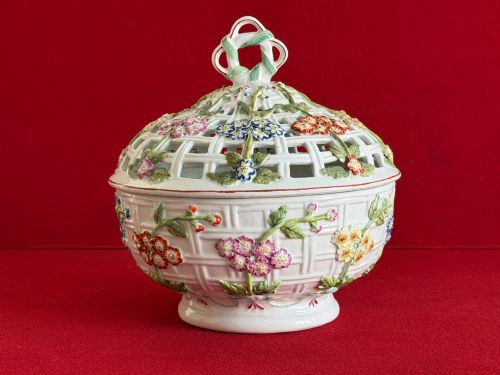
The standard of painting separates standard factory output from exceptional studio work, particularly in the precision of handpainted florals, birds, and figures. Crispness in moulded relief details, such as leaf patterns and basketweave textures, also indicates superior craftsmanship.
The application and preservation of gilding and enamel contribute significantly to the distinction between pieces. Intact gold leaf and vibrant, unrubbed polychrome decoration elevate the visual weight and desirability of a vessel.
Grainger Lee & Co·Flight Barr & Barr·H & R Daniel·Derby Porcelain·Wedgwood·Chamberlain Worcester·Spode·Richard Chaffers·Caughley·Bow·Chelsea·Newhall·Coalport·Bloor Derby·Davenport·Rockingham
The Georgian English Porcelain Glossary
- Soft-paste porcelain
- A glassy ceramic composition fired at lower temperatures than hard-paste porcelain, common in early English factories. It provides a warm, slightly creamy background for enamel painting.
- Bone china
- A durable ceramic paste incorporating animal bone ash alongside kaolin and petuntse. This mixture allowed potters to produce thin, translucent bodies with high strength.
- Gilding
- The application of powdered gold or gold leaf to ceramic surfaces for decoration. Artisans often burnished the gold to create a contrasting matte and shiny finish.
- Enamel
- Opaque glass-based paints applied over the glaze and fired at lower heat. These pigments allowed makers to introduce a wide palette of reds, greens, and pinks.
- Imari
- A decorative style inspired by Japanese export wares, featuring cobalt blue, iron red, and gold. English factories adapted this palette extensively on plates and vases.
Georgian English Porcelain: Frequently Asked Questions
How do I identify a piece of Georgian English porcelain?
Examination of the paste, glaze, and factory marks provides the primary clues for attribution. Many factories used painted or impressed blue marks that correspond to specific eighteenth and nineteenth-century decades.
Style and potting technique also help distinguish early soft-paste items from later bone china bodies. Comparing the form against documented factory shapes narrows down the origin.
Were these porcelain items used daily or displayed?
Many objects, such as teapots, cups, and jugs, served practical functions during formal tea and dining rituals. Wealthy households utilised them for serving hot beverages and sweetmeats.
Other items, including cabinet plates, decorative dishes, and figures, existed purely for display in parlours and drawing rooms. Their survival often depends on whether they remained in cabinets or faced regular handling.
How should I clean and care for antique porcelain?
Gentle hand washing in lukewarm water with mild detergent is recommended for durable pieces. Harsh scrubbing agents and modern dishwashers damage delicate enamels and historic gilding.
Items with extensive gold leaf or fragile soft-paste bodies require minimal handling and dry dusting. Avoiding sudden temperature changes protects the historic glaze from micro-cracking.
What is the difference between soft-paste and bone china?
Soft-paste porcelain relies on a mixture of clays and glass-like frits, creating a softer body that absorbs light warmly. It typifies the mid-eighteenth-century output of factories like Bow and early Worcester.
Bone china incorporates bone ash into the recipe, invented to create a whiter, harder, and more translucent material. This later innovation dominated nineteenth-century production by makers such as Spode and Coalport.