

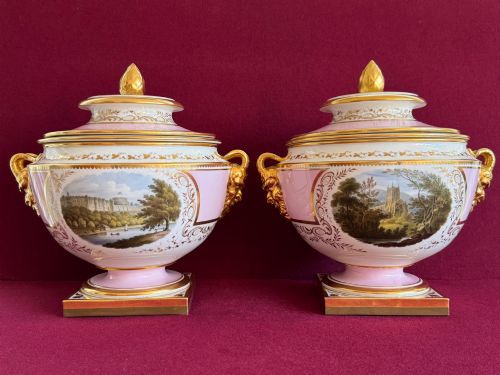
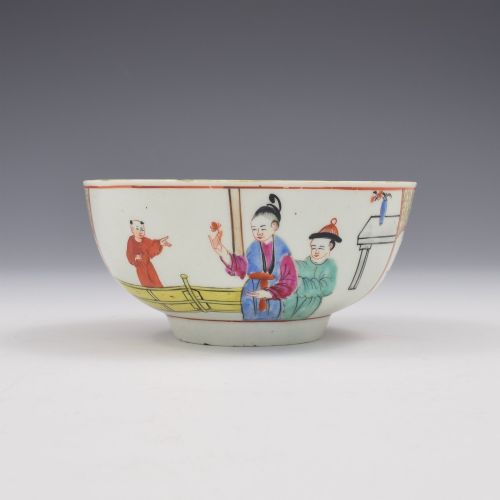


Georgian English Decorated Porcelain
Georgian english decorated porcelain brings colour and hand-painted artistry to the table, and you will find teapots, plates and bowls that reward close study.
Georgian English Decorated Porcelain
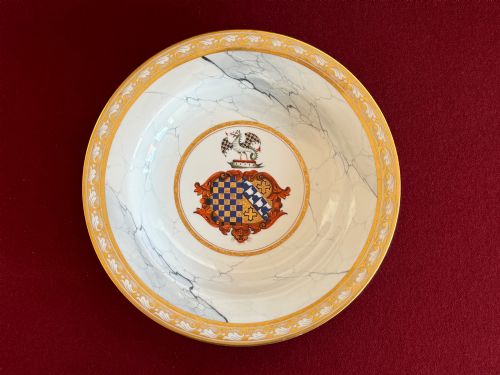
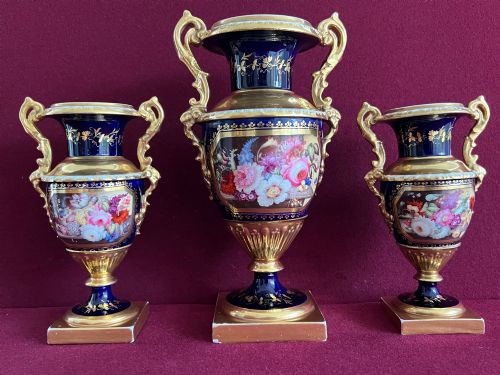
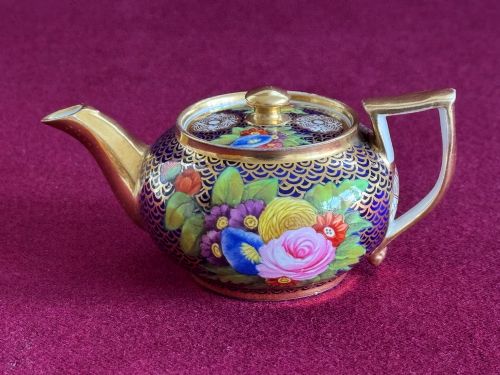
Georgian english decorated porcelain encompasses tableware made during the Georgian and Regency periods, spanning the eighteenth and early nineteenth centuries. You are most likely to meet teapots, sugar bowls, jugs, plates and cups that display hand-painted enamel decoration or gilding.
The objects originate from notable factories such as Worcester, Derby, Spode, Chelsea-Derby and Minton. Alongside British factory bodies, you encounter Chinese porcelain decorated in London workshops by independent painters.
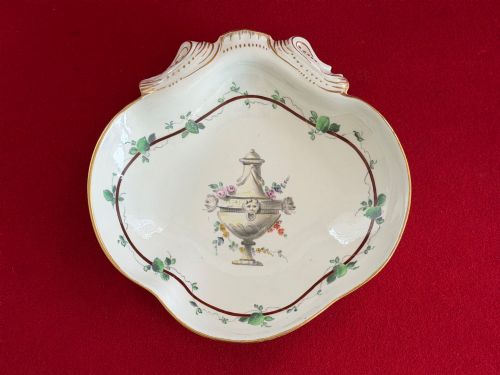
Forms range from utilitarian vessels like slop bowls and coffee cans to decorative items including candlesticks, inkstands and cabinet plates. The styles shift from early hand-painted floral motifs and Chinese figures to elaborate Regency patterns and topographical views.
How they were made
These items are constructed from soft-paste or standard porcelain bodies, shaped on the wheel or moulded into forms such as teapots, trays and candlesticks. Potters then applied enamel colours and gold leaf by hand before firing.
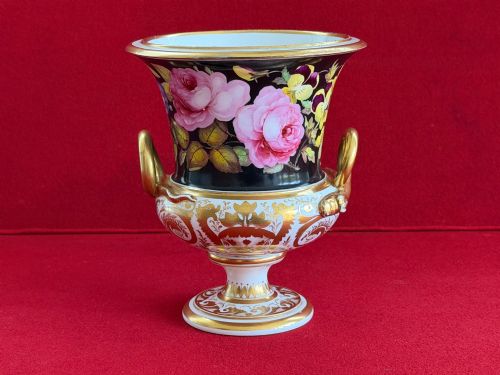
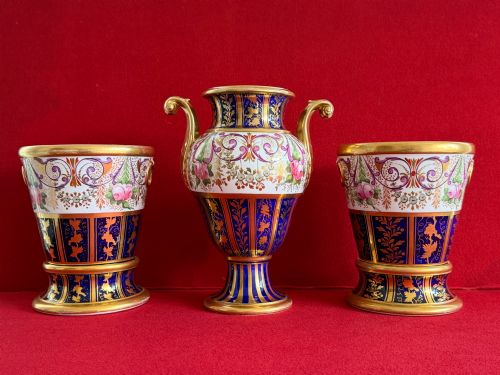
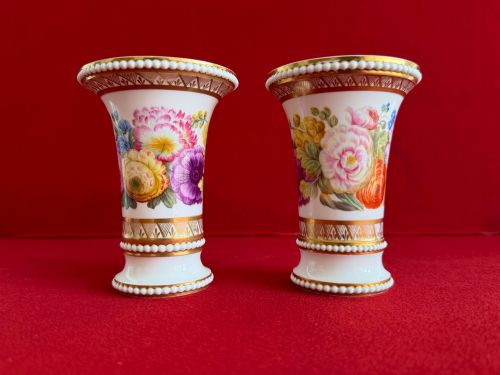
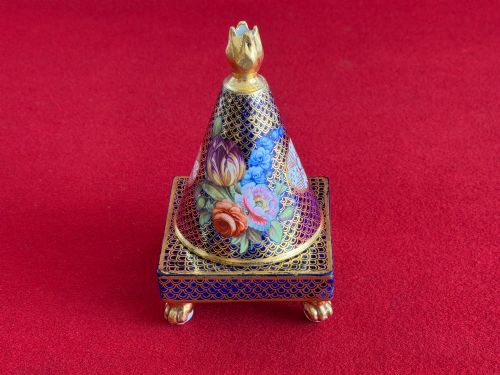
Gilding and gold gilding provide metallic enrichment across borders and handles, often paired with polychrome enamel flowers, figures or scenic views. Specialised painters added patterns like blue scale grounds and numbered factory designs.
Georgian English Decorated Porcelain Retail Price Guide 2026
Typical asking prices for georgian english decorated porcelain among the pieces listed under this phrase on Sellingantiques today, from the lower quarter to the upper quarter. They describe what is for sale here now, not the wider market.
A gentleman's slop bowl stands ready to receive yesterday's leaves.
What varies in quality
The execution of the painted decoration marks the primary division between standard output and finer work. Skilled hands produced detailed botanical studies, Chinese figures and topographical scenes with precise brushwork.
The application and retention of gold leaf and enamel create distinct tiers of finish. Early bodies from the eighteenth century show different potting textures compared to later Regency porcelains.
Derby Porcelain·Dr Wall Worcester·Spode Porcelain·Chelsea-Derby·Flight Barr and Barr·Minton Porcelain
The Georgian English Decorated Porcelain Glossary
- Soft-paste porcelain
- An artificial porcelain composition fired at lower temperatures than hard-paste, common in eighteenth-century English factories. It produces a warm, slightly softer glaze texture.
- Enamel
- Vitreous coloured glass fused to the porcelain surface during a secondary firing. It allows for vibrant palettes in floral and figural painting.
- Gilding
- The application of gold leaf or gold paint to ceramic surfaces for decorative highlights. This technique defines borders, handles and motifs on tea wares.
- Slop bowl
- A large bowl used during tea service to hold tea dregs and spent leaves. These vessels form part of eighteenth-century tea sets.
- Blue scale
- A patterned underglaze blue ground resembling fish scales, developed at the Worcester factory. Panels of flowers or birds are typically reserved within this ground.
Georgian English Decorated Porcelain: Frequently Asked Questions
How do I date a Georgian teapot?
Dating relies on factory marks, paste composition, and the style of the hand-painted decoration. Earlier pieces from the eighteenth century often feature soft-paste bodies and hand-pencilled chinoiserie or floral enamels.
Later examples transition into the Regency period with sharper gilding, numbered factory patterns, and topographical scenes. Comparing the handle shape and knop style to dated reference pieces clarifies the exact decade.
What is James Giles decoration?
James Giles operated an independent porcelain decorating studio in London during the eighteenth century. His workshop painted blanks sourced from factories like Worcester and even imported Chinese porcelain.
Pieces bearing Giles work are recognised by distinctive palette choices, rich gilding, and ambitious bird or fruit painting. This independent London decoration sits outside standard factory output.
Can I use these plates for dining?
These pieces were created for tea service, dessert display, and cabinet presentation rather than heavy daily use. The overglaze enamels and gold leaf are vulnerable to abrasion from modern cutlery and dishwashers.
Displaying cabinet plates on stands or using tea bowls gently preserves the fragile eighteenth-century and Regency surfaces. Gentle hand washing is essential if they ever hold food.
What does pattern number mean on Spode?
Factories like Spode assigned specific pattern numbers to recorded decorative schemes so decorators could reproduce them accurately. Pattern numbers such as 1166 or 1194 identify precise Regency aesthetic treatments.
Finding a documented pattern number helps confirm the factory of origin and narrows the production date. These numbers connect surviving items to historical factory pattern books.