




Georgian Elm Storage Box
A georgian elm storage box brings the honest grain and rugged character of provincial workshops directly into a modern room.
Georgian Elm Storage Box
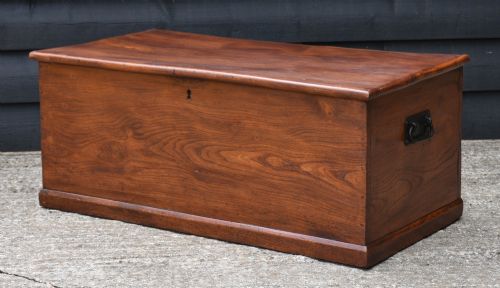
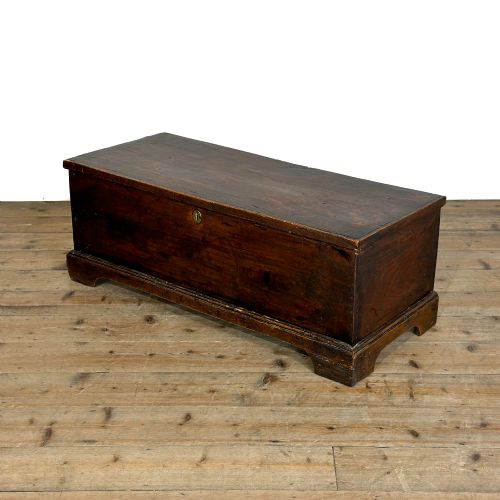
When you search for a georgian elm storage box, you encounter robust timber pieces made for practical household storage across the eighteenth and early nineteenth centuries. The examples here span blanket chests, small bedding or toy boxes, and miniature furniture, reflecting the diverse domestic needs of the period.
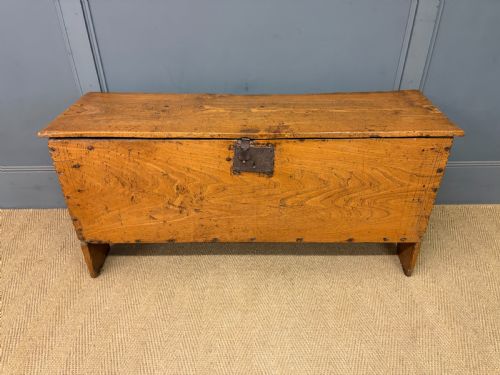
The versions you are most likely to meet on this page include plain elm blanket boxes and coffers alongside more specialised forms like travelling chests, bible boxes, and cellarettes. Many of these items originate from provincial or country vernacular workshops rather than metropolitan cabinet-makers.
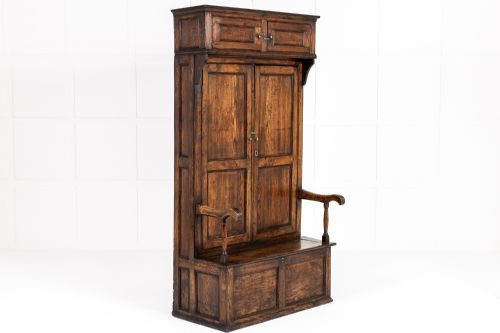
Beyond standard chests, the selection stretches to include related seating forms such as benches, settles, and tavern box settles that incorporate lidded storage compartments. These pieces show how makers maximised utility in historical interiors by combining seating with heavy-duty timber containment.
How they were made
Makers constructed these storage boxes using solid elm boards chosen for toughness, frequently complemented by secondary timbers such as oak for internal framing or panelling. Burr elm often appeared on feature panels to add decorative grain movement to otherwise rustic surfaces.
Hardware played a vital functional role, with blacksmiths and joiners attaching durable iron hinges, brackets, and polished brass mounts to secure lids and corners. These metal elements were fastened by hand to withstand heavy daily use in provincial homes.
What varies in quality
Quality in these rural storage pieces rests upon the choice of timber and the depth of the surface patina developed over centuries of handling. Examples featuring highly figured burr elm panels or rich, polished finishes sit at the upper end of the scale compared to plain utility boards.
Construction methods and hardware integrity also set pieces apart, from simple pegged joints on provincial coffers to finely fitted compartments within gentlemen's travelling chests and cellarettes. The survival of original brass mounts and initialled or dated inscriptions adds considerable historical weight to a piece.
The Georgian Elm Storage Box Glossary
- Elm
- A notoriously tough domestic timber prized by vernacular makers for its interlocking grain that resists splitting. This wood develops a warm, honeyed tone and deep patina with age and handling.
- Cofer
- A heavy wooden chest traditionally used for storing valuables, documents, or garments. Unlike modern trunks, these heavy receptacles were primary furniture items in early homes.
- Mule chest
- A storage chest featuring one or more drawers built into the base beneath the main lidded compartment. This hybrid form bridges the gap between the traditional trunk and the modern chest of drawers.
- Cellarette
- A dedicated lockable container designed for holding bottles of wine or spirits securely. In burr elm, these smaller vessels served affluent households during the Regency period.
- Vernacular
- Objects made by local craftsmen following regional traditions rather than high-style metropolitan designs. These items prioritise utility, local materials, and straightforward construction over academic ornament.
Georgian Elm Storage Box: Frequently Asked Questions
What were elm storage boxes used for originally?
These robust boxes served households primarily for storing heavy textiles, blankets, clothing, and household provisions away from damp floors and pests. Smaller variants functioned as bible boxes or personal storage for documents.
Over time, specialised forms evolved to hold specific items such as wine bottles or travelling gear. Their heavy construction allowed them to double as impromptu seating or tables in smaller rooms.
How do I tell an 18th century box from a 19th century one?
Eighteenth-century examples often display hand- cut dovetails, forged iron hardware, and pegged frame construction typical of country vernacular joinery. The timber surfaces tend to show deeper patination from decades of domestic use.
Nineteenth-century pieces, including Regency and early Victorian items, sometimes incorporate machine-sawn elements, refined brass mounts, and polished finishes. Examining the interior linings and fastener types helps clarify the production era.
Where should I place an elm storage box at home?
An elm storage chest makes a practical addition to a hallway for boots and winter accessories, or positioned at the foot of a bed for spare linen. Their sturdy flat tops also allow them to function well as coffee tables or window seats.
Because elm reacts to extreme changes in humidity, placing these boxes away from direct heat sources and radiators helps protect the timber boards and historical joints.