
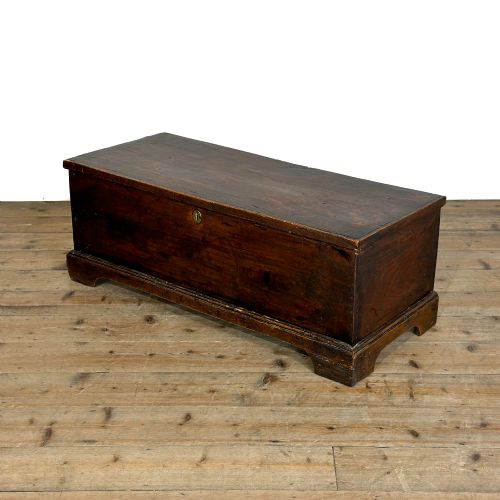



Traditional Elm Coffer
A traditional elm coffer offers honest rustic utility, prized for its golden grain and robust pegged construction.
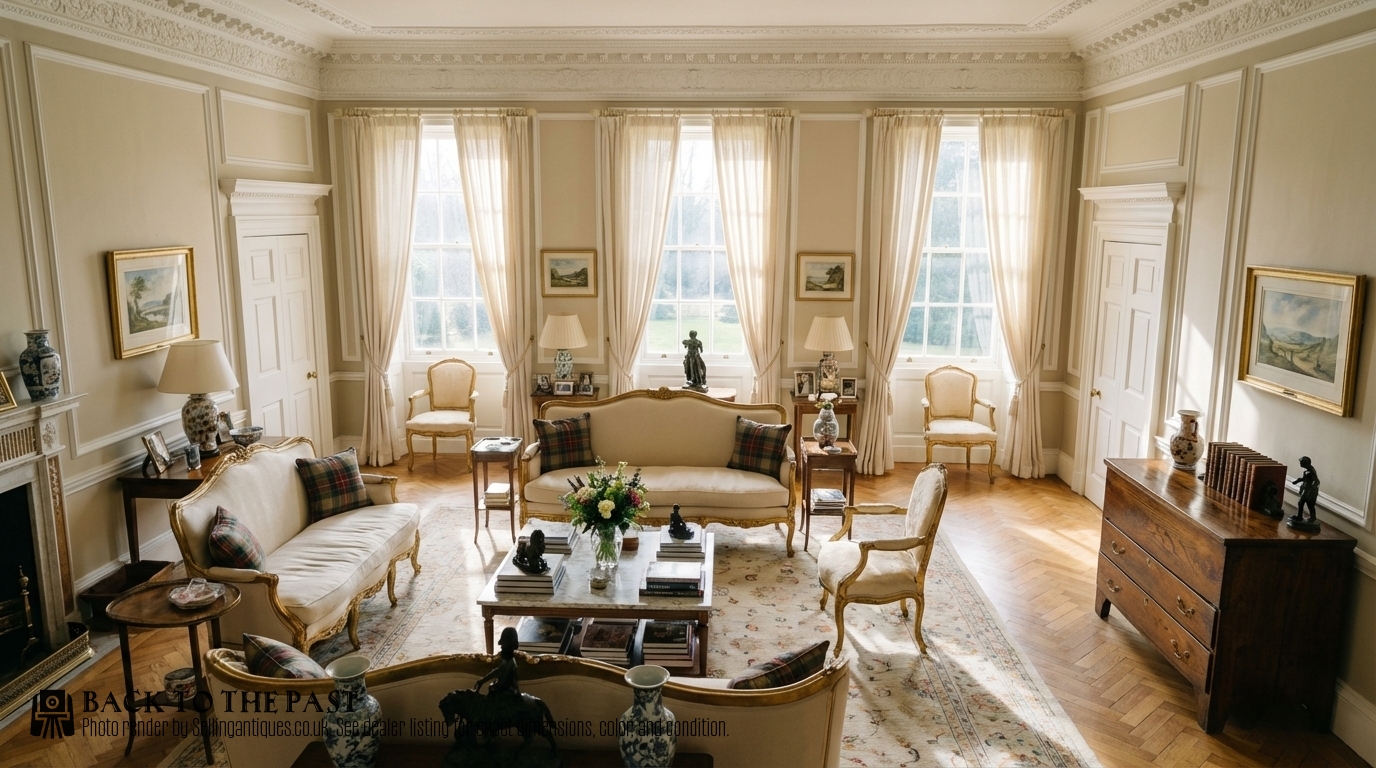
Traditional Elm Coffer
A traditional elm coffer provides durable storage built from resilient timber, appearing in forms such as blanket chests and six-plank coffers. These practical pieces serve as functional storage furniture with deep roots in domestic history.
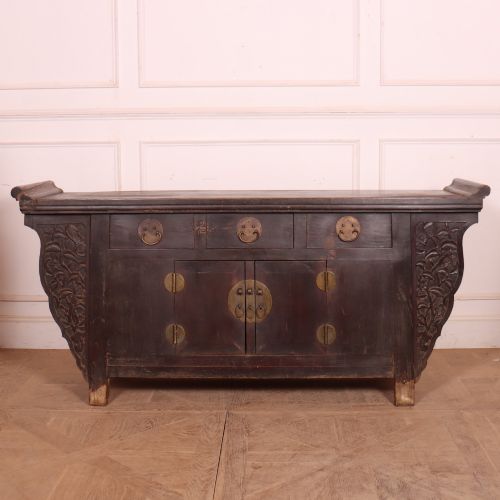
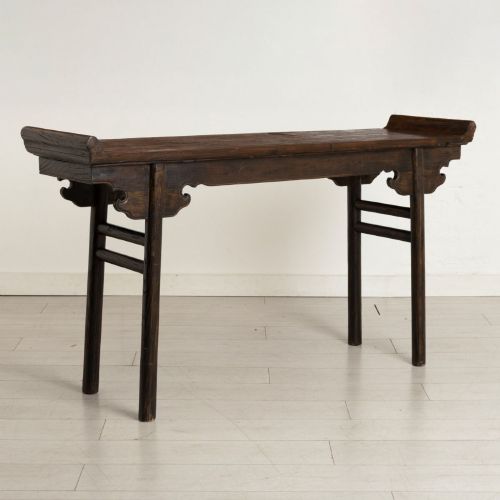
The selection ranges from vernacular country pieces to Georgian items, alongside examples featuring burr elm panels and iron or brass hardware. Buyers encounter sturdy domestic chests alongside related forms like dough bins and sideboards.
Originating predominantly from British and Chinese traditions, these pieces span the eighteenth and nineteenth centuries. The examples here combine utility with the distinct figuring of elm wood.
Materials and construction methods
Makers utilised solid elm timber, frequently selected for its tough interlocking grain and resistance to splitting. Workshops also incorporated oak for structural framing or panels, complemented by brass and iron for hinges and locks.
Joinery methods rely on pegged joints, dovetails, and simple board construction rather than complex adhesives. Six-plank designs demonstrate straightforward carpentry where vertical and horizontal boards meet directly.
The listings here span the eighteenth and nineteenth centuries, combining British country pieces with Chinese elm furniture.
Factors of quality and build
The integrity of the timber and the retention of original surface patination distinguish finer examples from heavily restored pieces. Natural figuring in the elm grain enhances the visual weight of the form.
Original iron or brass hardware and intact pegging indicate superior craftsmanship. Replacement boards or modern fixings alter the historical authenticity of the piece.
The Traditional Elm Coffer Glossary
- Six-plank
- A primitive chest construction method using six individual boards joined directly at the edges. This technique forms the basic box structure without internal framing.
- Elm
- A dense hardwood known for its twisting grain and resistance to splitting. Furniture makers valued it for demanding applications like seating and large chests.
- Mule chest
- A storage chest that includes one or more drawers beneath the main lifting compartment. This form bridges the evolution from simple coffers to drawer chests.
- Pegged
- A method of joining timber where wooden pins secure mortise and tenon joints. This avoids the need for metal nails in structural assembly.
Traditional Elm Coffer: Frequently Asked Questions
How do I date an elm coffer?
Examine the construction marks, nail types, and hinge styles to estimate the period of manufacture. Hand-forged ironwork and pegged joinery generally indicate earlier craftsmanship.
Compare the timber shrinkage and surface wear against known examples from the eighteenth and nineteenth centuries.
Where were these coffers used?
These chests functioned primarily in domestic settings for storing textiles, blankets, and household valuables. Their robust build suited farmhouses and provincial homes.
Later variations served utilitarian purposes in workshops and trading spaces.
How should I care for elm wood?
Keep wooden furniture away from direct heat sources and drastic humidity changes to prevent the timber from splitting. Apply natural wax periodically to nourish the surface.
Dust the grain gently with a soft dry cloth rather than using liquid polishes.
What is a six-plank construction?
This method forms a chest by joining six plain boards for the front, back, bottom, ends, and lid. Carpenters pinned the edges directly to create a rigid box.
It represents an early and direct approach to making storage furniture.