

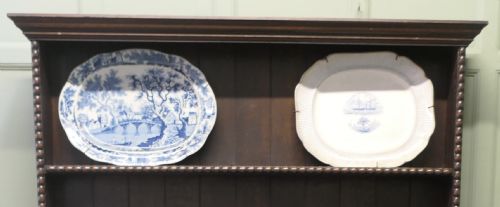


Georgian Earthenware Wall Plate
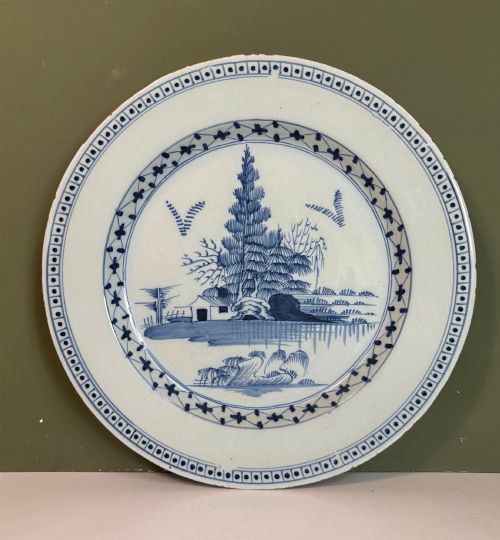
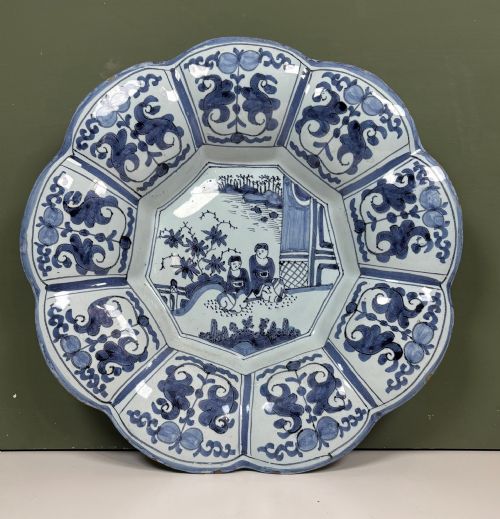
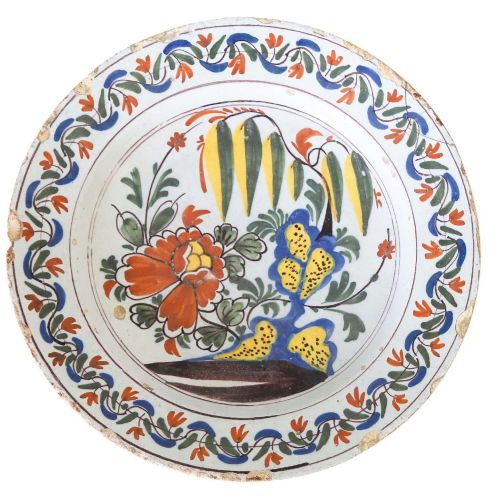
These heavy tin-glazed and pearlware dishes bring hand-painted narrative scenes and deep blue pigments to plain walls.
Georgian Earthenware Wall Plate
A georgian earthenware wall plate is typically a round ceramic dish created for display rather than the dining table, spanning periods from the eighteenth century into the nineteenth.
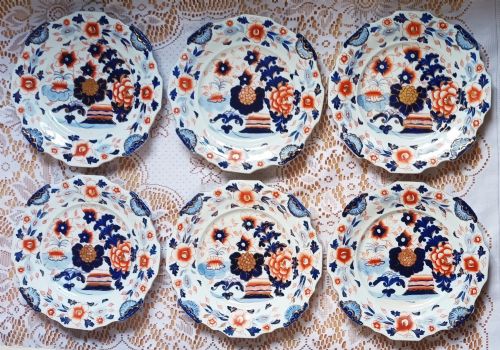
The versions most common here are English and Dutch delftware chargers alongside blue and white transfer-printed pearlware and ironstone plates.
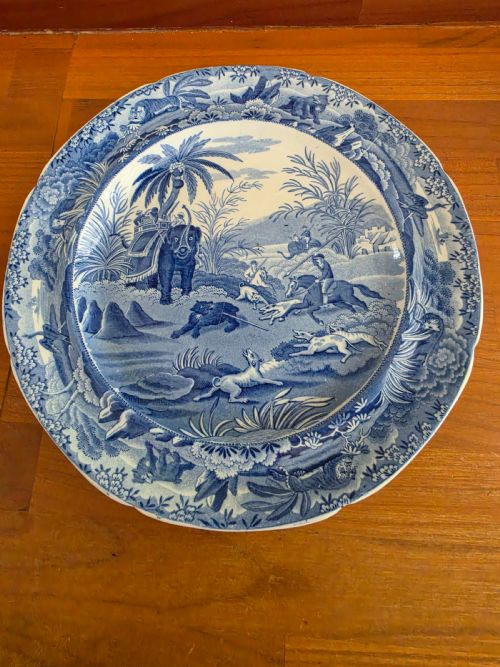
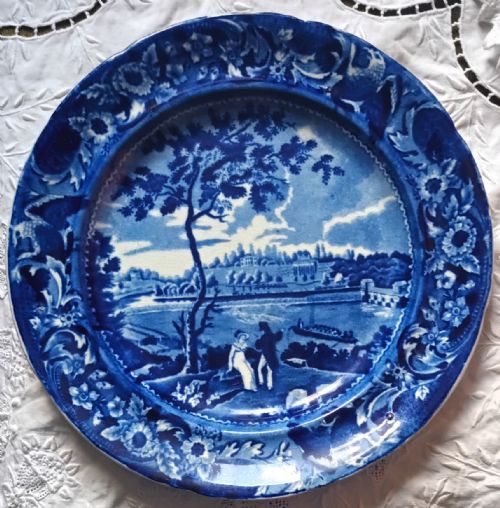
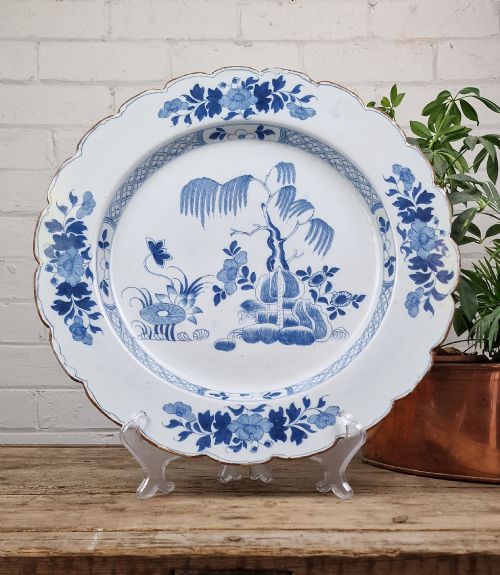
Makers decorated these surfaces with floral motifs, chinoiserie landscapes, and historical or topographical transfer prints.
How they were made
Potters shaped earthenware bodies and coated them in tin glaze or pearlware to receive cobalt pigment and polychrome paints.
Designs were applied either by hand with a brush or through copperplate transfer printing before firing in kilns.
Some chargers record dramatic historical moments, such as the death of a bear, frozen forever in blue pigment.
What varies in quality
Quality rests in the crispness of the transfer print or the confidence of the brushwork across the tin glaze.
Purer white glazes and more complex polychrome or pictorial subjects separate standard wares from finer examples.
Spode·Stubbs·William Adams·John Davenport
The Georgian Earthenware Wall Plate Glossary
- Delftware
- Earthenware coated with an opaque white tin glaze that accepts painted cobalt or polychrome decoration. It originates from Dutch and English potteries.
- Pearlware
- A refined earthenware developed in the late eighteenth century featuring a subtle bluish glaze that pools in recesses. It bridges creamware and later white earthenware.
- Charger
- A large decorative plate intended primarily for wall hanging or display on a dresser. These pieces often measure significantly wider than standard dining plates.
- Transfer printing
- A method of applying intricate engraved designs to ceramic surfaces using paper pulled from a copper plate. This technique allowed factories to mass-produce pictorial patterns.
Georgian Earthenware Wall Plate: Frequently Asked Questions
How do I hang a wall plate safely?
Use a spring-loaded brass wire hanger that grips the rim securely without applying undue pressure to the earthenware body.
Ensure the wall fixing is anchored firmly into plaster or studwork to support the weight of larger chargers.
Are these plates meant for dining?
Most of these ceramic pieces are intended for display on walls or dressers rather than daily food service.
Historic tin glaze and early pearlware surfaces are vulnerable to cutlery scratching and modern dishwashing detergents.
What subjects appear on transfer plates?
Common transfer motifs include Chinese pagoda scenes, romantic landscapes, and named topographical views from Britain and America.
Potters also recorded literary themes, historical events, and rural trades across the printed surface.