


Georgian Earthenware Vessel
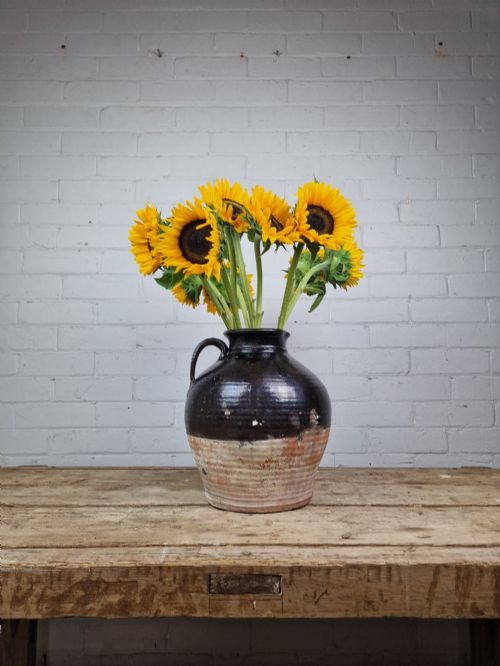
A georgian earthenware vessel brings utilitarian warmth and hand-thrown character into a modern interior.
Georgian Earthenware Vessel
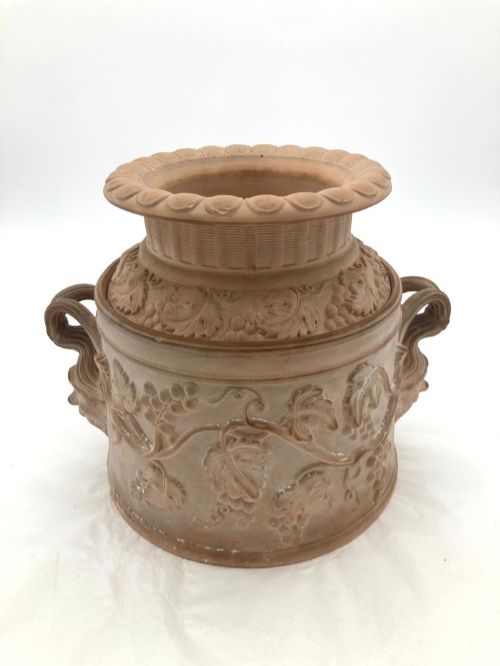
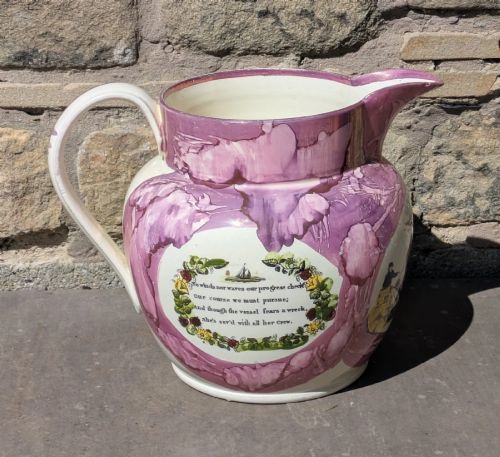
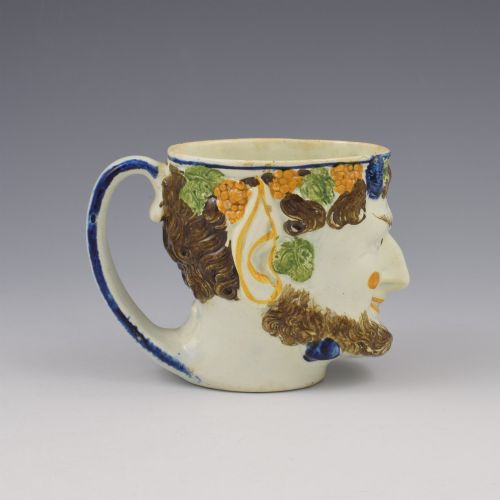
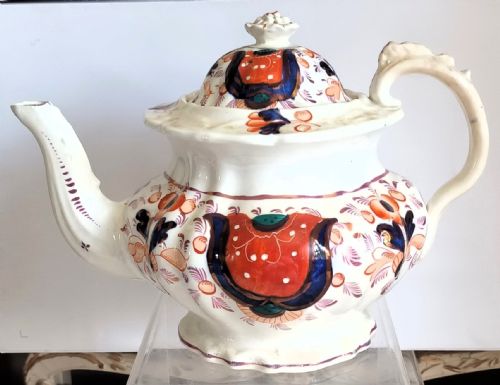
A georgian earthenware vessel encompasses utilitarian forms such as apothecary jars, wine coolers, jugs, mugs, and tankards produced across the eighteenth and nineteenth centuries. Buyers encountering this selection will frequently find creamware, pearlware, and delftware pieces shaped for daily domestic or apothecary use.
The objects span periods from the eighteenth century through the regency era and into the mid nineteenth century. Common configurations include loving cups, footbaths, tea caddies, and cow creamers reflecting rustic country and regional English pottery traditions.
Materials and construction
Potters built these pieces using porous earthenware, creamware, pearlware, and terracotta bodies shaped by hand or on the wheel. Surface decoration relied upon hand-painted enamel colours, blue and white transfer printing, metallic glazes, and tin glazes.
Makers applied slipware techniques and lead glazes to seal the porous clay bodies. Many forms incorporated moulded details such as satyr masks, cherubs, and shell motifs before final kiln firing.
Listings feature creamware, pearlware, terracotta, and English delftware across the eighteenth and nineteenth centuries.
Evaluating quality and execution
Quality rests in the crispness of moulded relief work and the precision of hand-painted or transfer-printed decoration. Finer examples display balanced proportions, clear glaze adhesion, and well-defined decorative themes.
The skill of the potter shows in the throwing of domestic vessels like tankards and jugs, where wall thickness and handle attachment remain uniform. Decoration ranges from simple slip trails to intricate polychrome enamel and lustre work.
Davenport·Heathcote·Miles Mason·Spode
The Georgian Earthenware Vessel Glossary
- Earthenware
- Porous pottery fired at lower temperatures than stoneware or porcelain. It requires a glaze to hold liquids.
- Pearlware
- An improved fine earthenware introduced in the late eighteenth century. It has a bluish-tinted glaze designed to imitate Chinese porcelain.
Georgian Earthenware Vessel: Frequently Asked Questions
What is a georgian earthenware vessel used for?
These vessels served practical domestic, medical, and dining functions in homes and apothecary shops. They held liquids, stored dry goods, and dispensed medicines or served drinks at the table.
Today collectors display them as decorative accents or utilise them as flower jugs and mantelpieces. Their historic utility adds tactile warmth to interior spaces.
How do I care for a georgian earthenware vessel?
Earthenware possesses a porous clay body that benefits from gentle handling and stable indoor environments. Dust the surfaces softly and avoid exposing the antique glaze to harsh chemicals or soaking.
Keep pieces away from direct heat sources and moisture extremes. Display them securely on stable shelving where they remain protected from accidental knocks.
How can I tell creamware from pearlware?
Creamware displays a warm, ivory-yellow tone beneath its transparent glaze. It became popular during the mid to late eighteenth century for tablewares and utilitarian vessels.
Pearlware incorporates a subtle blue tint pooled in crevices and recesses of the white glaze. Potters developed this formulation to achieve a whiter finish resembling Chinese export porcelain.
What is an apothecary jar?
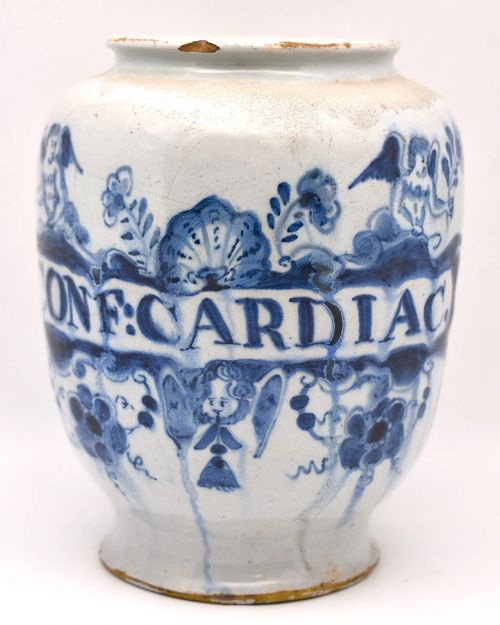
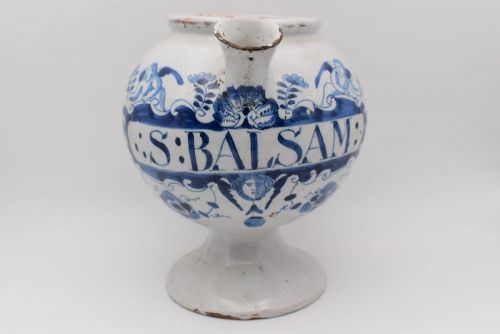
Apothecary jars held medical ingredients, dried herbs, and liquid syrups in dispensaries and chemists' shops. Drug jars often feature painted inscriptions or symbols identifying specific pharmaceutical contents.
Examples range from wet drug jars with spouts to large storage vessels. Their painted labels provide a direct link to eighteenth-century medical practices.