
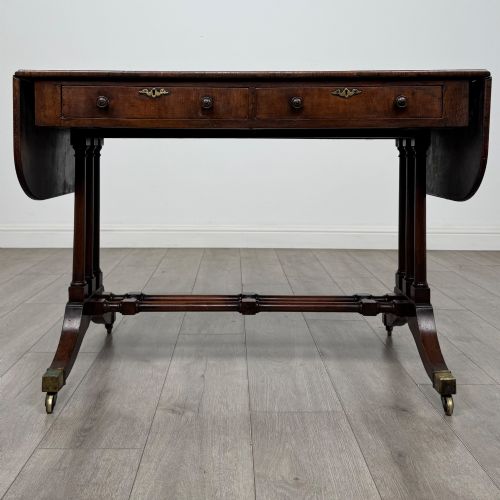
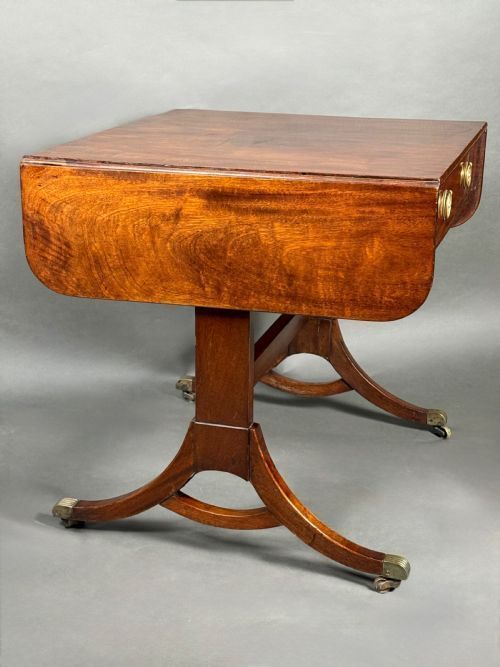
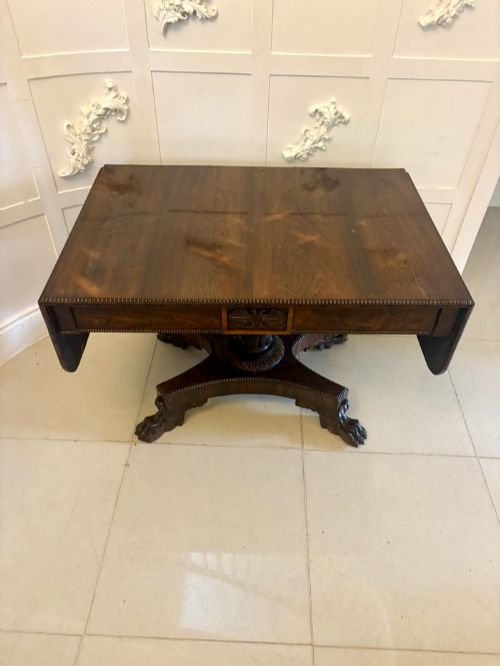
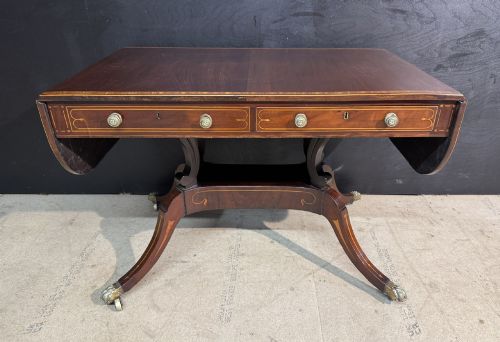


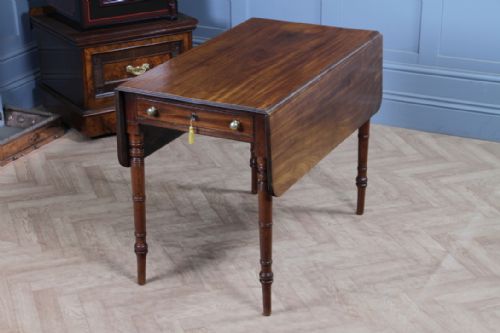
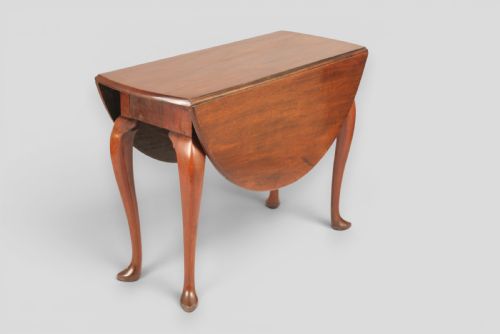
Georgian Drop Leaf Console
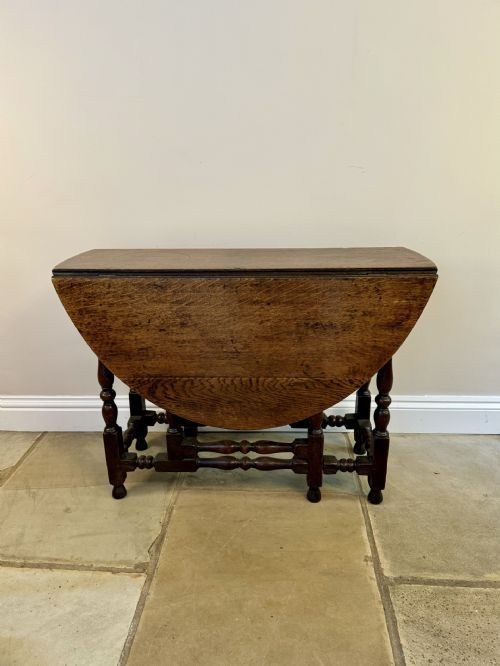
Georgian drop leaf console tables are versatile antique multi-leaf tables designed for domestic use.
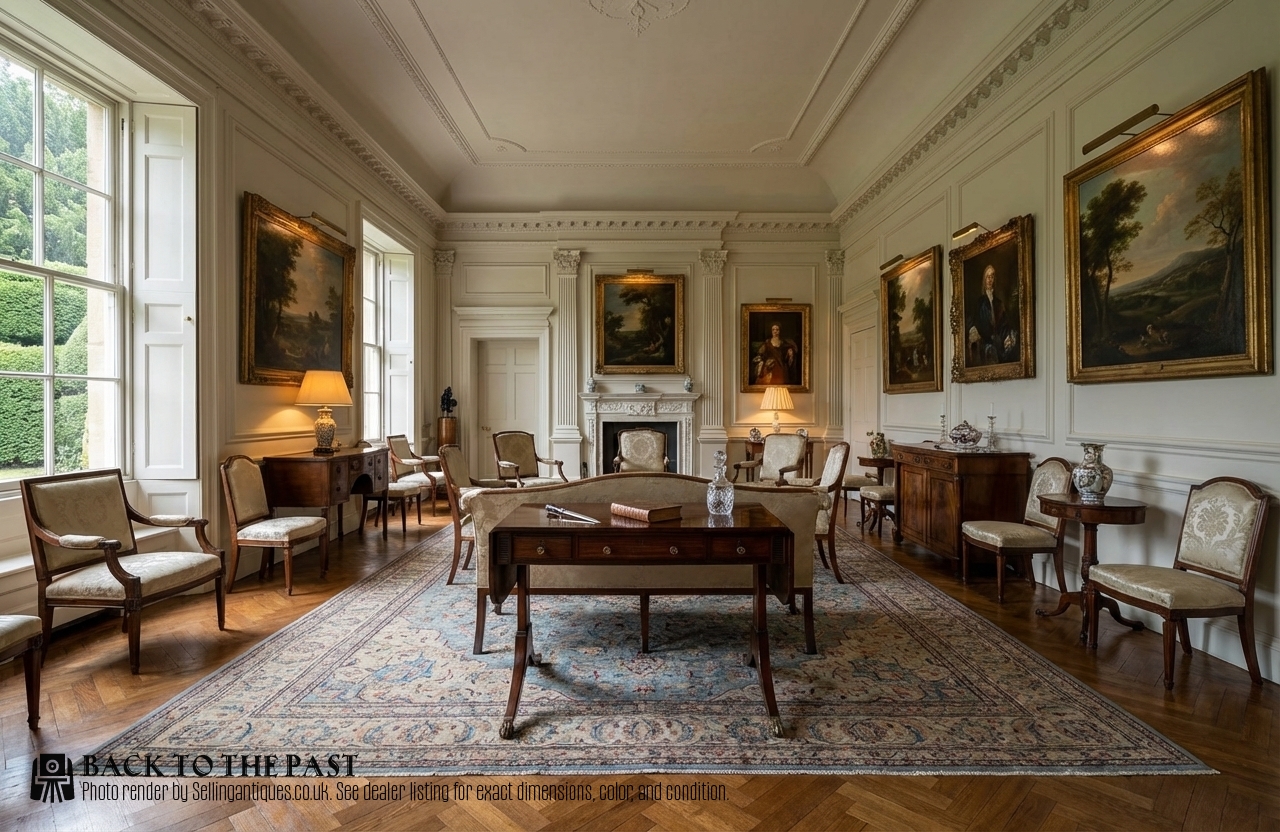
Georgian Drop Leaf Console
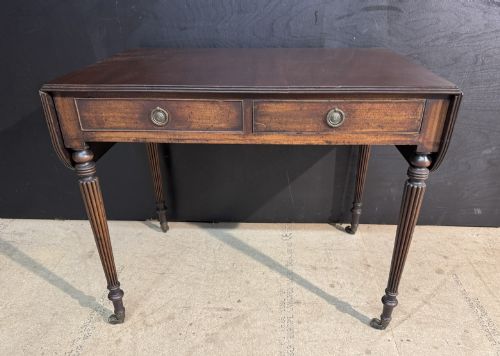
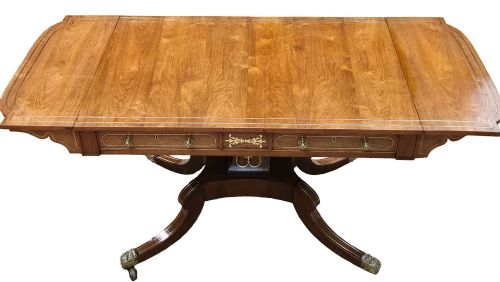
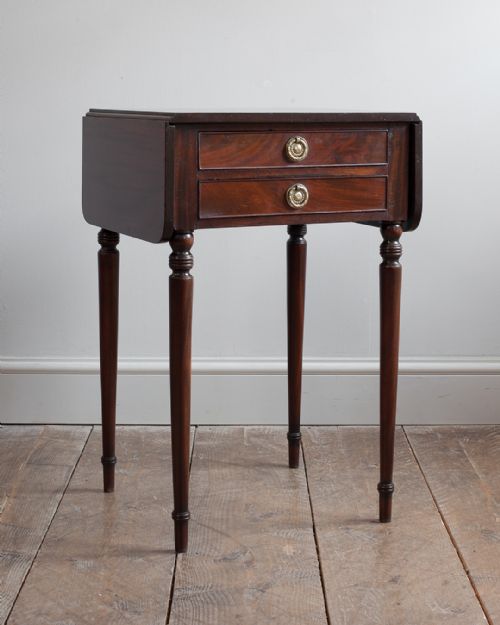
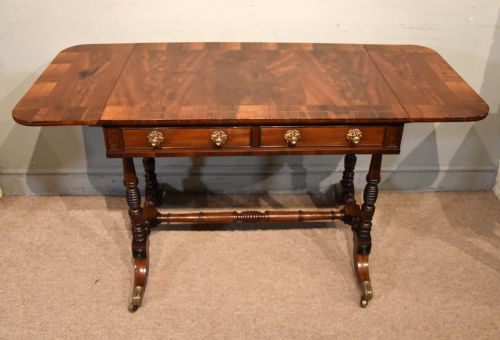
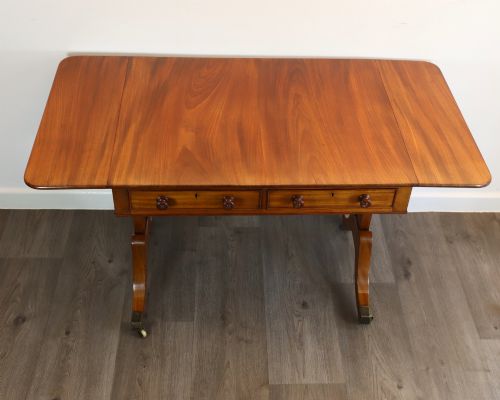
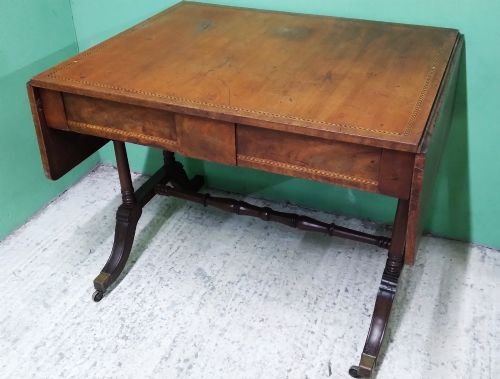
A georgian drop leaf console typically manifests as a sofa table, Pembroke table, or side table featuring drop leaves on either side of the main surface. The selection spans George III, Regency, and early Victorian periods, alongside later nineteenth and twentieth century interpretations.
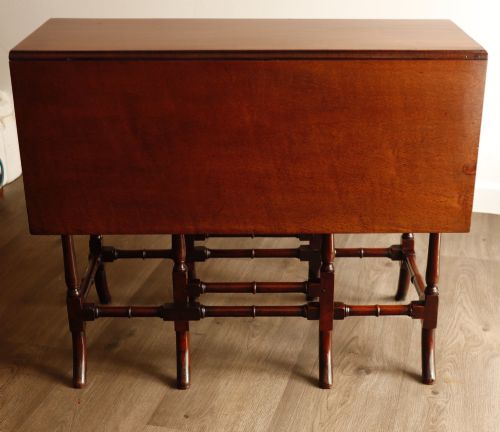
Makers and workshops of these eras favored mahogany, flame mahogany, and rosewood, frequently incorporating contrasting woods like satinwood or yew. The forms range from compact spider leg tea tables and work tables to freestanding library and sofa tables with drawers.
Materials and construction
Cabinetmakers constructed these pieces primarily in solid mahogany and figured veneers, often selecting flame mahogany or rosewood for primary display surfaces. Secondary timbers and structural framing frequently included oak or pine.
Inlay work relied on contrasting veneers such as satinwood, ebony, and yew wood, sometimes accompanied by cast brass mounts, handles, and sabots on the feet.
Tables equipped with secret silver drawers and matching keys ensure your tea spoons remain safe from marauding guests.
Quality differences
The degree of figuration in the mahogany or rosewood veneer dictates the visual impact of the top surface. Highly figured timber with symmetrical grain patterns distinguishes superior examples from plain variants.
Refinement in secondary details, such as precision in wood inlay, hand-cut dovetails within drawers, and the integration of brass mounts or lyre-shaped pedestals, separates standard production from exceptional work.
The Georgian Drop Leaf Console Glossary
- Drop leaf
- A table featuring hinged side flaps that lift up to extend the surface area when supported by swing legs or brackets.
- Sofa table
- A rectangular occasional table originally designed to stand directly in front of a sofa, typically featuring two drop leaves and double pedestals or trestle ends.
- Pembroke table
- A small functional table with hinged flaps on opposite sides and usually one or two small drawers, popular during the eighteenth and nineteenth centuries.
- Flame mahogany
- A veneer cut from the fork of a mahogany tree that displays a distinctive flickering, flame-like grain pattern.
- Stringing
- A narrow strip of contrasting wood inlay used to outline the edges of table tops, drawer fronts, and legs.
Georgian Drop Leaf Console: Frequently Asked Questions
What is a georgian drop leaf console?
A georgian drop leaf console is a multi-purpose antique table featuring hinged flaps that can be raised or lowered to adjust the surface footprint. These pieces include sofa tables and Pembroke tables designed for flexible placement within living spaces.
They combine practical drop-leaf functionality with the refined aesthetics of the Georgian and Regency periods, utilising timber grains like flame mahogany and rosewood.
How were sofa tables used originally?
Sofa tables were traditionally positioned against the back of a sofa or freestanding in the centre of a room for writing, needlework, or serving tea. Their drop leaves allowed them to remain compact until extra surface area was required.
The inclusion of small drawers provided storage for writing implements, sewing tools, or keys while maintaining a tidy domestic appearance.
How do I identify a Regency period table?
Regency tables often incorporate architectural influences, heavy rosewood veneers, brass inlay, and lyre-shaped end supports. They date from the early nineteenth century and reflect a shift toward classical revival motifs.
Construction details such as hand-cut drawer dovetails and distinct timber selection help differentiate authentic pieces from later nineteenth-century revivals.
Where should I place a drop leaf table?
These tables adapt well to hallways, living rooms, and dining areas due to their adjustable leaf configurations. With the leaves dropped, they function efficiently as narrow side tables against a wall.
Raising both leaves transforms them into freestanding centre tables or small dining surfaces suitable for compact spaces.