
Georgian Display Stand
When you look for a georgian display stand, you enter a world of timber tiered furniture built to elevate objects.
Georgian Display Stand
A georgian display stand encompasses a variety of elevated wooden furniture designed to showcase ceramics, books, or ornaments in a domestic interior. These items emerge primarily from 18th-century and Georgian periods, alongside later Victorian, Edwardian, and Regency revivals.
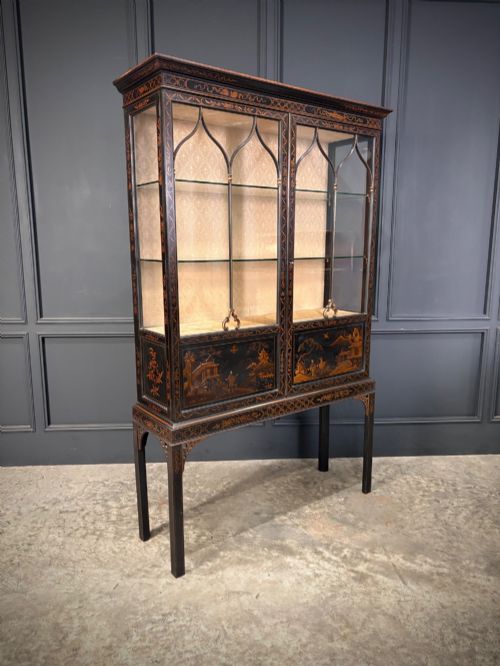
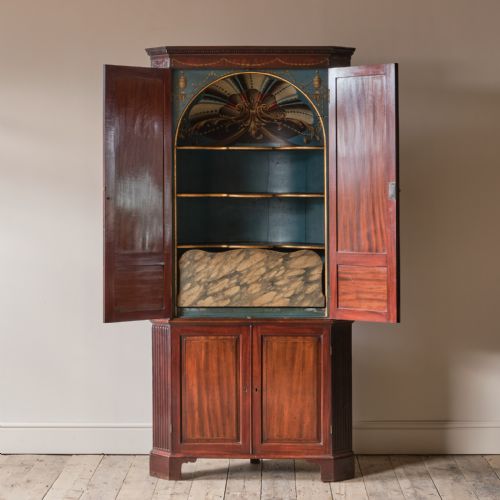
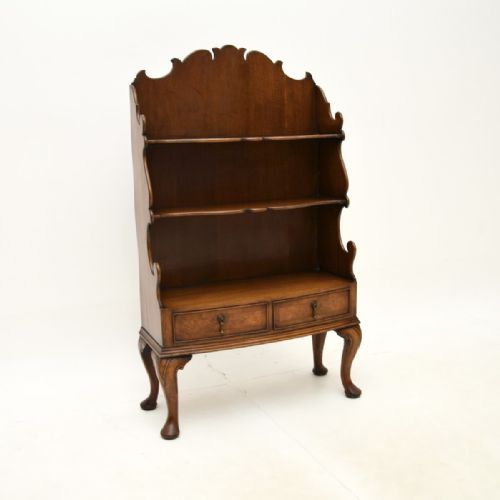
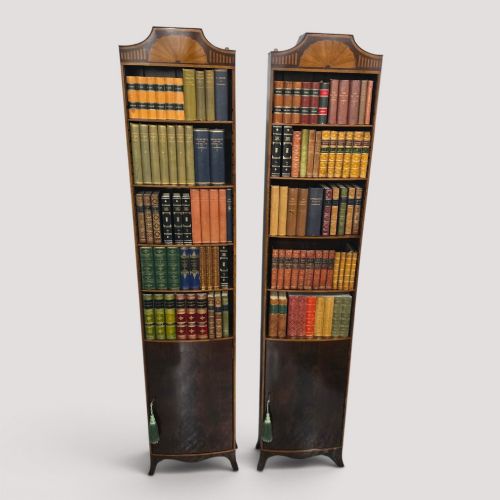
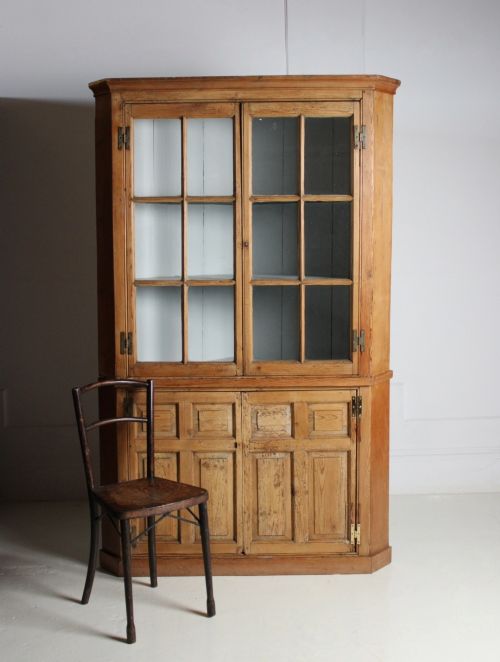
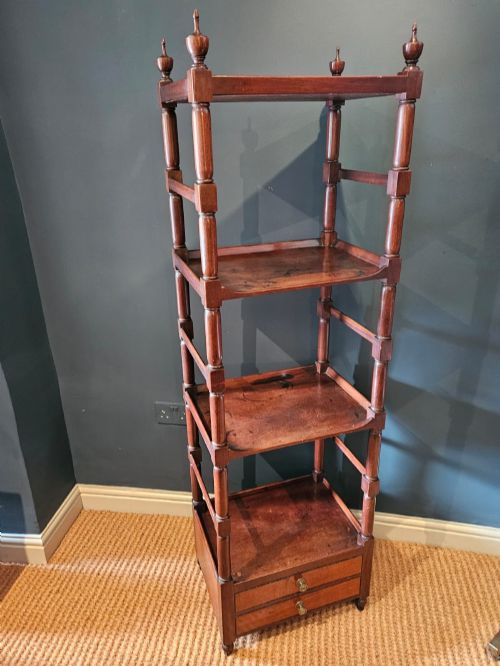
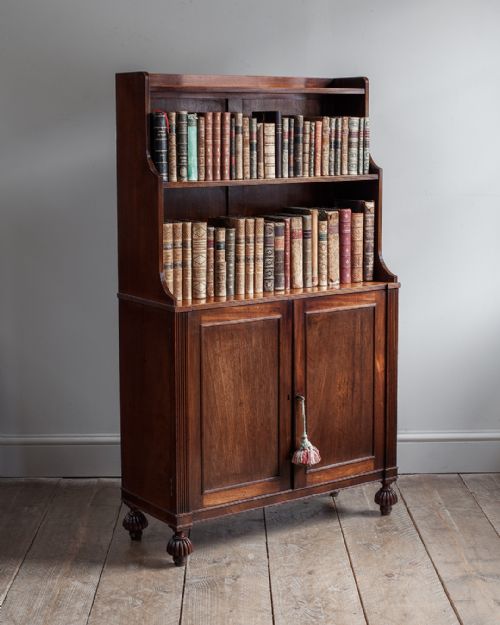
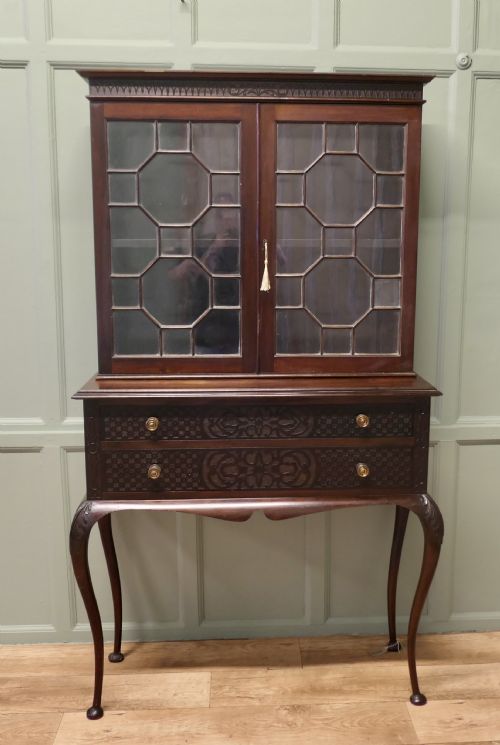
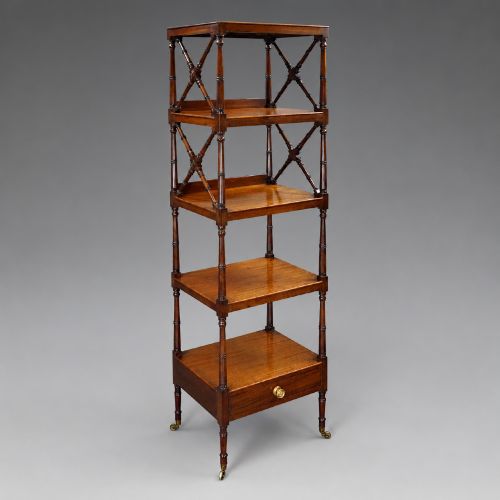
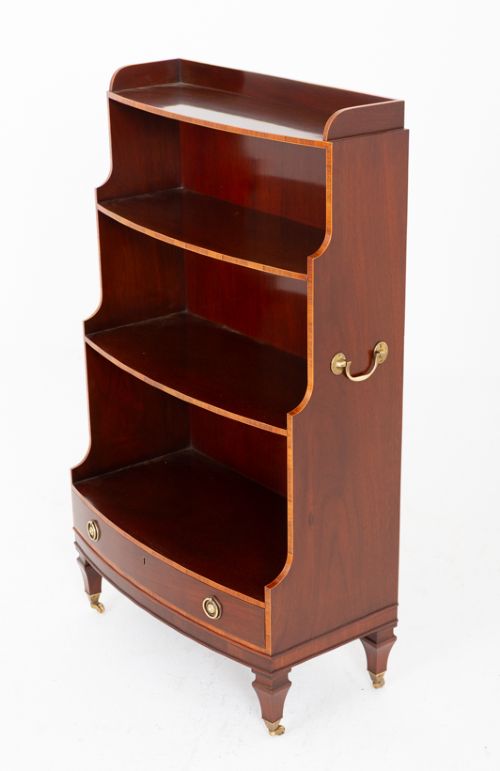
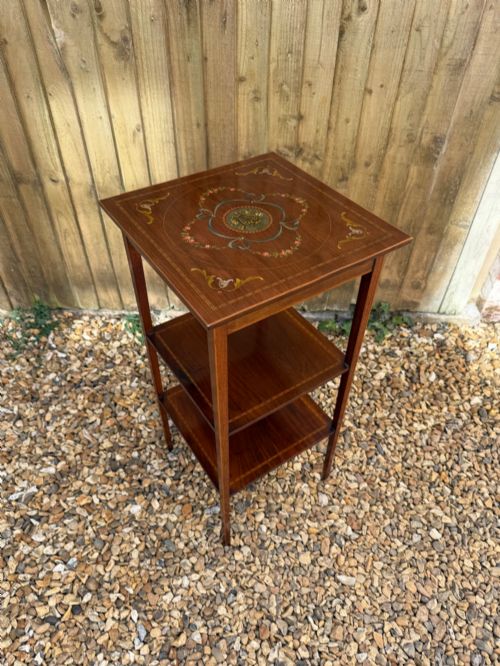
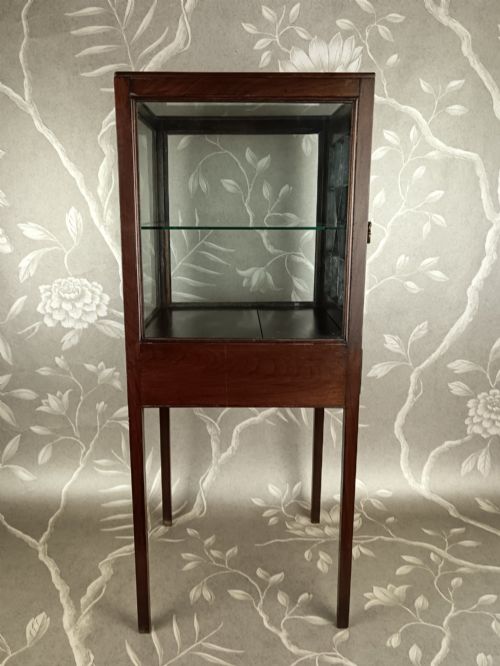
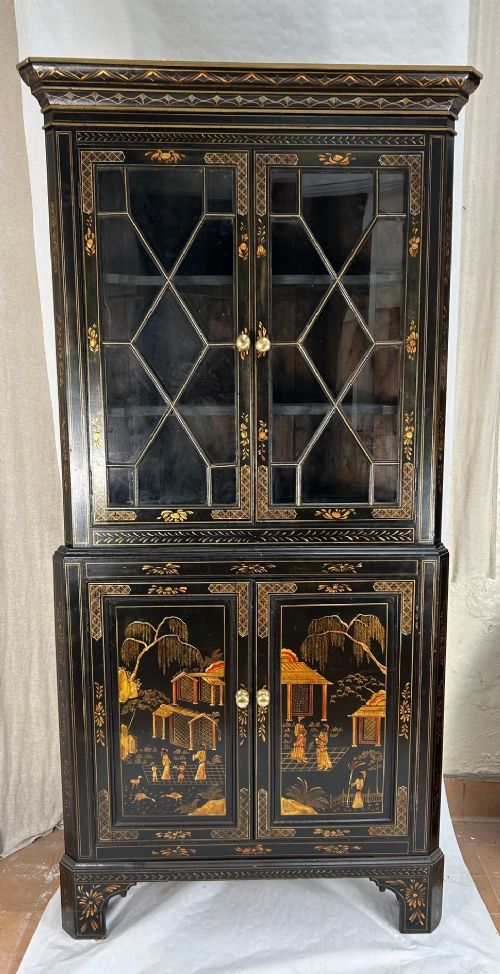
The form stretches across several distinct structural types, with bookcases, corner cabinets, whatnots, etagères, and torcheres populating the selections. You encounter floor-standing corner cupboards, open tier bookcases, and cabinets elevated on stands.
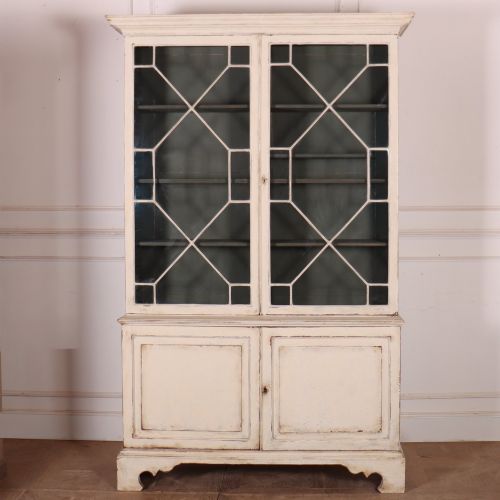
Mahogany predominates among the surviving examples, supported by satinwood, walnut, oak, elm, and painted timber surfaces. Makers often incorporated glazed doors, astragal bars, and tiered shelving to maximise visibility for displayed items.
How they were made
Cabinet makers relied heavily on solid and veneered mahogany, frequently pairing dense hardwoods with secondary timbers like oak or pine for internal framing. Satinwood and harewood appear in finely figured decorative surfaces, complemented by marquetry inlay and lacquered finishes.
Construction techniques involve precise joinery, with dovetail drawers and mortise and tenon frames ensuring long-term stability. Carved wooden details, such as bracket feet, cornices, and pierced fretwork, demonstrate the manual skill applied to these tiered and standing pieces.
Listings feature 18th century, Georgian, Regency, Victorian, Edwardian, and 1920 periods alongside mahogany, brass, glass, satinwood, walnut, and painted timber materials.
What varies in quality
The selection of timber grain and veneer figure dictates much of the visual hierarchy among these pieces, separating standard production from exceptional examples. Dense, well-matched mahogany flames and meticulously cut satinwood marquetry elevate a cabinet's presence.
Structural refinement shows in the crispness of carved details, the slenderness of upright supports, and the precise fit of doors and drawers. Finer items exhibit restrained proportions, balanced tier heights, and original brassware rather than later replacements.
Gillows·Edwards and Roberts
The Georgian Display Stand Glossary
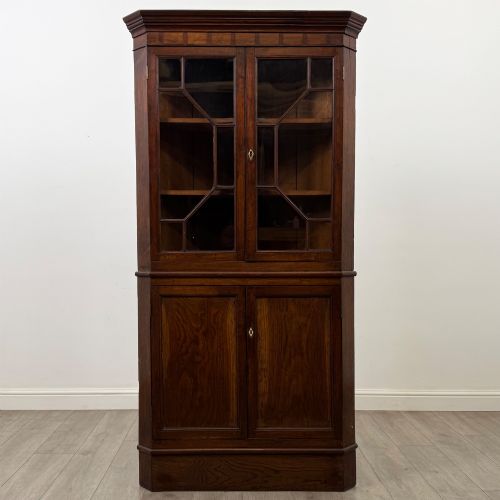
- Astragal glazed
- A method of securing window glass within a cabinet door using wooden mouldings. These bars divide the glass into smaller panes, often forming geometric or Gothic arches.
- Torchere
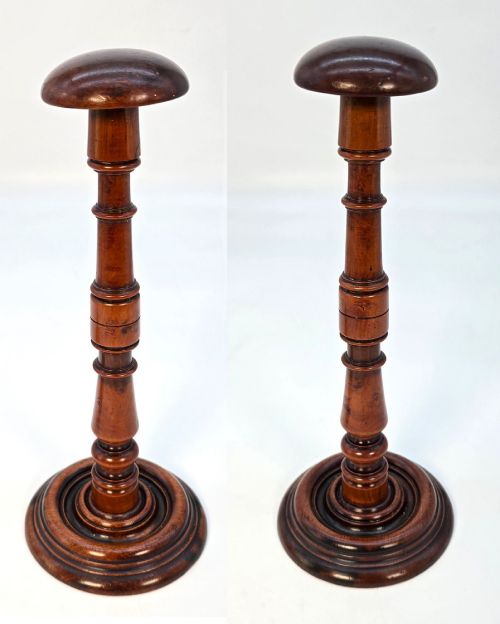
- A tall, slender stand designed to hold a light source, candle, or decorative object. In these listings, they serve as elevated plant stands or display pedestals.
- Étagère
- A French term for a piece of furniture consisting of a set of open shelves for displaying small articles. These share similarities with English what-nots and tiered bookcases.
- Corner cupboard
- A triangular cabinet specifically constructed to fit neatly into the corner of a room. They appear in both hanging wall-mounted formats and floor-standing variations.
Georgian Display Stand: Frequently Asked Questions
What is a whatnot bookcase?
A whatnot bookcase combines open tiered shelving for display with enclosed cupboard storage below. These items emerged to hold books and decorative objects within principal rooms.
Craftsmen built them primarily in mahogany during the Georgian and Regency eras, creating tall silhouettes supported by slender upright pillars.
How do I identify a corner cabinet?
Corner cabinets have angled or curved backs designed to slot directly into room corners. They utilise floor space efficiently while providing storage behind panelled or glazed doors.
Many examples feature standing bases with bracket feet, whilst others sit upon separate table stands or hang directly on walls.
Where were torcheres used?
Torcheres functioned as elevated stands for lighting instruments or decorative ornaments in large reception rooms. Their tall, narrow shafts kept flames or objects safely above floor traffic.
Carpenters shaped them from timbers like mahogany and yew, finishing the tops with circular platforms suited for small decorative pieces.
What defines Chippendale style?
Chippendale style reflects the mid-18th-century design vocabulary associated with cabinet maker Thomas Chippendale. It incorporates classical motifs, carved fretwork, and Chinese-inspired geometric lattice patterns.
Pieces bearing this influence often display superior mahogany carving and refined structural proportions.