


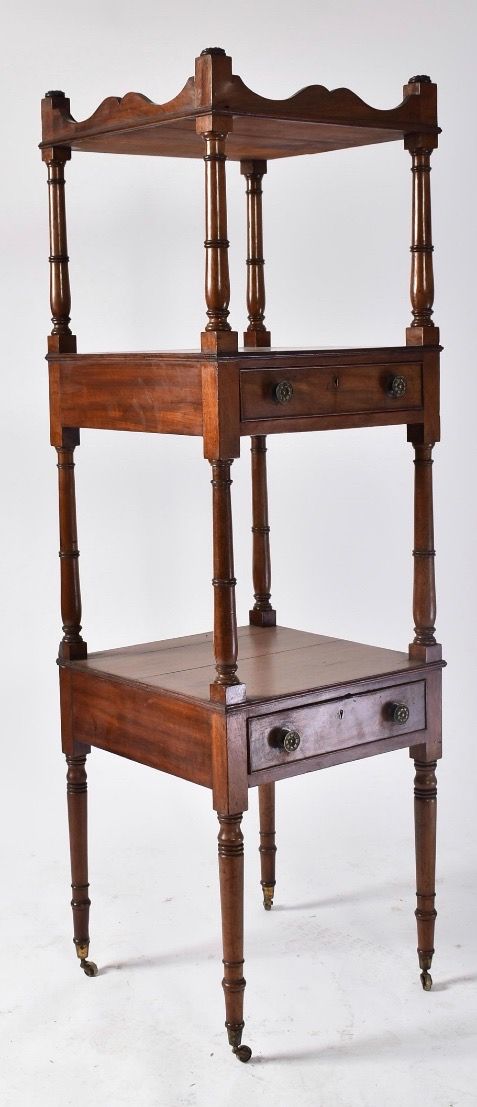


18th Century Open Stand
An 18th century open stand brings timeless Georgian craftsmanship into a room, offering both practical display and period elegance.
18th Century Open Stand
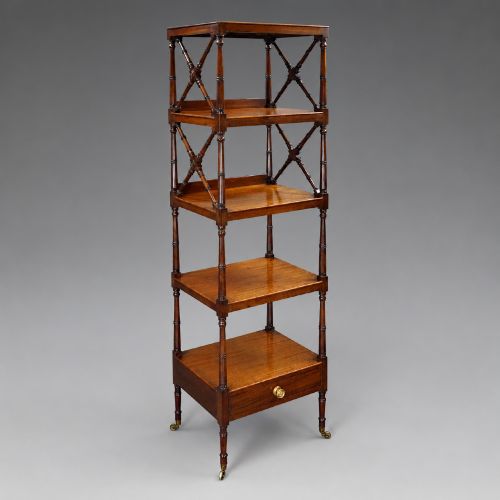
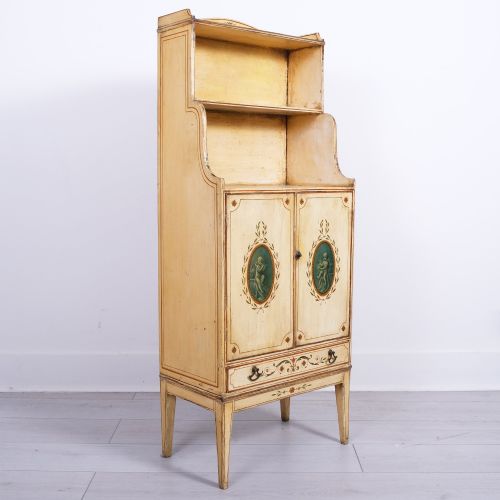
When buyers search for an 18th century open stand, they encounter various forms from the Georgian and George III periods. These items include whatnots, etageres, waterfall bookcases, and open wine coolers.
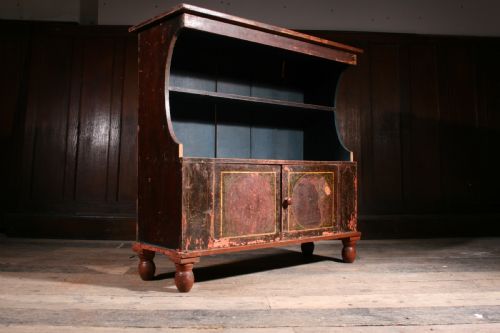
The pieces listed on this page represent typical examples spanning the late eighteenth century. Mahogany predominates among the materials, alongside fruitwood, pine, and painted timber.
Forms vary from tiered whatnots to open wine coolers with brass banding. Each piece displays the distinct characteristics of eighteenth-century cabinetry and joinery.
How they were made
Cabinetmakers of the period relied on solid timbers such as mahogany and fruitwood to construct these open stands. Joinery techniques ensured sturdy frames for tiered etageres and bookcases without relying on enclosed doors.
Surface treatments included original paint finishes and polished mahogany. Metal components like brass mounts and bindings added structural support and decorative contrast to the timber.
Even wine coolers found a second act as indoor planters, proving eighteenth-century drinking vessels make remarkably cheerful homes for ferns.
What varies in quality
Quality in an eighteenth-century open stand rests on the selection of timber and the crispness of the joinery. Finer pieces demonstrate superior attention to proportion and detail in open formats like waterfalls and whatnots.
The survival of original surfaces, whether polished mahogany or early paint, distinguishes better examples. Structural integrity across multiple tiers remains essential for assessing the overall standard of manufacture.
The 18th Century Open Stand Glossary
- George III
- The period spanning the reign of King George III from 1760 to 1820. This era encompasses significant developments in furniture design, including the work associated with Chippendale.
- Etagere
- A piece of furniture with open shelves for displaying small objects or books. Eighteenth-century versions often feature multiple tiers supported by slender uprights.
- Whatnot
- A set of open shelves used for storage or display. These multi-tiered stands became popular during the Georgian period for holding books or decorative items.
- Fruitwood
- Timber sourced from fruit-bearing trees such as pear, apple, or cherry. Cabinetmakers utilised it for specific items requiring fine grain and distinctive colour.
- Brass bound
- Furniture strengthened or decorated with bands of brass. This technique frequently appears on wine coolers and jardinières from the eighteenth century.
18th Century Open Stand: Frequently Asked Questions
What is an 18th century open stand?
An 18th century open stand refers to furniture pieces with open shelving or frames, such as whatnots, etageres, and waterfall bookcases. They provide accessible storage and display surfaces.
Cabinetmakers of the Georgian period constructed these items using timbers like mahogany and fruitwood. Their open designs suit modern interiors just as well as period rooms.
How were open wine coolers used?
Open wine coolers held bottles and ice during dining in the eighteenth century. Their brass-bound wooden construction contained liquids safely while serving guests.
Today, buyers frequently utilise these brass-bound stands as planters or jardinières. Their robust construction allows them to serve decorative functions in living spaces.
How do I identify a George III piece?
George III pieces date from the second half of the eighteenth century up to 1820. They often feature mahogany timber and refined proportions typical of the era.
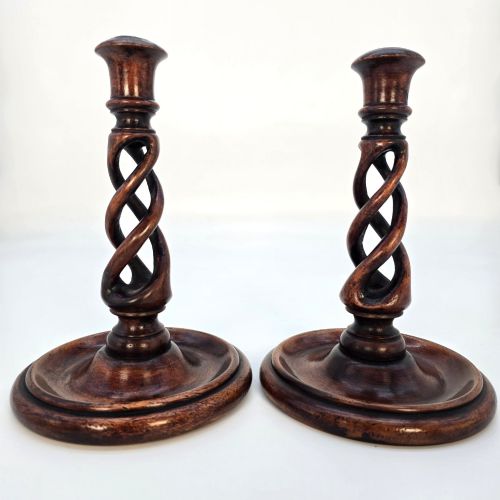
Details such as open twist turnings or specific shelf configurations help date these items accurately. Comparing construction methods with documented examples aids identification.
Where should I place an etagere?
An etagere fits well in studies, living rooms, or hallways where open display space is useful. Its multiple tiers accommodate books, ceramics, or small collections.
Positioning the stand away from direct heat sources protects the antique timber. The open format allows light to pass through, keeping rooms feeling spacious.