
Georgian Dark Wood Desk
A georgian dark wood desk brings working functionality and rich timber grain into a room, spanning bureau forms and writing tables from the eighteenth and nineteenth centuries.
Georgian Dark Wood Desk
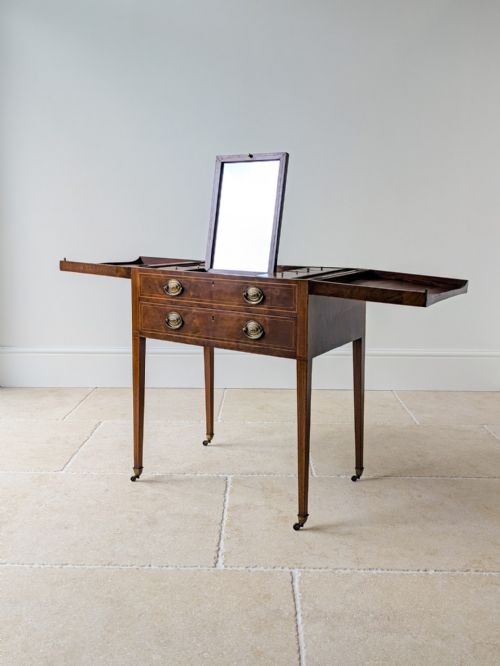
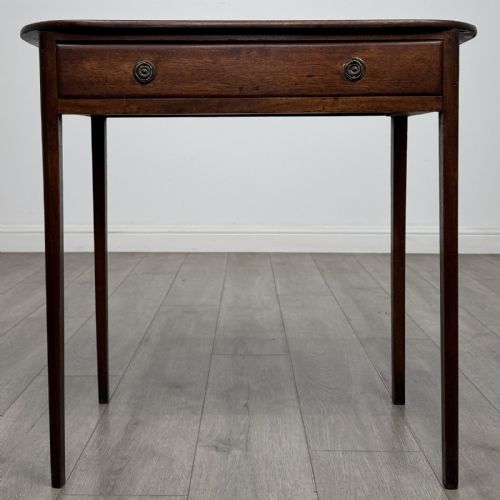
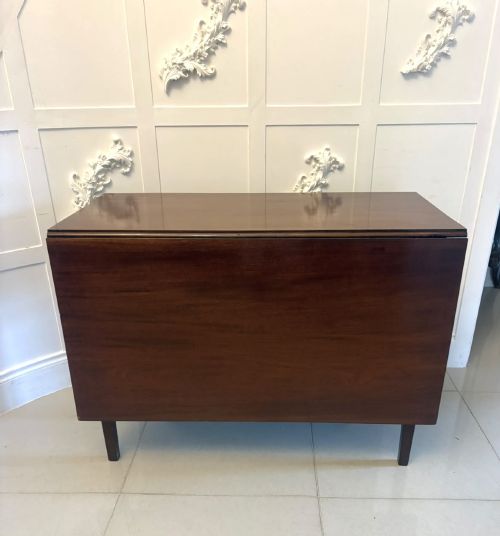
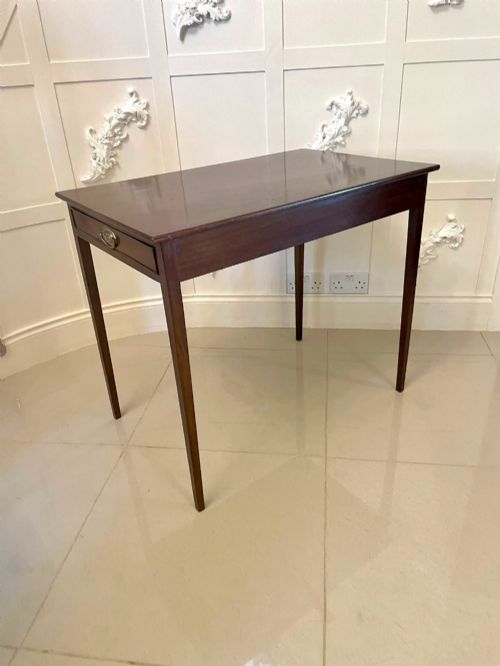
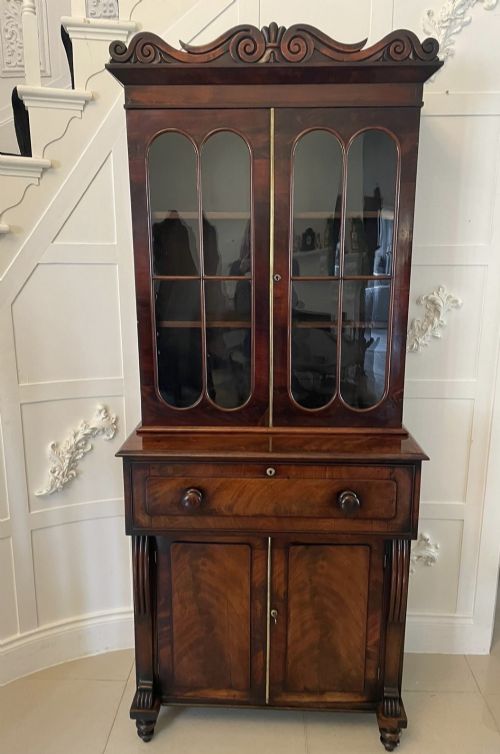
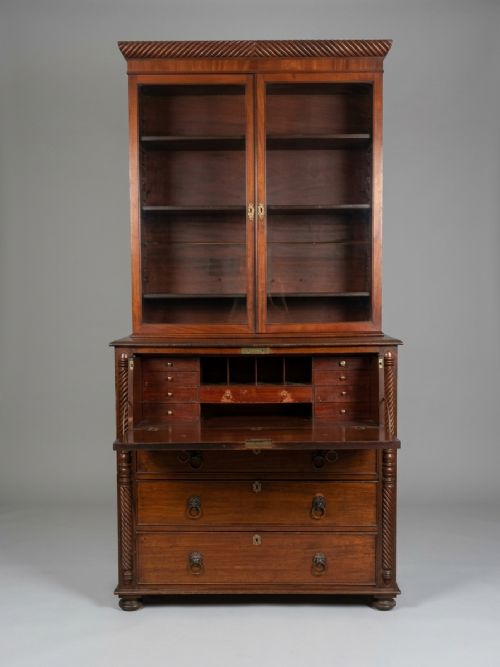
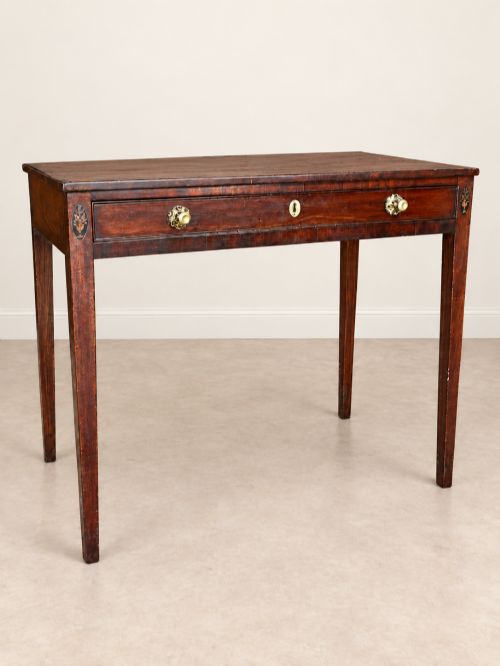
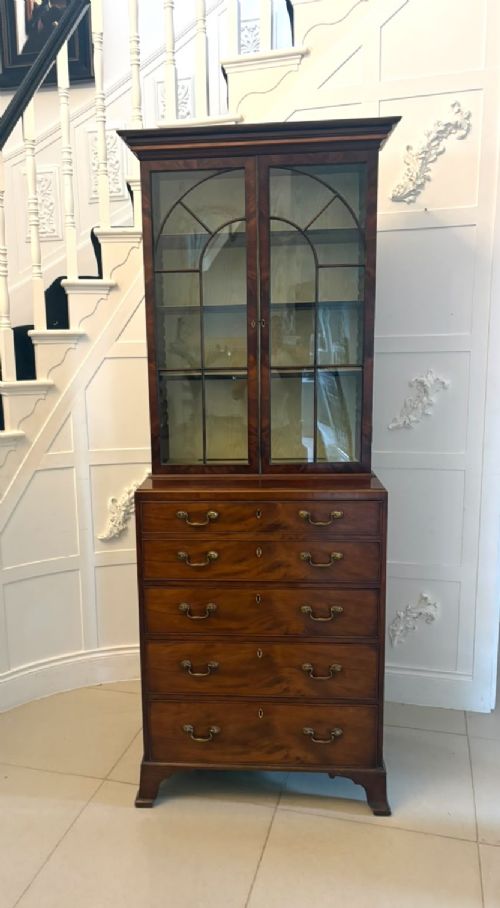
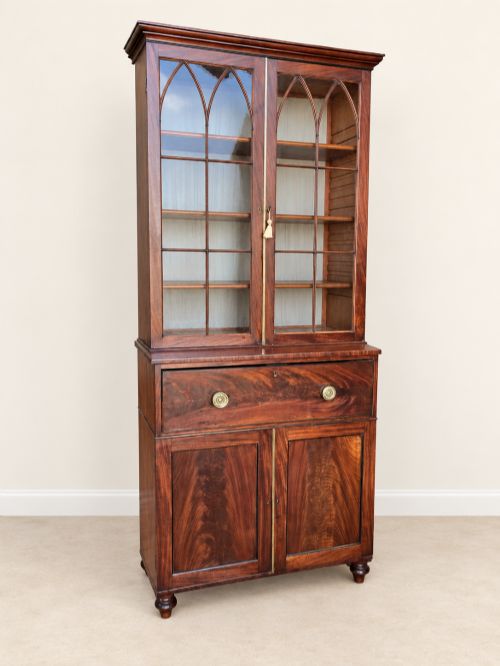
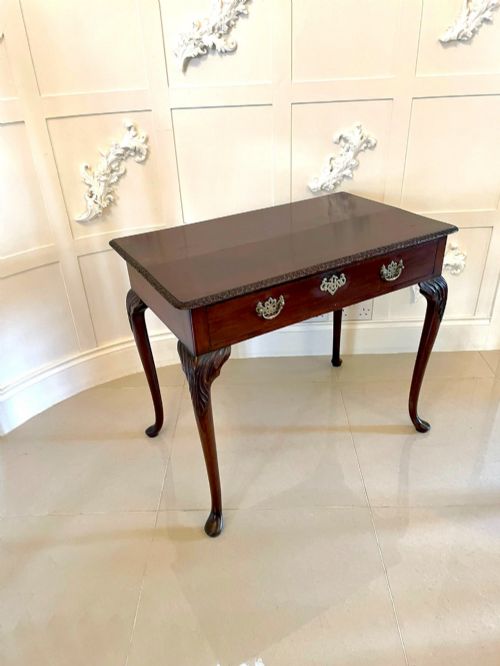
A georgian dark wood desk encompasses practical writing furniture produced during the Georgian, Regency, and nineteenth-century periods, utilising dense native and imported timbers. Buyers searching this phrase encounter fall-front bureau desks featuring fitted internal compartments, alongside writing tables and secretaire bookcases designed for domestic administration.
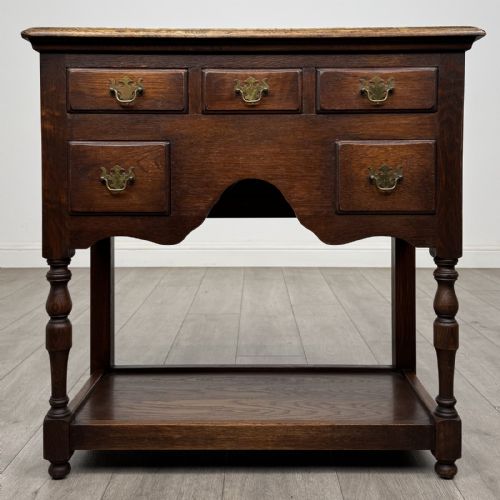
The selection ranges from oak bureau forms with hidden wells to figured mahogany secretaire bookcases and freestanding writing tables. Pieces span the George III era through to later nineteenth-century interpretations, offering sturdy construction intended for daily clerical use.
What varies in quality
Quality rests in the selection of timber veneers and solid boards, where highly figured mahogany or dense rosewood elevates the visual presence of a desk. Superior examples display precise dovetailing, intact internal fitted compartments with functional hidden wells, and balanced proportions across the writing surface and base.
The integrity of secondary timbers and the original state of bracket feet or turned legs distinguish finer workshop output from simpler utilitarian pieces. Detail work, such as fine inlay or astragal glazing bars on associated bookcases, separates standard regional furniture from high-grade cabinetmaking.
Secret compartments and hidden wells in Georgian bureau desks give modern owners a place to misplace their spare keys.
Gillows
The Georgian Dark Wood Desk Glossary
- Bureau
- A sloping front desk enclosing a fitted interior of small drawers and pigeonholes. This form often stands on bracket feet or straight legs.
- Secretaire bookcase
- A tall cabinet combining a upper bookcase section with a pull-out writing drawer or fall-front desk compartment below. These units frequently feature glazed doors.
- Bracket feet
- Corner supports shaped like small brackets, commonly seen on eighteenth-century case furniture such as bureaus and chests. They lift the main body slightly off the floor.
- Figured mahogany
- Timber cut to reveal distinctive decorative grain patterns like flame or curl. Cabinetmakers selected these boards for prominent exterior surfaces.
- Writing table
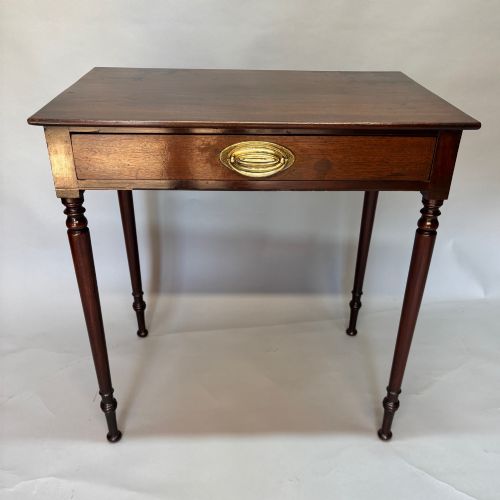
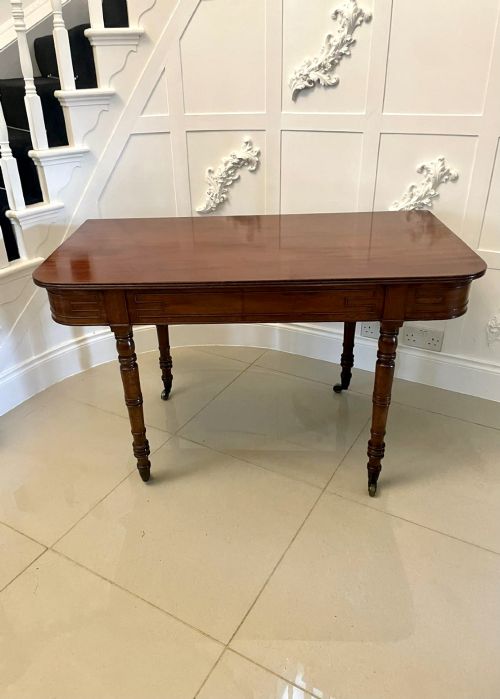
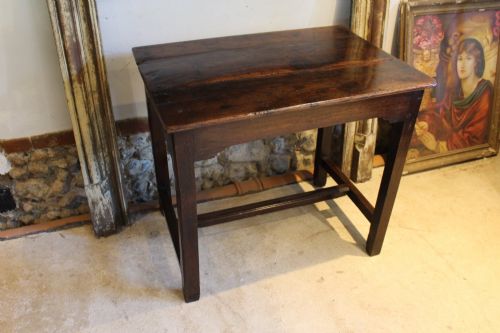
- A freestanding table designed primarily for correspondence, typically fitted with one or more drawers beneath the top. They differ from bureau desks by having fixed writing surfaces rather than folding flaps.
Georgian Dark Wood Desk: Frequently Asked Questions
What is a secretaire bookcase?
A secretaire bookcase combines a shelved upper cabinet with a lower section featuring a pull-out desk drawer or fall-front writing flap. This dual purpose design allowed owners to store a library while maintaining a dedicated writing space.
These pieces typically date from the Georgian and Regency periods, utilising figured mahogany or rosewood veneers. They offer substantial storage and workspace within a single tall cabinet.
What woods were used for these desks?
Cabinetmakers relied heavily on mahogany as the primary timber for high-grade desks throughout the Georgian and Regency eras. Oak and yew appeared frequently in country pieces and earlier eighteenth-century forms.
Rosewood and gonçalo Alves were utilised for finer tropical hardwood examples during the nineteenth century. Secondary timbers such as pine or oak were used internally for drawer construction.
Where should I place a writing table?
Freestanding writing tables and sofa tables are finished on all sides, allowing them to sit away from walls in the centre of a room. This placement highlights the finished timber backs and polished surfaces.
Ensure the height accommodates standard seating and position the desk near natural light sources. Pairing the table with a matching armchair or carver seat completes the arrangement.