
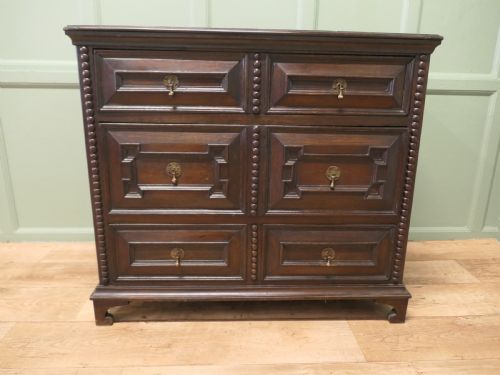
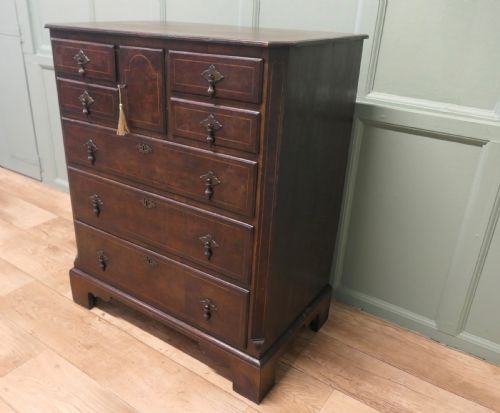
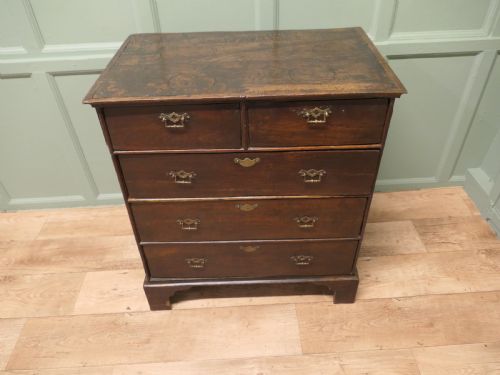
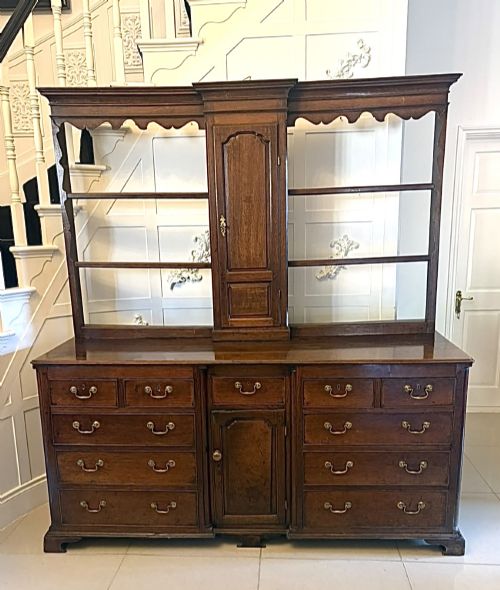
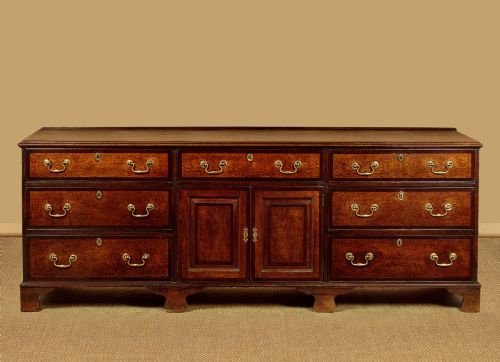
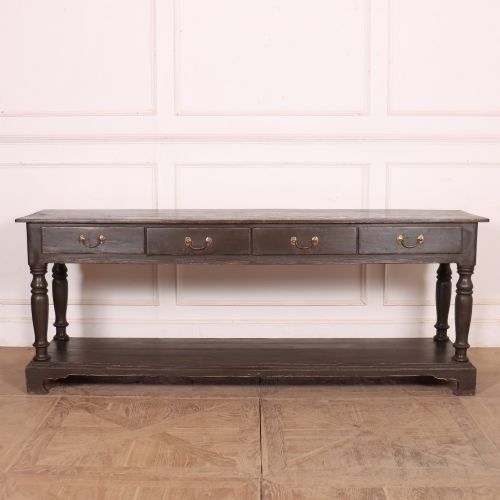
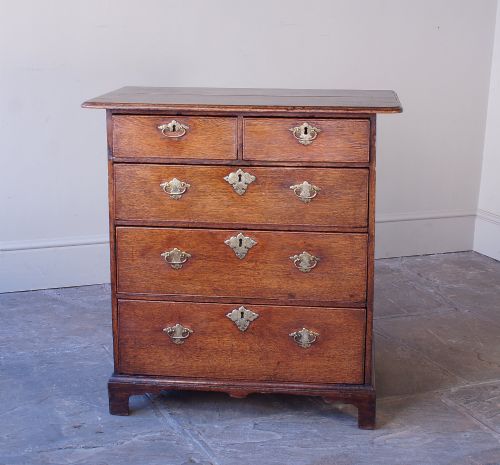
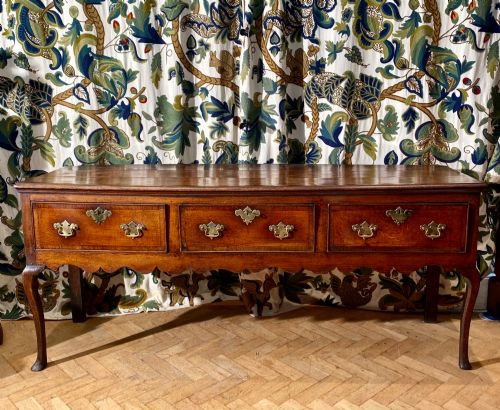
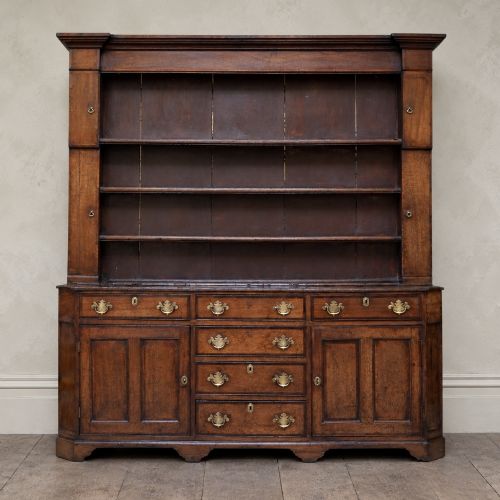
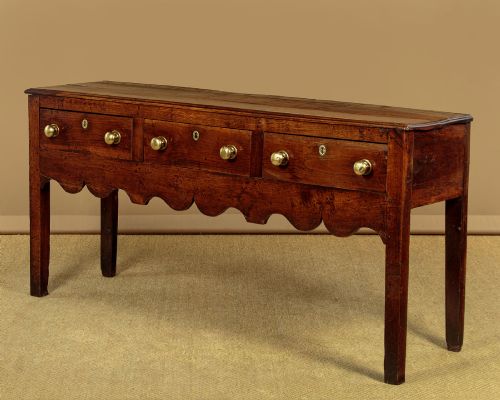
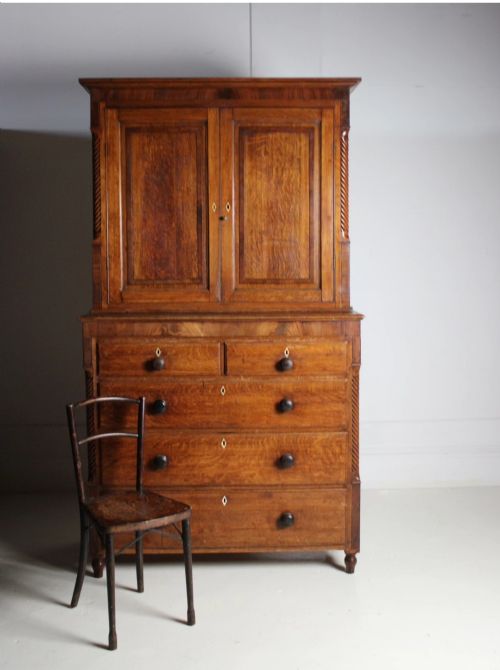
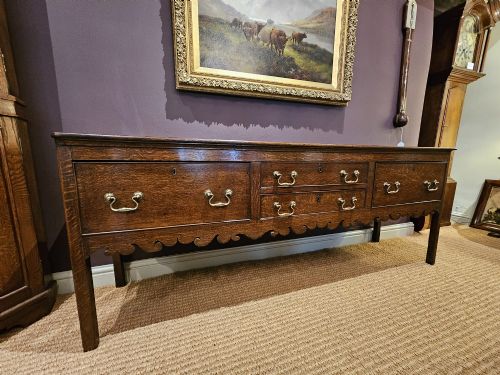
Georgian Dark Oak Dresser
A georgian dark oak dresser anchors a room with deep timber grain and practical display, offering generations of utilitarian service and vernacular charm.
Georgian Dark Oak Dresser
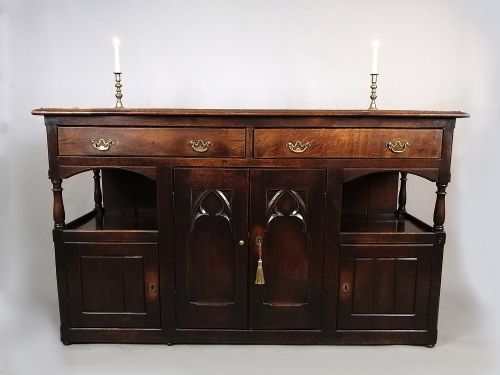
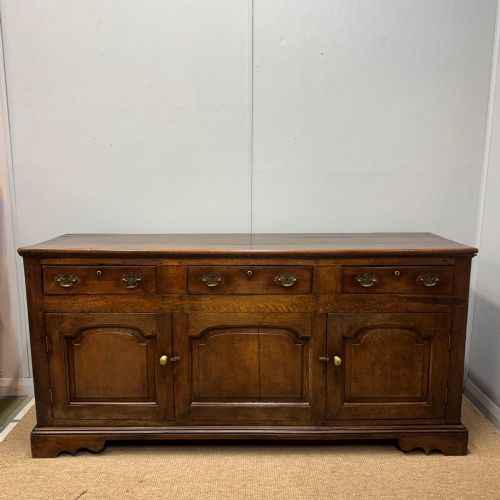
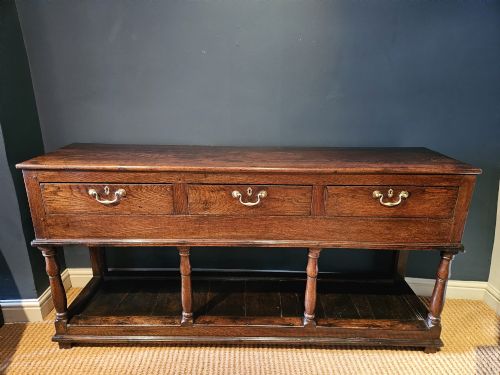
A georgian dark oak dresser comprises a heavy timber base fitted with drawers and cupboards, often surmounted by a plate rack for displaying ceramics and pewter.
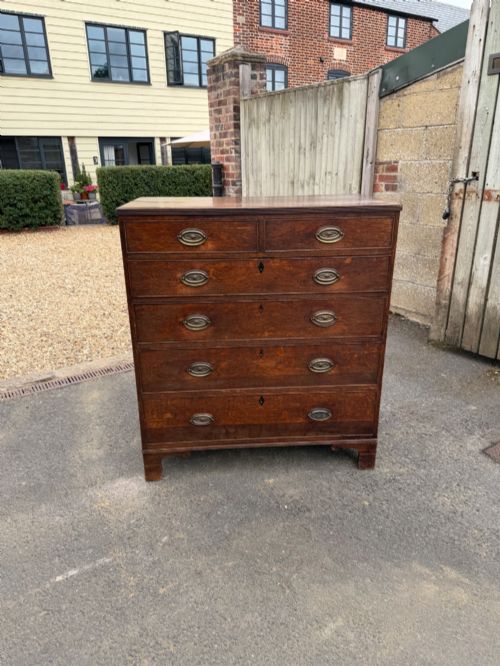
The pieces on this page span the eighteenth and nineteenth centuries, alongside later revival interpretations, taking forms such as potboard bases, housekeeper's cupboards, and vernacular Welsh pieces.
Makers working within English country traditions constructed these items primarily for domestic storage and display in farmhouse kitchens and provincial dining rooms.
How they were made
Joiners built these items using solid oak timbers, frequently supplemented with fruitwood inlay, mahogany crossbanding, and secondary woods for drawer linings and backboards.
Construction relied heavily on traditional pegged mortise and tenon joints, hand-cut dovetails for the drawers, and boarded backs secured with wrought iron or brass hardware.
Surfaces finished with natural waxes and oils developed a deep patination over centuries of daily handling and domestic exposure.
Listings feature periods spanning from the eighteenth century through to Edwardian and later revival interpretations, constructed primarily in solid oak with brass and iron hardware.
What varies in quality
The visual strength of a piece depends on the depth of the timber's patina and the integrity of its original surface finish, which separates honest country furniture from heavily restored examples.
Structural distinction lies in the proportion of the base to the rack, the crispness of any carved or geometric mouldings, and the survival of original brass or iron hardware.
The Georgian Dark Oak Dresser Glossary
- Potboard
- An open lower shelf beneath a dresser base designed for storing pots and pans off the damp floor. It is a defining feature of many regional English and Welsh pieces.
- Welsh dresser
- A traditional form featuring an integrated plate rack above the main counter or base. These examples often incorporate raised panel doors and distinct regional timber choices.
- Crossbanding
- A decorative border technique where thin strips of veneer, such as mahogany, are laid across the grain of the primary oak carcase. This adds subtle contrast to drawer fronts and tabletops.
- Cwpwrdd tridarn
- A traditional Welsh three-tier press cupboard providing enclosed storage in stages. These imposing items represent some of the most ambitious vernacular joinery of the period.
- Delft rack
- An open shelving superstructure attached to the top of a dresser base, specifically designed to display plates and platters upright. The term references the popularity of imported delftware ceramics.
Georgian Dark Oak Dresser: Frequently Asked Questions
How do I clean a dark oak surface?
Dust the timber regularly with a dry, soft cloth to prevent grit accumulation in the grain.
Apply a traditional beeswax polish sparingly once or twice a year to nourish the wood and maintain its natural lustre.
Can these dressers support heavy dinnerware?
Solid oak construction provides exceptional structural strength capable of holding heavy ceramic plates and pewter collections.
Ensure the wall fixings for any attached rack remain secure to prevent tipping under weight.
Where were most of these dressers made?
Regional workshops across England and Wales produced these items using locally felled timber.
Rural provinces favoured practical vernacular designs suited to farmhouse and cottage interiors rather than urban formality.
How do I distinguish eighteenth-century pieces from later revivals?
Examine the construction methods inside the drawers and along the backboards for hand-cut joinery marks and tool inconsistencies.
Twentieth-century revival items often display uniform machine milling and lack the organic wear patterns developed over generations of use.