

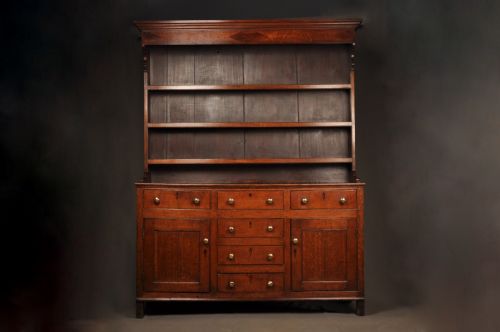

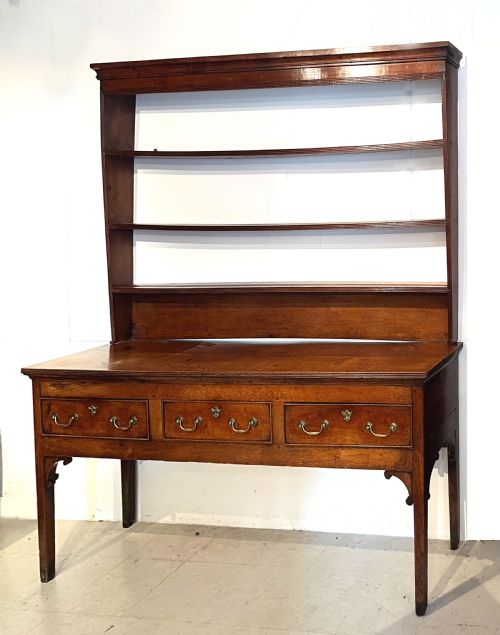
18th Century Kitchen Dresser
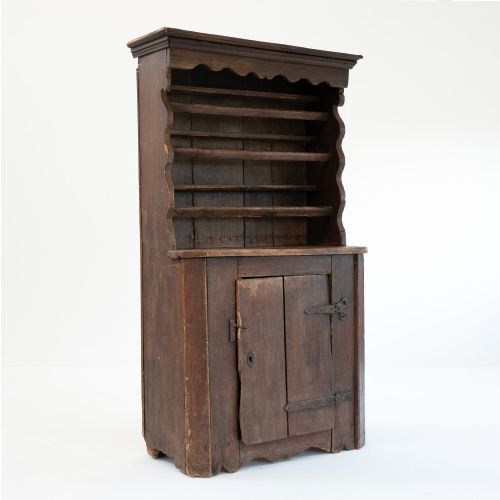
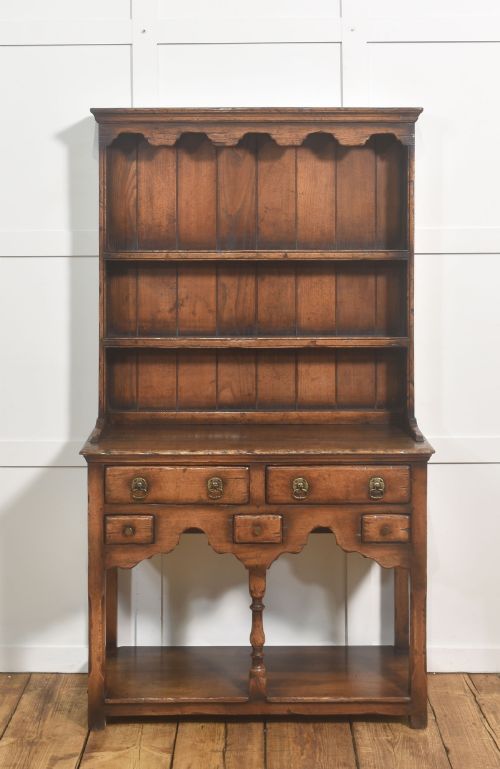
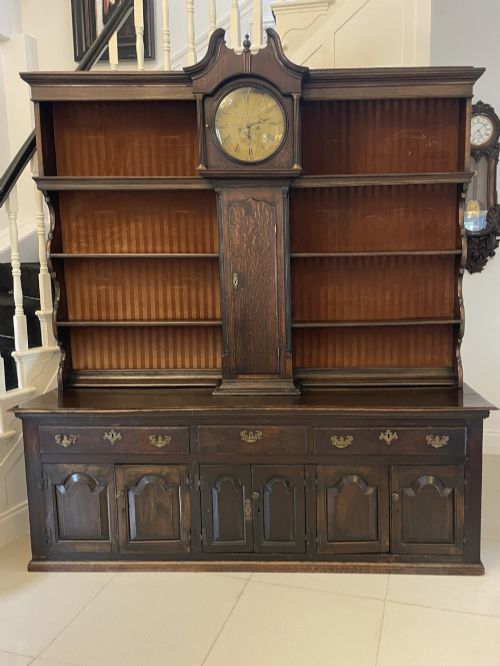
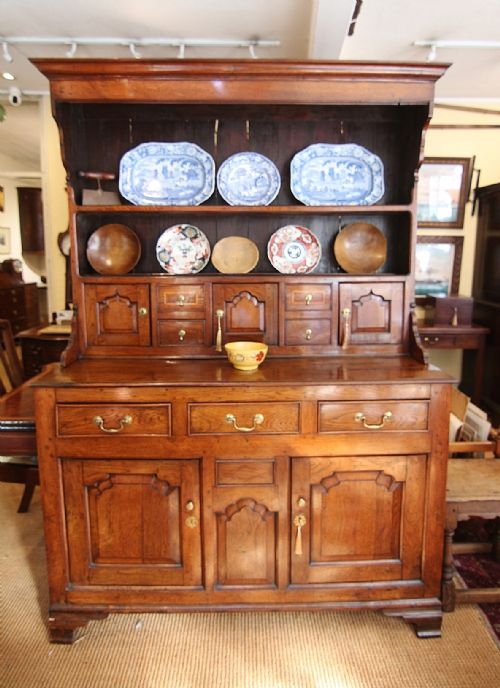
An 18th century kitchen dresser brings substance to a room, offering broad timber surfaces and deep plate racks built for daily utility.
18th Century Kitchen Dresser
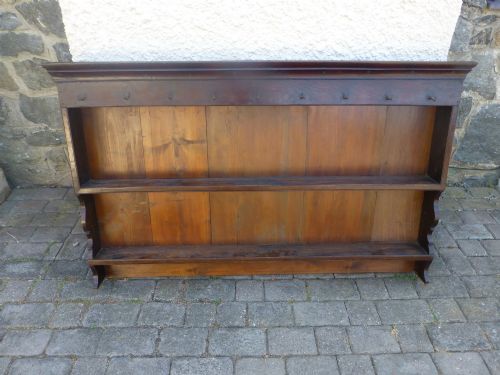
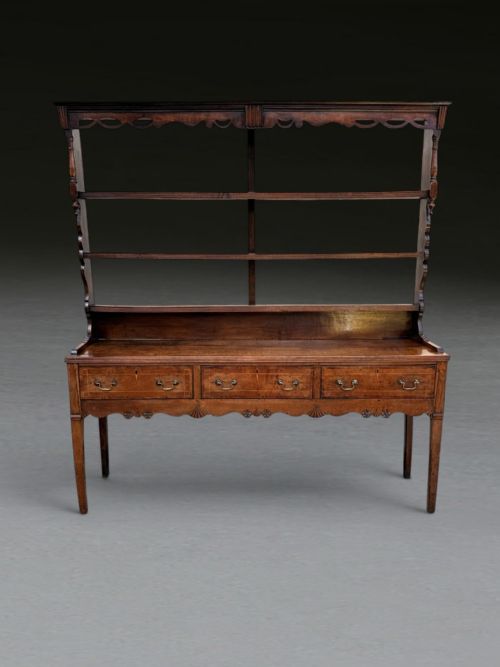
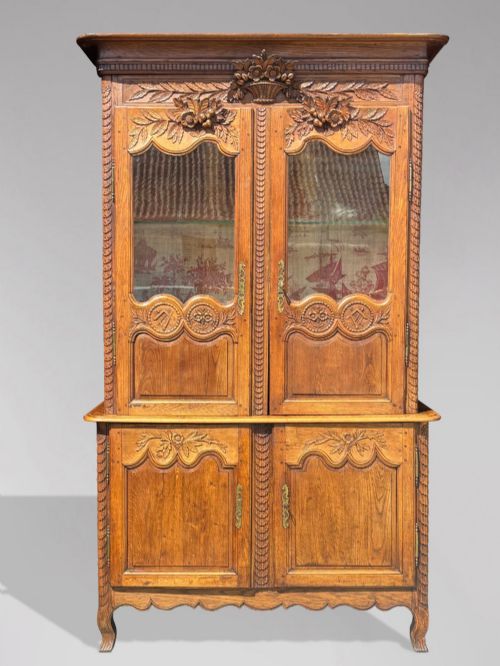
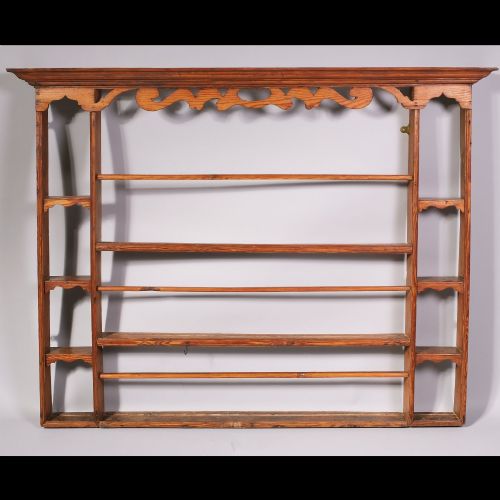
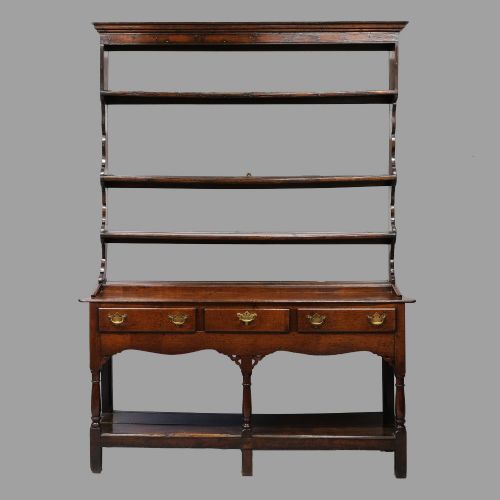
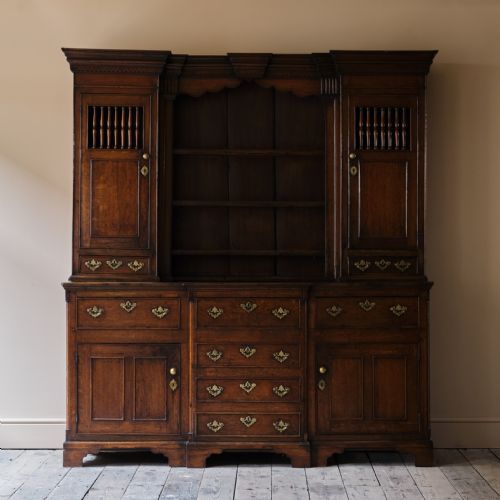
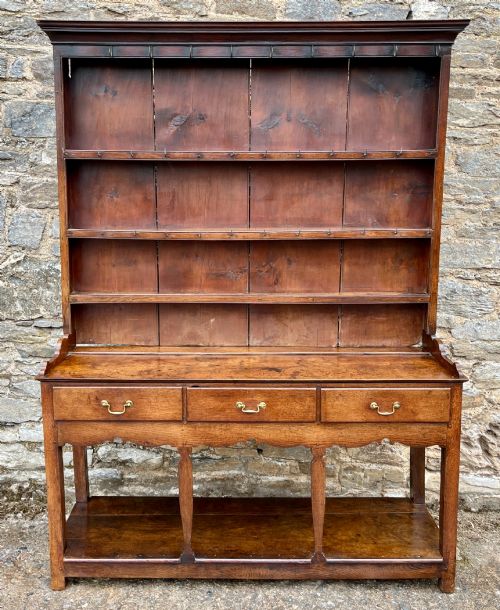
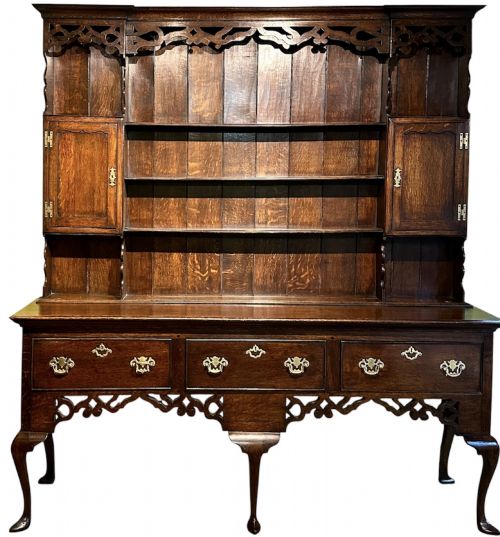
When you search for an 18th century kitchen dresser, you encounter heavy timber furniture designed for storing and displaying household provisions and tableware. The examples gathered here span regional British and European traditions, incorporating both open potboard bases and towering plate racks.
You meet pieces originating from Welsh, English, and French workshops, showing styles from simple vernacular forms to formal George III designs. Many retain their original upper shelves, while others survive as standalone dresser bases intended for serving.
The domestic role of these forms required sturdy construction to support heavy earthenware and pewter. Regional variations distinguish the proportions, from the low potboard styles of English counties to the substantial enclosed cupboards common in French provincial pieces.
How They Were Made
Carpenters constructed these items primarily from native timbers like oak, pine, ash, and chestnut, selected for strength and local availability. Panels were hand-planed and joined using pegged mortise and tenon construction, allowing the timber to expand and contract naturally.
Hardware such as drop handles, escutcheons, and hinges were fashioned from brass and iron by local blacksmiths. Inlays of contrasting woods occasionally decorate the drawer fronts and cornices of higher-status regional variants.
Bread and cheese cupboards built into regional Welsh dressers kept dairy cool and safe from wandering farm cats.
What Varies in Quality
The integrity of the timber and the retention of original surfaces govern the standing of a piece. Examples that keep their untouched patination and original plate racks hold greater visual coherence than those assembled from mismatched parts.
Proportion and regional detail separate standard utility items from exceptional workshop output. Refined mouldings, drawer construction using hand-cut dovetails, and integrated potboards demonstrate superior joinery.
The 18th Century Kitchen Dresser Glossary
- Potboard
- An open slatted lower shelf positioned just above the floor between the legs of a dresser base. Originally designed for storing heavy pots and pans.
- Delft rack
- A set of open wall-mounted shelves used for displaying plates and dishes upright. These structures often feature grooved ledges to keep ceramics from sliding.
- Buffet deux corps
- A tall two-part cabinet consisting of a lower sideboard supporting an upper enclosed cupboard section. This form appears frequently in French provincial furniture.
- Belly rack
- A regional Welsh dresser variant featuring a pronounced convex or bulging lower cupboard configuration. This design maximises interior storage capacity beneath the work surface.
- Vernacular style
- Furniture built by local tradesmen to suit regional domestic needs rather than following strict metropolitan pattern books. These pieces reflect traditional local craftsmanship and materials.
18th Century Kitchen Dresser: Frequently Asked Questions
How do I identify a genuine period dresser?
Examine the timber surfaces for tool marks, hand-cut joinery, and natural wear patterns consistent with age. Pegged joints and hand-dovetailed drawers indicate traditional construction methods.
Check whether the upper rack appears to have belonged to the base from the beginning by looking at timber species, colour, and weathering alignment.
Can I use a dresser in a modern kitchen?
These pieces provide substantial storage and display space that functions well for everyday tableware and cookware. Their deep surfaces offer practical utility as sideboards or serving stations.
Ensure the room has adequate wall space and ceiling height to accommodate the proportions of a combined base and rack unit.
What woods were used in 18th century dressers?
Oak served as the primary structural timber across most British regional workshops due to its durability and abundance. Pine and ash frequently appeared in secondary areas like drawer linings and backboards.
French and continental examples occasionally employ chestnut or fruitwoods depending on regional availability and local cabinetmaking traditions.