

Georgian Crystal Vessel
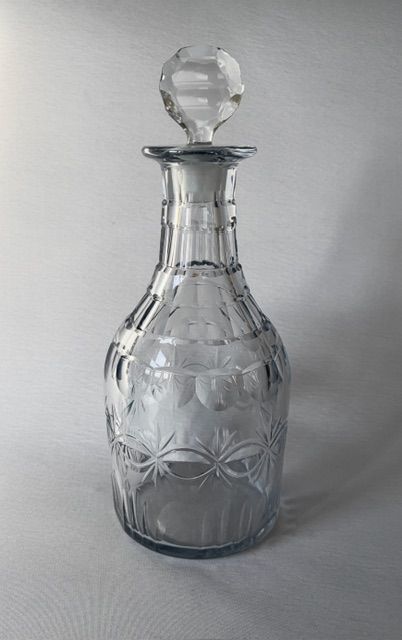
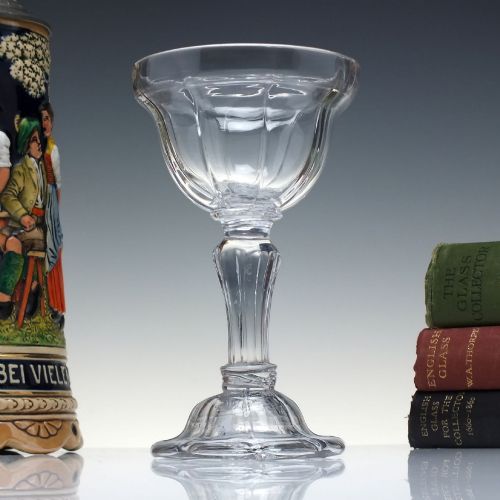
These georgian crystal vessel items comprise lead glass decanters, stemware, rummers, and bowls spanning the eighteenth and nineteenth centuries, collected for their historic material and tactile weight.
Georgian Crystal Vessel
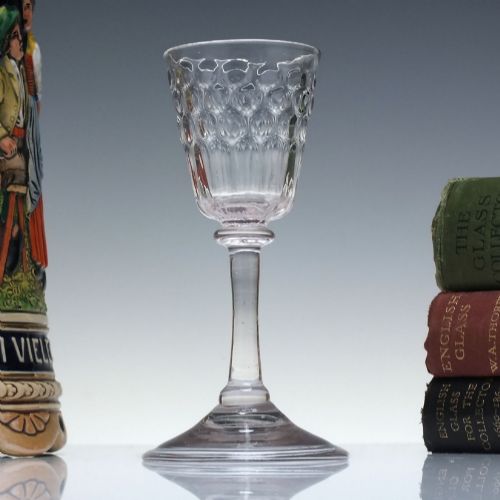
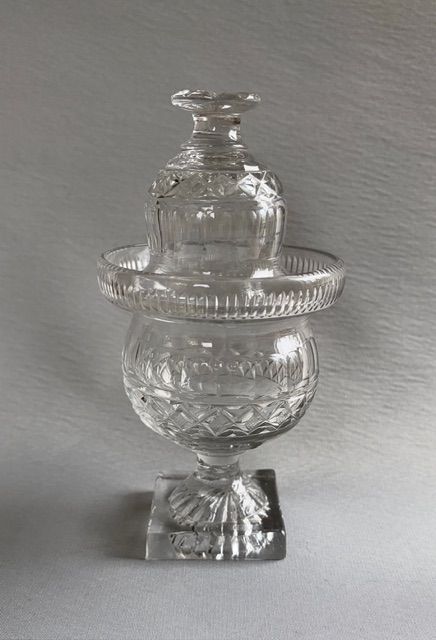
A georgian crystal vessel encompasses clear lead glass tableware and drinkware, ranging from decanters and carafes to specialised stemware like wine glasses, ale glasses, and sweetmeat glasses. Buyers searching this phrase look for functional glass objects shaped by eighteenth and early nineteenth century manufacturing methods.
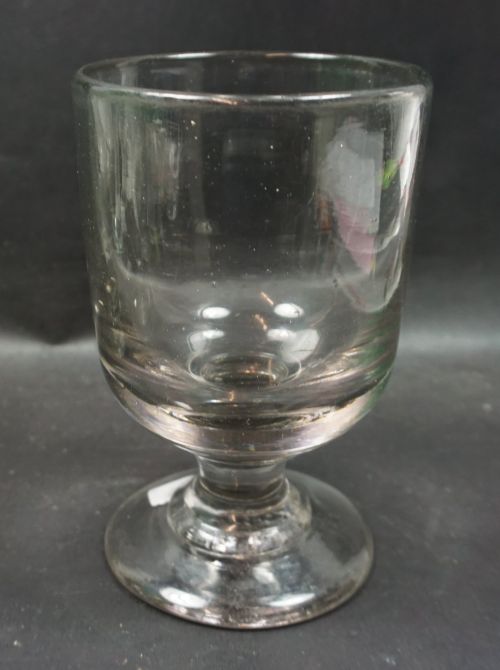
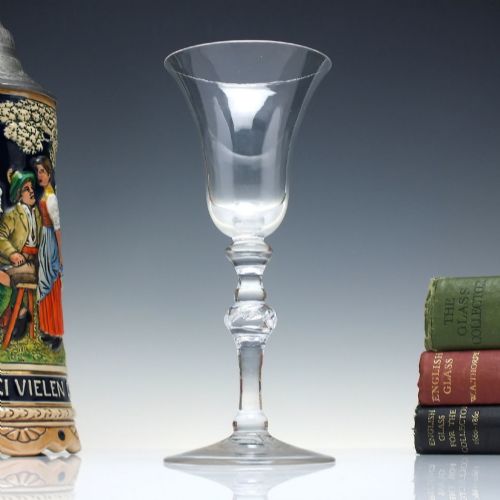
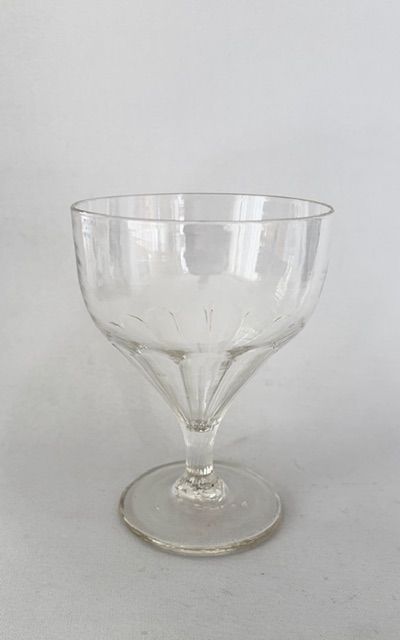
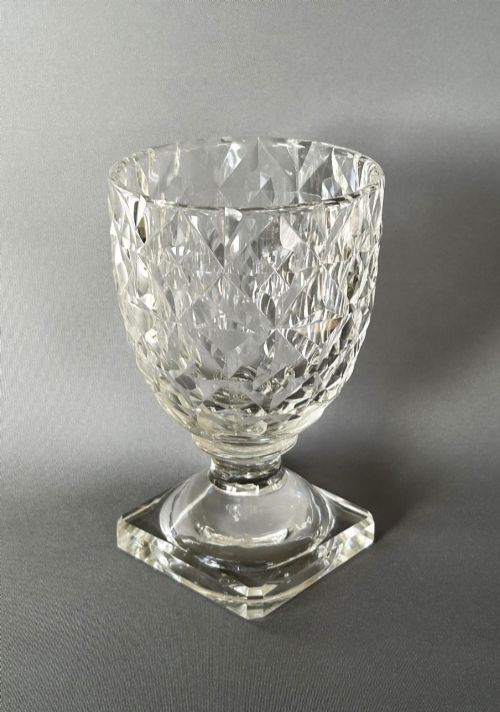
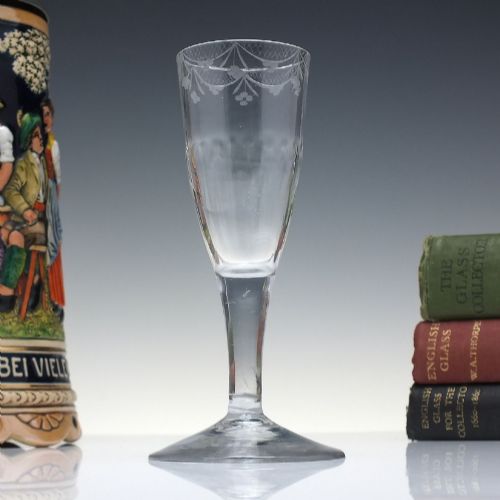
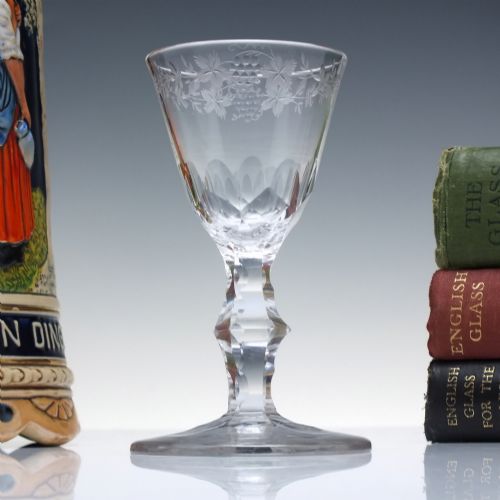
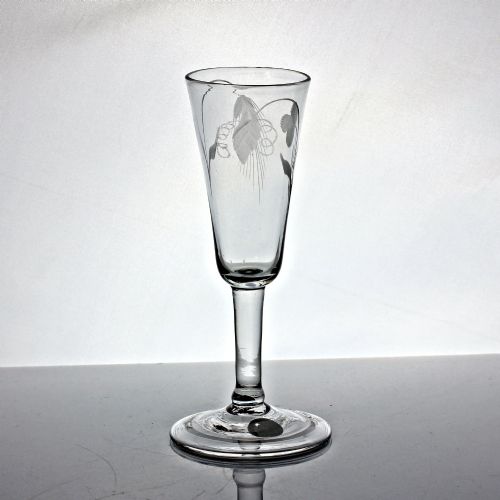
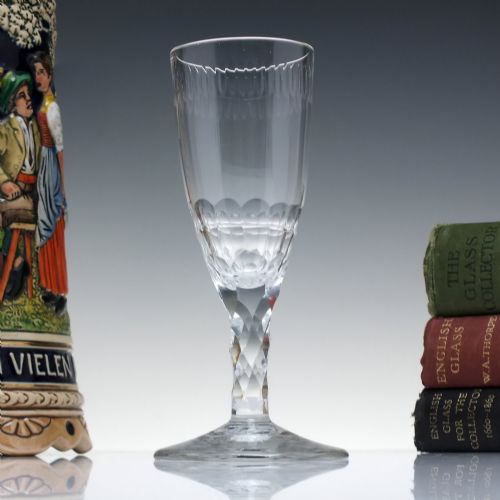
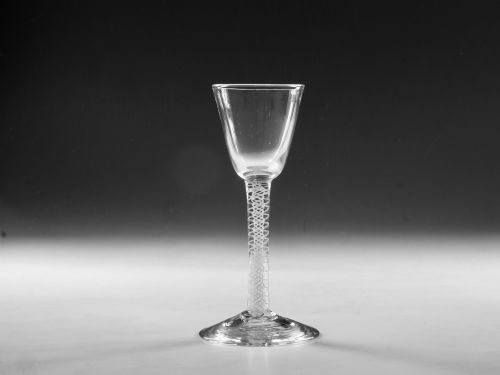
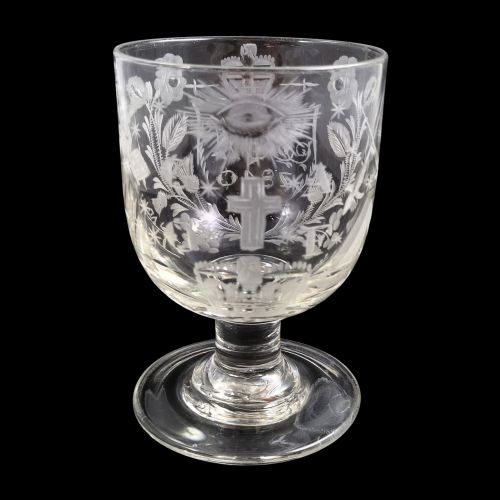
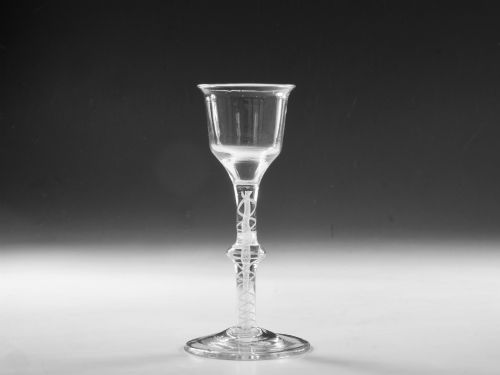
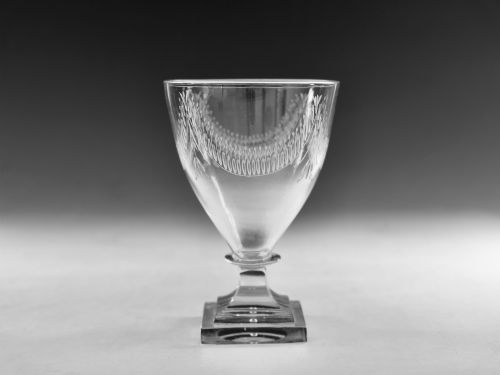
The objects seen most frequently on this page include wine glasses with twisted or baluster stems, heavy drinking rummers, and cut glass decanters or bowls. These forms reflect the dining and drinking habits of the Georgian, Regency, and early Victorian periods.
The geographical origins stretch across England, Ireland, and continental Europe, evidenced by specific regional styles such as North-East English rummers or Liege balustroid vessels. Each piece demonstrates the domestic glass production methods typical of these eras.
Materials and production techniques
Production relies heavily on lead glass and lead crystal, which provides the heavy weight, brilliant clarity, and deep resonance characteristic of these vessels. Artisans shaped the molten metal through free-blowing, mould-blowing, or pressing into forms.
Decoration was achieved through multiple specialised techniques, including wheel-cutting to create facets or geometric patterns, and diamond-point or wheel engraving for floral motifs like hop and barley. Stemware often incorporated internal air twists or opaque white glass twists created during the pulling of the stem.
Georgian Crystal Vessel Retail Price Guide 2026
Typical asking prices for georgian crystal vessel among the pieces listed under this phrase on Sellingantiques today, from the lower quarter to the upper quarter. They describe what is for sale here now, not the wider market.
Recorded forms span across functional categories including decanters, ale glasses, celery vases, tea mixing bowls, and feeding cups.
Distinctions in quality and execution
Quality separates through the purity of the metal and the crispness of the optic details, where superior pieces display minimal internal seed bubbles and deeply refractive cut facets. The sharpness of wheel engraving and the symmetry of complex stem twists indicate higher workshop skill.
Proportion and structural integrity also divide standard examples from finer ones, such as the balanced weight distribution in a heavy rummer or the stability of a folded foot and domed base on early balustroid wine glasses.
The Georgian Crystal Vessel Glossary
- Lead glass
- A type of glass containing lead oxide, known for increased density, refractive index, and a ringing tone when struck. It forms the primary material base for these vessels.
- Baluster stem
- A heavy, swelling stem shape resembling an architectural baluster, common in early eighteenth-century English wine glasses. This form provides a solid grip and substantial weight to the glassware.
- Opaque twist
- A decorative stem feature containing fine white or coloured enamel glass threads drawn into a spiral inside the clear stem. It represents a signature technique of mid-eighteenth-century English glassmakers.
- Rummer
- A large, heavy-bowled drinking glass used for ale, wine, or punch during the Georgian and Regency eras. These vessels often sit upon a short stem or square foot.
- Sweetmeat glass
- A specialised small glass vessel with a flared or ogee bowl designed for serving preserved fruits, nuts, or sweet confectioneries at the dining table.
Georgian Crystal Vessel: Frequently Asked Questions
How do I date a glass vessel?
Dating relies on combining stylistic evidence such as stem construction, bowl form, and engraving styles with material traits like pontil mark characteristics and glass composition. Eighteenth-century pieces frequently show different foot treatments and stem forms compared to nineteenth-century equivalents.
Changes in taxation laws and prevailing design aesthetics across the Georgian and Regency periods also help narrow the timeline of manufacture for specific drinking vessels and decanters.
What is the difference between lead glass and crystal?
Historically, lead crystal refers to high-quality lead glass with specific minimum levels of lead oxide, which enhances the material's weight, brilliance, and softness for cutting. In antique contexts, the terms are often used interchangeably to denote heavier, clearer glass formulations.
Lower-quality utility glass from the period lacked this high lead content, resulting in lighter weight and less refractive sparkle under candlelight.
How were these vessels used historically?
These items served functional roles in elite and middle-class dining, from serving wine and ale at the table to holding celery, sweetmeats, or mixed tea leaves. Larger rummers were common in taverns and homes alike for communal drinking.
Specialised forms like feeding cups or bonbonieres indicate domestic utility tailored to specific culinary and medicinal practices of the Georgian era.
Are these glasses safe for daily use?
While historic lead glass is chemically stable for serving beverages, antique glassware requires careful hand washing in warm water to prevent thermal shock or scratching. Modern dishwashers and harsh detergents will cloud the historic metal and damage the delicate surface.
Collectors generally limit usage to special occasions to preserve the integrity of fragile seventeenth- and eighteenth-century components.