


Georgian Crystal Bottle
A georgian crystal bottle brings heavy lead glass, crisp facet cutting and functional elegance straight to your table.
Georgian Crystal Bottle
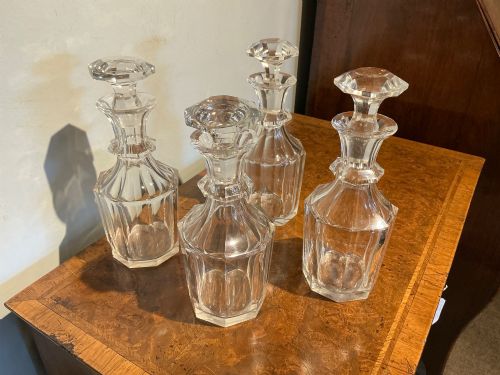
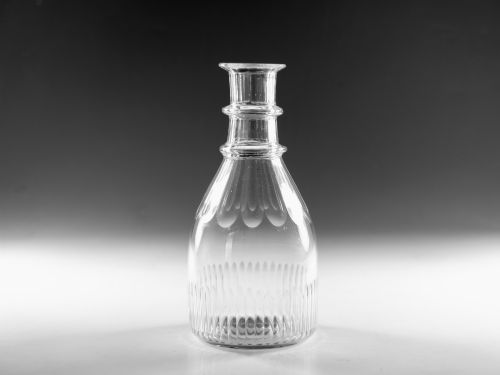
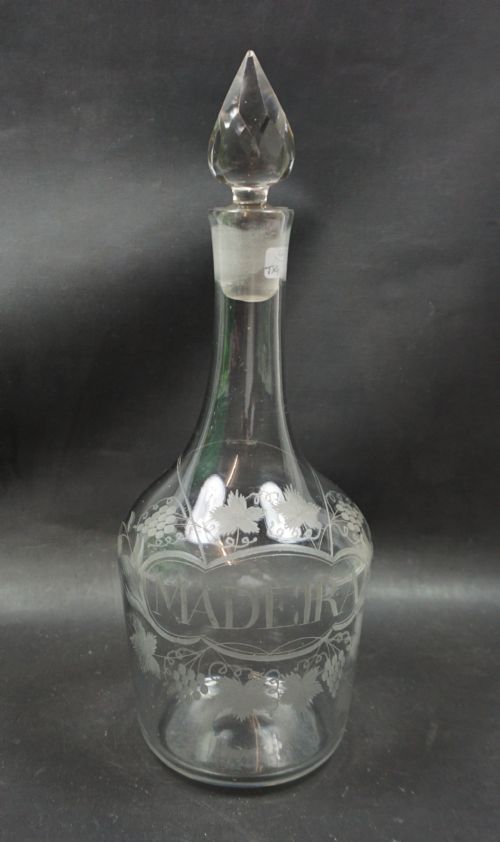
A georgian crystal bottle typically takes the form of a heavy lead glass decanter, a cruet set, or a dressing table container designed for daily utility in the eighteenth and early nineteenth centuries. These vessels survive from the Georgian, Regency, and nineteenth-century periods, showcasing forms ranging from shoulder decanters and three-ring carafes to silver-mounted sugar sifters.
You are most likely to encounter robustly cut glass decanters and matched pairs originating from English workshops around eighteen hundred, alongside multi-bottle cruet sets. The selection also includes spirit decanters and dressing table items, demonstrating how these clear vessels served various domestic functions.
How they were made
These items rely on lead glass and heavy crystal formulations, melted in crucibles and blown into moulds or free-blown by skilled glassmakers. Artisans then shaped the vessels while hot before applying hand-cut facets and engraved details once the material cooled.
Many examples incorporate sterling silver or silver plate mounts, such as collars and stoppers, which were added by metalworkers to complete the functional design. The combination of deep wheel-cutting on dense lead glass gives each piece its characteristic weight and brilliance.
A stag crest stamped on a dressing table set proves that eighteenth-century vanity routines involved serious heraldry.
What varies in quality
The distinction between ordinary and superior pieces rests on the depth and crispness of the glass cutting, alongside the clarity and weight of the lead crystal itself. Master glassmakers achieved sharper facets and more harmonious proportions, whereas lesser examples display softer edges or duller metal content.
Original matching stoppers and intact silver mounts elevate the integrity of a decanter or cruet set, while secondary components or heavy clouding from age shift a piece toward the lower end of the range.
Jonathan Douglas
The Georgian Crystal Bottle Glossary
- Decanter
- A vessel designed for holding and serving wine or spirits, usually fitted with a glass stopper. These pieces often feature faceted necks and heavy bases to ensure stability.
- Lead Crystal
- Glass containing a high proportion of lead oxide, which increases weight, brilliance, and workability for cutting. This material forms the body of most fine antique bottles.
- Three-Ring Carafe
- A serving bottle featuring three applied glass rings around the neck for a secure grip. This specific form was common during the Regency period.
- Cruet Set
- A matched collection of small bottles or castors housed in a frame for condiments and oils. These sets frequently incorporated cut glass bottles with silver mounts.
- Sugar Sifter
- A container with a perforated top used for sprinkling sugar over food or drink. Georgian examples often combined cut crystal bodies with silver tops.
Georgian Crystal Bottle: Frequently Asked Questions
What is a georgian crystal bottle used for?
These vessels were originally manufactured to serve wine, spirits, and condiments at the dining table or to hold perfumes and powders on a dressing table. Their heavy lead glass construction kept contents secure and presented liquids with clarity during formal meals.
Today, they function both as decorative dining accessories and as usable decanters for contemporary spirits. Collectors appreciate them for their tangible connection to eighteenth and nineteenth-century domestic life.
How do I tell a Georgian decanter from a Victorian one?
Georgian and Regency decanters typically display hand-cut facets with slightly irregular, softer edges, combined with heavier lead glass and distinct three-ring neck formations. They often lack the uniform machine precision found in later Victorian production.
Nineteenth-century and Edwardian pieces tend to show sharper, more standardised machine cutting and different proportional standards. Examining the base for pontil marks helps distinguish the older hand-blown manufacturing techniques from later methods.
Are these glass bottles safe to use for drinks?
Most antique lead glass bottles remain structurally sound for holding wine or spirits today. However, prolonged contact with acidic liquids can leach trace amounts of lead over long periods, so many owners prefer using them for short-term serving rather than long-term storage.
Gentle hand washing without abrasive pads protects the historic glass and any original silver mounts. Avoiding sudden temperature changes prevents thermal shock to the old material.
Why do some decanters have matching numbers on the stopper?
Makers ground each glass stopper specifically to fit the neck of its individual bottle during production. Numbered marks ensured that workers paired the correct hand-ground stopper with its matching base before sale.
Finding a decanter with its original numbered stopper adds significantly to its historical completeness. Many surviving bottles have become separated from their original partners over the centuries.