


Georgian Creamware Pottery
Georgian creamware pottery offers a pale, refined earthenware body that defined late eighteenth and early nineteenth-century tables.
Georgian Creamware Pottery
Georgian creamware pottery encompasses tablewares, jugs, plates, and decorative vessels produced primarily during the eighteenth and nineteenth centuries. These pieces reflect the shift from heavier earthenwares to lighter, cream-coloured ceramics suitable for domestic dining and display.
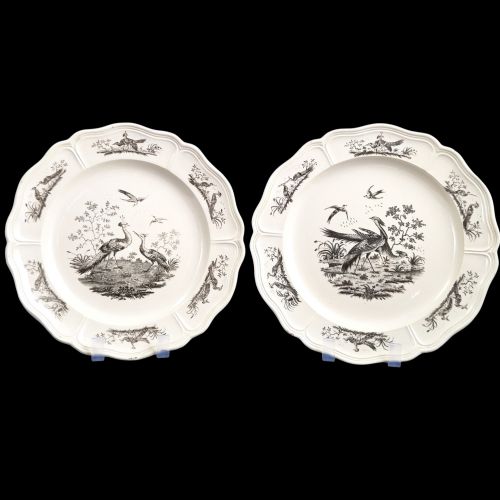
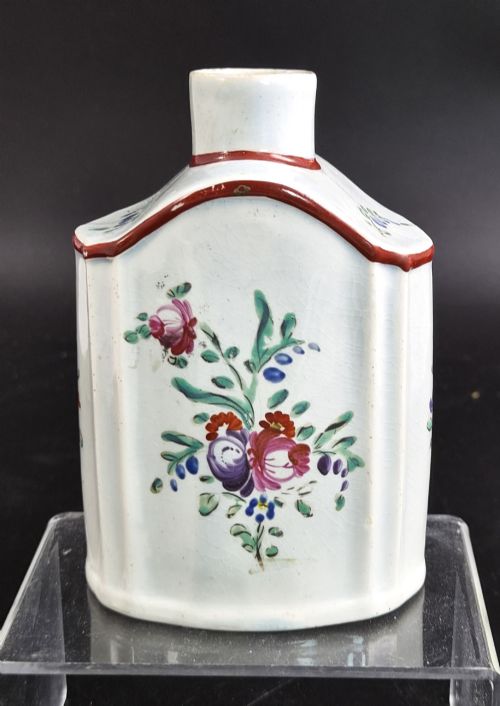
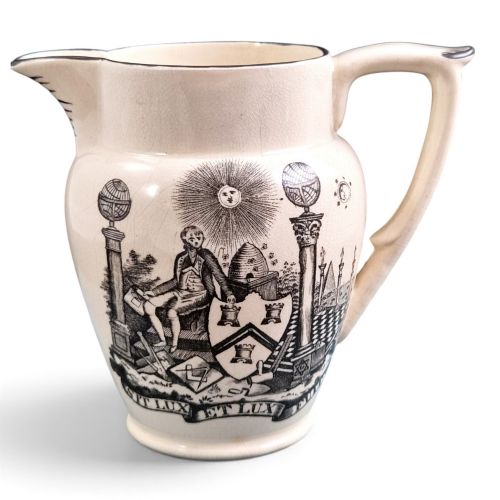
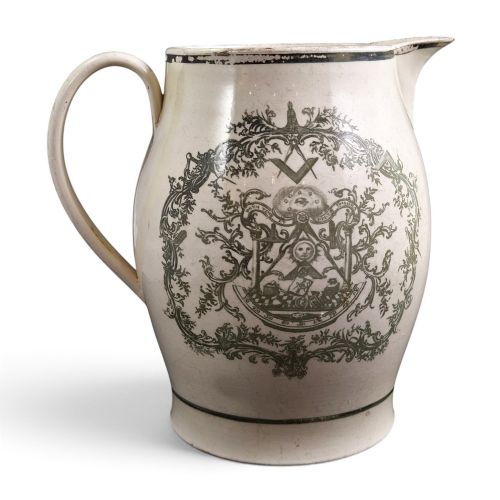
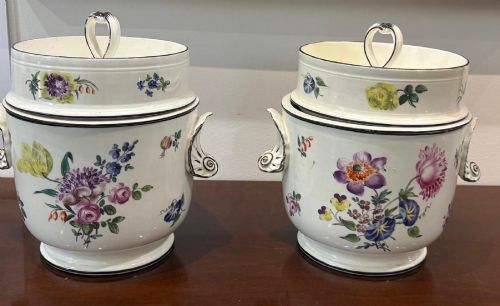
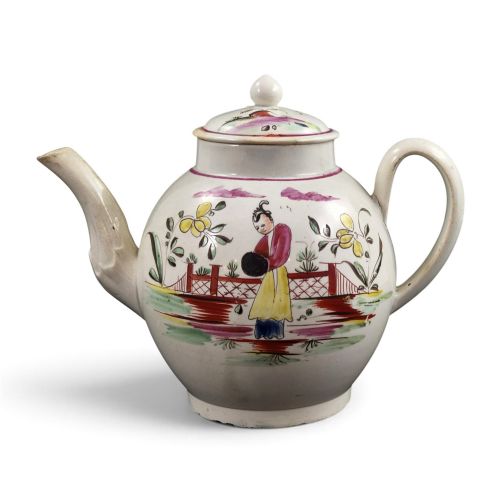
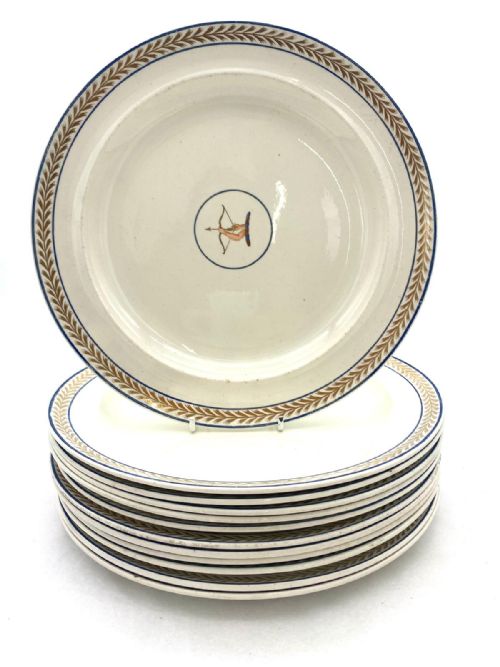
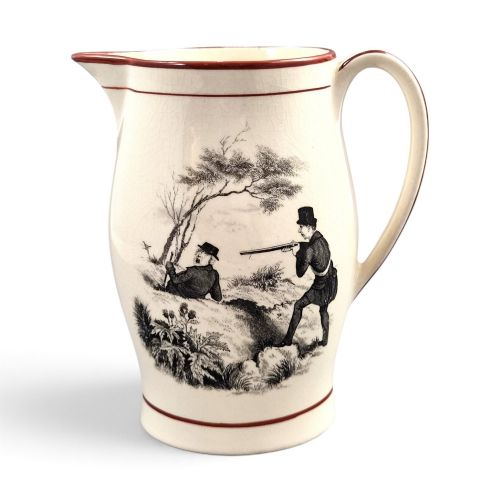
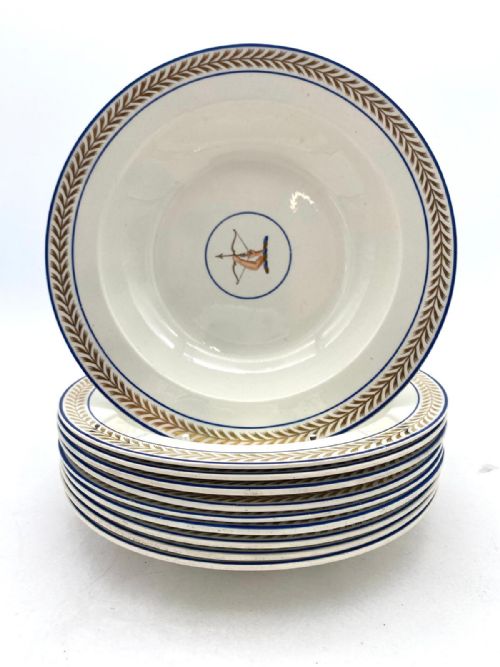
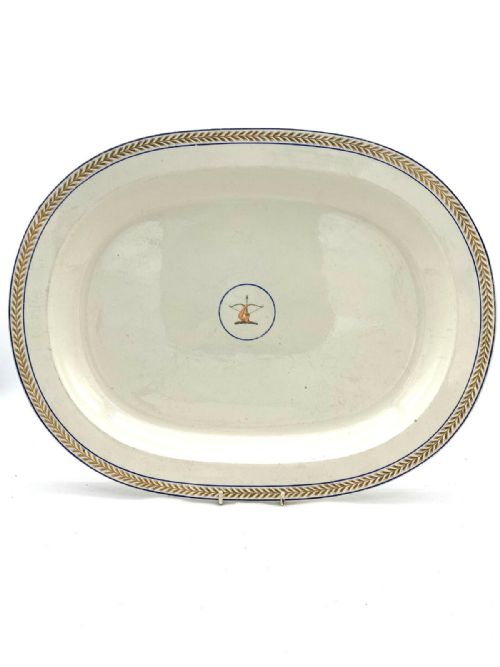
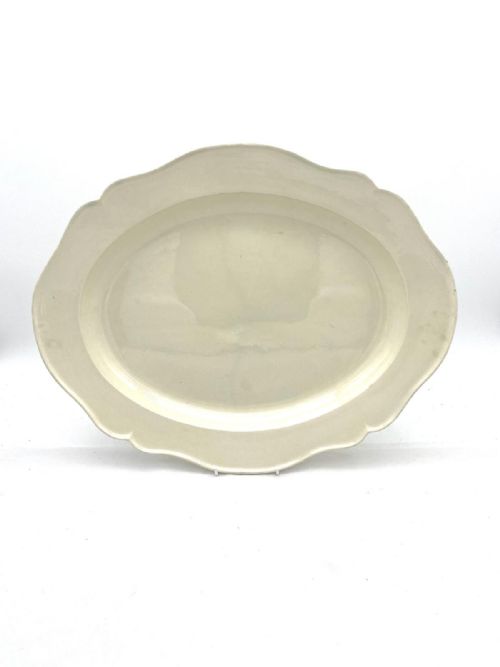
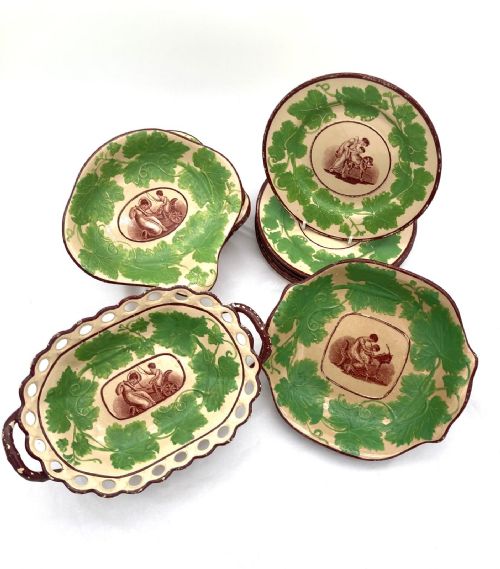
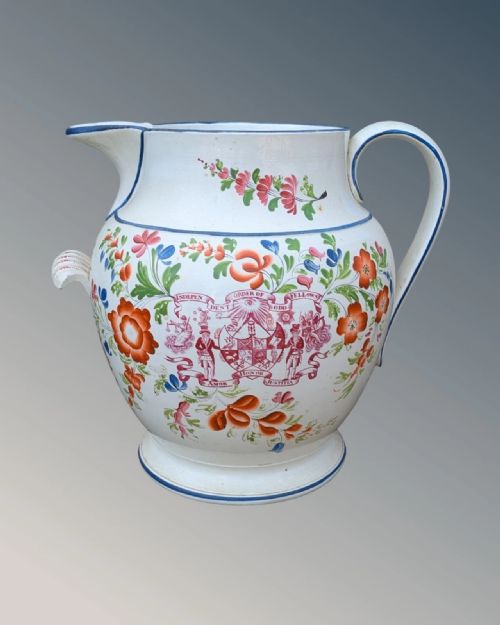
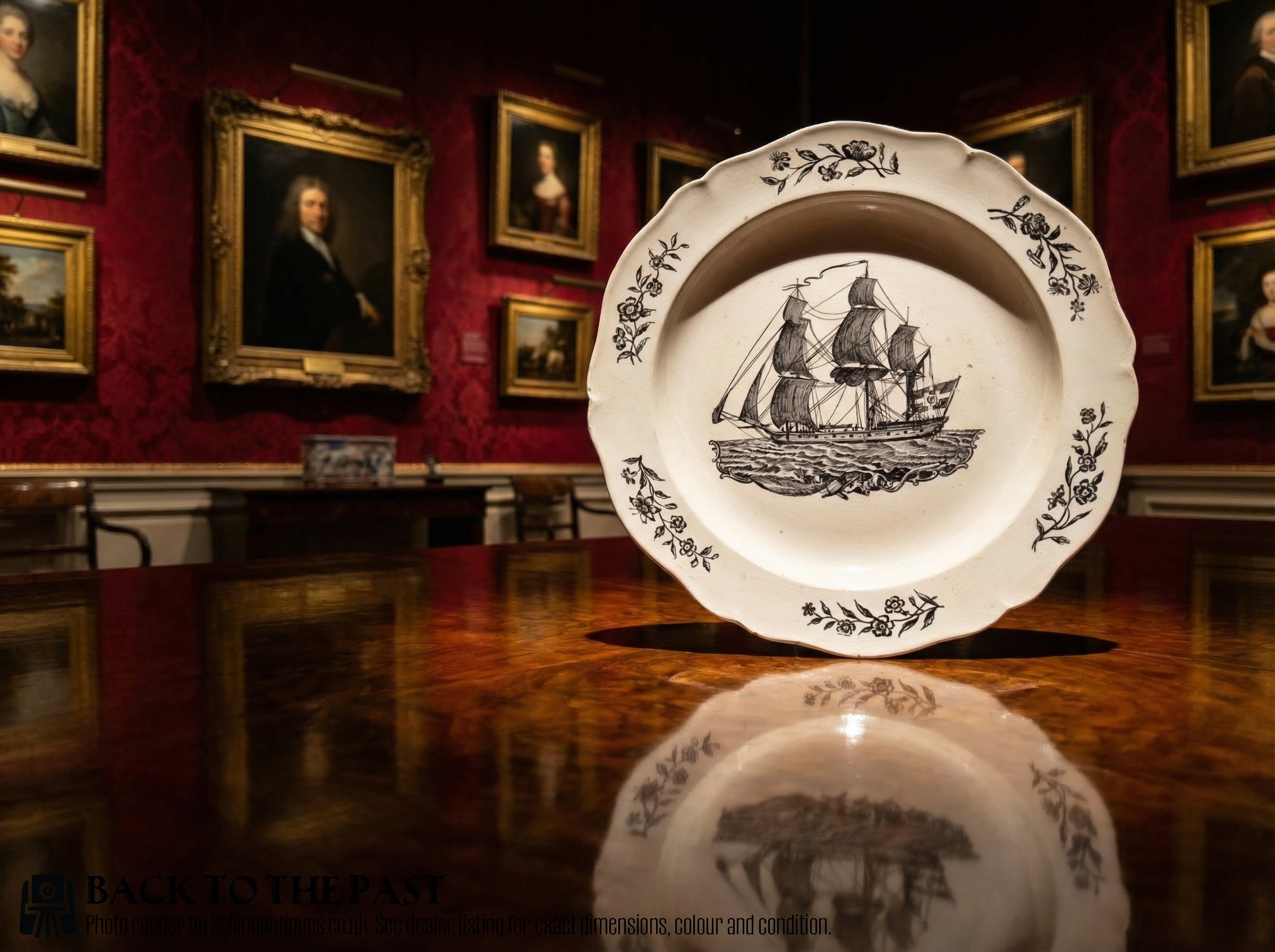
Buyers encounter items ranging from plain cream-coloured surfaces to pieces decorated with black transfer prints, armorial crests, and hand-painted botanical motifs. Forms span from utilitarian pitchers and tea services to ice pails, chargers, and dessert services.
How they were made
Potters formed these pieces using earthenware clay bodies finished with transparent lead glazes that pooled to a characteristic warm, yellowish tone in recesses. Cobalt pigments, enamel colours, and black transfer printing added surface decoration before firing.
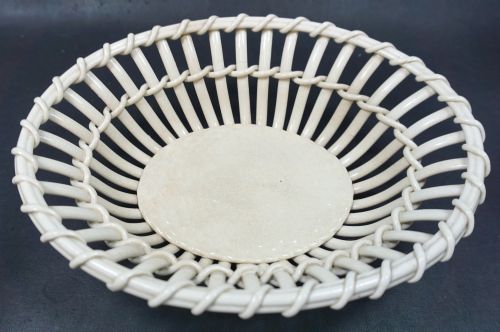
Makers such as Wedgwood and Leeds Pottery refined body composition and glazing techniques to achieve thin, elegant walls. Specialised items like baskets and pierced vessels required precise manual cutting before the glaze was applied.
A pottery frog peers up from the bottom of an 1830 mug, designed to startle any drinker who finished their ale.
What varies in quality
Quality rests upon the crispness of moulding, the evenness of the pale glaze, and the clarity of any transfer print or hand-painted detail. Early pieces with fine potting and well-defined armorials or botanical studies sit at the upper end of the scale.
The sophistication of the form dictates distinction, separating standard utility vessels from complex moulded ice pails, pierced baskets, and silver-shaped chargers. Finer bodies show thinner walls and careful finishing around handles and rims.
Wedgwood·Leeds Pottery·Enoch Wood and Sons·Davenport·Ralph Wood·Herculaneum
The Georgian Creamware Pottery Glossary
- Creamware
- A refined light-coloured earthenware developed in Staffordshire during the eighteenth century. It replaced heavier salt-glazed stonewares on dining tables.
- Pearlware
- An improved earthenware body containing a small amount of cobalt in the glaze to create a bluish-white tint. This served as a bridge towards nineteenth-century whitewares.
- Transfer printing
- A method of applying engraved designs to ceramics using paper pulled from a copper plate. This technique allowed intricate patterns like Chinoiserie and maps to be replicated consistently.
- Armorial
- A ceramic decorated with a family coat of arms or crest. These were often commissioned in sets for wealthy households.
- Enamel
- Low-melting coloured glass fused onto the surface of fired ceramics during a subsequent low-temperature firing. It provides the vibrant reds, greens, and yellows seen on painted tea services.
Georgian Creamware Pottery: Frequently Asked Questions
Can I use creamware for dining?
While these ceramics remain physically robust, historic lead glazes and age make daily dining inadvisable. Acidic foods can affect fragile historic surfaces and older glazes.
Treat surviving plates, jugs, and bowls as display items or collections. Enjoy their visual heritage rather than putting them back into active service.
How do I tell creamware from pearlware?
Examine the colour pooled in crevices, handles, and foot rims. Creamware shows a warm, buttery, or yellowish hue beneath the transparent glaze.
Pearlware exhibits a distinct bluish tint where the glaze pools, created by small amounts of cobalt added to mimic Chinese porcelain.
What is an armorial creamware service?
An armorial service consists of plates, platters, or bowls painted or printed with a specific family coat of arms. Wealthy patrons commissioned these bespoke sets for grand dining.
Survival of multiple matching pieces from an eighteenth-century service makes them particularly notable for collections.