



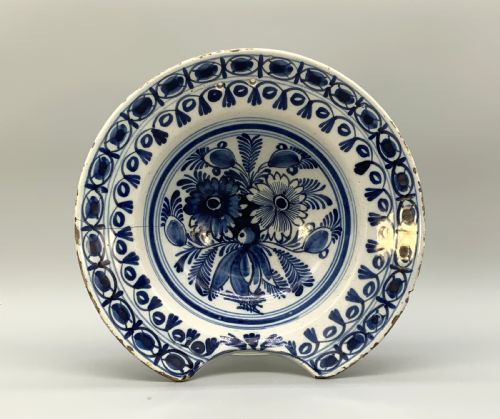
White Pottery Charger
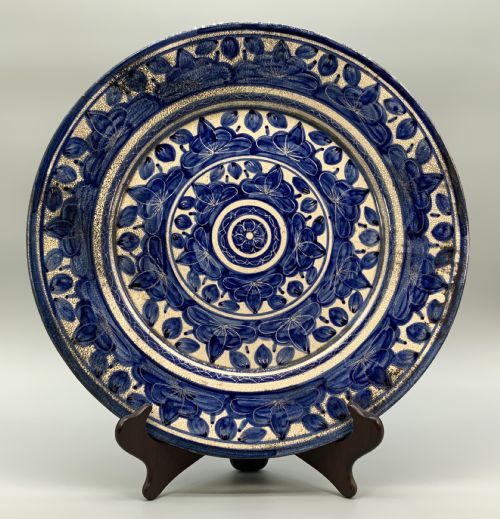
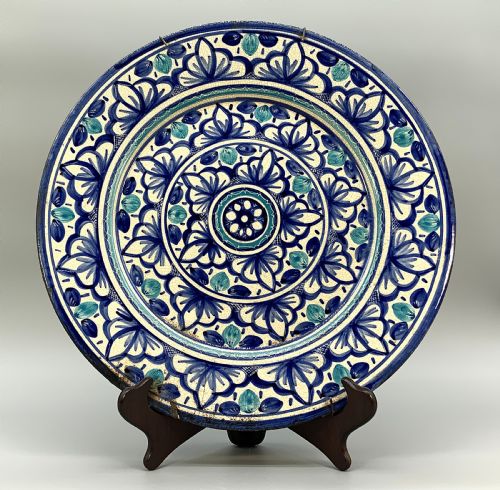
These white pottery charger pieces provide broad, tin-glazed surfaces painted in blue or polychrome, bringing centuries of ceramic history directly to your walls and tables.
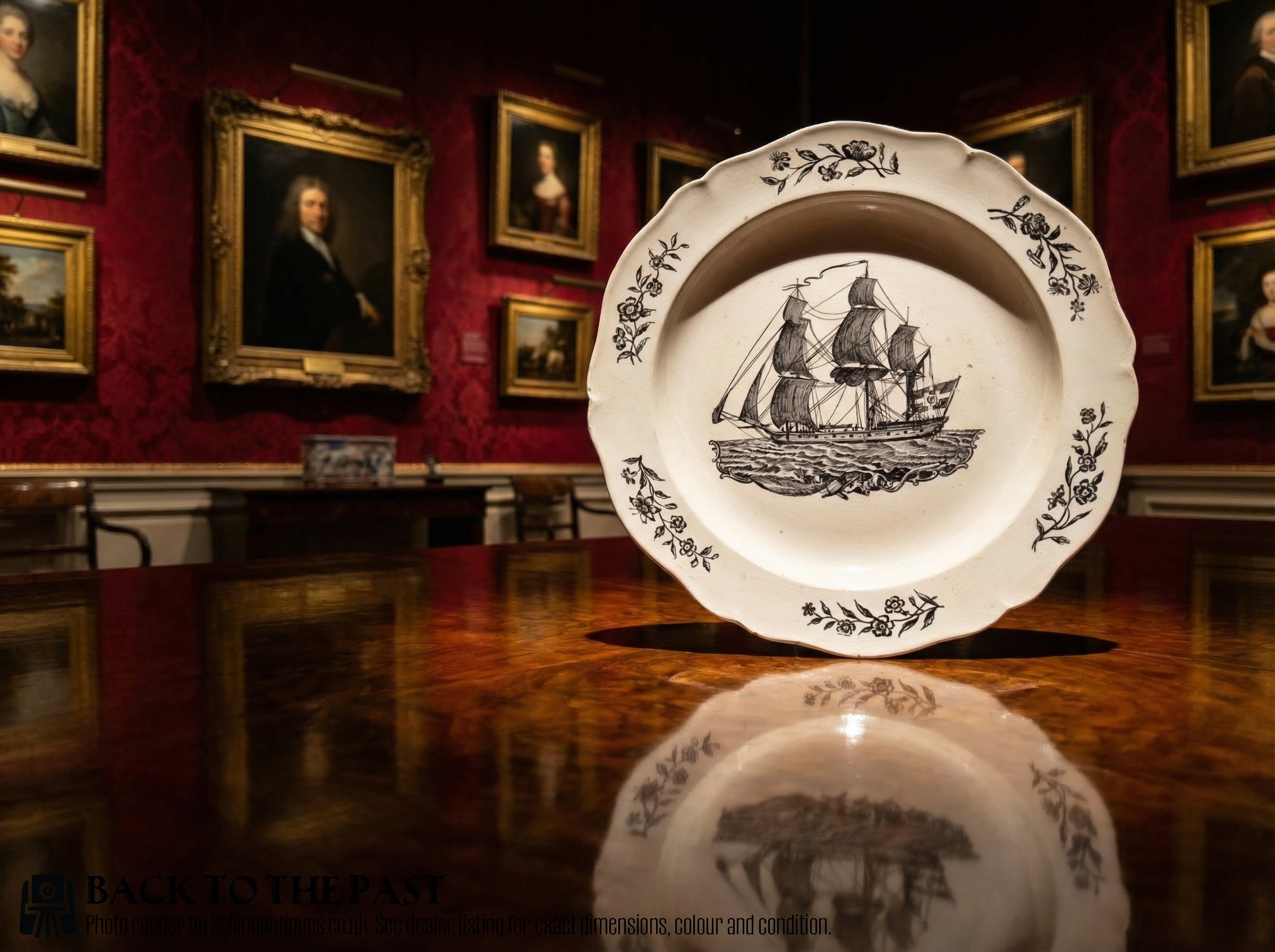
White Pottery Charger
A white pottery charger represents a large display plate or shallow dish originally designed for formal dining or wall exhibition. When searching for this phrase, collectors encounter substantial earthenware platters spanning several centuries.
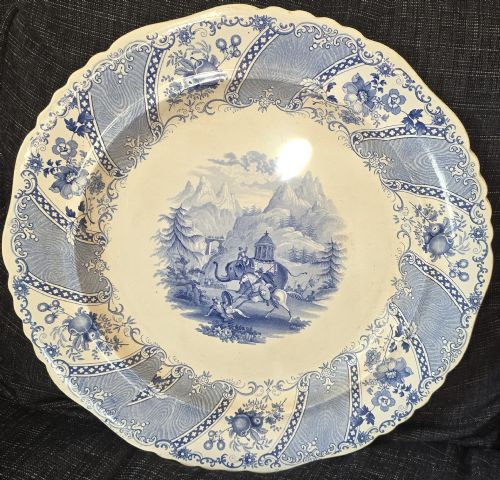
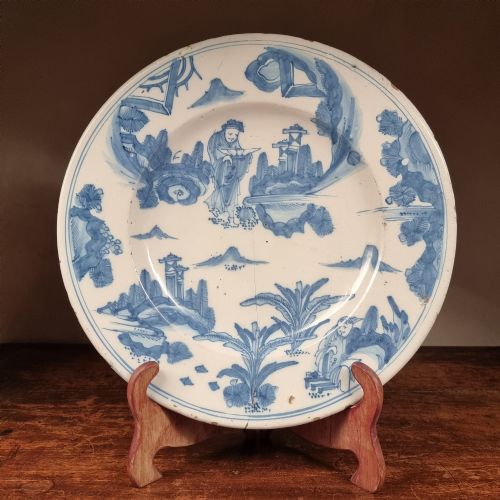
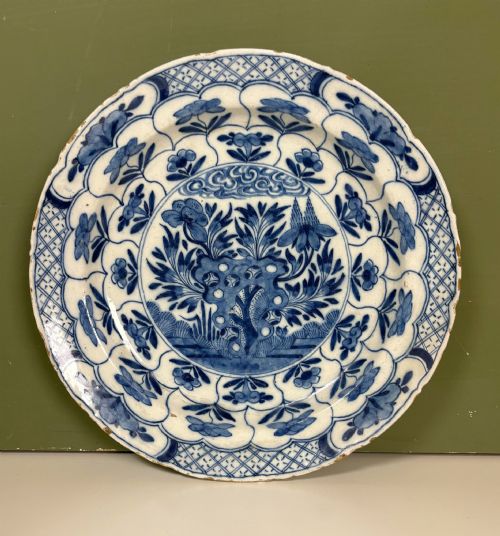
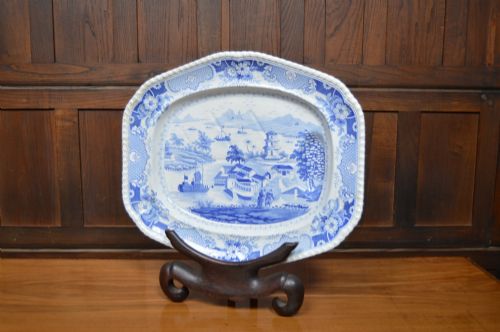
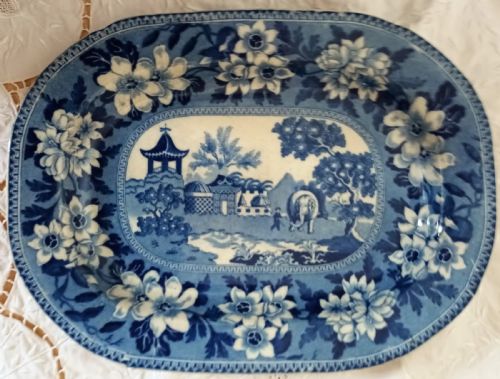
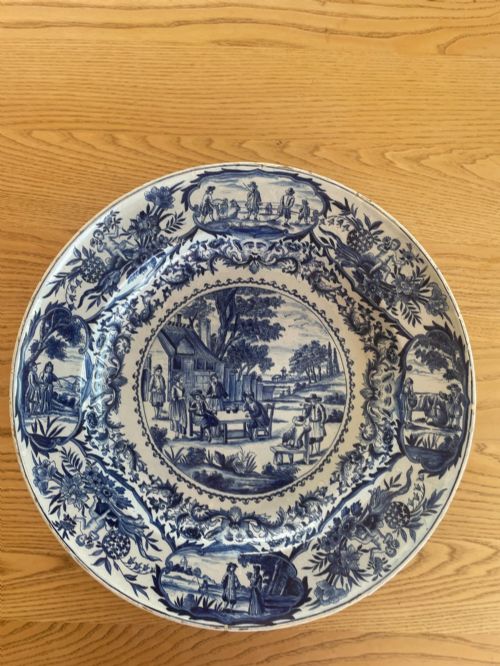
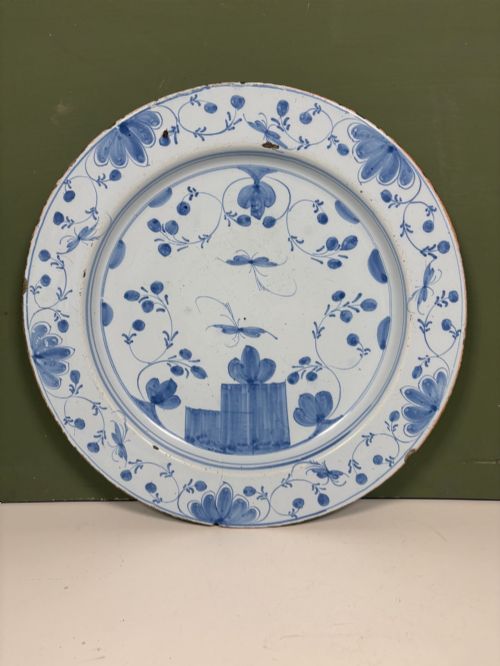
The versions most common on this page are tin-glazed delftware vessels from English and continental kilns, alongside later transferware pottery from the Victorian era. These display varied origins from Dutch workshops to Spanish and English potteries.
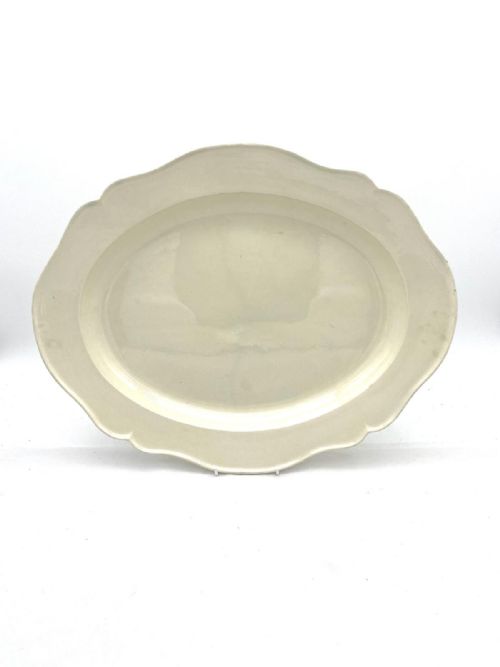
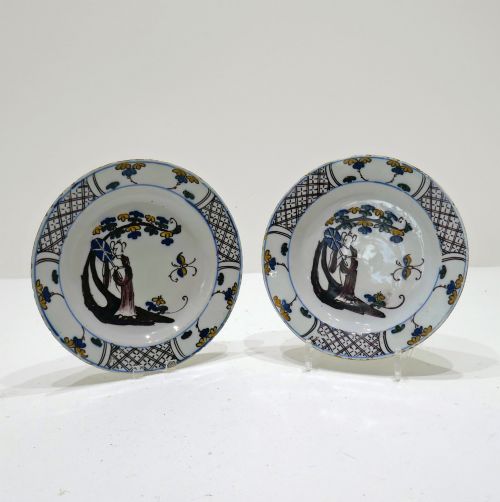
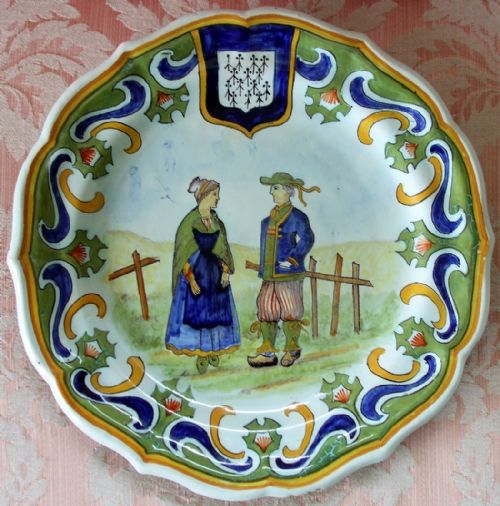
Formats range from plain circular dishes to silver-shaped creamware and scalloped decorative platters. Many examples utilise traditional blue and white pigments, while others show polychrome or Chinoiserie decoration.
Materials and construction methods
Potters formed these chargers from earthenware, creamware, pearlware, or porcelain bodies before applying opaque tin glaze to create a white ground. Cobalt oxide or coloured pigments were then painted directly onto the raw glaze before firing.
Later nineteenth-century pieces frequently employed transfer printing techniques to apply complex pictorial scenes onto the ceramic surface. This method allowed potteries to produce detailed topographical and narrative patterns efficiently.
The listings span earthenware, tin-glazed earthenware, pearlware, and porcelain across periods ranging from the seventeenth century through to the mid twentieth century.
Factors influencing quality
The crispness of the painted brushwork or the clarity of the transfer print dictates the visual success of the piece. Early tin-glazed surfaces show subtle pooling and soft edges where pigment meets the absorbent glaze.
The weight of the earthenware body and the stability of the broad rim affect durability on display. Well-balanced proportions and an even, bright white tin-glaze ground separate superior chargers from standard kitchenwares.
John Rogers And Son·Spode·Copeland And Garrett·Herculaneum
The White Pottery Charger Glossary
- Charger
- A large ornamental plate or platter exceeding standard dinner dimensions. These pieces were primarily hung on walls or used for ceremonial serving.
- Tin Glaze
- A lead glaze made opaque by the addition of tin oxide. This white coating provides the characteristic smooth background for hand-painted ceramics.
- Transferware
- Pottery decorated by pressing a printed paper design from an engraved copper plate onto the ceramic body. This technique emerged during the industrial expansion of ceramics.
- Polychrome
- Decoration utilising multiple colours rather than a single pigment. On these earthenware plates, palette colours typically include iron red, yellow, green, and blue.
- Creamware
- A refined, pale yellow-cream earthenware developed in the eighteenth century. It offers a lighter, more delicate alternative to heavier tin-glazed fabrics.
White Pottery Charger: Frequently Asked Questions
How were white pottery chargers originally used?
These large plates served both functional roles at formal dining tables and decorative purposes in domestic interiors. Many historical examples featured foot rings pierced for suspension so households could display them on walls.
Over time, their primary function shifted toward display as ceramic technology advanced and eating habits changed, preserving many pieces in remarkably clean condition.
What is the difference between delftware and transferware?
Delftware relies on hand-painted tin-glazed earthenware where artisans applied cobalt or polychrome pigments directly onto the white glaze surface. This produces soft, painterly brushwork with subtle variations.
Transferware uses a printed paper tissue to transfer an engraved copperplate design onto the pottery. This technique produced uniform, highly detailed pictorial scenes popular in the nineteenth century.
How do I distinguish eighteenth-century pieces from later ones?
Eighteenth-century examples typically employ hand-painted tin glaze over an earthenware body, often showing minor kiln scars or glaze skips on the reverse. The potting is frequently heavier and the rims display hand-shaped contours.
Nineteenth-century items often exhibit refined transfer-printed patterns, harder paste fabrics like pearlware or ironstone, and more commercial factory marks stamped into the ceramic base.
How should I safely hang or display a charger?
Displaying a large wall charger requires a properly sized, coated wire hanger that distributes weight evenly across the rim. Ensure the wall fixing is secure and avoid locations exposed to direct sunlight or heavy vibrations.
If placing the dish on a table or cabinet shelf, use a stable plate stand with a padded base to prevent slipping or edge chipping.