
Cream Glazed Earthenware
Cream glazed earthenware pieces offer a warm, smooth finish that brings subtle historic character to any room.
Cream Glazed Earthenware
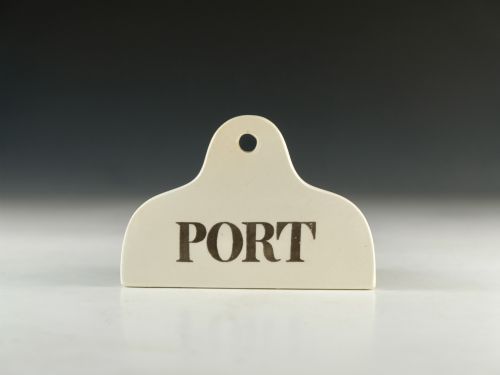
Cream glazed earthenware encompasses utilitarian kitchen vessels alongside decorative table pieces spanning several centuries.
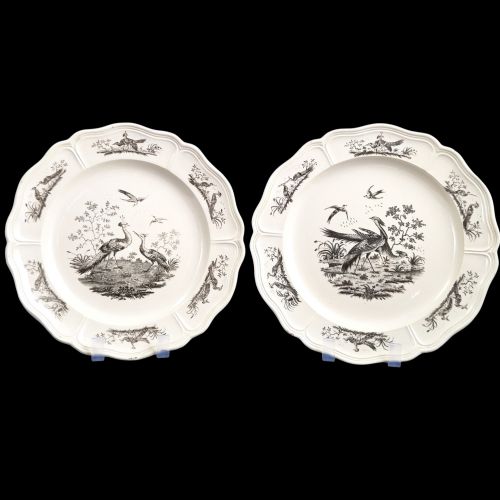
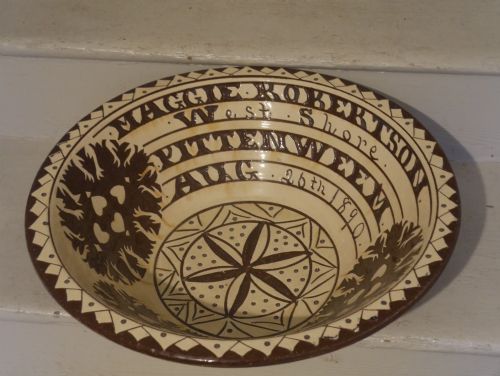
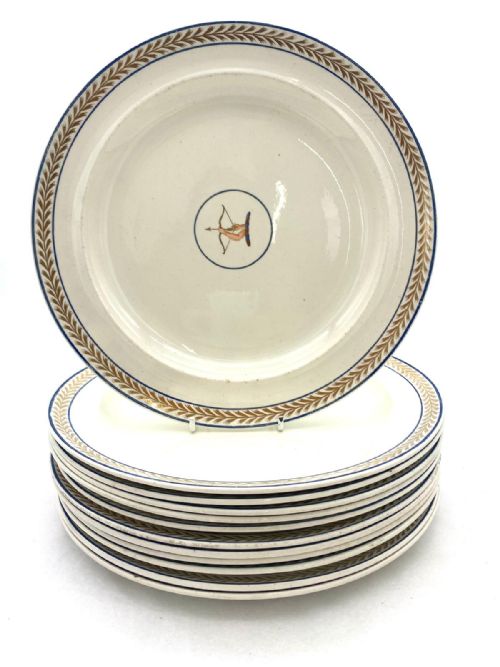
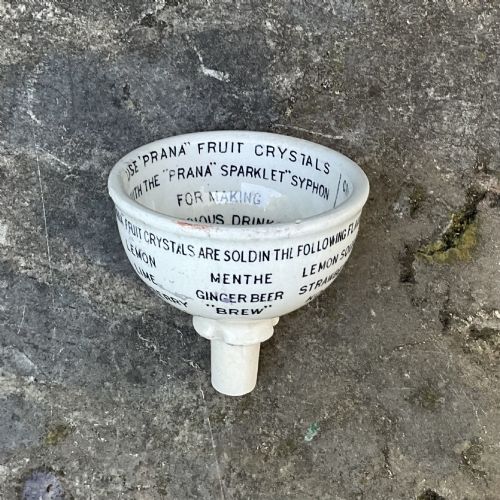
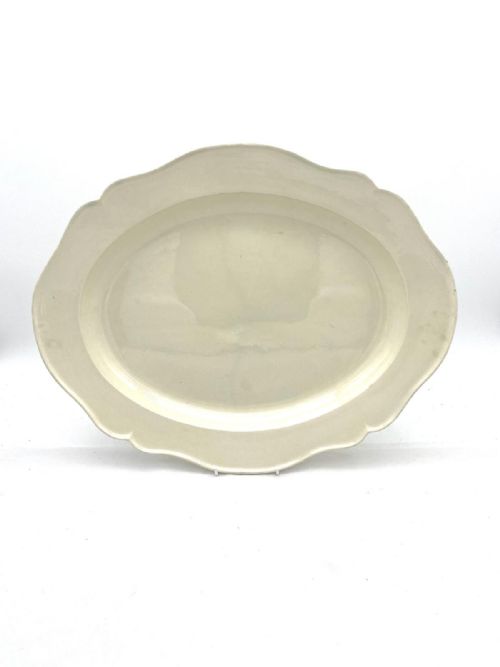
Buyers meet sturdy dairy bowls, moulded jelly moulds, and refined creamware dinner plates across these varied listings.
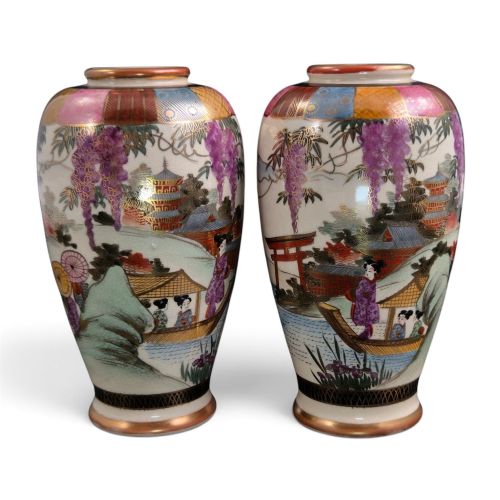
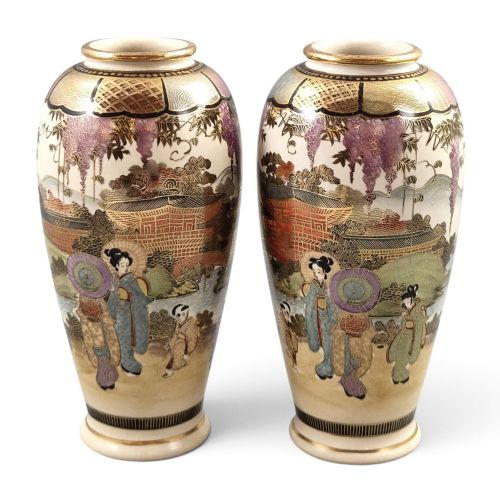
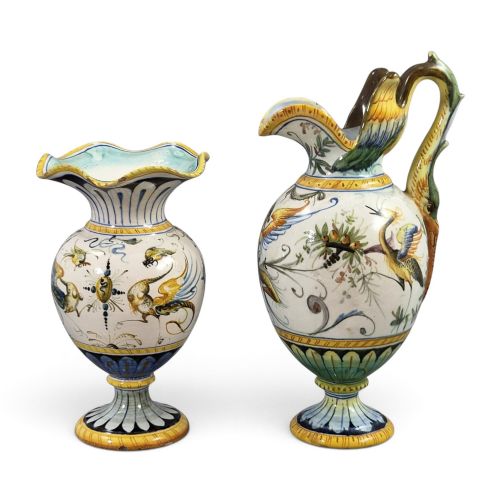
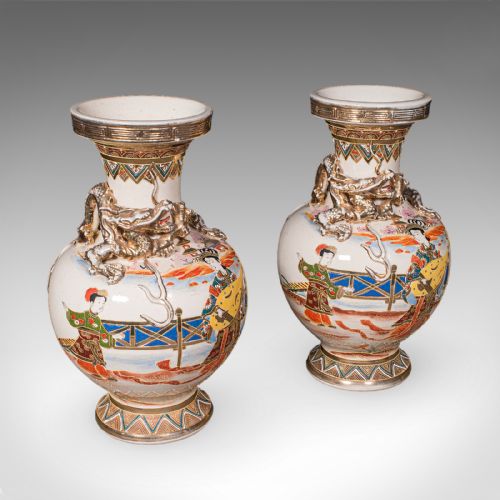
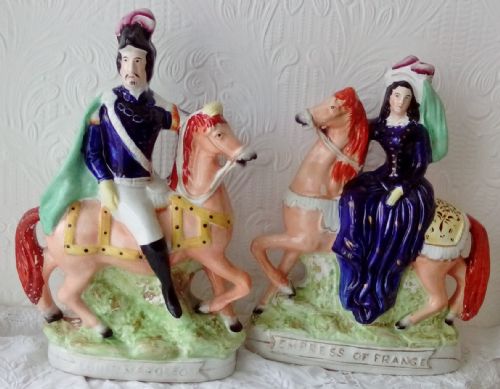
Pottery items from Staffordshire workshops and Scottish potteries sit alongside Continental ceramics and Japanese wares.
Materials and Technique
Potters shaped native clay bodies on the wheel or pressed them into moulds before applying smooth liquid glazes.
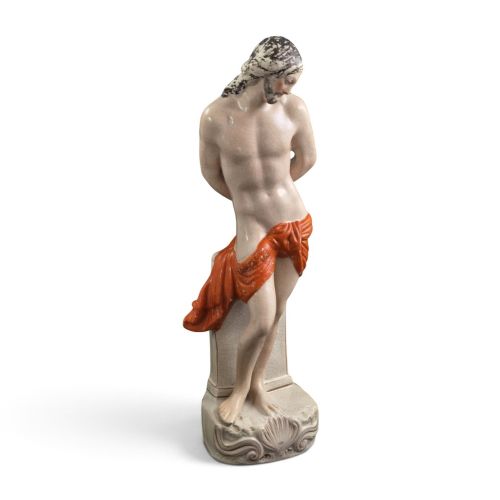
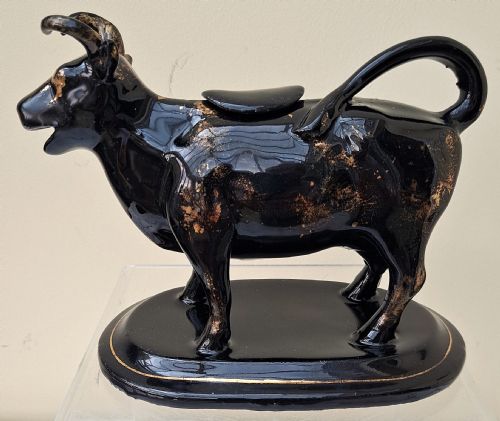
Fired items occasionally received hand-painted enamel decoration or delicate touches of gold leaf to highlight embossed details.
Listings span the eighteenth, nineteenth, and early twentieth centuries, featuring earthenware, ceramic, and glaze materials.
Quality Variations
Refinement in the modelling of moulded shapes and crispness of transfer printing separate the finest items from standard kitchenware.
Smoothness of the glaze application and subtlety in hand-painted enamel work dictate the visual success of each ceramic piece.
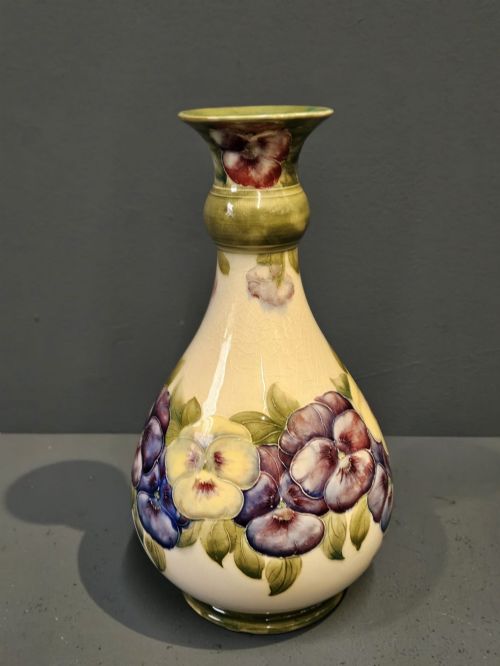
Moorcroft McIntyre·Seaton Pottery·Mann Co
The Cream Glazed Earthenware Glossary
- Creamware
- A fine-grained, pale-yellow earthenware developed in the eighteenth century. It revolutionised tablewares with its clean, uniform surface.
- Earthenware
- Porous pottery fired at lower temperatures than stoneware or porcelain. It requires a glaze to become impermeable to liquids.
- Majolica
- Low-fired earthenware covered with an opaque tin-glaze and painted with metallic oxides. It produces vibrant colours and rich surface textures.
- Spongeware
- Pottery decorated by dabbing pigment onto the biscuit surface using a sponge. This technique creates mottled, geometric patterns.
Cream Glazed Earthenware: Frequently Asked Questions
What is cream glazed earthenware?
Cream glazed earthenware refers to pottery made from porous clay finished with a smooth, pale translucent glaze. These pieces range from eighteenth-century creamware plates to nineteenth-century dairy bowls and decorative table items.
The category bridges utilitarian kitchen wares and fine display ceramics, showcasing the varied applications of earthenware body types across different ceramic traditions.
How do I care for antique pottery?
Antique pottery requires gentle handling and washing by hand in warm water using mild soap. Avoid soaking older earthenware, as moisture can penetrate through tiny crazing lines in the glaze.
Keep pieces away from direct sunlight and sudden temperature shifts to protect both the clay body and any delicate enamel or gilt decorations.
How were jelly moulds used?
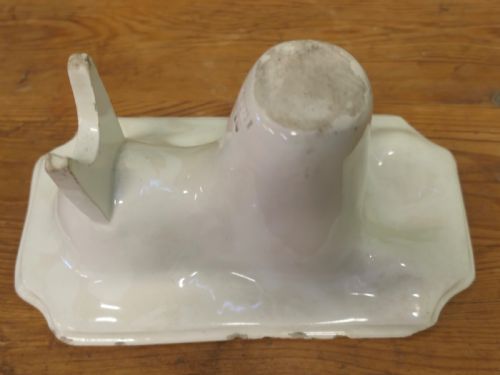
Jelly moulds shaped domestic desserts by holding warm gelatin mixtures until they set into decorative shapes. Cooks submerged the ceramic moulds in warm water briefly to release the chilled dessert onto a serving plate.
The sculptural interior designs produced intricate patterns on the surface of jellies, aspics, and blancmanges served at Victorian dining tables.