


Georgian Transfer Printed Ceramics
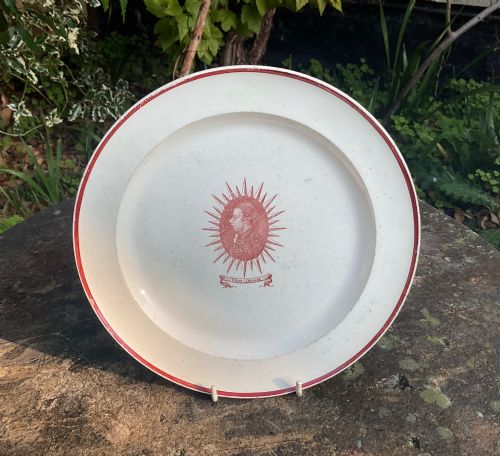
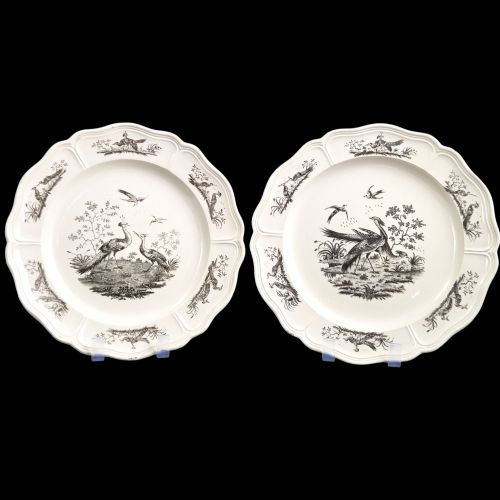
Georgian transfer printed ceramics are functional and decorative earthenware pieces adorned with intricate engraved scenes, offering a tangible connection to eighteenth and nineteenth-century domestic life.
Georgian Transfer Printed Ceramics
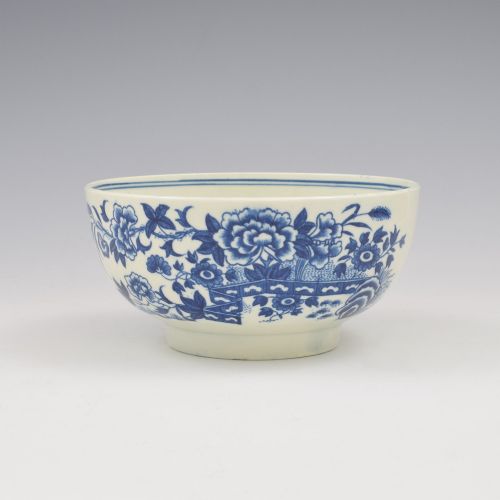
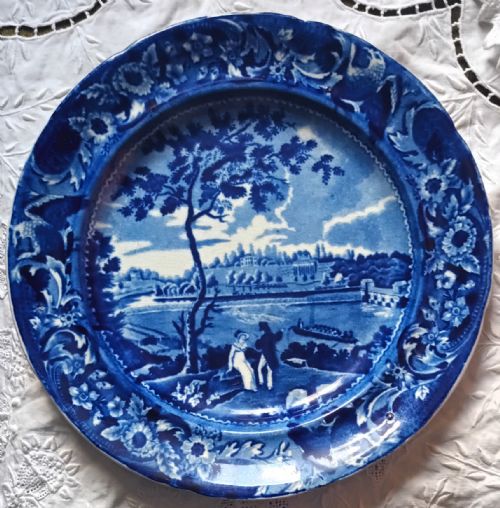
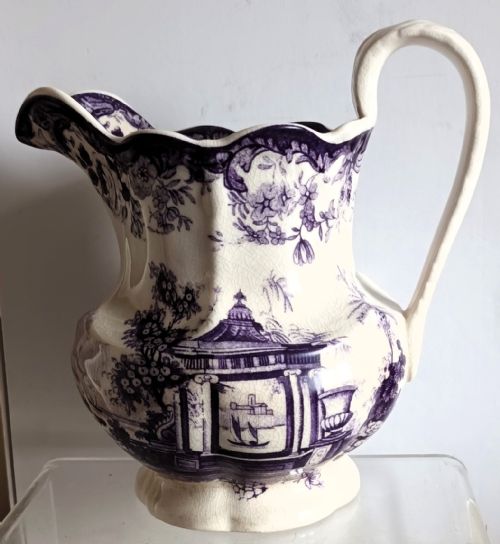
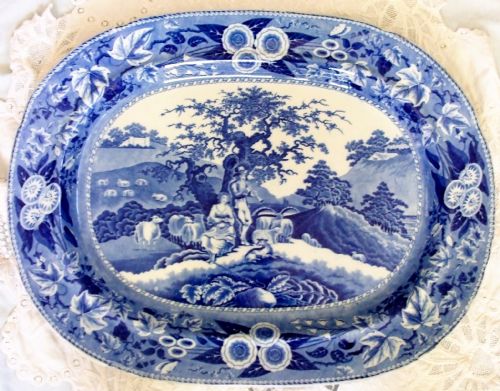
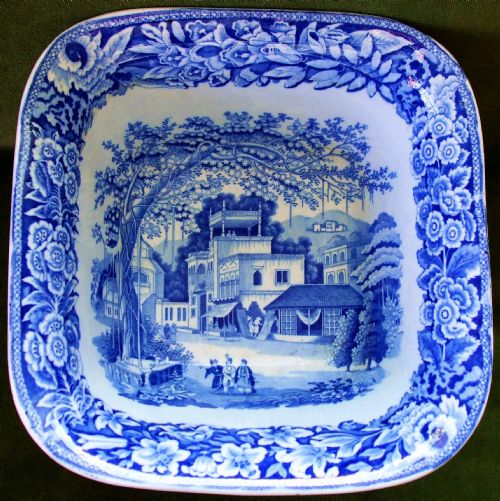
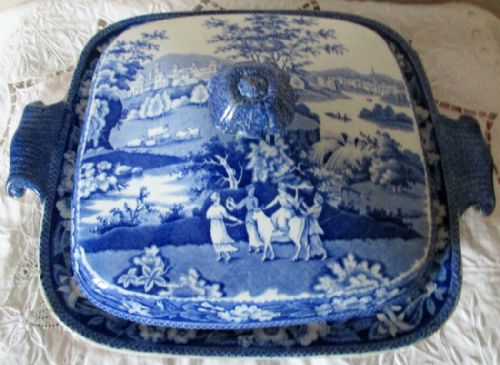
Most examples originate from English potteries working during the Georgian and Regency periods. Domestic forms include blue and white transfer printed dishes depicting pastoral scenes, classical ruins, and topographical views.
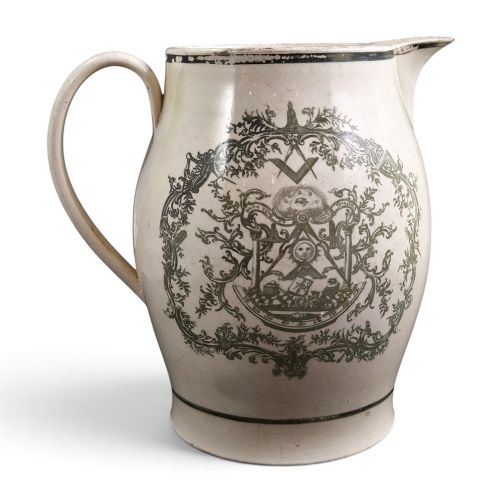
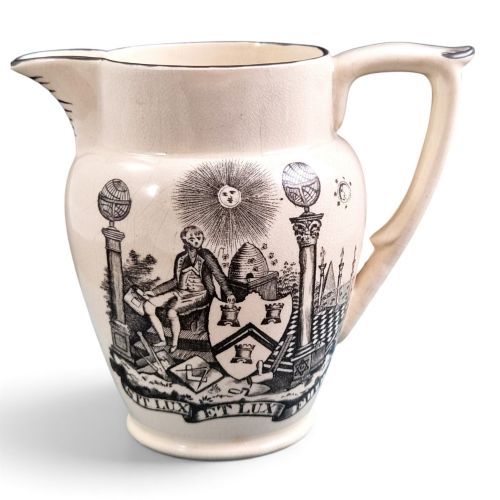
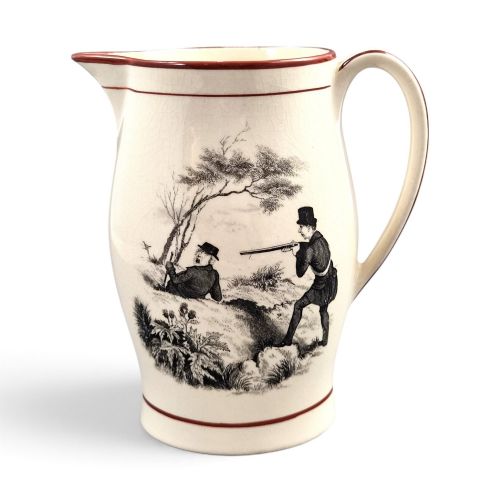
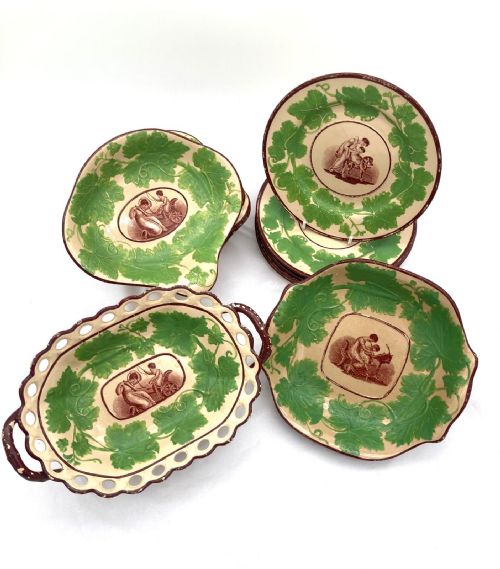
Functional items range from large ceramic jugs and footbaths to dessert services and vegetable tureens. These pieces combine utility with detailed pictorial transfer printing that reflects the aesthetic interests of the era.
How they were made
Potters utilised earthenware bodies such as creamware and pearlware, which provided a smooth pale surface for the transfer printing technique. Cobalt pigment and metallic glazes were applied to copper plates before being transferred onto the damp ceramic surface.
The objects were then fired in kilns to fix the cobalt blue and black transfer designs beneath a protective transparent glaze. Lustre finishes, including pink lustre, were achieved through the application of metallic solutions during secondary low-temperature firings.
Georgian Transfer Printed Ceramics Retail Price Guide 2026
Typical asking prices for georgian transfer printed ceramics among the pieces listed under this phrase on Sellingantiques today, from the lower quarter to the upper quarter. They describe what is for sale here now, not the wider market.
Some nineteenth-century jugs proudly display patriotic American buildings like the Boston State House to appeal to overseas export markets.
What varies in quality
The clarity and crispness of the transfer print dictate the visual success of the piece, with sharper impressions showing finer details in complex patterns like Chinoiserie or topographical scenes. Uneven application or smudging of the cobalt pigment during the transfer process alters the definition of the engraved lines.
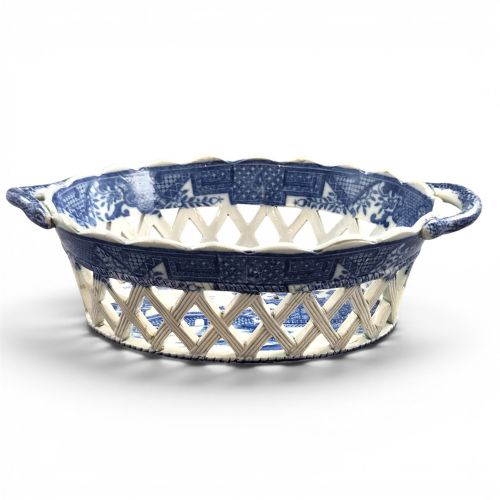
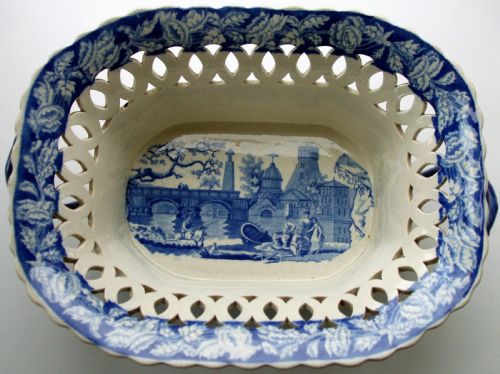
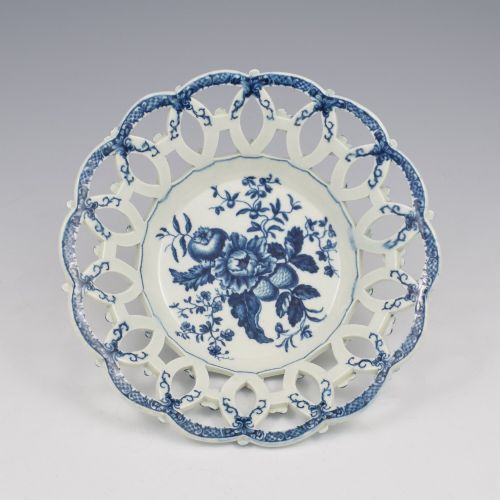
The sophistication of the ceramic body itself also distinguishes the pieces, as refined pearlware and early creamware bodies display thinner walls and more delicate moulding on forms like reticulated chestnut baskets and footbaths.
Leeds Pottery·J. and R. Clews·J. and R. Riley·Stubbs·John and Richard Riley·Brameld and Co.·Thomas Lakin·Mason·John Rogers and Son
The Georgian Transfer Printed Ceramics Glossary
- Creamware
- A refined earthenware developed in Yorkshire and Staffordshire, characterised by its warm yellowish-cream tone. This body formed the base for many early transfer printed wares.
- Pearlware
- An improved earthenware body introduced in the late eighteenth century, containing a small amount of cobalt in the glaze to create a bluish-white appearance that imitated porcelain.
- Transfer printing
- A decoration technique where an engraved copper plate transfers an inked design onto tissue paper, which is then pressed onto the unfired or biscuit ceramic surface.
- Pink lustre
- A metallic glaze finish utilising gold in the solution, producing a coppery pink sheen often found on maritime and commemorative jugs from the early nineteenth century.
- Reticulated
- Describes ceramic ware featuring pierced or openwork lattice patterns, commonly seen on decorative baskets and chestnut dishes designed for the Georgian dining table.
Georgian Transfer Printed Ceramics: Frequently Asked Questions
What are georgian transfer printed ceramics used for?
These ceramics served practical functions in Georgian dining and household routines, including serving meats, holding fruit, or pouring liquids at the table.
Today, collectors utilise them as decorative wall plates, cabinet displays, or functional table service items for special occasions.
How do I identify a creamware piece?
Creamware is identified by its distinct pale yellow or buttery cream body beneath a transparent glaze, differing from the later bluish tint of pearlware.
Potteries in Leeds and Staffordshire frequently employed this refined earthenware for plates and jugs throughout the eighteenth century.
How can I tell the age of these ceramics?
Dating relies on stylistic clues such as the shade of the ceramic body, the depth of the blue pigment, and the specific landscape or architectural transfer pattern.
Earlier eighteenth-century pieces often utilise creamware bodies, while nineteenth-century examples frequently employ pearlware or heavier ironstone bodies with more complex borders.