


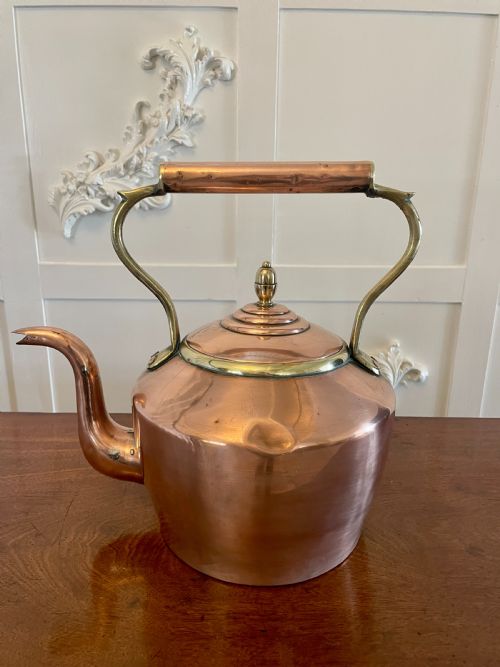
Georgian Copper Teapot
A georgian copper teapot brings heavy, warm metal and timeless domestic utility to the hearth.
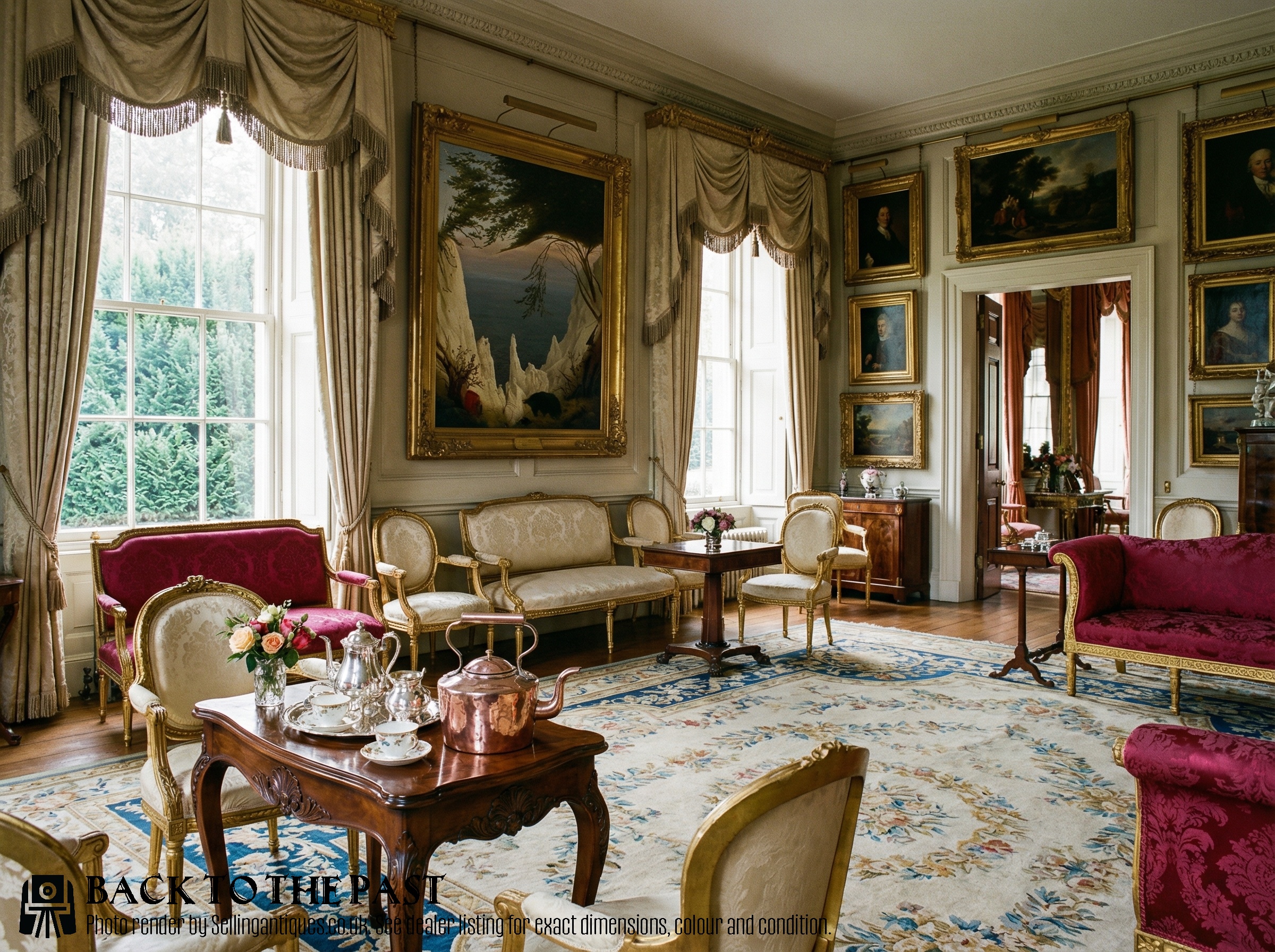
Georgian Copper Teapot
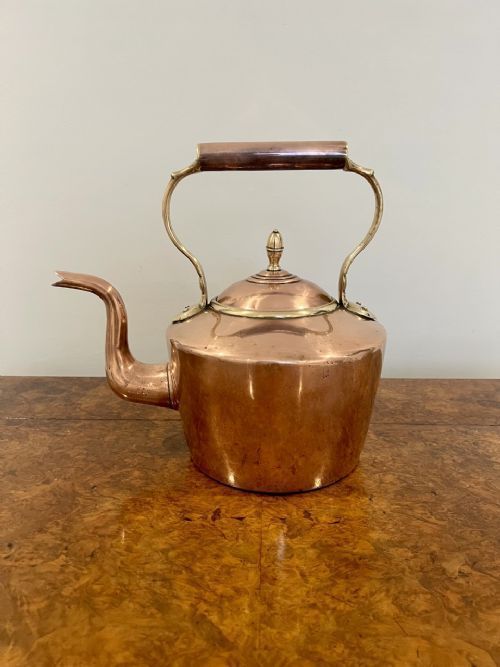
A georgian copper teapot or kettle sits at the heart of historic kitchenware, representing the tea-drinking habits of the period. When searching this phrase, a buyer encounters heavy metal vessels primarily from the George III and broader Georgian eras.
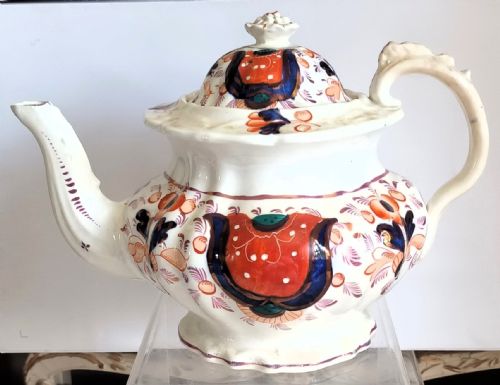
The versions most commonly met on this page are sturdy copper kettles, often dating directly to around eighteen hundred. Alongside metal vessels, related ceramic forms such as Gaudy Welsh teapots occasionally appear within the broader antique listings.
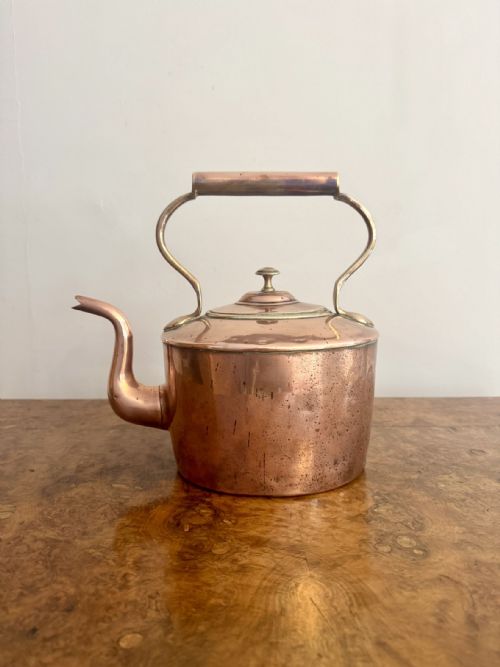
These items range from large domestic containers to unusually small oval shapes designed for more intimate use. Each piece reflects the utilitarian craftsmanship of nineteenth-century and earlier workshops.

How they were made
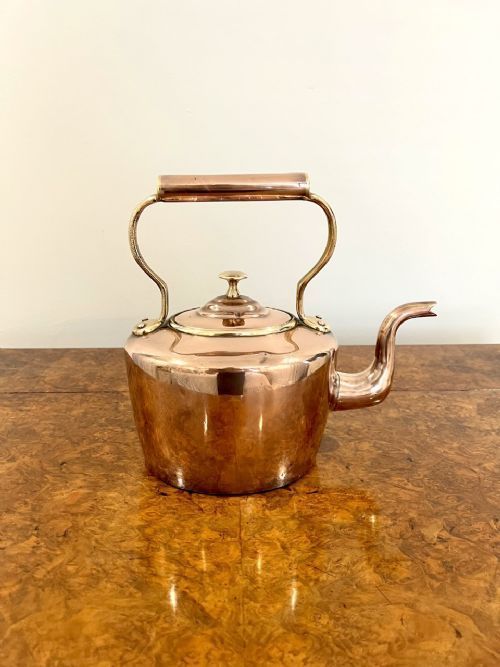
The primary material underpinning these items is heavy sheet copper, frequently paired with brass for handles, finials, or fixtures. Metalsmiths shaped these sheets through hand-beating and joining, creating durable vessels intended for daily boiling.
Some examples incorporate secondary materials including wood for handle insulation, alongside earthenware, enamel, and lustre glaze found on related ceramic teapots. Polished finishes highlight the rich metallic sheen developed over centuries of use.
Current listings feature items exclusively from the Georgian and nineteenth-century periods, constructed primarily in copper and brass.
What varies in quality
Quality rests upon the crispness of the original construction and the preservation of the metal's weight and form. Superior examples display careful oval shaping and tight seams rather than crude assembly.
The presence of original brass fittings and wooden insulators elevates a piece above standard utilitarian wares. Retaining a clear, polished surface without excessive modern intervention marks the better survivors of the period.
The Georgian Copper Teapot Glossary
- Georgian
- Pertaining to the reigns of the British monarchs George the First through George the Fourth, spanning the eighteenth and early nineteenth centuries. This era produced distinctive domestic metalwork and ceramics.
- George III
- The period of the reign of King George the Third, specifically noted here around the year eighteen hundred. Items from this time often exhibit robust utilitarian design.
- Gaudy Welsh
- A style of colourful earthenware pottery featuring vibrant painted patterns. These wares often display rich lustre glazes popular in the nineteenth century.
- Lustre Glaze
- A metallic pottery finish that produces an iridescent sheen upon the ceramic surface. It catches the light in a manner that complements nearby copper metalwork.
Georgian Copper Teapot: Frequently Asked Questions
What is a georgian copper teapot?
It is a historic metal vessel designed for boiling water or brewing tea during the late eighteenth and early nineteenth centuries.
These pieces were essential kitchen implements, valued today for their robust metal construction and period character.
How were these metal teapots used?
They sat directly on hearths or near coal fires to heat water for daily tea preparation.
The inclusion of brass fittings and wooden handle parts allowed users to handle the hot metal safely.
How do I date a copper kettle?
Dating relies on examining the manufacturing traits, form, and materials typical of the Georgian era around eighteen hundred.
Larger oval shapes and specific handle joints provide clues to the precise period of origin.
How do I clean antique copper?
Maintenance generally involves gentle polishing to preserve the warm metallic lustre without stripping the historic surface.
Avoiding harsh abrasives ensures the original copper sheet remains intact and attractive.