


Georgian Coffer Box
A georgian coffer box is a sturdy storage piece built for household belongings, offering practical history that anchors a room.
Georgian Coffer Box
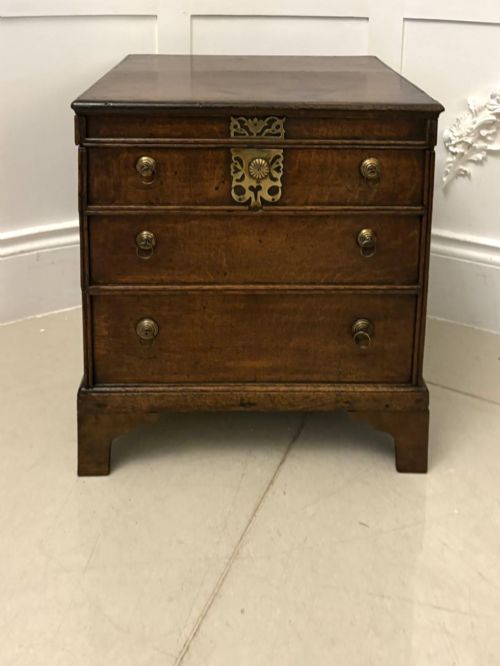
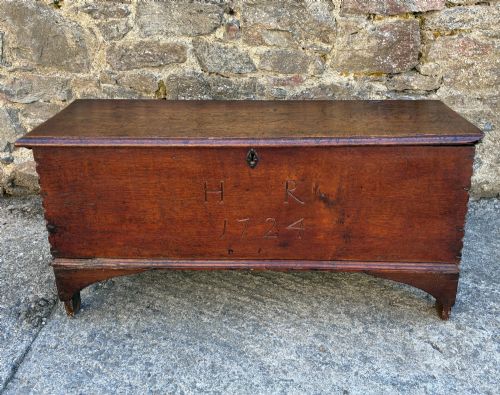
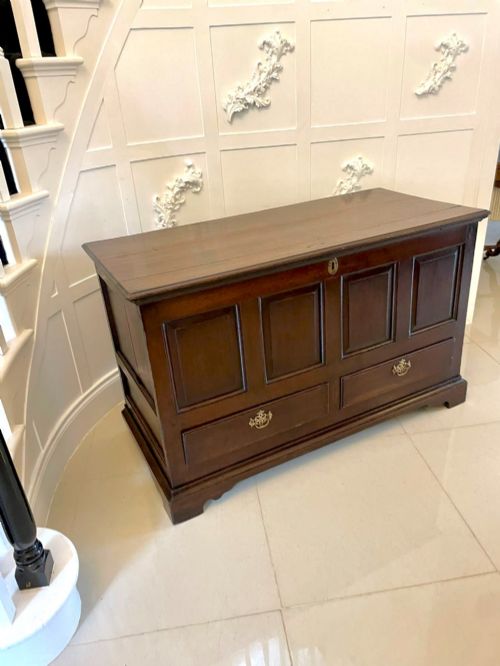
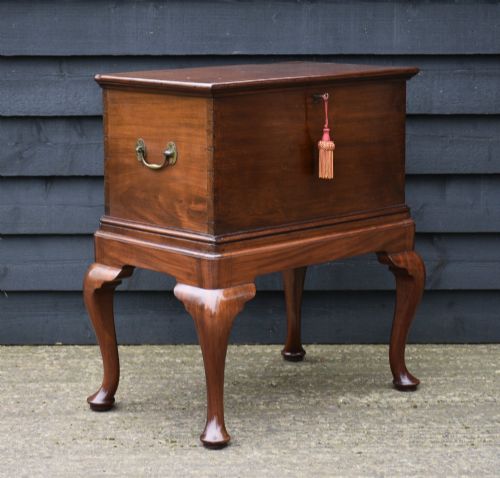
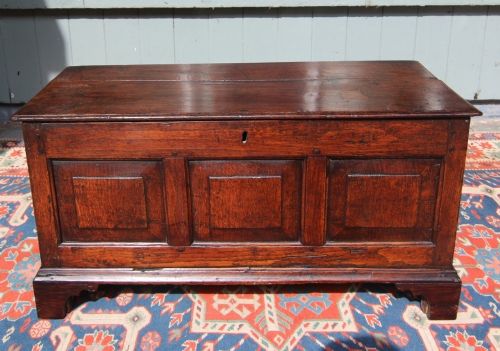
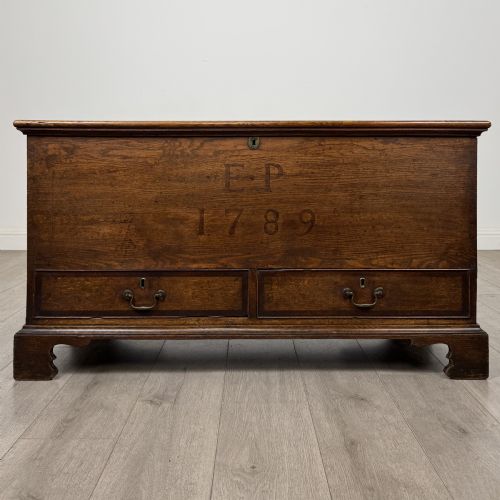
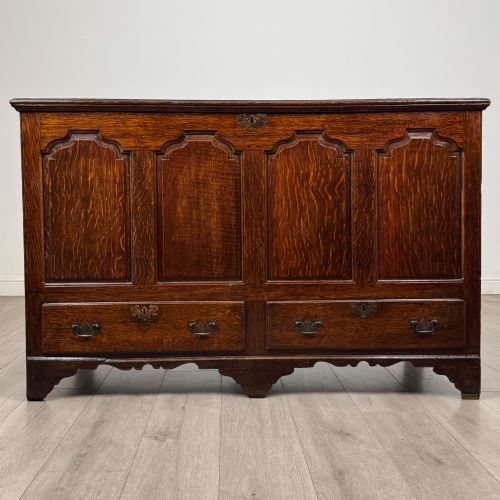
A georgian coffer box serves as a robust container for blankets, linens, and personal valuables, often taking the form of a hinged chest or mule chest fitted with lower drawers. The pieces gathered here span the seventeenth, eighteenth, and nineteenth centuries, alongside regional expressions such as Welsh coffer bach and Lancashire mule chests.
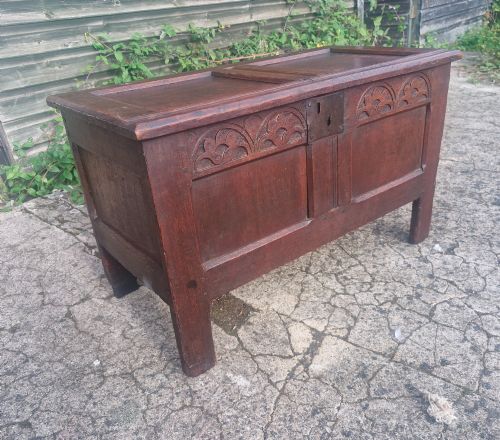
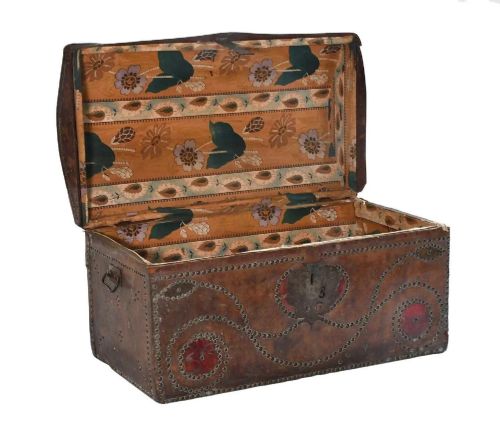
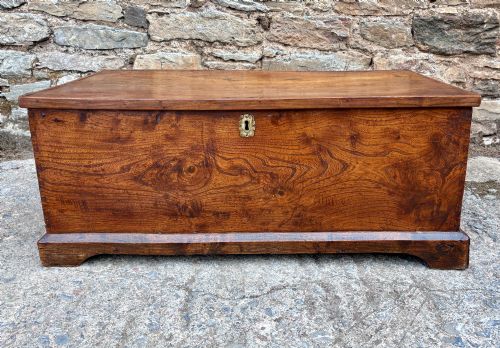
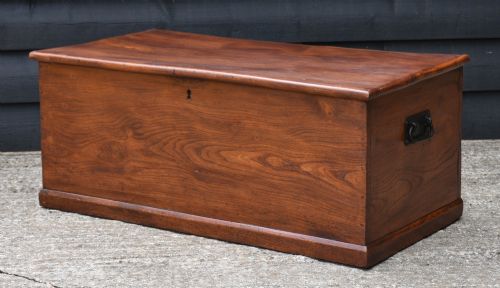
Most examples rely on native timber construction, reflecting domestic storage needs across country houses, farmhouses, and modest dwellings. Buyers encounter straightforward planked lids, carved panels, and specialised formats including military travelling chests and leather-bound trunks.
Materials and Joinery
Makers primarily utilised solid oak, elm, pine, and mahogany, frequently selecting timber based on local availability and the intended function of the box. Panels were pegged and joined to allow for natural wood movement over centuries of fluctuating household temperatures.
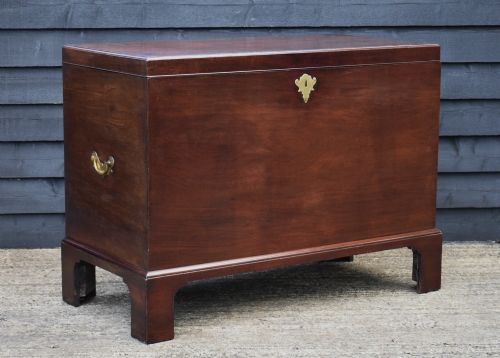
Hardware played a functional and structural role, incorporating wrought iron, brass studs, and metal banding to reinforce corners and lids. Leather covering and specialised mountings appeared on travelling trunks designed for coaching or military campaigns.
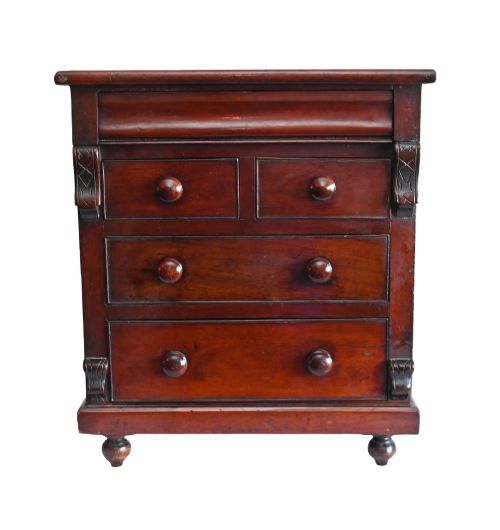
Some miniature apprentice pieces were built by hopeful young makers to prove their joinery skills to the guild.
Judging Quality and Construction
Quality rests upon the choice of timber and the integrity of the original construction, including untrimmed boards and intact structural pegging. Finer examples display thoughtful proportions, crossbanded mahogany veneers, or deliberate carved detail upon the front panels.
The survival of original iron or brass handles, hinges, and lock plates distinguishes superior pieces from those altered or heavily restored over generations. Internal condition, such as clean timber lining without extensive replacement, dictates the standing of a box.
Samuel Pratt·Wm. Insall of Bristol
The Georgian Coffer Box Glossary
- Mule chest
- A storage chest that incorporates one or more drawers beneath the main internal compartment. This form developed during the eighteenth century for improved organisation.
- Crossbanding
- A decorative technique where veneer strips are applied to the borders of a furniture piece so the grain runs perpendicular to the main surface.
- Bible box
- A small, sloped or flat-topped wooden box used to store sacred texts and writing materials. They frequently date to the seventeenth and eighteenth centuries.
Georgian Coffer Box: Frequently Asked Questions
What is a coffer box used for?
These boxes provided secure storage for household textiles, garments, and valuables before built-in closets became common. They functioned in bedrooms, hallways, and living spaces as versatile furniture.
Today, owners utilise them as coffee tables, blanket storage at the foot of a bed, or hallway seating while maintaining historic utility.
How do I tell an 18th century box from a 19th century one?
Examining the timber preparation, joinery methods, and hardware styles reveals the likely period of manufacture. Earlier pieces frequently show hand-riven oak boards and pegged joints.
Later nineteenth-century examples often introduce machine-sawn elements, secondary woods like pine or deal, and alternative locking mechanisms.
What is the difference between a coffer and a mule chest?
A standard coffer consists of a single deep storage compartment accessed solely through the top lid. This represents the older, more traditional form of domestic chest.
A mule chest adds one or more drawers beneath the main box, bridging the design gap between a simple chest and a full chest of drawers.
Are these boxes suitable for daily use?
Solid construction and durable native hardwoods like oak and elm allow these pieces to endure everyday domestic life. Their hinges and lids are built to handle regular opening.
Placing them away from direct heat sources and maintaining stable room humidity preserves the antique timber and finish over time.