
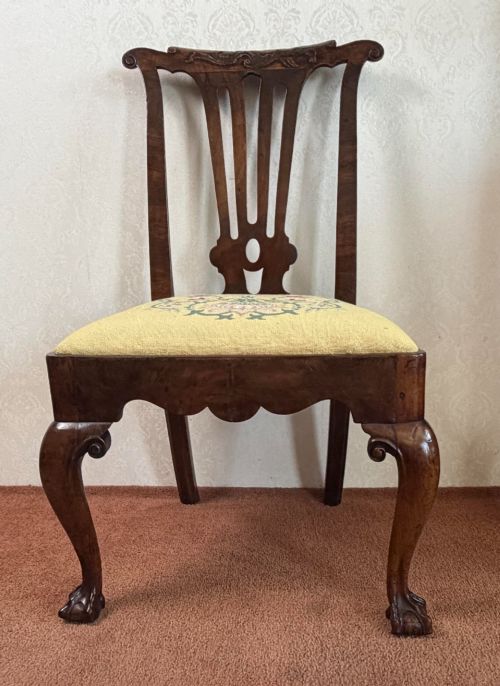
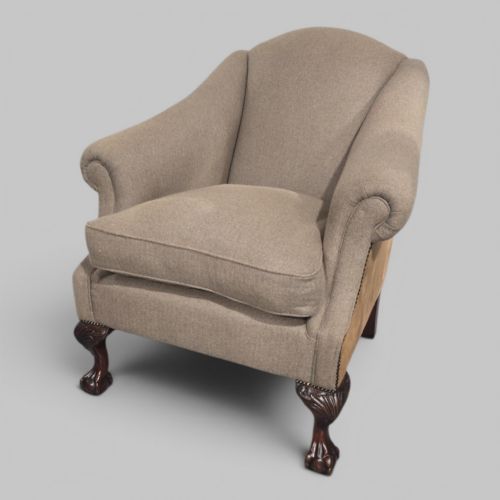


Georgian Claw Foot Chair
A georgian claw foot chair brings substantial mahogany or walnut timber and carved detail straight to the dining table or library.
Georgian Claw Foot Chair
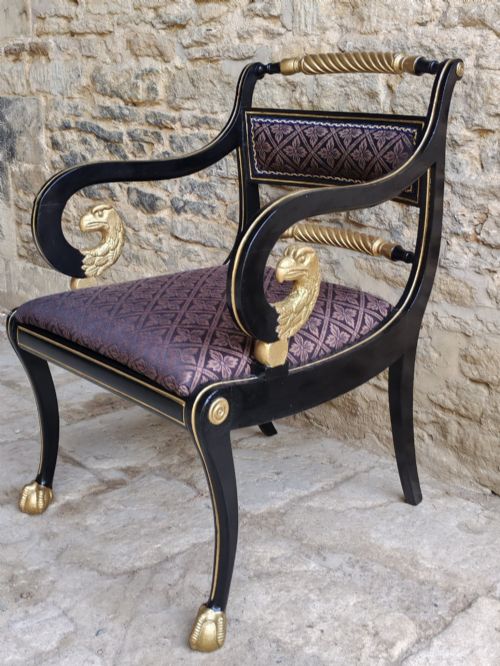
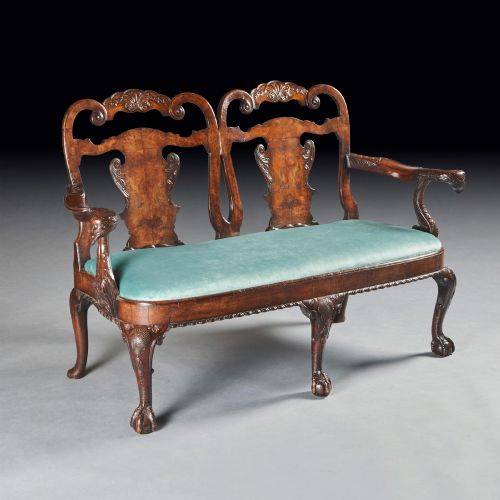
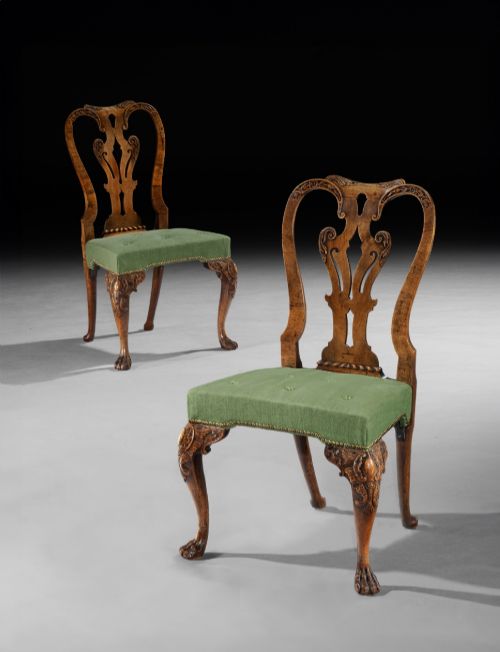
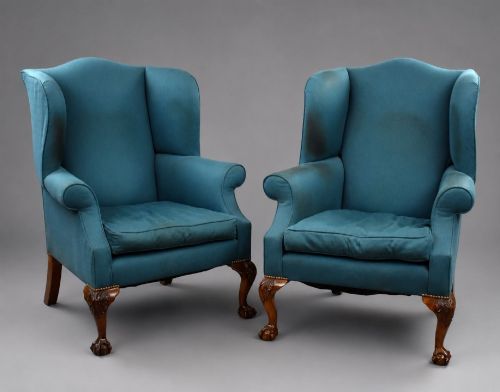
A georgian claw foot chair encompasses dining chairs, armchairs, library chairs, and settees originating from the eighteenth century alongside later revivals. Buyers searching for a georgian claw foot chair encounter authentic period items alongside Chippendale revival pieces from the nineteenth and early twentieth centuries.
Materials and construction
Makers relied heavily on dense hardwoods like mahogany and walnut to support elaborate carved details on legs, splats, and crest rails. Upholstered elements incorporate drop-in seats covered in fabric, leather, velvet, or textile.
Joinery methods involved precise mortise and tenon joints designed to withstand heavy daily use. Brass fittings occasionally appear on castors for library chairs and larger armchairs.
Listings span multiple centuries, including genuine eighteenth-century items alongside nineteenth-century George II revivals and early twentieth-century Chippendale reproductions in mahogany and walnut.
Distinguishing quality
Quality rests primarily in the crispness of the hand-carving on the knees and the claw feet, where deep relief work separates superior examples from softer, later recutting. The choice of timber grain and the structural integrity of the frame joints further dictate the standard of execution.
Proportion and stylistic consistency across a matched set elevate the desirability of dining chairs. Original surface patination on the timber preserves the historical character expected by serious collectors.
The Georgian Claw Foot Chair Glossary
- Cabriole leg
- A furniture leg that bends outward in a convex curve and tapers inward in a concave curve, mimicking an animal limb. This shape forms the structural base for many period seating designs.
- Drop-in seat
- A removable frame upholstered separately and dropped into a recess in the chair rails. It allows for straightforward reupholstery without dismantling the main frame.
- Chippendale style
- A decorative vocabulary inspired by eighteenth-century cabinet maker designs featuring elaborate fretwork and carved claw feet. Revivals of this aesthetic appeared frequently during the nineteenth and early twentieth centuries.
- Splat
- The vertical central strip of wood in the back of a chair. It receives decorative carving and shaped contours to support the sitter's back.
Georgian Claw Foot Chair: Frequently Asked Questions
How do I spot a true eighteenth century piece?
Examine the timber construction beneath the seat frame for hand-cut joints and period tool marks. Old mahogany and walnut develop a deep, dry surface patina that modern reproductions struggle to replicate.
Check the timber species used for secondary framing components, as regional workshops utilised local woods for interior braces. Subtle irregularities in symmetry often point towards genuine hand execution rather than mechanical production.
Are these chairs suitable for daily dining?
Many solid mahogany and walnut examples retain robust structural integrity suitable for regular seating. Ensuring the frame joints remain tight prevents long-term damage during daily use.
Updating the upholstery fabric allows these chairs to integrate with modern interiors while preserving the historic timber frame. Care should be taken with antique seating heights compared to contemporary table standards.
What defines the claw and foot design?
The foot typically depicts a bird's talon clutching a spherical ball, carved directly from the timber at the base of a cabriole leg. This motif gained widespread popularity during the eighteenth century across British seating.
Variations occur in the tightness of the grip and the detailing of the talons, reflecting different regional workshops and periods. This feature serves as a primary visual anchor for dating and attributing the piece.
How should I care for walnut wood?
Maintain a stable indoor humidity level to prevent the hardwood from drying out and splitting over time. Avoid placing antique timber furniture in direct sunlight or near active heat sources.
Apply traditional wax sparingly and buff with a soft cloth to preserve the natural lustre of the grain. Water spills should be dried immediately to protect the antique polish.