

Georgian China Cabinet
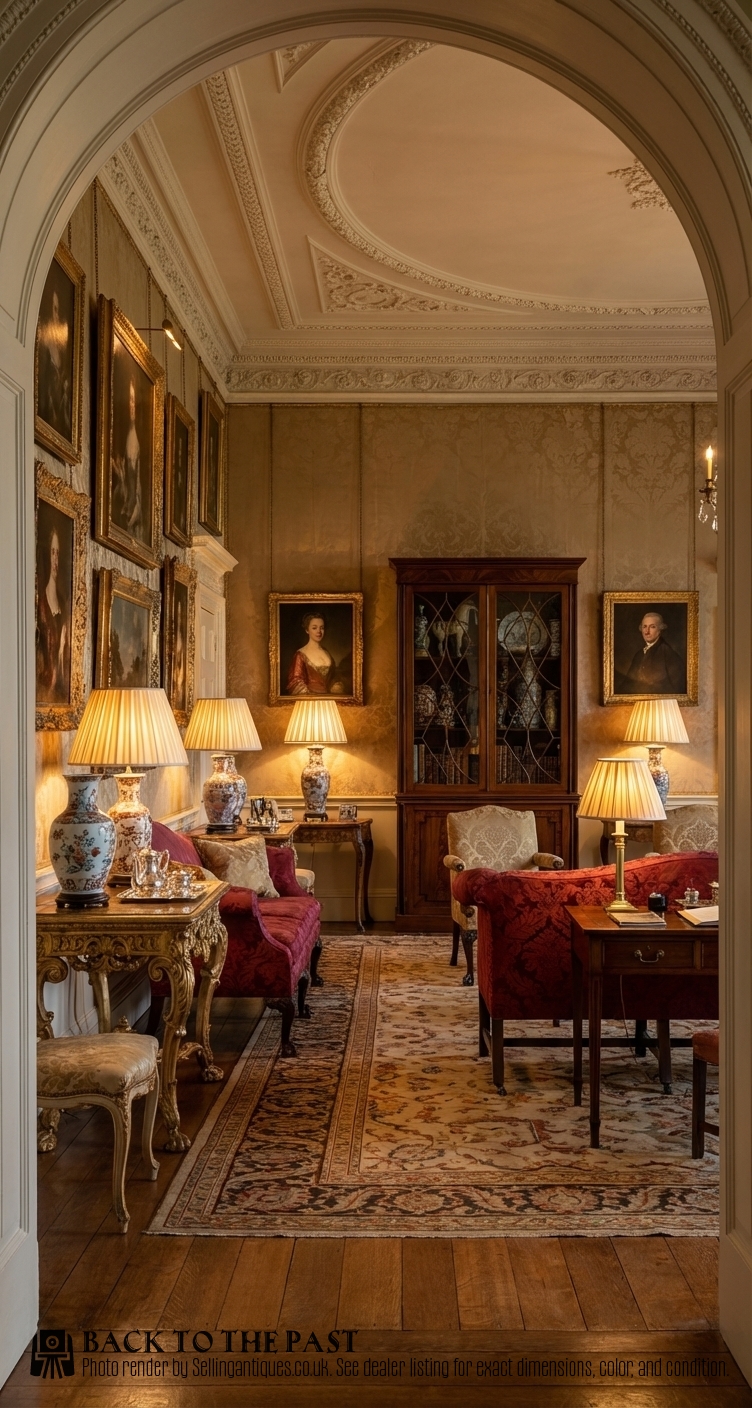
A georgian china cabinet brings refined timber and glazed display into a room, holding precious ceramics behind disciplined wooden framing.
Georgian China Cabinet
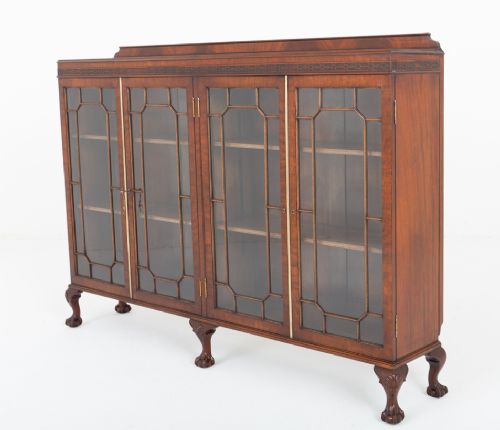
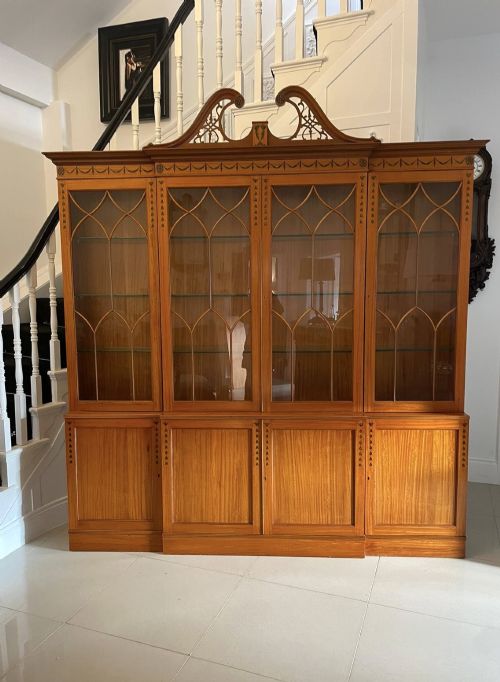
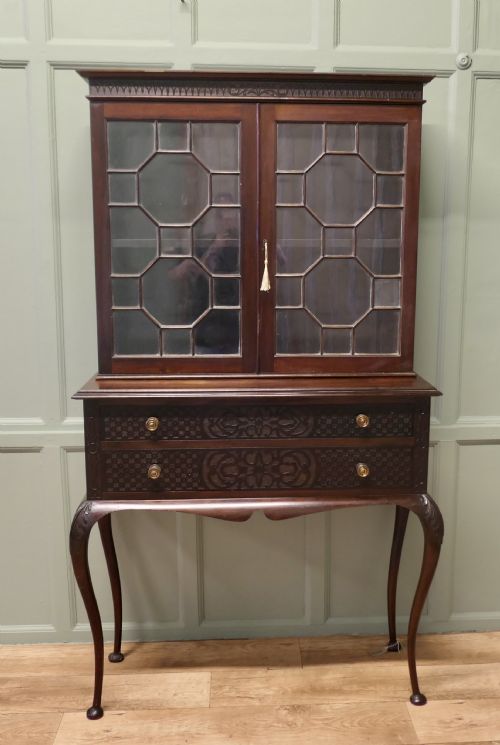
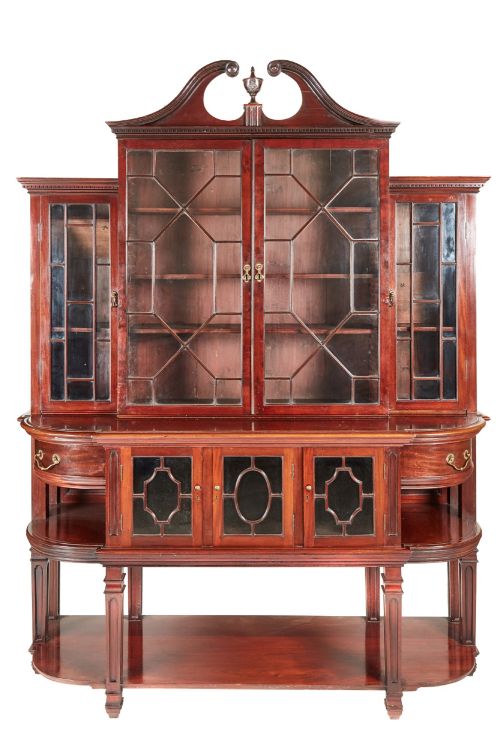
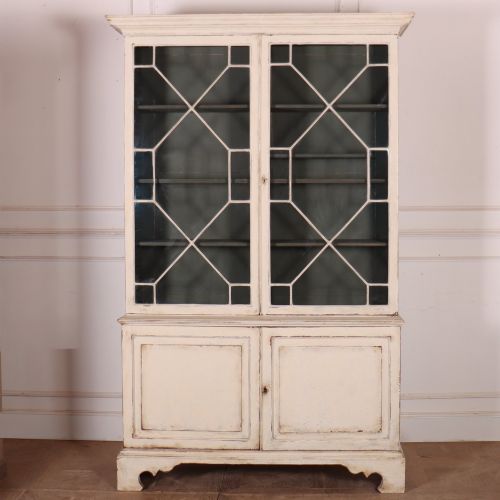
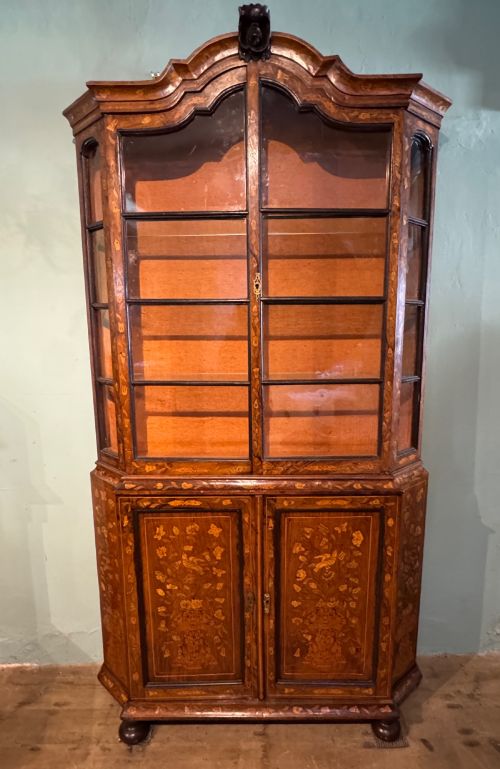
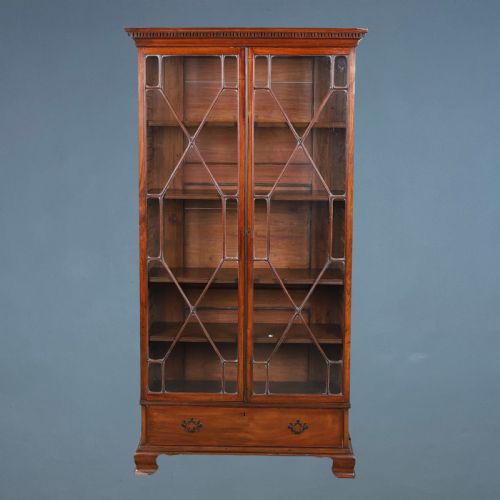
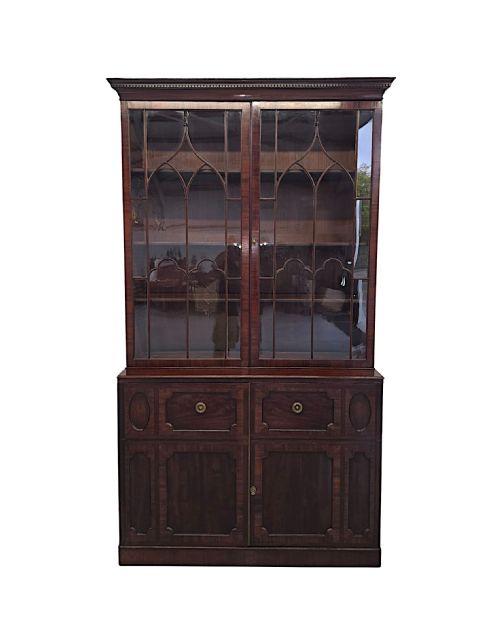
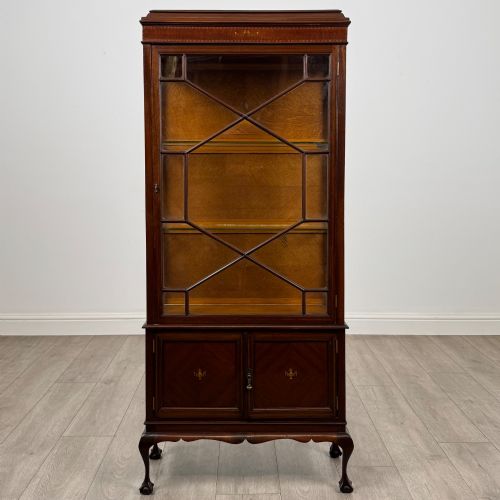
A georgian china cabinet encompasses tall breakfront bookcases, corner cupboards, and floor-standing display furniture designed to showcase fine porcelain and glassware. These pieces emerge in mahogany, oak, and walnut, often featuring glazed doors with astragal bars that divide the glass panes into geometric patterns.
Buyers encounter genuine 18th-century pieces alongside later revival styles from the Victorian and Edwardian eras, as well as specific regional forms like the Welsh cwpwrdd gwydr. The selection spans grand breakfronts intended for formal libraries to compact corner units built to utilise domestic space.
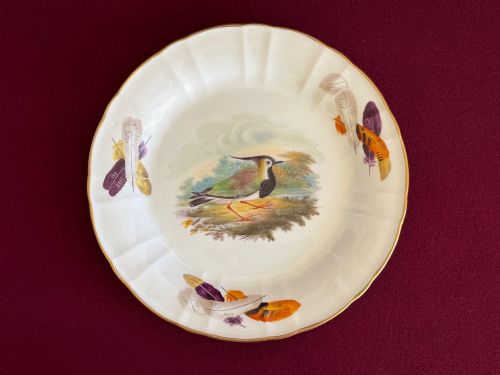
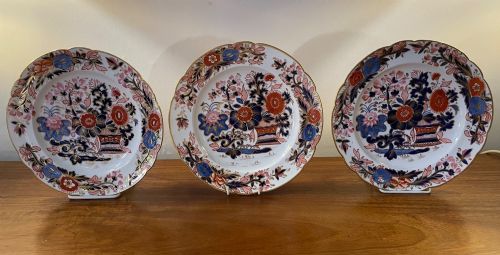
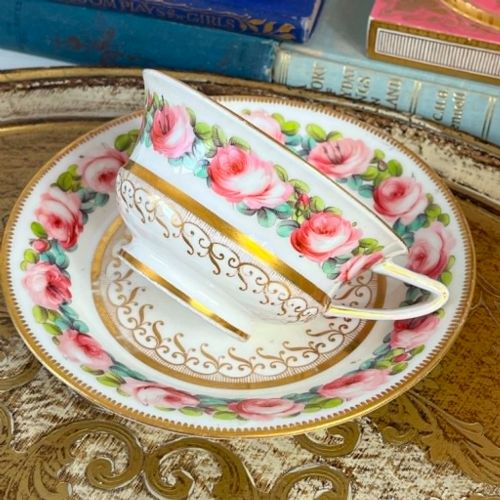
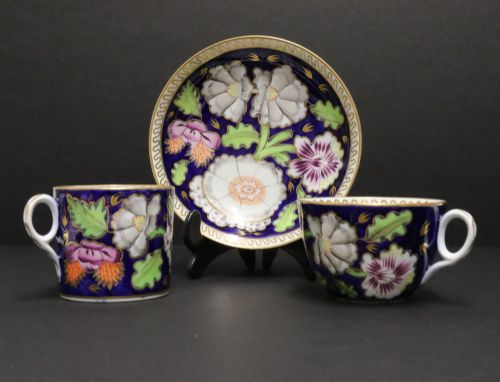
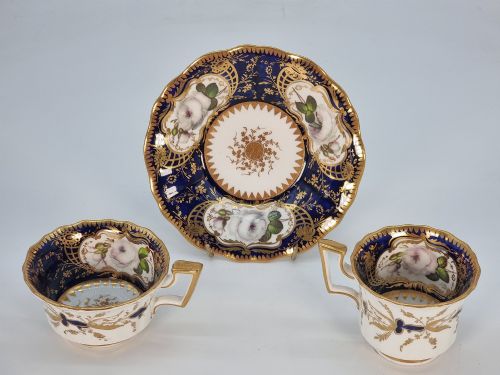
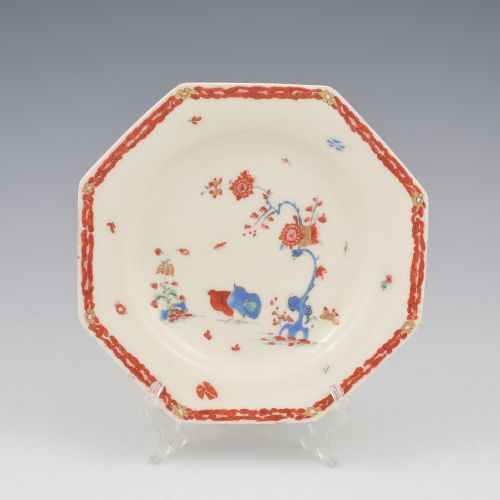
Alongside timber furniture, the phrase brings up ceramic plates, trios, and cups from factories recorded in the archive. These porcelain and ironstone items complement the cabinetry, representing the domestic china once housed within such furniture.
Materials and construction
Cabinet makers relied predominantly on solid and veneered mahogany, oak, and walnut, frequently enhancing surfaces with satinwood inlay, marquetry, and original painted decoration. Brass fittings secure doors and interior shelves, while gold leaf occasionally accents carved architectural mouldings.
Glazing relies on delicate wooden astragal bars arranged in gothic, astragal, or Chinese Chippendale fretwork patterns to hold individual panes of glass. Carved details draw upon classical vocabularies, visible in the work associated with designers like William Kent or later revival workshops.
Georgian China Cabinet Retail Price Guide 2026
Typical asking prices for georgian china cabinet among the pieces listed under this phrase on Sellingantiques today, from the lower quarter to the upper quarter. They describe what is for sale here now, not the wider market.
Porcelain and ironstone items include works from Derby, Coalport, and Worcester alongside cabinet furniture.
Judging quality
Quality rests in the precision of the timber selection, such as figured mahogany or burr walnut, and the crispness of carved mouldings and fretwork. Proportions dictate the architectural success of a piece, separating balanced formal furniture from simpler utilitarian cupboards.
The sophistication of the glazing bars indicates the maker's skill, with slender, intricate astragal patterns demanding greater joinery expertise than plain single-pane doors. Original surfaces, including aged patina and untouched painted decoration, hold higher regard than later restorations or heavy refinishing.
Wedgwood·Newhall·Coalport·Bow·Davenport·Bloor Derby·Chamberlain·Wylie and Lochhead·Maple and Co
The Georgian China Cabinet Glossary
- Astragal glazed
- Descriptive of glass doors divided into smaller panes by thin wooden mouldings called astragal bars. These intersecting bars create grid patterns typical of the period.
- Breakfront
- A large cabinet design where the central section projects forward from the flanking wings. This architectural arrangement adds depth and shadow to the facade.
- Imari palette
- A decorative scheme employing underglaze blue, iron-red, and gilt on porcelain, inspired by Japanese export wares. British factories frequently adopted these rich patterns.
- Cwpwrdd gwydr
- A traditional Welsh glazed cabinet used for displaying domestic crockery and provisions. These oak pieces reflect regional carpentry traditions.
- Cabinet trio
- A set comprising a teacup, coffee cup, and matching saucer made by porcelain manufacturers. They represent the refined drinking habits of the period.
Georgian China Cabinet: Frequently Asked Questions
How do I clean the glass?
Use a soft microfibre cloth and a mild glass cleaning solution applied directly to the cloth rather than the wood. Avoid letting moisture touch antique timber or painted surfaces.
Take care around delicate astragal bars, as older timber can be fragile and undue pressure may loosen the glazing joints.
Where should I place a cabinet?
Position the piece away from direct sunlight and strong heat sources to prevent the timber from warping or drying out. Stable interior humidity protects both the wood and any displayed ceramics.
Ensure the floor is level so the heavy doors hang correctly and latch smoothly into their original brass fittings.
Can I adjust the shelves?
Many older cabinets feature fixed wooden shelving integral to the interior structure rather than modern adjustable tracks. Altering them requires professional conservation to preserve the original joinery.
Plan the height of your display items beforehand to ensure larger porcelain plates or vessels fit the existing shelf clearance.
How do I date the timber?
Examine the secondary woods used for drawer linings and interior carcases, such as oak or pine, alongside the method of construction. Hand-cut dovetails and tool marks provide clues to the period of manufacture.
Compare the style of the cornices, feet, and glazing bars against documented examples from Georgian, Regency, and revival eras.