


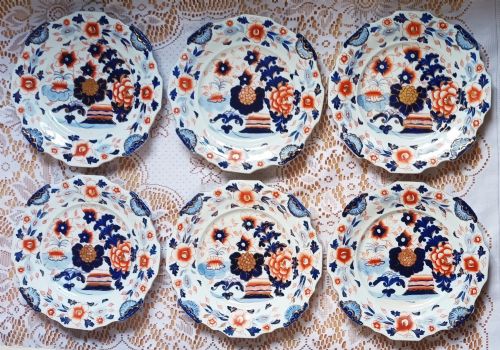


Georgian Ceramic Display Plate
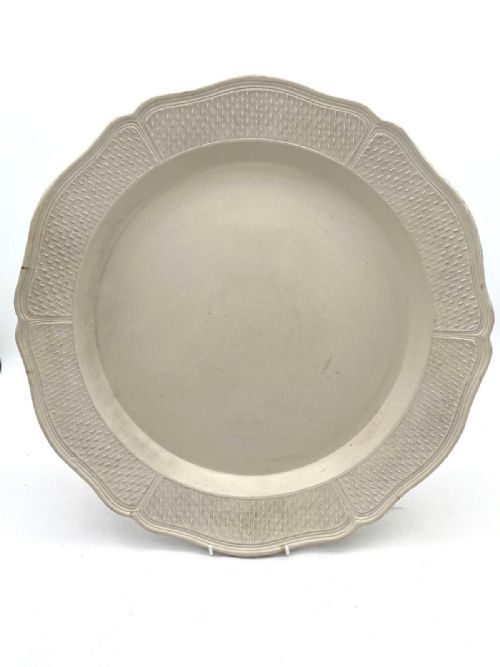
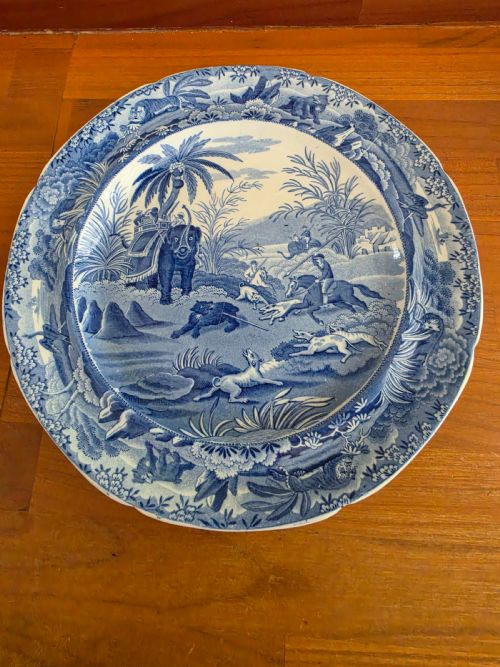
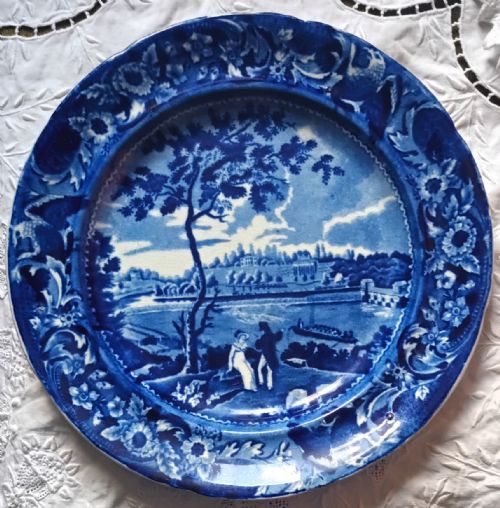
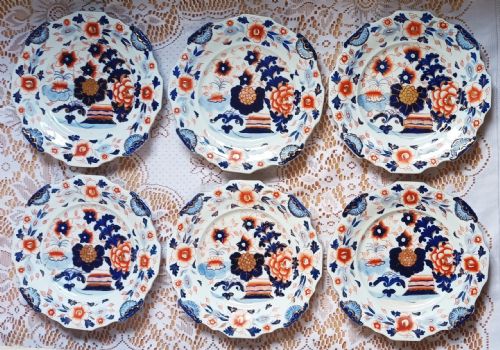
When you search for a georgian ceramic display plate, you are looking at tin-glazed chargers, bone china cabinet plates and pearlware dishes made for display.
Georgian Ceramic Display Plate
A georgian ceramic display plate covers a broad span of decorative tableware produced across the eighteenth and early nineteenth centuries. Buyers encounter tin-glazed delftware chargers alongside bone china cabinet plates and transfer-printed earthenware dishes intended for visual appreciation rather than daily dining.
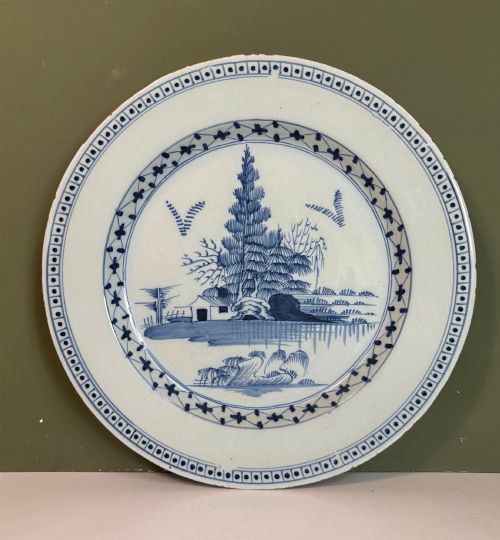
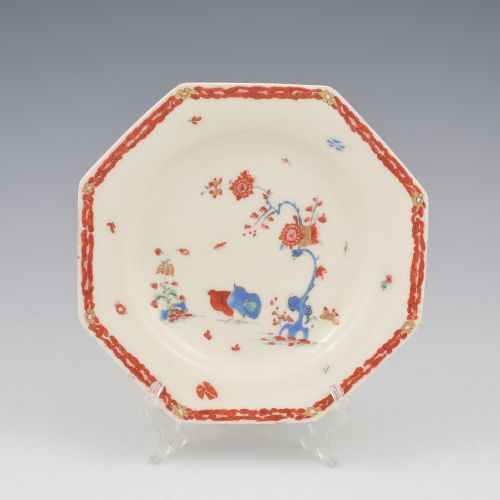
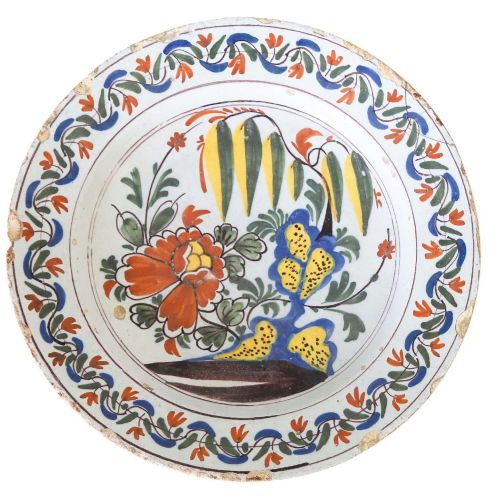
The selection here ranges from mid-eighteenth-century delft chargers adorned with polychrome or blue and white motifs to early nineteenth-century porcelain and ironstone plates. Forms include large chargers, octagonal cabinet plates, serving dishes and smaller cabinet plates originating from English and European potteries.
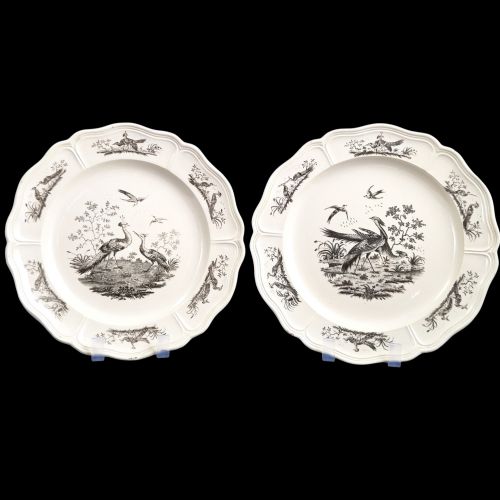
Makers and styles span domestic pearlware, creamware and porcelain painted with floral, botanical, botanical or historical scenes. These pieces reflect the shift from hand-painted delftware traditions toward refined porcelain and transfer-printed ironstone production.
How they were made
Potters shaped these objects using earthenware, bone china, ironstone and porcelain, often applying tin glaze to create an opaque white surface for hand-painted pigments. Early delftware pieces relied on tin-glazed earthenware fired with mineral colours, while later factories utilised bone china and refined pearlware bodies.
Decoration involved hand-painted cobalt blue, polychrome enamels, transfer printing and occasional touches of gold leaf. Skilled painters applied floral, Chinoiserie or figurative designs directly onto the unfired or biscuit-fired ceramic before a final glaze firing fixed the colours.
Plates preserve scenes of bears meeting their end, biblical crucifixions and birds posing in the garden.
What varies in quality
Quality rests in the precision of the hand-painted brushwork or the clarity of the transfer-printed image across the surface. Finer examples display crisp detail in complex patterns like Kakiemon or botanical studies, whereas simpler pieces show broader strokes and minor kiln imperfections.
The choice of body material also defines the tier of the piece, moving from porous earthenware and tin-glazed delft to translucent bone china and durable ironstone. Well-preserved glazes and intact painted or gilt borders elevate the visual impact of a cabinet plate.
Wedgwood·Spode·Barr, Flight and Barr·William Adams·Bloor Derby
The Georgian Ceramic Display Plate Glossary
- Charger
- A large decorative plate or dish designed to be hung on a wall or stood on a sideboard rather than used for serving food. These pieces measure larger than standard dining plates.
- Pearlware
- A refined form of earthenware developed in the late eighteenth century with a slightly bluish glaze that pooled in recesses to mimic Chinese porcelain.
- Transfer printing
- A method of applying a printed design to ceramic ware by transferring ink from an engraved copper plate onto tissue paper and then onto the biscuit body.
- Ironstone
- A heavy, durable type of earthenware patented in the early nineteenth century that resisted chipping and provided a sturdy base for printed and painted decoration.
Georgian Ceramic Display Plate: Frequently Asked Questions
How are display plates dated?
Dating relies on stylistic markers, factory marks, body composition and the specific painting techniques used on the ceramic surface.
Examinations of the glaze type and potting style help distinguish mid-eighteenth-century delftware from later nineteenth-century bone china and ironstone productions.
Were these plates used for dining?
Most chargers and larger cabinet plates were made primarily for visual display on walls, dressers or sideboards rather than everyday table use.
Their decorative surfaces and fragile tin glazes or delicate porcelain bodies made them unsuitable for rough handling during meals.
What is the difference between delft and porcelain?
Delft consists of a porous earthenware body covered in an opaque tin glaze that accepts hand-painted pigments directly on the surface.
Porcelain is a vitrified, dense ceramic material that is fired at higher temperatures, resulting in a whiter, harder and often translucent body.
How do I care for antique ceramic plates?
Keep these pieces away from direct sunlight and extreme temperature fluctuations to protect the fragile glaze and painted decoration.
Dust them gently with a soft dry cloth and avoid washing them in water, particularly if they feature porous earthenware or delicate gold leaf.