
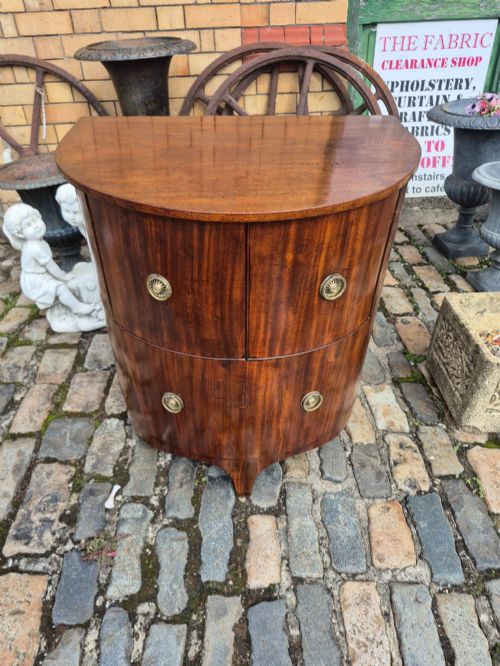
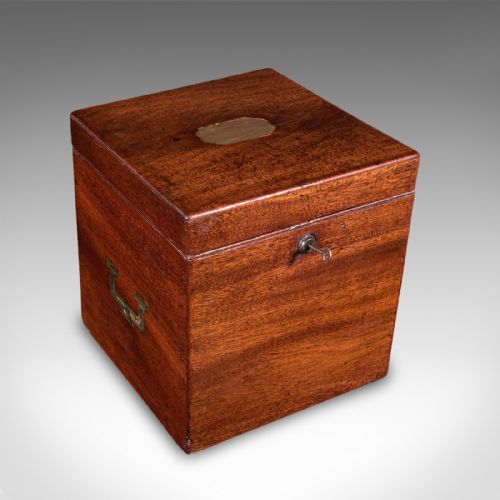
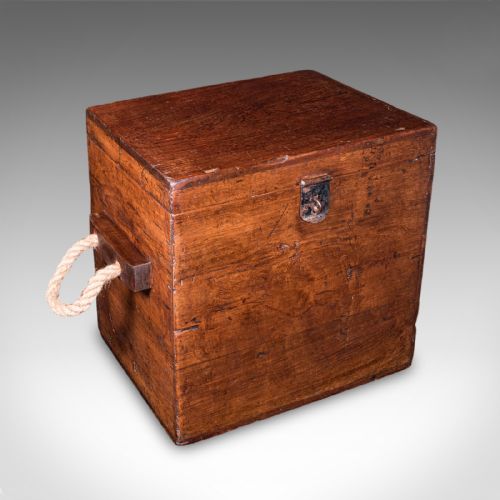
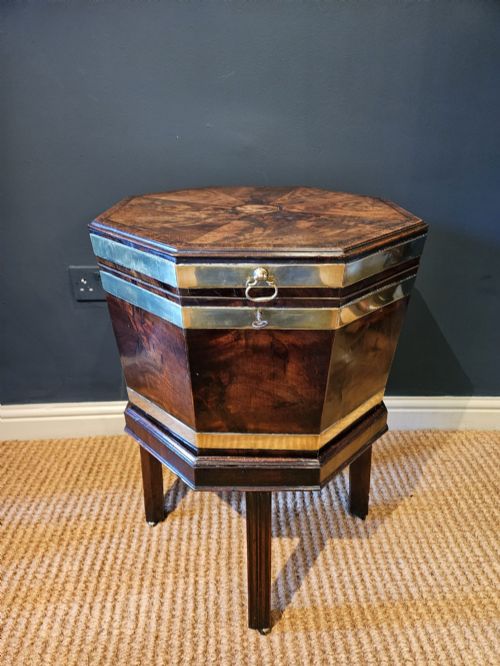
Georgian Cellarette Chest
A georgian cellarette chest is a substantial timber wine cooler designed to hold bottles in formal dining rooms during the eighteenth and nineteenth centuries.
Georgian Cellarette Chest
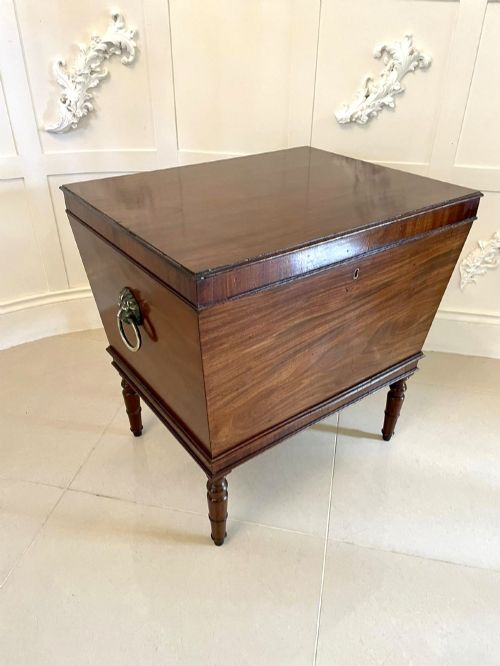
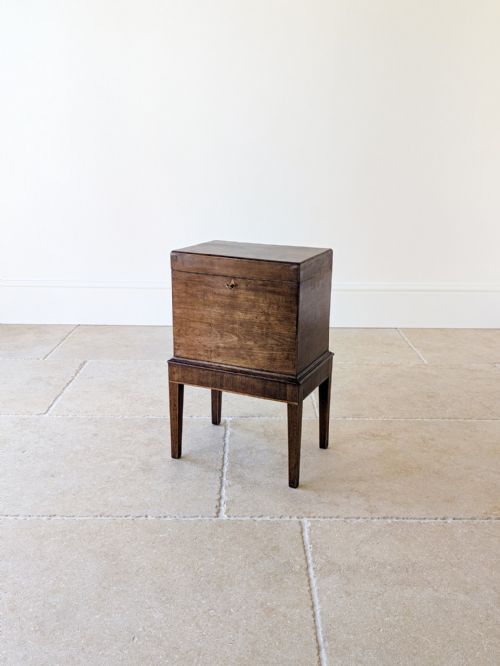
When you search for a georgian cellarette chest, you encounter a specialised piece of antique furniture built to cool or store wine. These items span the eighteenth and nineteenth centuries, emerging across Georgian, Regency, and Victorian periods.
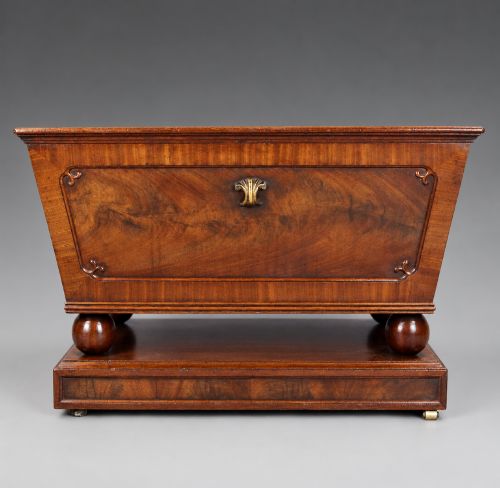
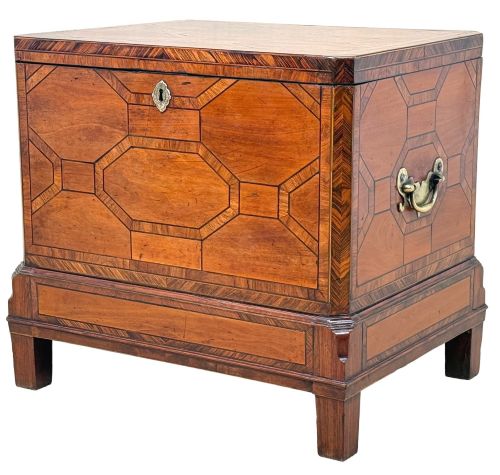
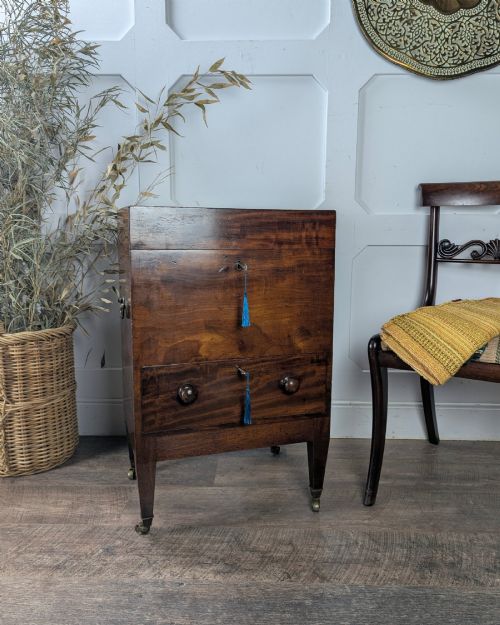
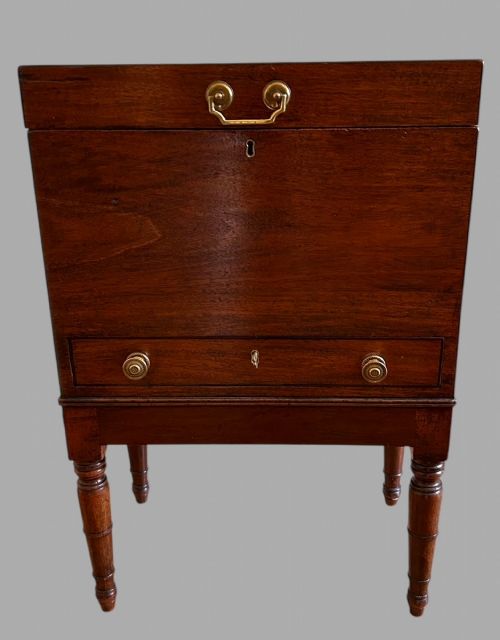
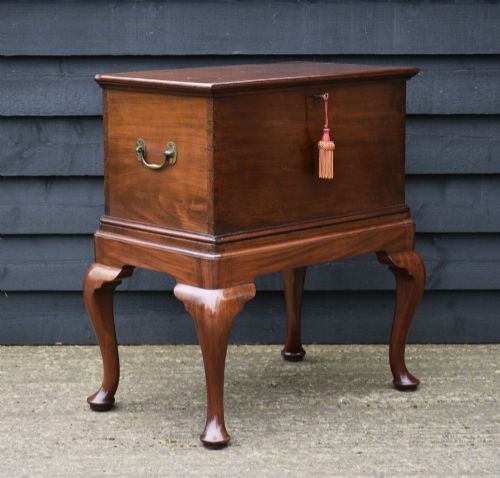
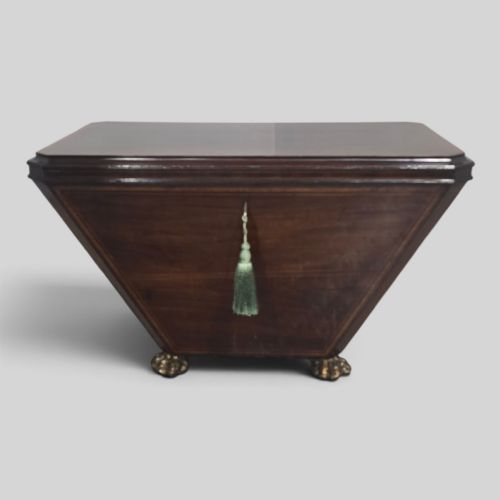
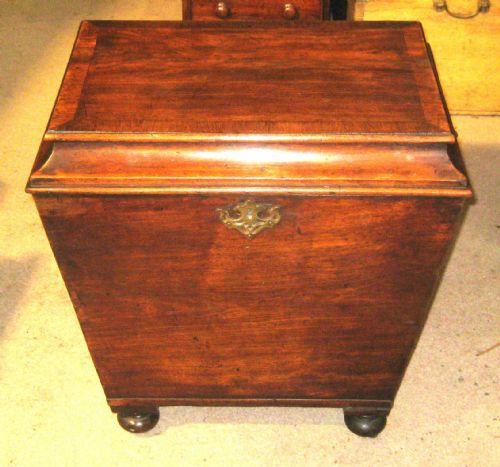
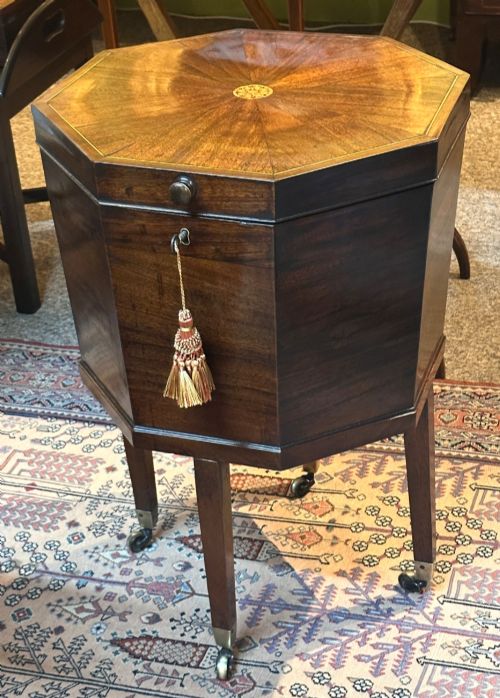
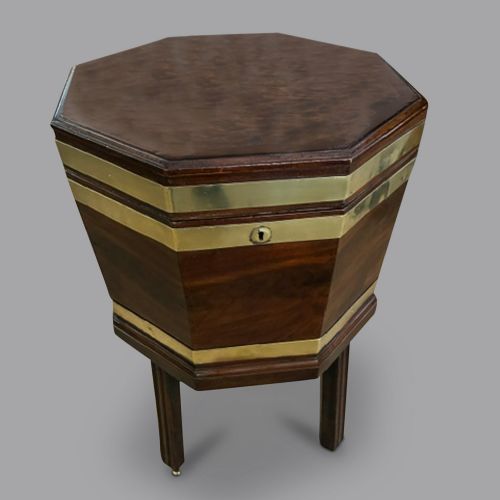
The selections here most frequently take the form of freestanding boxes, sarcophagus shapes, and octagonal coolers resting on stands. Timbers such as mahogany and flame mahogany dominate the selection, often accented with brass bands and boxwood inlay.
Materials and construction
Cabinet makers utilised dense hardwoods like solid and veneered mahogany, complemented by decorative additions of satinwood, pollard oak, and kingwood. Metal components, particularly brass mounts and handles, reinforced the structural corners and heavy lids of these storage pieces.
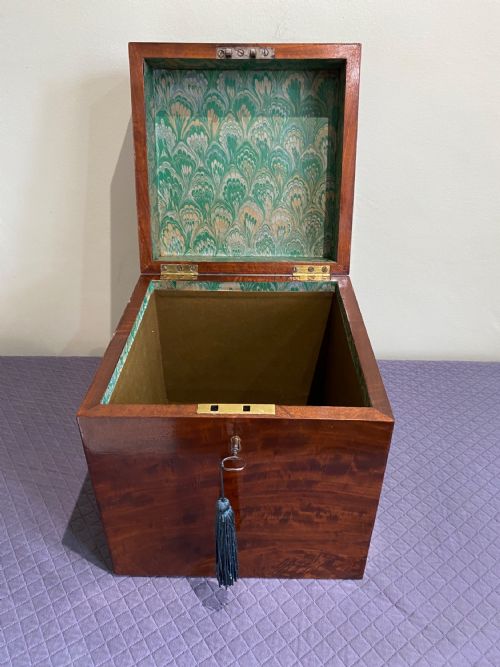
Internal spaces frequently incorporate original lead linings designed to hold ice and water for chilling wine bottles. Joinery methods relied on precise box construction, occasionally raised upon fitted timber stands or tapering legs.
Assessment of standard
The distinction between ordinary and superior examples rests upon the grain figure of the timber and the crispness of any inlaid decoration. Highly figured flame mahogany or contrasting pollard oak elevate the visual presence of a piece.
Integrity of the original internal lead lining and retention of period brass hardware significantly affect the completeness of the item. Pieces associated with documented makers or distinct regional workshops demonstrate superior cabinet work.
Edwards and Roberts·Gillows·Gillingtons
The Georgian Cellarette Chest Glossary
- Cellarette
- A lockable chest or box constructed specifically for holding and cooling wine bottles in a dining room. These containers often featured internal divisions to keep bottles separated.
- Sarcophagus
- A monumental coffin-like form with a steep domed lid and curved sides, popular during the Regency period for large wine coolers.
- Flame mahogany
- Timber cut from the fork of the mahogany tree to produce a distinctive flickering, highly decorative grain pattern. Cabinet makers reserved this veneer for primary display surfaces.
- Lead lining
- A protective internal sheet metal layer fitted inside wine coolers to hold ice safely without rotting the surrounding timber. Surviving linings add considerable authenticity to a chest.
- Stand
- A raised frame with legs supporting a heavy box or chest above floor level. Stands are sometimes integral to the design or detachable.
Georgian Cellarette Chest: Frequently Asked Questions
How were cellarettes used?
These chests sat in the dining room during meals to keep wine bottles cool and secure. Servants filled the internal lead compartments with ice and water to chill the contents before serving.
Locked lids prevented staff from accessing the expensive vintages stored inside. After dinner, the chest remained a prominent decorative fixture in the formal interior.
What is a sarcophagus cellarette?
This term describes a wine cooler shaped like an ancient stone coffin, featuring a heavy domed lid and flared sides. Makers adopted this classical architectural silhouette during the Regency period.
Such pieces usually stand on paw feet or a plinth base rather than tall legs. Their monumental proportions suit larger reception rooms and grand dining spaces.
Are lead liners original?
Many surviving examples retain their fitted metal interiors designed to hold melting ice. The presence of an authentic lead liner indicates the piece performed its intended cooling function.
Replacements do occur during restorations, but original linings preserve the historical integrity of the interior. Buyers look for these sealed compartments when assessing completeness.
How do I date a cellarette?
Cabinet shapes and timber choices help determine the period of manufacture. Earlier eighteenth-century examples favour straightforward octagonal or rectangular boxes on stands, while Regency pieces embrace sarcophagus curves and carved paw feet.
Details like brass handle mounts, boxwood stringing, and veneer types further narrow the decade of production. Documentation or maker stamps provide definitive chronological markers.