
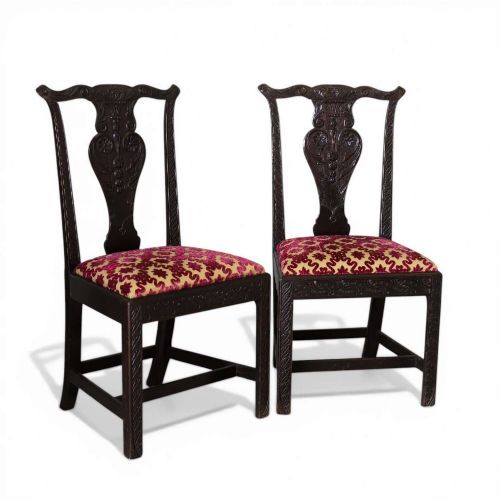
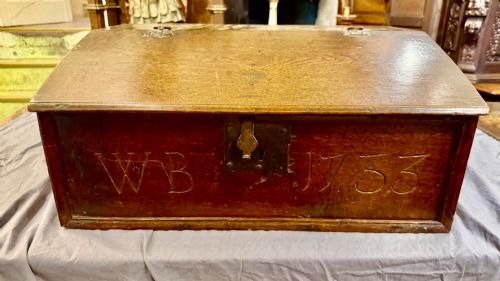
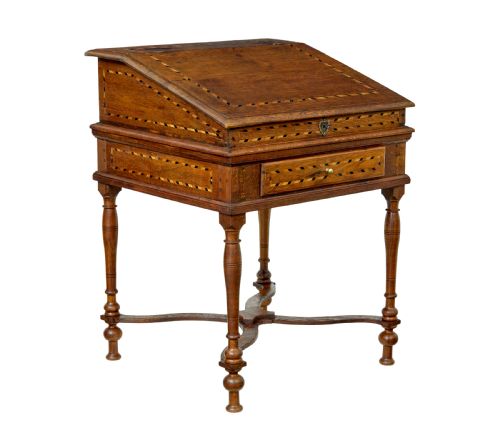
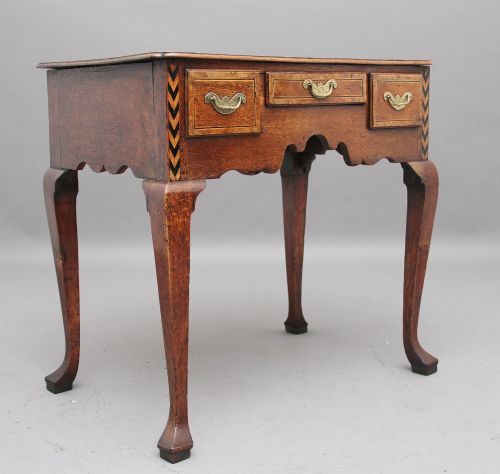


Georgian Carved Oak Desk
When you search for a georgian carved oak desk, you encounter utilitarian writing furniture shaped by regional English workshops and country house tastes.
Georgian Carved Oak Desk
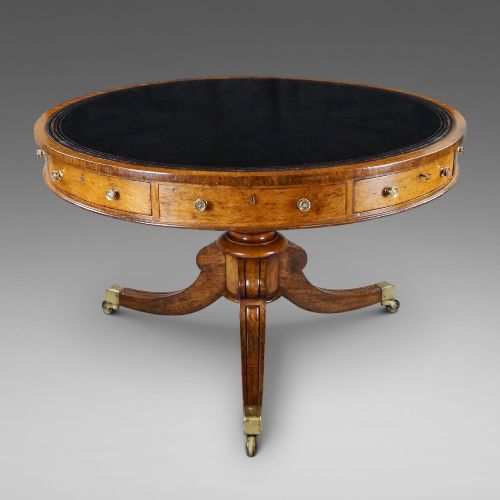
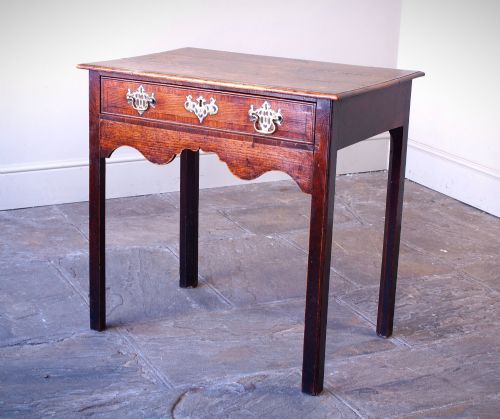
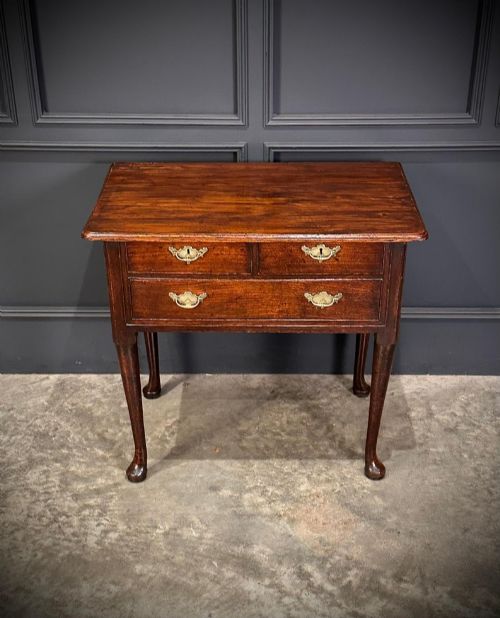
A georgian carved oak desk brings together bureau forms, lowboys, and writing slopes produced during the eighteenth and nineteenth centuries. These items served practical daily administration in domestic and country house settings rather than formal state use.
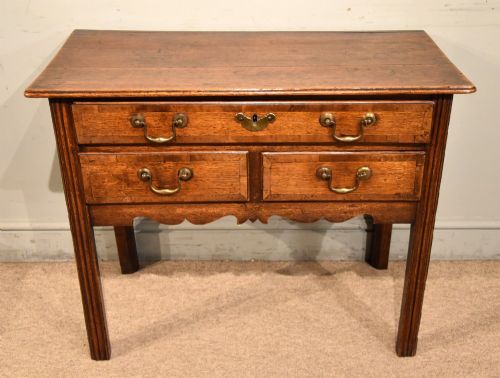
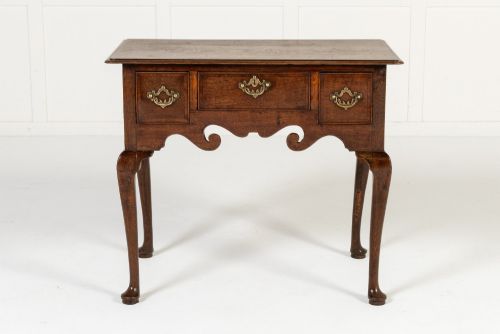
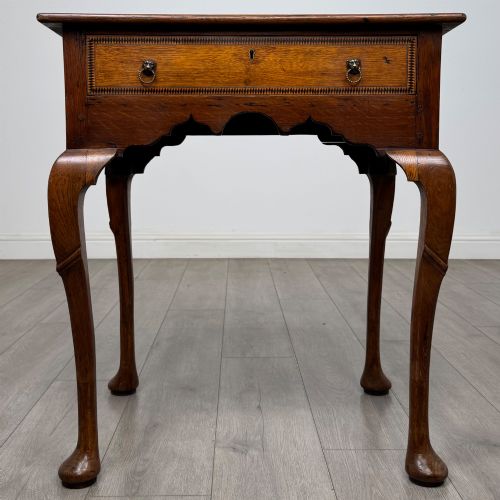
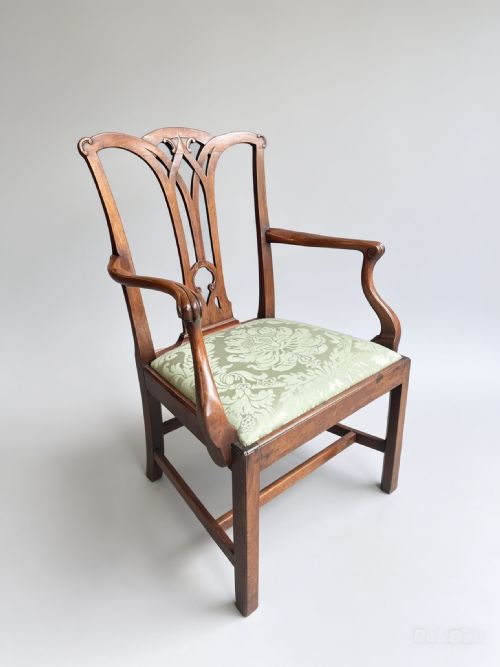
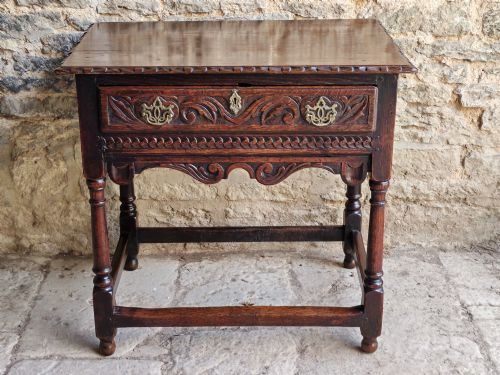
The listings on this page concentrate heavily on lowboys, side tables, and bureau forms built in regional timber. Buyers find both simple provincial examples and carved desks displaying heavier period revivals or country interpretations.
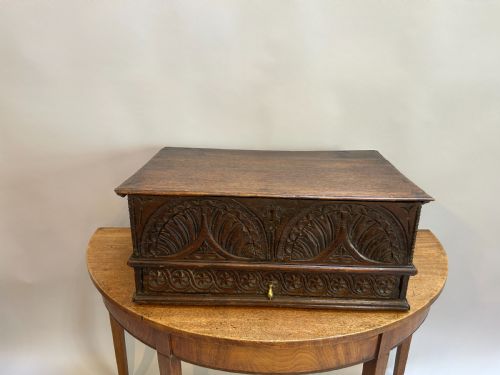
Makers ranged from local cabinet makers working in English shires to Dutch workshops exporting inlaid writing furniture. The forms span seventeenth-century bible boxes through to nineteenth-century library tables and Edwardian revivals.
How they were made
Joiners built these pieces primarily using native oak, frequently supplemented by fruitwood, elm, and ash for secondary framing or internal drawer linings. Timber selection depended upon regional availability across English, Welsh, and Scottish workshops.
Construction relied upon traditional mortise and tenon joints, hand-cut dovetails for drawer boxes, and pegged framing. Hardware typically involved iron or brass handles, escutcheons, and hinges affixed by hand.
Several bible boxes retain secret compartments cunningly hidden behind false drawer backs for storing family valuables.
What varies in quality
Quality depends upon the tightness of structural joinery, the integrity of the timber panels, and the depth of hand carving. Superior pieces retain their original brassware, uncompromised drawer linings, and rich surface patination built through centuries of use.
Lower tiers often show extensive timber replacement, unsympathetic modern refinishing, or structural sagging from damp environments. The crispness of carved mouldings and the balance of proportions distinguish standard provincial cabinet work from finer commissions.
The Georgian Carved Oak Desk Glossary
- Lowboy
- A small table with drawers, commonly used as a dressing table or writing surface during the eighteenth century. These pieces usually feature cabriole or straight legs supporting a fitted frieze.
- Bureau
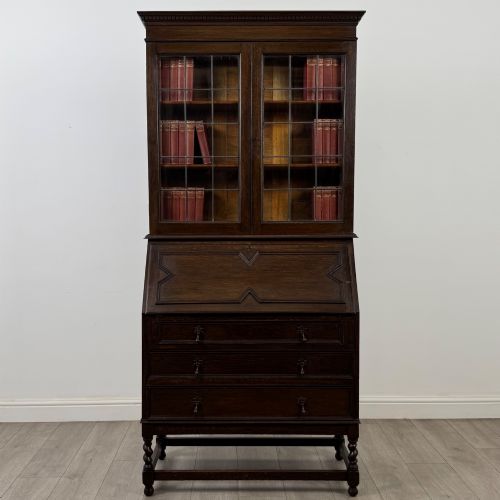
- A slant-front desk that encloses a fitted interior of small drawers and pigeonholes above larger chest drawers. The hinged flap serves as a writing surface when lowered.
- Bible box
- A small wooden chest with a sloping lid, designed to hold household texts and writing materials before dedicated desks became common. They were often placed upon tables for use.
- Writing slope
- A portable box with a slanted lid that opens to reveal storage compartments for paper and ink. These pieces date across the eighteenth and nineteenth centuries.
- Patina
- The surface sheen and colour developed by wood over long periods of handling, polishing, and exposure to light. Collectors value untouched surfaces that display this natural ageing.
Georgian Carved Oak Desk: Frequently Asked Questions
What is the difference between a lowboy and a desk?
A lowboy functions primarily as a small side table featuring one or more drawers beneath a flat top, whereas a desk is specifically designed for writing with dedicated internal compartments.
Lowboys often served multiple domestic roles including dressing and serving, while bureau desks provided secure storage for correspondence behind a sloping writing flap.
How do I identify oak from other timbers?
Oak displays distinct visible grain patterns known as medullary rays, appearing as small flecks or silver ribbons across the surface. It offers heavy weight and a robust texture.
Fruitwood and elm present smoother, tighter grains without the characteristic oak figuring, helping buyers separate primary timber species used in regional furniture.
Were these desks made in workshops or factories?
These pieces emerged from regional carpentry shops and provincial cabinet makers rather than industrial factories. Individual artisans constructed each item using hand tools and local timber supplies.
Variations in carving styles and drawer construction reflect the distinct methods of regional makers working across England, Wales, and Scotland.
How should I care for an antique oak surface?
Maintain oak surfaces by dusting with a dry cloth and applying natural beeswax sparingly to nourish the timber. Avoid modern silicone sprays and keep furniture away from direct heat sources.
Stable indoor humidity prevents the timber panels from splitting and preserves the historical surface patination built up over generations.