
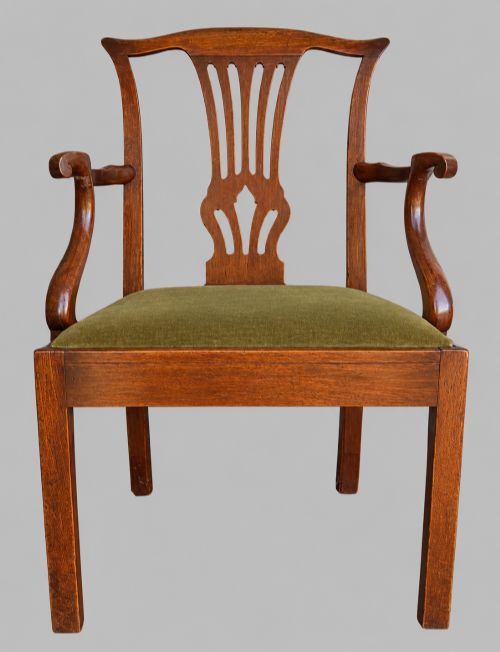
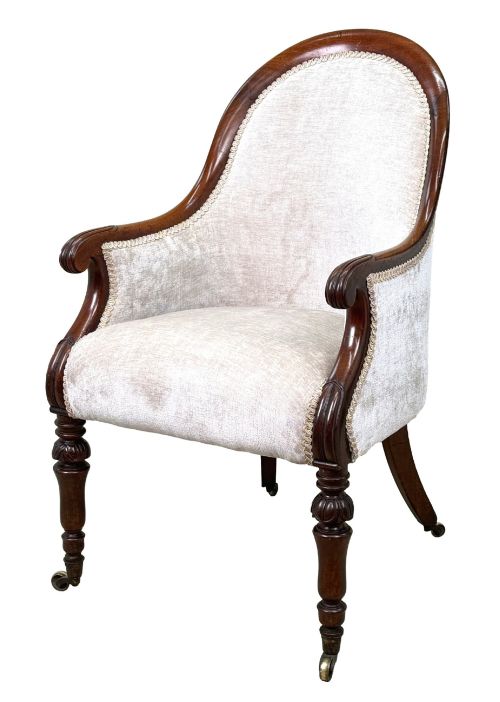
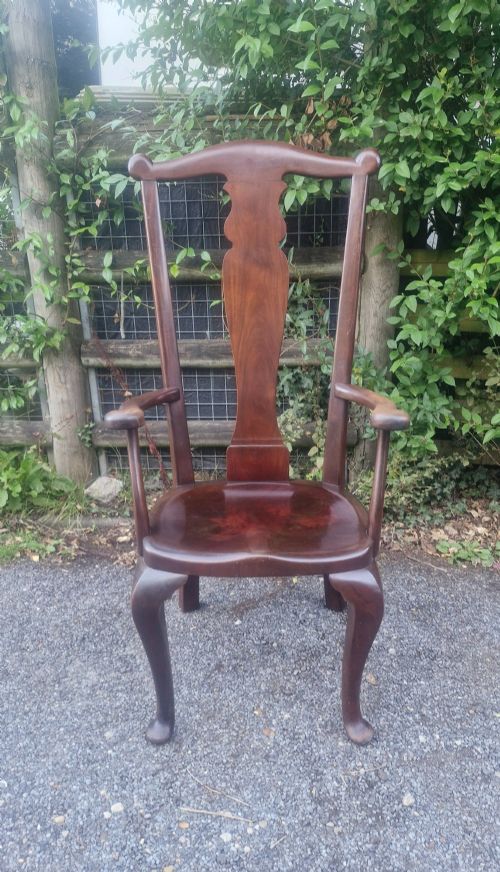
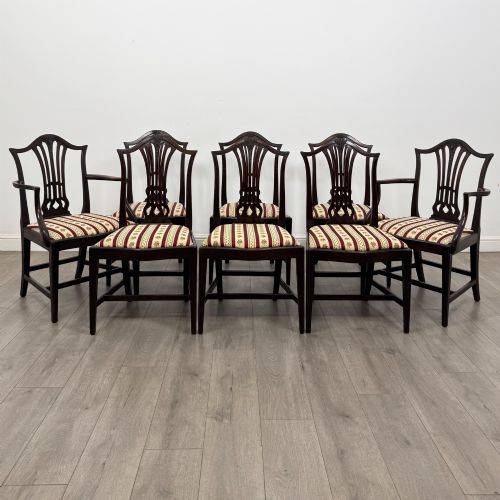
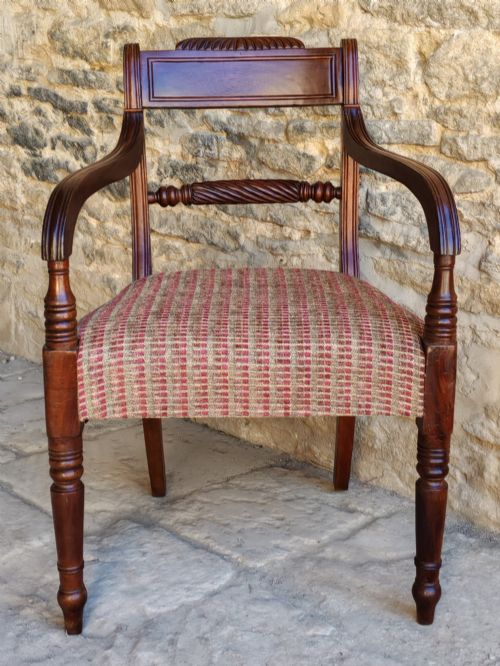
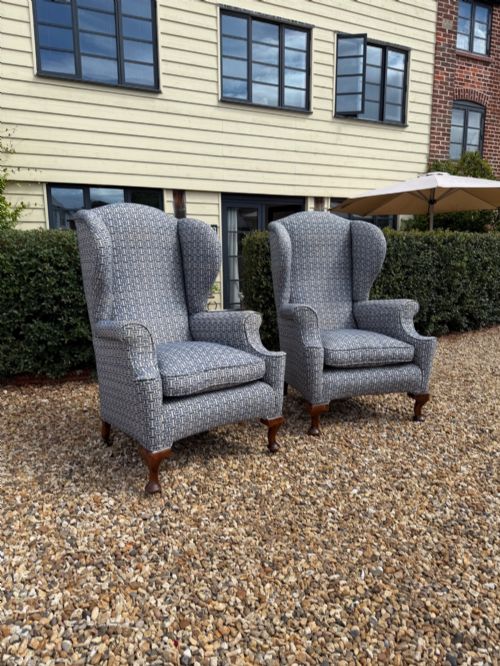
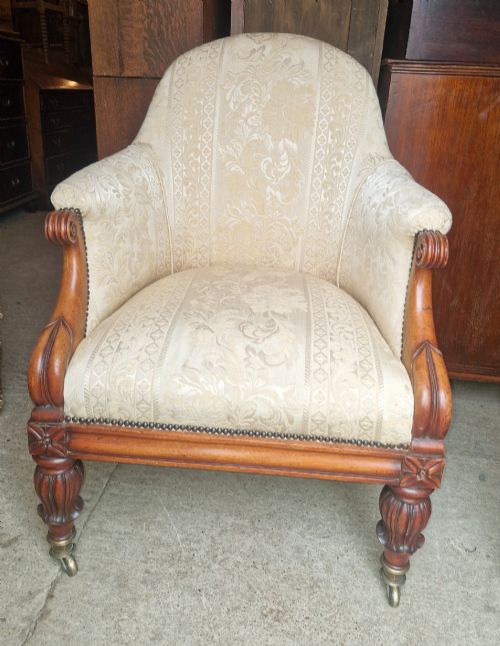
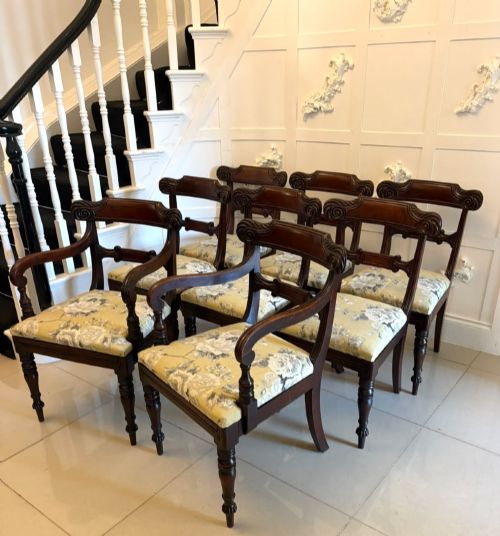
Georgian Carved Mahogany Armchair
A georgian carved mahogany armchair brings solid timber and traditional seating craft into a room, offering both presence and historical utility.
Georgian Carved Mahogany Armchair
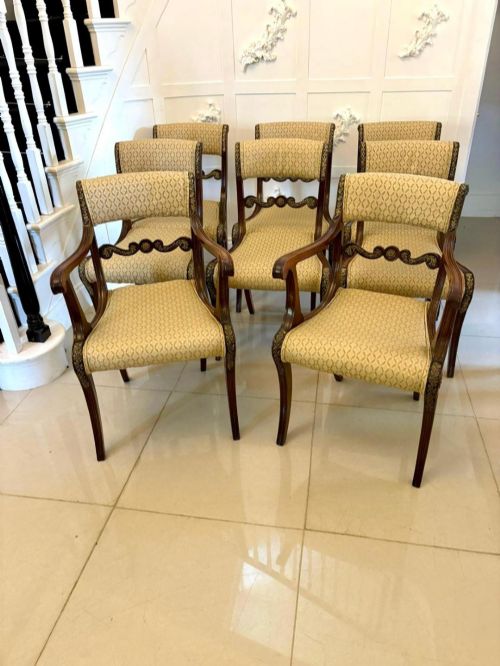
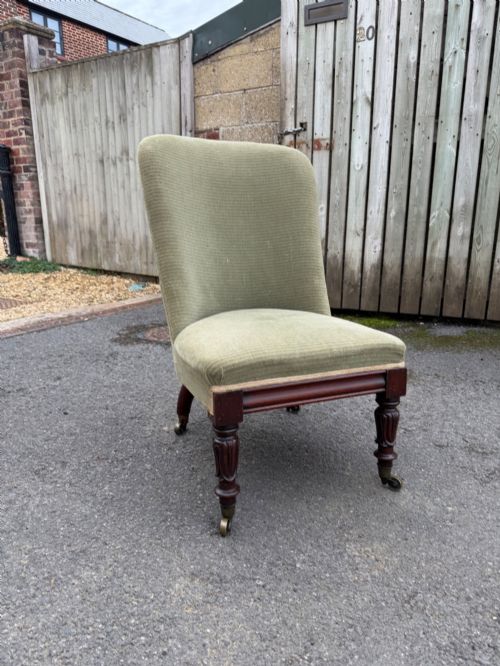
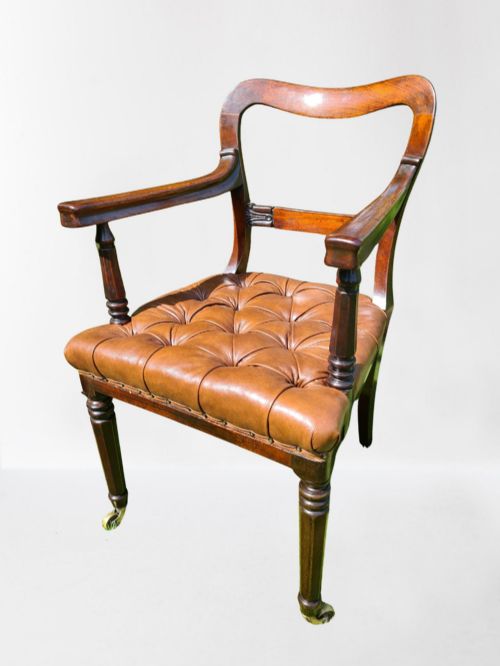
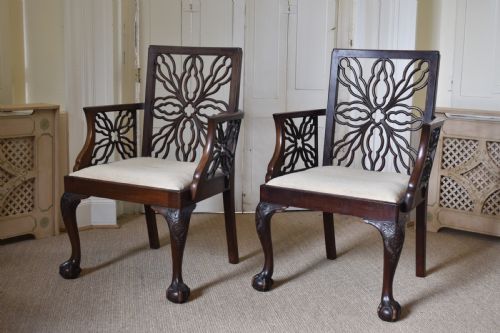
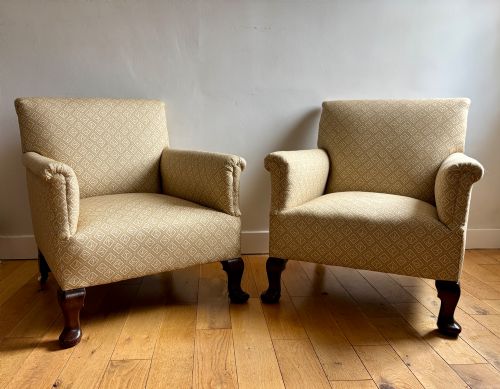
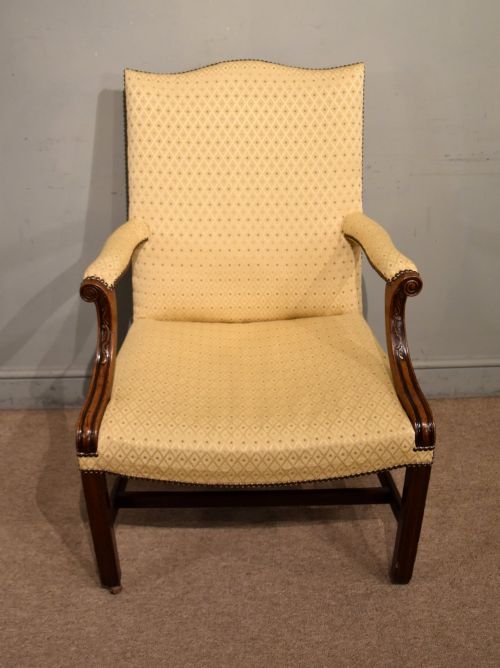
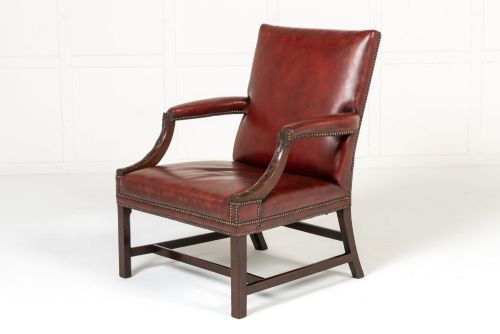
Buyers seeking a georgian carved mahogany armchair encounter seating originating from the 18th century, Regency period, and later revival eras including Edwardian and Victorian interpretations. The forms vary from library armchairs and Gainsborough chairs to desk chairs, carvers, and dining chairs.
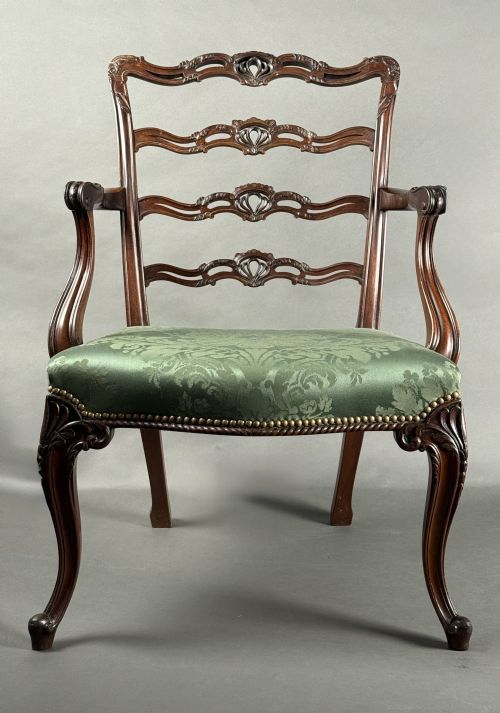
Most examples found on this page reflect the enduring influence of Chippendale, Hepplewhite, and Sheraton designs, often incorporating open arms, upholstered elements, and detailed woodwork.
Factors determining quality
The standard of carving distinguishes superior pieces, particularly where blind fretwork, ropeback details, or shield backs display crisp lines and deliberate depth rather than soft definition.
Structural integrity, the selection of timber grain, and the retention of original components or period-appropriate materials separate standard workshop production from exhibition quality examples.
One listed example is specifically designated as a drunkard's chair, built wide for unsteady gentlemen.
Whytock & Reid·Waring & Gillow
The Georgian Carved Mahogany Armchair Glossary
- Mahogany
- A durable, reddish-brown tropical hardwood favoured for fine cabinet making and heavy structural frames.
- Gainsborough chair
- A wide, upholstered armchair with open padded arms, popular in the 18th century for libraries and desks.
- Carver
- An armchair designed to match a set of dining chairs, typically positioned at the head of a table.
- Shield back
- A chair back shaped like a heraldic shield, characteristic of Hepplewhite and later revival designs.
- Blind carving
- Low-relief ornamentation carved directly into a solid flat surface without piercing the timber.
Georgian Carved Mahogany Armchair: Frequently Asked Questions
How do I identify a true period piece?
Examine the timber colour, tool marks, and joinery methods beneath the upholstery where visible. Period examples show appropriate wood shrinkage and hand-cut joints rather than modern fasteners.
Compare the proportion and carving crispness with documented pieces from the same era to confirm authenticity.
Where were library armchairs placed?
These chairs stood near bookshelves, writing desks, and fireplaces in large country houses and town residences. Their generous proportions accommodated formal clothing and prolonged reading.
They functioned as moveable seating designed for comfort and conversation rather than fixed dining room furniture.
What is the difference between a carver and a library chair?
A carver generally refers to an armchair that matches a set of dining room chairs, featuring a lighter frame suited to being moved around a table. A library chair is typically broader, lower, and fully upholstered for sustained sitting.
Library models often incorporate leather or heavy fabric panels and heavier mahogany arm supports.
How should I care for mahogany and leather?
Keep wooden frames away from direct heat sources and sudden humidity changes to prevent timber splitting. Dust regularly with a dry cloth and feed leather surfaces with appropriate conservation balms.
Avoid chemical polishes that build up wax layers over delicate carved details.