

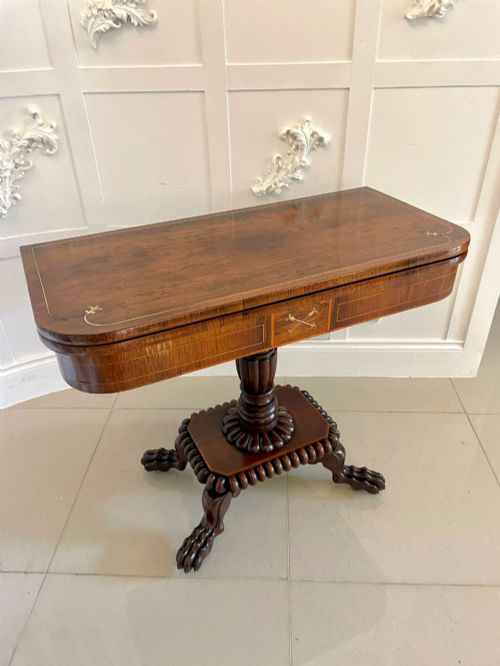
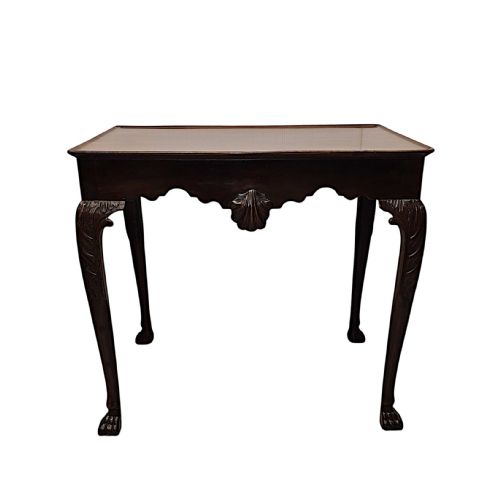
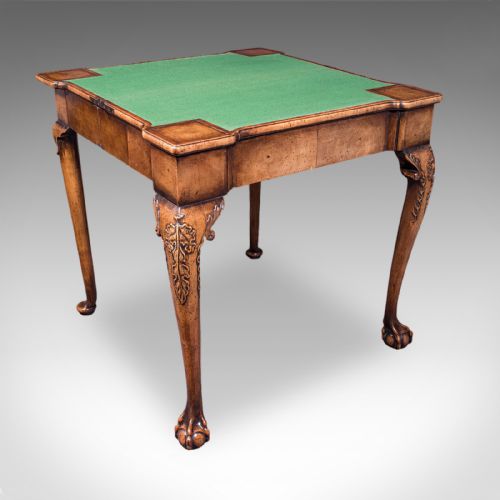
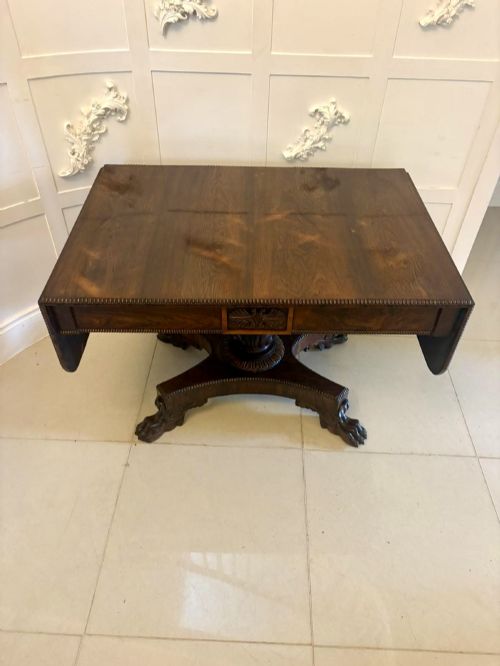
Georgian Carved Foot Table
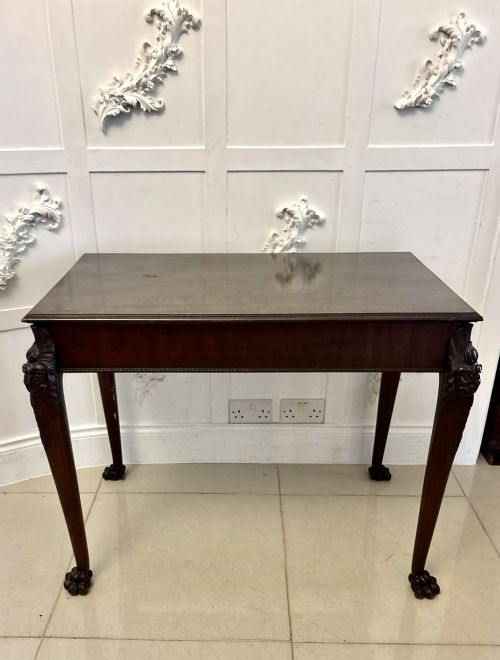
A georgian carved foot table brings solid timber and sculptural support together, offering a timeless anchor for a traditional room.
Georgian Carved Foot Table
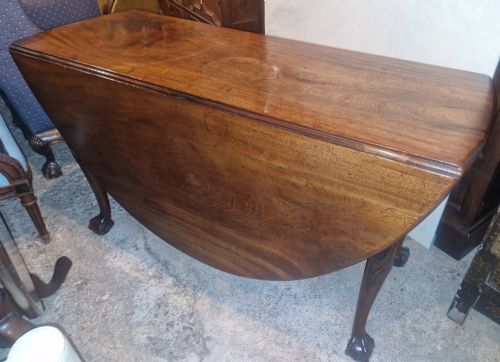
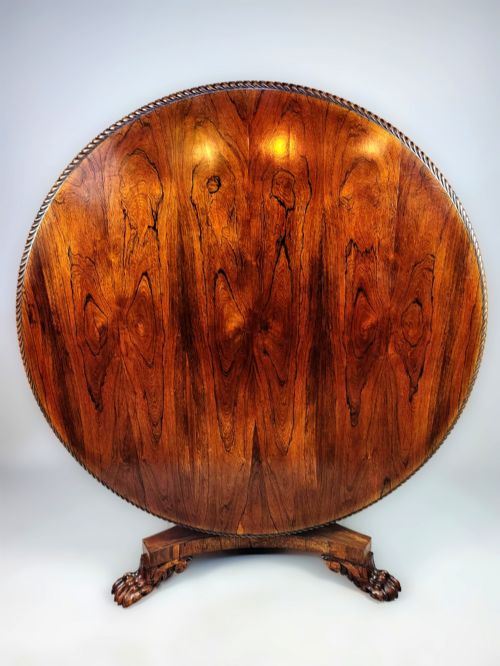
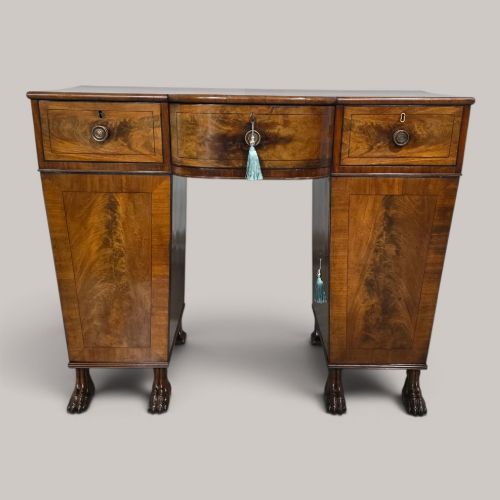
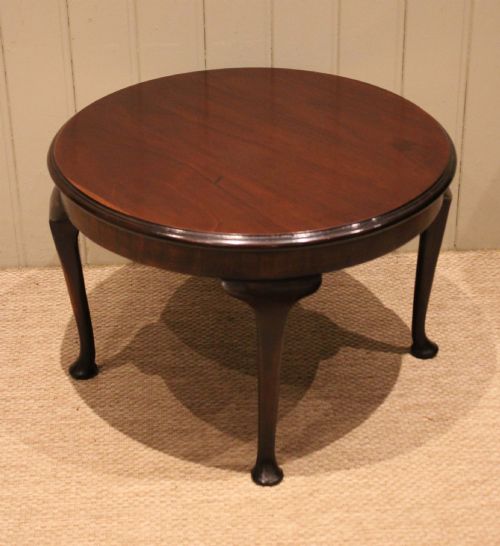
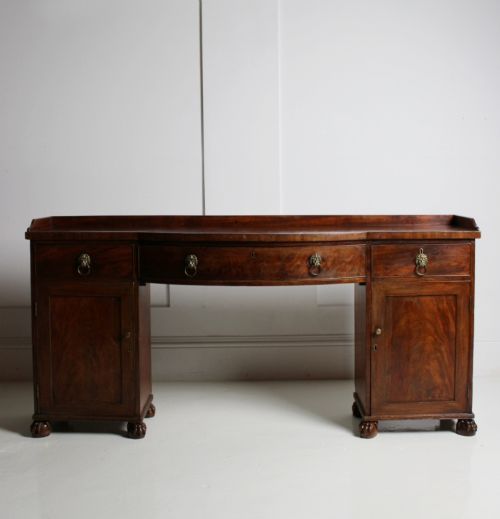
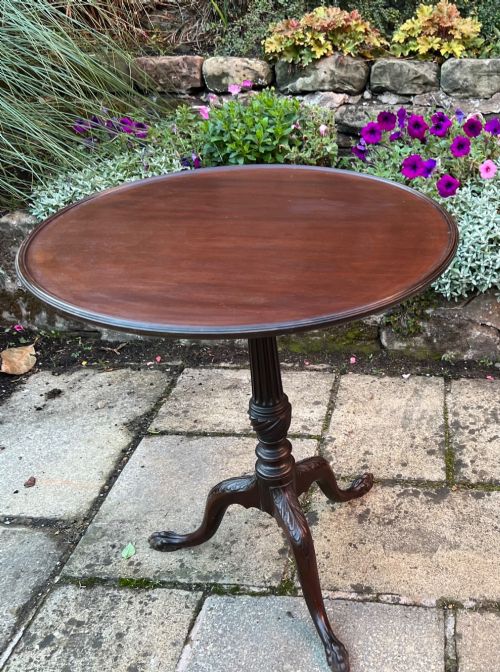
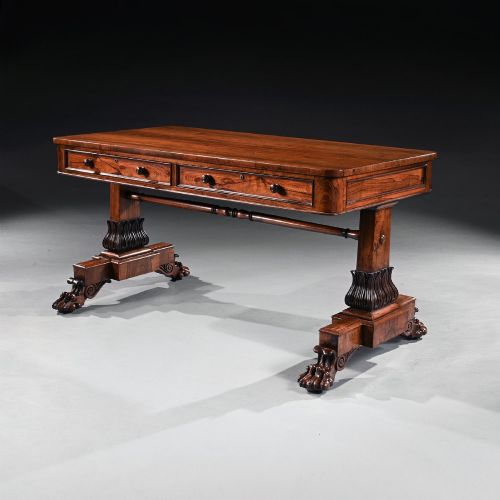
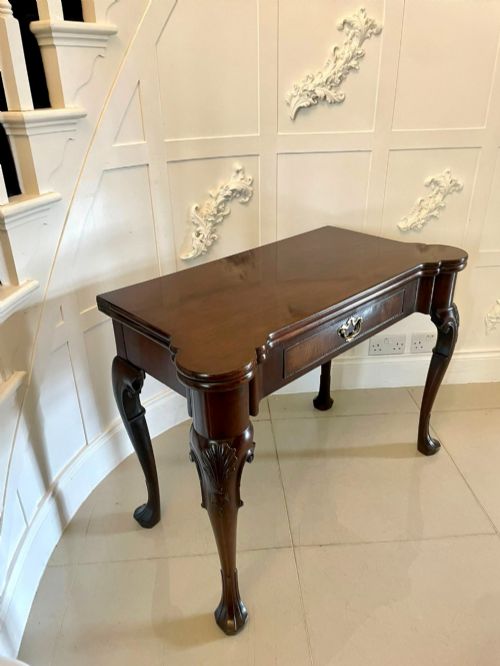
A georgian carved foot table encompasses various forms such as centre tables, card tables, and dining tables originating from periods spanning the eighteenth and nineteenth centuries. Buyers searching this phrase most frequently encounter mahogany and rosewood surfaces supported by detailed timber or brass mounts.
The selections on this page range from compact occasional tables to larger breakfast and library tables. Cabinet makers from the Georgian era onwards utilised specific timber grains and robust pedestals to create practical items for domestic rooms.
How they were made
Cabinet makers relied primarily on solid mahogany, walnut, and rosewood, often pairing structural oak with flame mahogany veneer surfaces. These timbers were selected for grain depth and durability, then shaped using hand tools to form drop flaps, tilt-top mechanisms, and concertina actions.
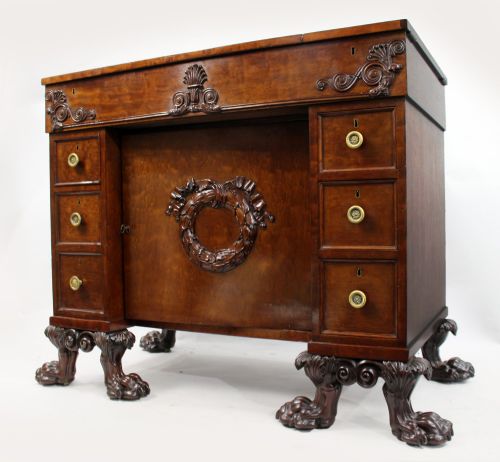
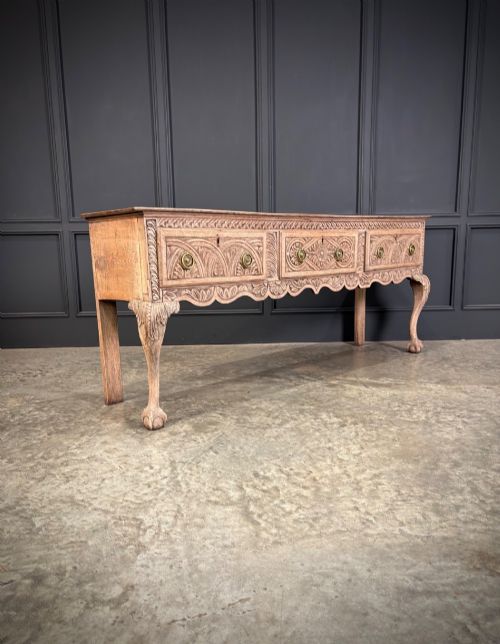
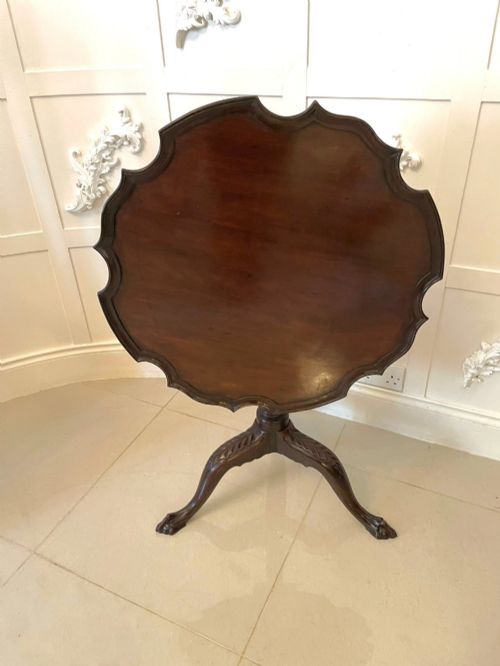
Carved details such as ball and claw feet, lions paw supports, and pie crust edges required skilled hand chiselling. Brass inlays and leather panels were integrated into specific card and library tables to provide decorative contrast and usable surfaces.
Georgian Carved Foot Table Retail Price Guide 2026
Typical asking prices for georgian carved foot table among the pieces listed under this phrase on Sellingantiques today, from the lower quarter to the upper quarter. They describe what is for sale here now, not the wider market.
Some library clocks tell the time while keeping watch over centuries of scattered card games and tea services.
What varies in quality
The distinction between ordinary and superior pieces rests in the sharpness of the timber carving and the selection of the wood grain. Tables with crisp claw and ball feet or well-figured flame mahogany veneer demonstrate a higher level of workshop skill.
Proportion and structural integrity also dictate the standing of a piece, particularly where mechanical elements like birdcage actions or drop-leaf hinges operate. Original patination on walnut and mahogany surfaces retains the historic character sought by collectors.
Gillows·Giles Grendey·Bush of London
The Georgian Carved Foot Table Glossary
- Pie crust edge
- A raised, scalloped border carved directly from the solid timber top of a table. This decorative rim is frequently found on tilt-top tripod tables.
- Drop flap table
- A table with hinged leaves that fold down at the sides to save space. These folding panels allow the surface area to expand when needed for dining or writing.
- Tilt top mechanism
- A hinged block beneath the table surface allowing the top to pivot vertically for storage against a wall. This mechanism often operates alongside a birdcage support.
- Concertina action
- An expanding frame mechanism used on card tables that extends symmetrically when the top is unfolded. It provides extra legroom and stability during use.
- Triform base
- A three-sided pedestal support resting on three feet, commonly seen on nineteenth-century breakfast and centre tables. This configuration distributes weight evenly across the floor.
Georgian Carved Foot Table: Frequently Asked Questions
What is a card table used for?
A card table served as a social hub for evening games such as whist or bridge during the eighteenth and nineteenth centuries. The folding top opened to reveal a baize or leather playing surface.
When closed against the wall, these items functioned as regular side or console tables in formal reception rooms.
How do I care for antique mahogany?
Antique mahogany requires stable indoor humidity away from direct heat sources to prevent timber shrinkage and veneer splitting. Regular dusting with a soft dry cloth maintains the natural surface lustre.
Applying occasional conservative coats of appropriate wax helps nourish the historic grain without building up heavy chemical layers.
How are different periods identified?
Periods are distinguished through a combination of timber selection, structural joinery, and decorative carving styles. Eighteenth-century pieces frequently employ Cuban mahogany and solid oak linings, whereas later nineteenth-century examples introduce rosewood and complex pedestal bases.
Comparing leg designs, such as pad feet versus carved claws, helps narrow down the decade of manufacture.