


Georgian Carved Box
When you search for a georgian carved box, you are looking at small tabletop containers and larger storage chests shaped by hand during the eighteenth and early nineteenth centuries.
Georgian Carved Box
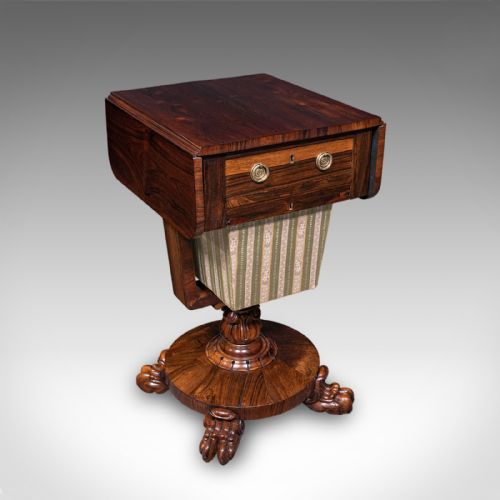
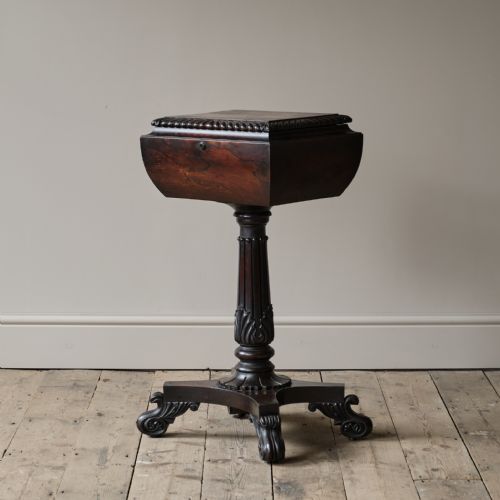
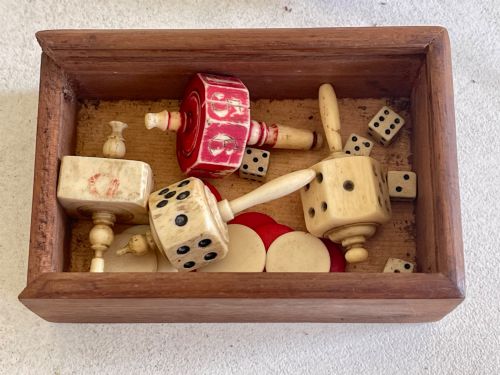
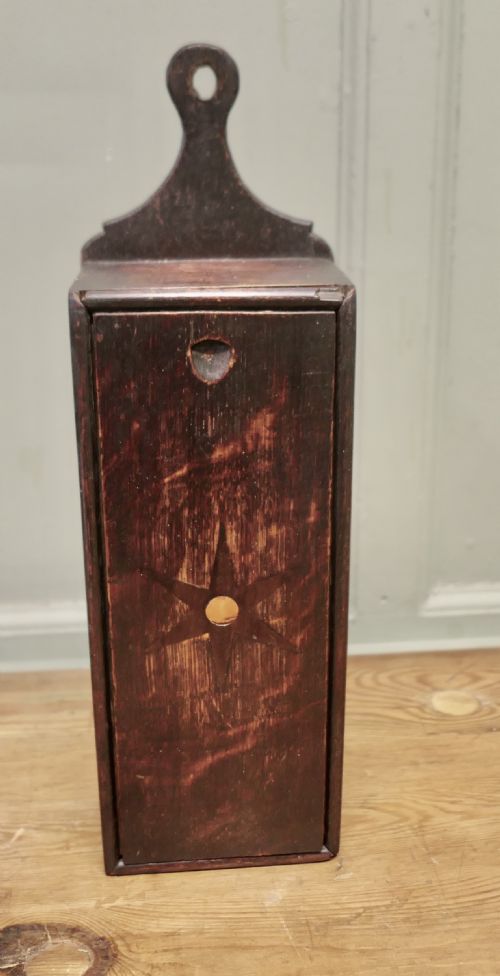
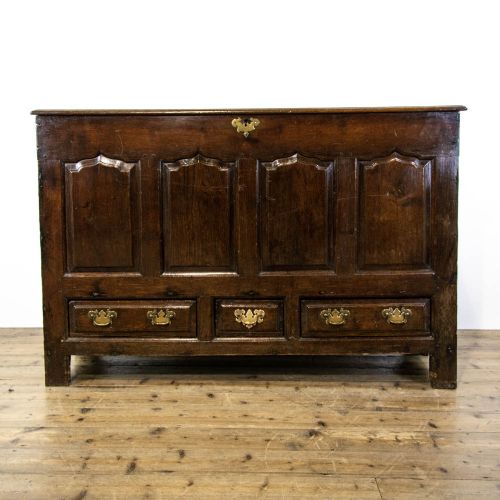
A georgian carved box encompasses a range of domestic containers spanning from small pocket snuff boxes to large oak coffers and mule chests. The pieces recorded here include candle boxes, tea caddies, bible boxes, and salt boxes fashioned for daily use in period homes.
You will most frequently encounter oak coffers and mahogany tea caddies alongside walnut and pine storage chests. Many examples date from the eighteenth century, with additional items appearing from the seventeenth and nineteenth centuries under stylistic influences such as Regency and George II.
How they were made
Cabinetmakers and rural joiners constructed these containers primarily using native timbers like oak, mahogany, and walnut, frequently incorporating secondary woods such as pine and burr elm. Construction methods involved panel and frame joining for larger chests, and tight joints for smaller receptacles intended to hold tea or documents.
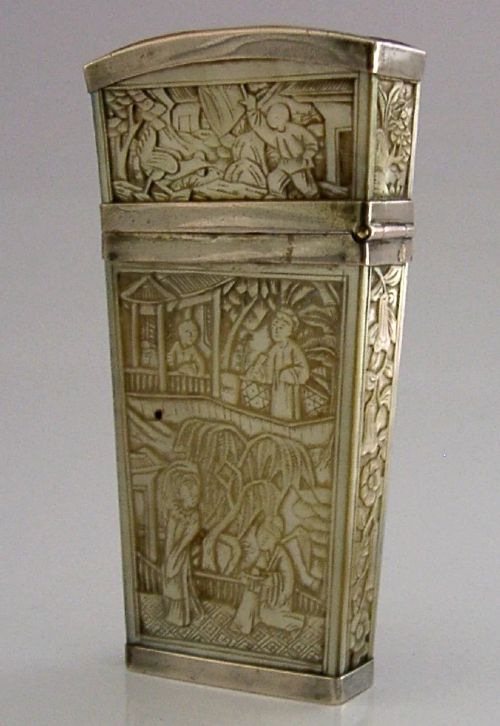
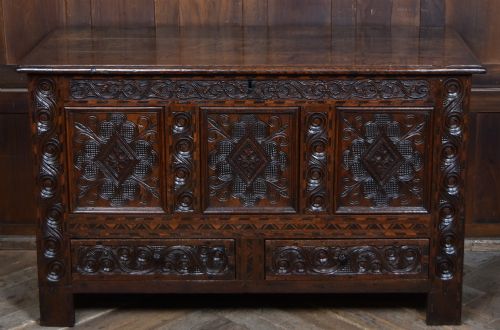
Surface decoration relied on hand chiselling, chip carving, and relief work to create geometric patterns, foliage, and architectural motifs on the wood. Workshops also integrated metal elements, utilising brass, iron hardware, and occasionally silver mounts or mother of pearl inlay.
Listings feature containers made from oak, mahogany, walnut, pine, and boxwood, alongside metals including brass, iron, and silver.
What varies in quality
The standard of a georgian carved box depends on the crispness and depth of the hand carving relative to the grain of the timber. Finely executed relief work and well-balanced proportions distinguish superior cabinet work from plain utilitarian carpentry.
Material selection dictates the grade of the piece, with figured woods like flame mahogany, burr walnut, and burr elm elevating the status of a container. Retaining original metal hardware, locks, keys, and lead linings also marks a higher degree of preservation.
The Georgian Carved Box Glossary
- Coffer
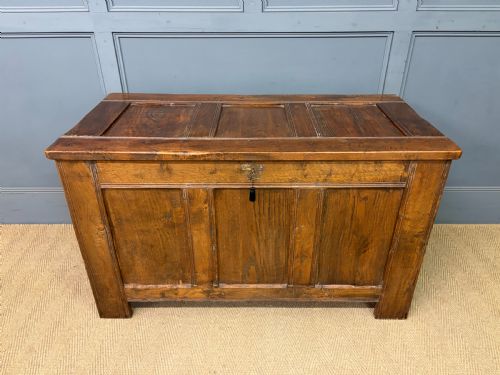
- A heavy wooden chest with a hinged lid, traditionally used for storing valuables, textiles, or documents. These storage pieces often feature carved front panels and sturdy stile feet.
- Tea Caddy
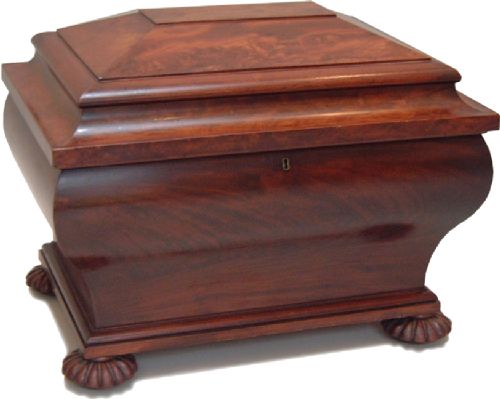
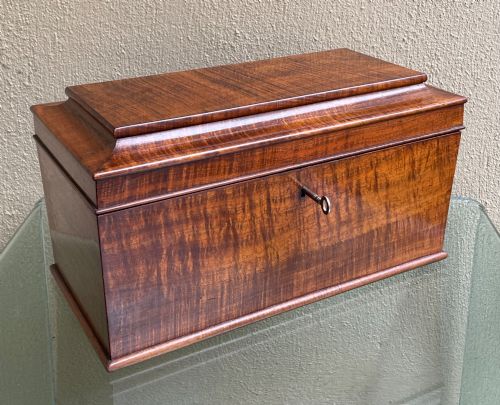
- A specialised container designed to store dry tea leaves securely, often featuring internal compartments and a lock. Mahogany and walnut versions frequently display refined joinery.
- Mule Chest
- A storage chest fitted with one or more drawers beneath the main lifting compartment. This form combines the storage capacity of a traditional coffer with the accessibility of drawer space.
- Bible Box
- A small tabletop or wall-mounted desk box with a sloping or flat lid. These items provided a secure repository for household religious texts and writing materials.
- Snuff Box
- A miniature pocket container used to hold powdered tobacco. Examples incorporate carved organic materials such as burl maple, cowrie shell, mother of pearl, and boxwood.
Georgian Carved Box: Frequently Asked Questions
What were tea caddies used for?
Tea caddies served as secure repositories for expensive tea leaves when tea was treated as a precious commodity in the household. The lockable lids kept the contents safe from servants or guests.
Inside, many caddies featured divided compartments or canisters to separate different varieties of tea before blending them.
How do I care for antique oak?
Antique oak requires a stable indoor environment away from direct heat sources and dramatic humidity shifts to prevent the timber from splitting. Regular dusting with a dry, soft cloth maintains the finish.
Applying a traditional beeswax polish sparingly helps nourish the wood and preserves the surface sheen without building up heavy residues.
What is the difference between a coffer and a mule chest?
A coffer consists of a simple chest with a single top-opening compartment enclosed by solid wooden sides and a lid. They served as primary storage furniture in early homes.
A mule chest adds one or more drawers built into the base beneath the main compartment, offering easier access to stored linens without requiring everything on top to be lifted out.
Where were bible boxes placed?
Bible boxes rested on sturdy tables, sideboards, or desks where family members could access sacred texts and writing materials. Their flat or sloping tops also provided a convenient surface for recording household accounts.
Some smaller variants were designed with brackets to hang directly on walls to save valuable floor and table space in modest rooms.