


Miniature Wooden Trunk
These miniature wooden trunk examples are diminutive chests and coffer bach pieces offering charming storage rooted in centuries of vernacular craftsmanship.
Miniature Wooden Trunk
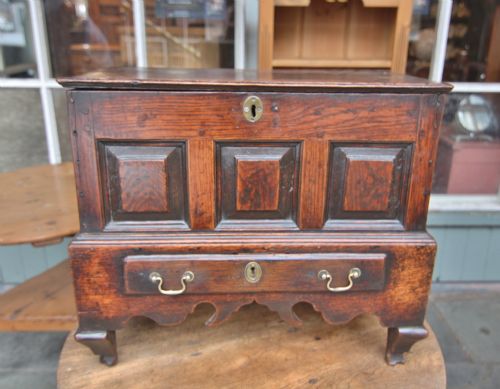
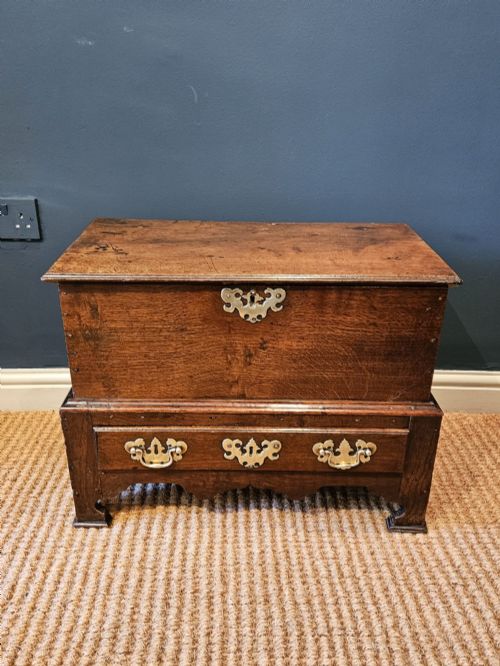
A miniature wooden trunk typically manifests on this page as an 18th century or Georgian Welsh coffer bach, alongside campaign chests and Victorian desktop boxes. These diminutive storage pieces served domestic purposes, often holding valuables, linen, or documents in homes across Wales and England.
The materials and regions vary from local oak examples bearing vernacular hallmarks to exotic teak campaign items and French fruitwood perfume boxes. Buyers searching for a miniature wooden trunk encounter regional chests fashioned by provincial cabinetmakers alongside occasional continental work.
Construction and materials
Makers utilised solid timbers such as oak, teak, and fruitwood, often selecting durable local hardwoods for Welsh vernacular pieces. These surfaces frequently display grain patterns selected for visual impact on a small scale.
Metalwork played a structural and decorative role, with iron and brass hardware securing joints and protecting corners on campaign and vernacular examples. Bone details and mixed wood inlay occasionally provide contrast on box lids and front panels.
Current listings feature pieces spanning the 18th century, the Georgian era, and the Victorian period, including 1880 French work.
Assessing quality in miniature wooden trunk examples
Quality rests primarily in the integrity of the timber selection and the restraint of the joinery, distinguishing provincial vernacular work from later or coarser items. Original hardware, including period brass hinges and locks, elevates the standing of a piece considerably.
Proportion and surface patination dictate desirability, as smaller vernacular coffers require careful scaling to maintain architectural balance. The depth of the timber's finish and the clarity of any carved details or inlay separate utilitarian boxes from finer display items.
The Miniature Wooden Trunk Glossary
- Coffer bach
- A small Welsh chest, translating literally from Welsh as little coffer. These pieces traditionally featured a lift lid over a single drawer base.
- Vernacular
- Architecture or furniture built by local craftsmen using regional materials and traditional methods, rather than following high-style academic designs.
- Campaign trunk
- Portable furniture designed for military officers on active service, typically fitted with flush brass handles and reinforced corners for travel.
- Mule chest
- A storage chest featuring one or more drawers in the lower section beneath the main compartment. These date primarily from the 17th and 18th centuries.
- Fruitwood
- Timber from fruit-bearing trees such as pear, apple, or cherry, prized by cabinetmakers for its fine grain and warm tone in smaller decorative boxes.
Miniature Wooden Trunk: Frequently Asked Questions
How old are these miniature trunks?
The pieces listed span from the 18th century through the Victorian era, with notable examples dating from the Georgian period around seventeen seventy. Earlier items often display Welsh vernacular characteristics and solid oak construction.
Later examples include Victorian campaign items and French fruitwood perfume boxes from eighteen eighty. Dating relies on timber species, construction techniques, and regional stylistic markers.
Where were these small chests made?
Origins are primarily British, with a strong concentration of Welsh vernacular pieces reflecting regional cabinetmaking traditions. English apprentice pieces and desktop boxes also appear frequently among the listings.
Continental workshops are represented by French fruitwood trunks, while global trade appears through Indian teak campaign items. Each region utilised local timbers suited to small-scale furniture production.
How were miniature trunks used?
These small vessels served practical storage roles on tabletops and desks for documents, jewellery, or personal valuables. Their portable nature allowed owners to keep prized possessions secure and close at hand.
Some functioned as apprentice pieces demonstrating a cabinetmaker's skill, while others held specific luxury goods like French perfume bottles. Today they serve as decorative display items in domestic interiors.
What woods were used for them?
Oak is the predominant timber for Georgian and 18th century Welsh vernacular examples, chosen for its durability and local availability. Cabinetmakers also employed exotic woods like teak for campaign items and fruitwood for continental boxes.
Decoration often incorporated mixed wood inlay, bone highlights, and brass or iron hardware. These varied materials contribute to the distinct character of each miniature wooden trunk.