
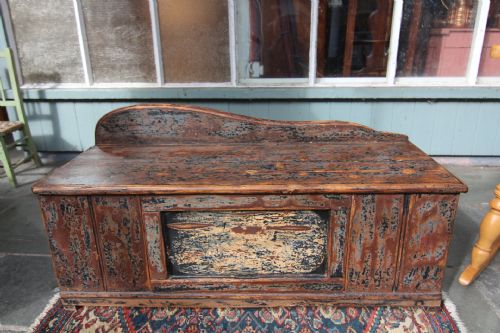
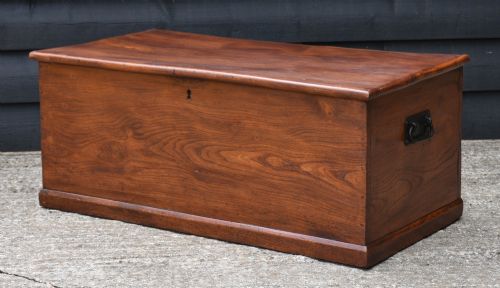
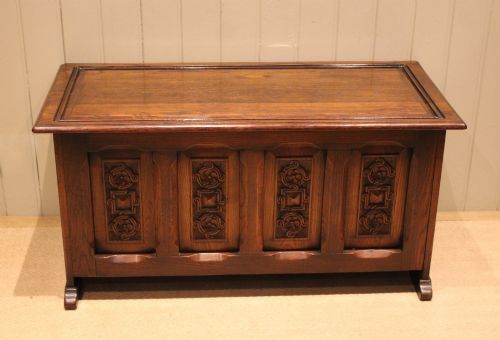
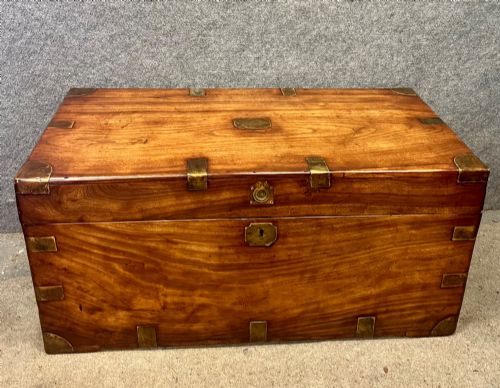


Brown Wooden Trunk Box
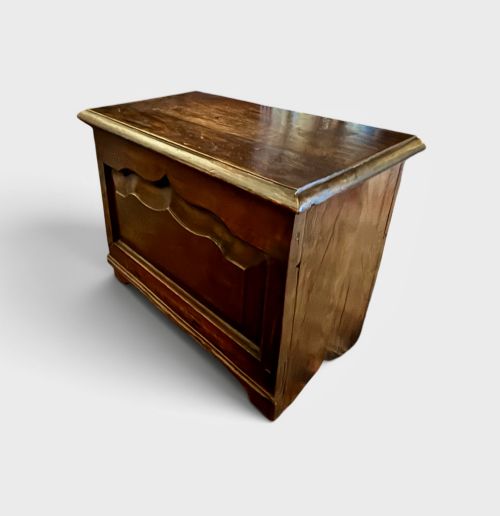
A brown wooden trunk box brings centuries of utilitarian storage into a modern room, offering sturdy timber construction and practical depth.
Brown Wooden Trunk Box
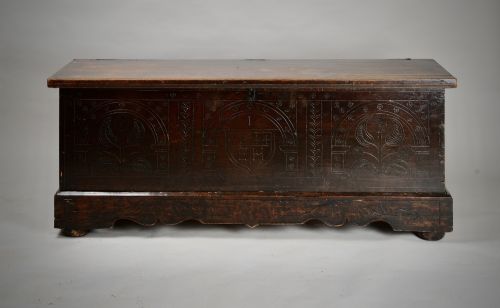
A brown wooden trunk box encompasses robust storage vessels and coffers originating from periods spanning the sixteenth century through the Victorian era. When searching for a brown wooden trunk box, buyers encounter sturdy pieces built for travel, domestic storage, and safekeeping.
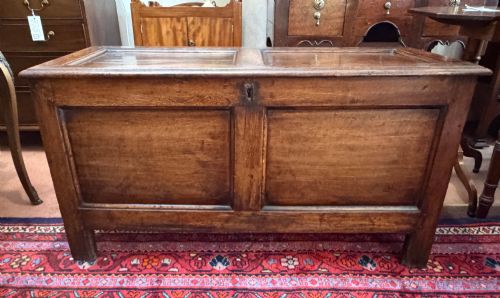
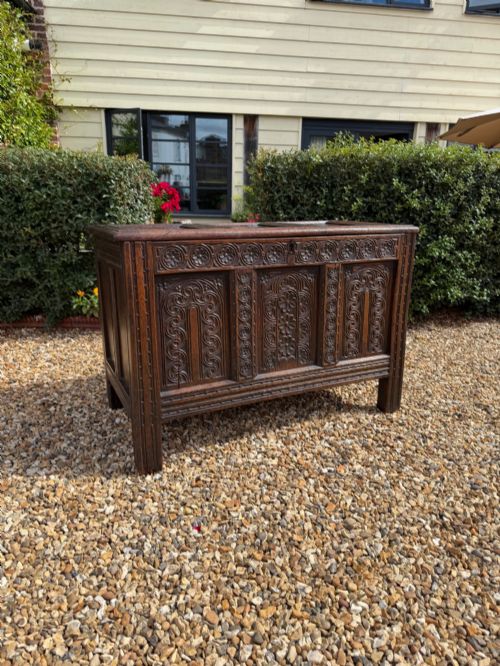
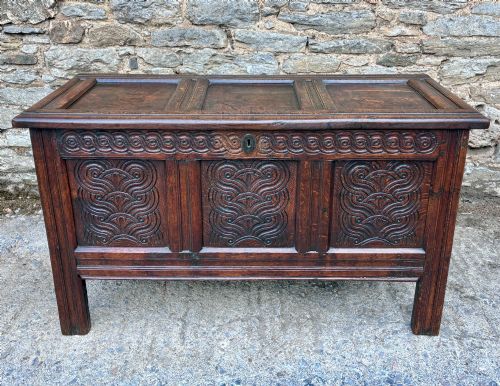
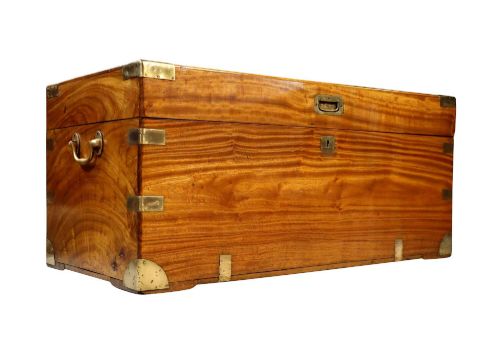
The selection ranges from sixteenth-century oak coffers and seventeenth-century panelled boxes to nineteenth-century campaign trunks in camphor wood and teak. Oak examples dominate the earlier centuries, while exotic timbers emerge in nineteenth-century travel pieces.
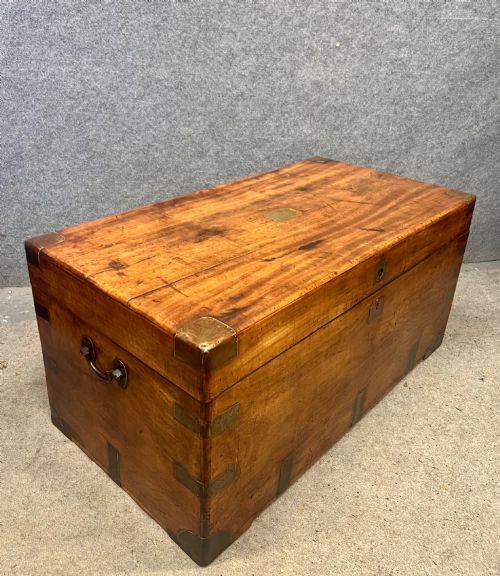
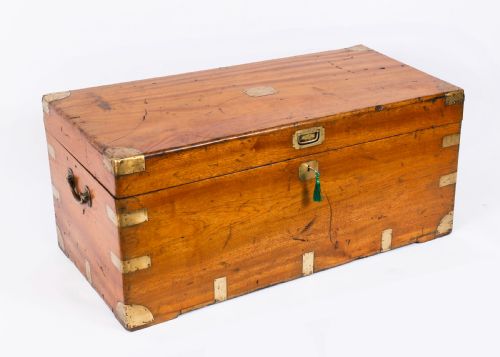
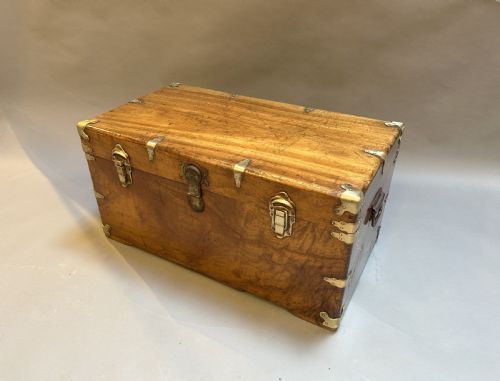
Regional variations appear across British, European, and colonial workshops, displaying distinct styles from Jacobean carving to Anglo-Indian brass binding. Buyers frequently meet oak paneled coffers and brass-bound camphor trunks among these listings.
Construction and Materials
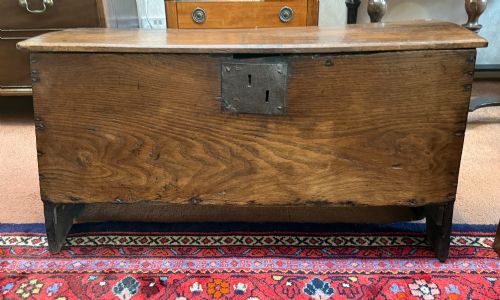
Carpenters constructed these boxes using solid timbers such as oak, elm, mahogany, and camphor wood, frequently joining planks with pegged mortise and tenon joints or heavy iron hardware. Early pieces rely on thick oak boards and six-plank construction, while later trunks utilise dense tropical hardwoods.
Metal reinforcement defines the travel-ready examples, incorporating brass corners, straps, and bound edges alongside heavy iron hinges and lock plates. These protective mounts secured the timber against the rigours of maritime and overland journeys.
Listings feature oak, camphor wood, teak, and mahogany across periods spanning the sixteenth century to the Victorian era.
Evaluating Quality and Character
Quality rests in the integrity of the original timber, the subtlety of hand-carved panels, and the survival of untouched surfaces with deep patination. Trunks retaining their original brass mounts, recessed carrying handles, and working locks command greater appreciation.
The distinction between superior pieces and lesser examples lies in the thickness of the timber boards, the precision of early joinery, and the absence of intrusive modern alterations to the structure.
The Brown Wooden Trunk Box Glossary
- Cofer
- A large wooden chest used for storing valuables or clothing. These heavy receptacles frequently served as luggage or domestic storage before fitted wardrobes became common.
- Campaign trunk
- A portable storage chest made for military officers on the move. These pieces typically feature brass corners, flush handles, and sectional construction.
- Camphor wood
- A fragrant tropical timber valued for its insect-repellent properties. Makers utilised this wood extensively for nineteenth-century maritime and military chests.
- Six-plank
- A primitive box construction method utilising six individual boards joined at the edges. This technique represents early furniture making traditions seen in medieval and sixteenth-century coffers.
- Patina
- The surface sheen and colour developed by timber over centuries of handling and age. A rich patina indicates natural wear rather than artificial finishing.
Brown Wooden Trunk Box: Frequently Asked Questions
What is a brown wooden trunk box used for?
These boxes serve as practical storage furniture for blankets, linens, and household items while adding historic character to a room. Their sturdy lids allow them to function as occasional tables or benches.
Historically, they protected personal belongings during transit or secured valuables within domestic chambers.
How do I identify a sixteenth or seventeenth century oak coffer?
Early oak coffers display pegged frame-and-panel construction, hand-cut dovetails, and deep tool marks left by period carpenters. Their proportions tend to be stout and heavy.
Surface timber on these pieces shows centuries of oxidation, displaying rich colour and dry patination rather than modern varnish.
Why do some trunks have brass binding?
Brass straps and corner pieces reinforced the structural joints of campaign trunks destined for military or colonial travel. The metal protected the softer camphor wood or teak from heavy impacts.
These brass mounts also resisted corrosion from sea air during long maritime journeys.
Where were camphor wood trunks made?
Camphor wood trunks were produced in workshops across Asia and British colonial outposts during the nineteenth century. Makers fashioned them for travellers navigating maritime trade routes.
The aromatic timber protected contents from moths and dampness during long voyages.
How do I care for antique timber trunks?
Maintain antique wooden trunks by keeping them away from direct heat sources and sudden humidity changes that cause timber to split. Apply occasional bees-wax to nourish the dry wood.
Avoid commercial polishes that build up artificial residues on the historic surface.