


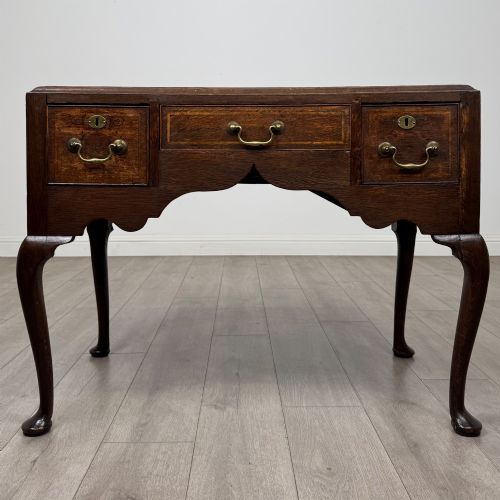
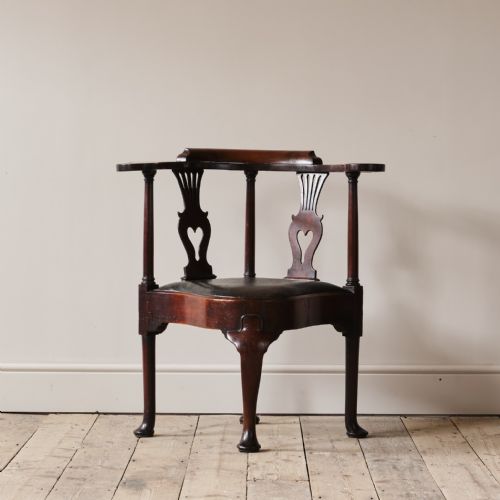
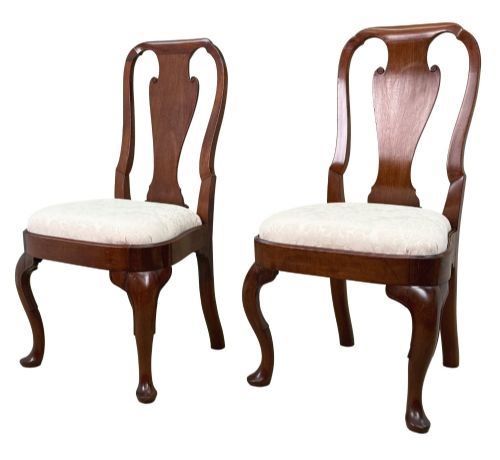
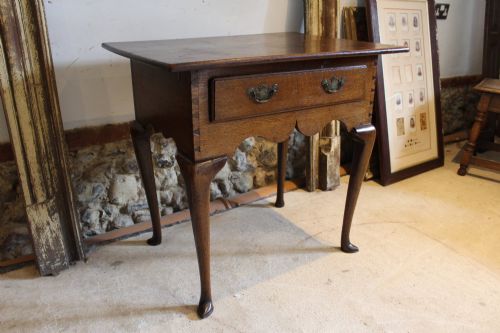
Georgian Cabriole Leg Desk
A georgian cabriole leg desk brings enduring elegance and practical writing space into a room through shaped wooden supports and traditional cabinetry.
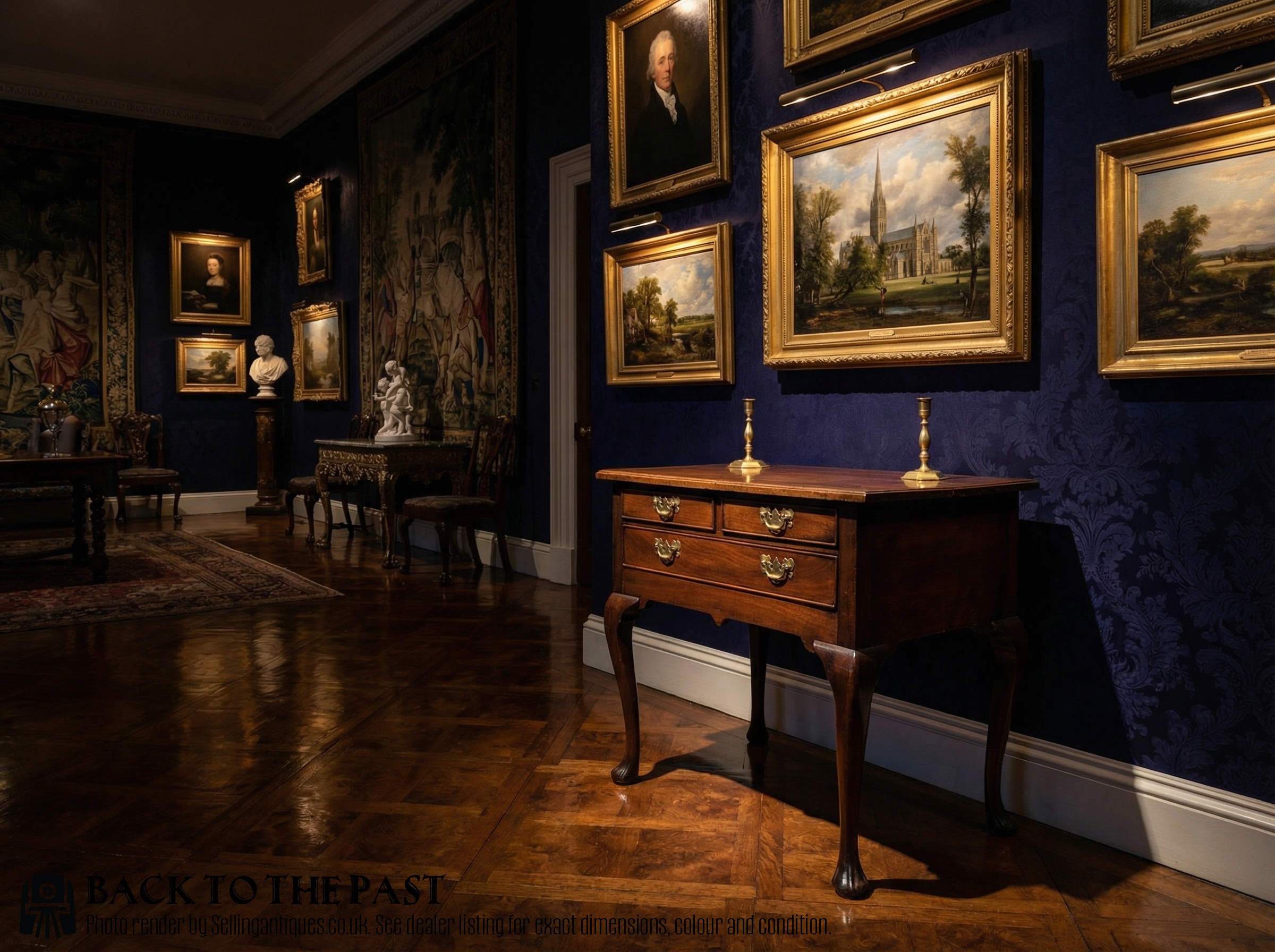
Georgian Cabriole Leg Desk
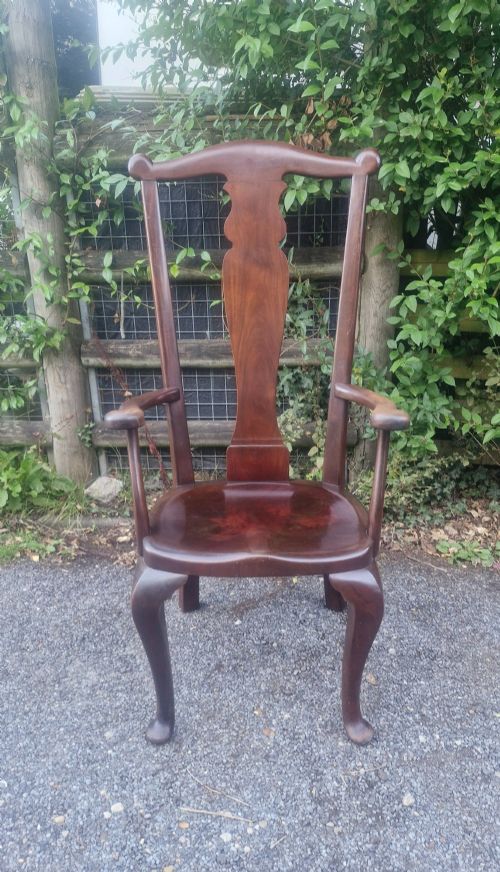
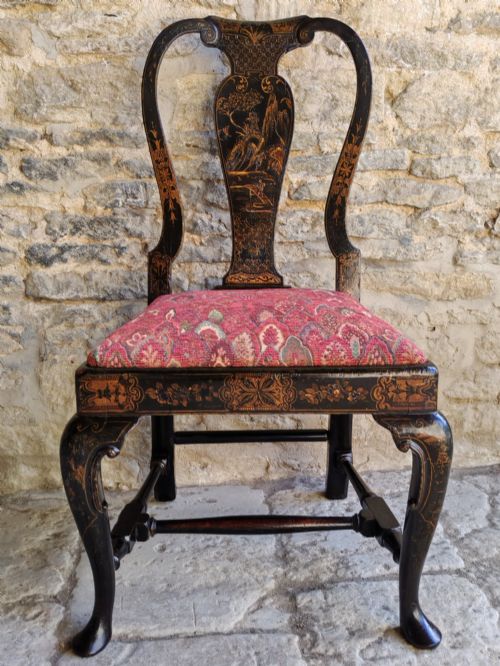
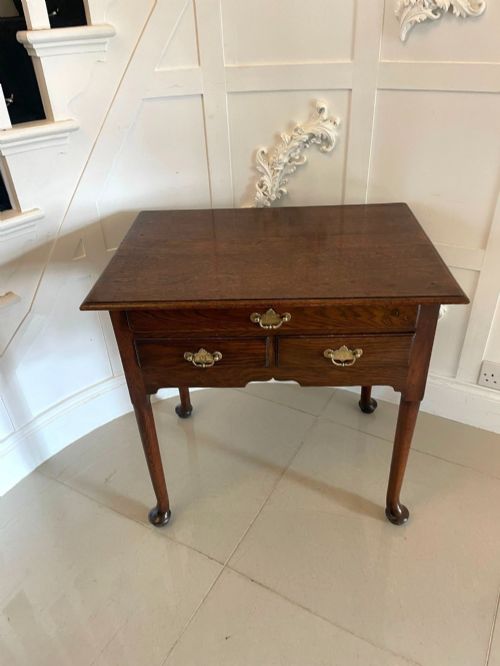
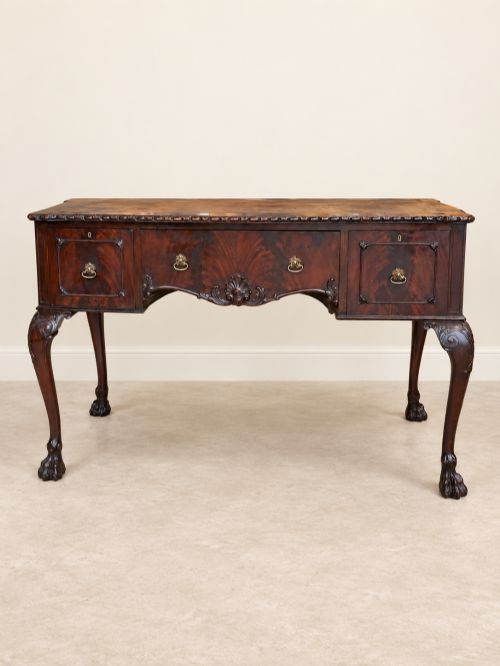
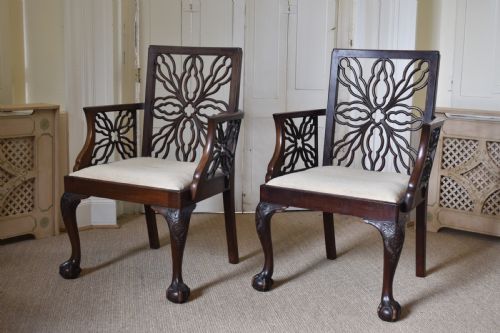
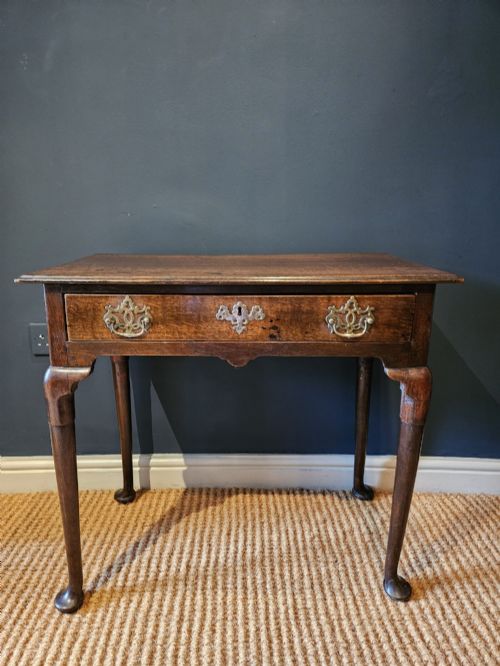
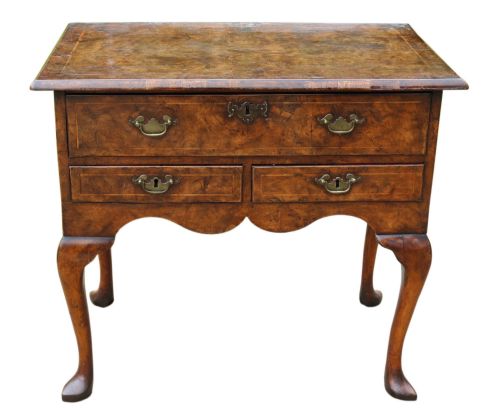
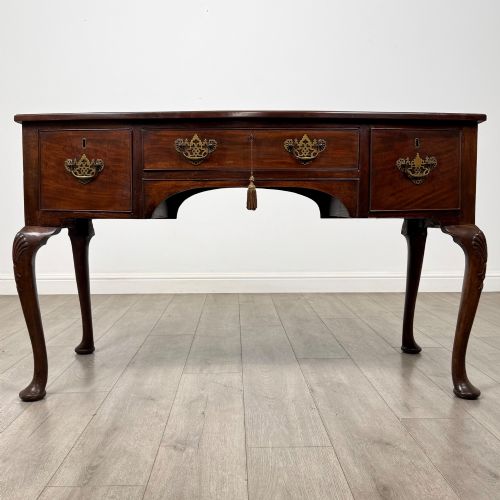
A search for georgian cabriole leg desk encounters writing furniture originating from the eighteenth century alongside later revival interpretations spanning the nineteenth and twentieth centuries. The selection encompasses lowboys, writing tables, bureaux, and pedestal desks utilising distinctive curved legs.
Period examples date from the Georgian era, including specific reigns like George I, George II, and George III, while later iterations draw upon Queen Anne and Chippendale styles. Oak, walnut, and mahogany dominate the structural forms across these varying decades of production.
Materials and construction
Cabinet makers utilised dense hardwoods such as mahogany, oak, and walnut, often selecting burr walnut or burr elm veneers to create decorative patterned surfaces. Timber selection governed the structural integrity and visual depth of each writing surface.
Secondary elements incorporate brass hardware for handles and drawer pulls, alongside fitted leather or fabric writing surfaces inset into wooden tops. Joinery methods relied on traditional cabinet making techniques suited to supporting shaped legs.
Listings feature pieces spanning the eighteenth, nineteenth, and twentieth centuries, incorporating oak, walnut, mahogany, and elm.
Craftsmanship and distinction
The degree of refinement in timber selection and decorative figure marks the difference between standard production and superior examples. Walnut and mahogany surfaces exhibiting complex grain patterns or intricate marquetry elevate a piece beyond plain timber construction.
Proportion and carving detail on the curved supports dictate the aesthetic success of the design. Sharply executed lines and balanced proportions reflect higher standards of period cabinet work.
The Georgian Cabriole Leg Desk Glossary
- Cabriole leg
- A furniture support that curves outward at the knee and tapers inward toward the ankle, ending in a pad or foot. This form was widely adopted during the eighteenth century.
- Lowboy
- A small dressing table or side table featuring one or more rows of drawers beneath a flat top. They often share identical leg styling with contemporary writing furniture.
- Bureau
- A desk featuring a sloping hinged lid that opens to reveal a fitted interior of small drawers and pigeonholes. They frequently sit upon a stand or frame with four legs.
- Marquetry
- The art of applying decorative pieces of veneer to a structure to form intricate patterns or pictures. Craftsmen utilised contrasting timbers to achieve tonal variation.
Georgian Cabriole Leg Desk: Frequently Asked Questions
What defines a cabriole leg?
A cabriole leg mimics the natural double curve of an animal's leg, swelling outward at the knee and curving inward toward the foot. This structural form provides stability while maintaining a slender profile.
Cabinet makers during the eighteenth century favoured this design to lighten the appearance of heavy wooden writing furniture without sacrificing strength.
Are these desks suitable for daily use?
These pieces accommodate contemporary writing tasks and laptop use while offering compact proportions suited to various room sizes. Their fitted drawers provide practical storage for small office supplies.
Placing them in a study or living area brings historical character alongside everyday utility.
How can I tell period pieces apart?
Distinguishing between eighteenth-century originals and later revivals involves examining timber patination, construction joints, and secondary woods. Earlier pieces display hand-cut joinery and signs of age acquired through decades of handling.
Revival pieces from the Edwardian era or the nineteen-twenties often utilise machine-standardised joints while imitating earlier aesthetic movements.