


Georgian Cabriole Desk
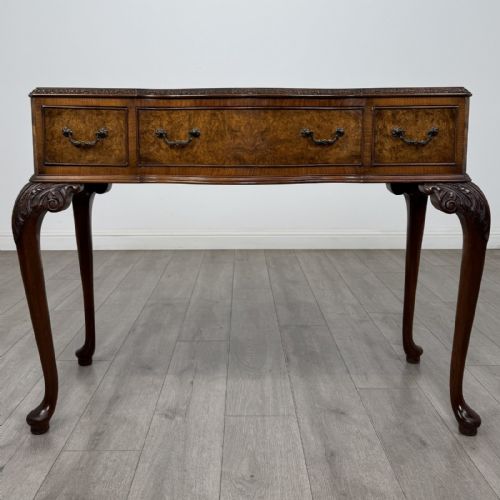
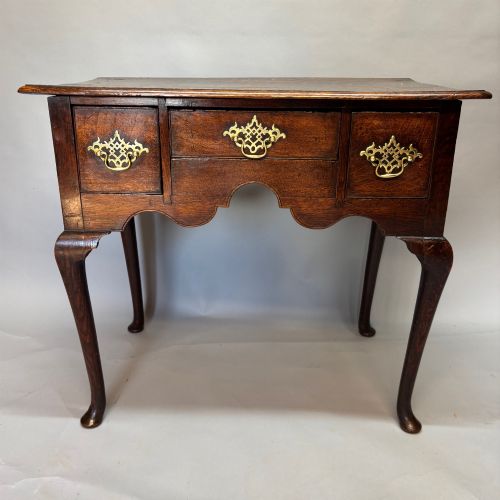
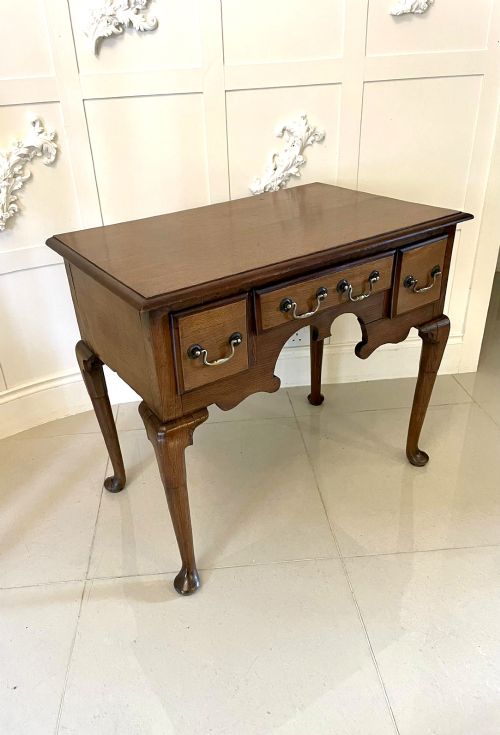
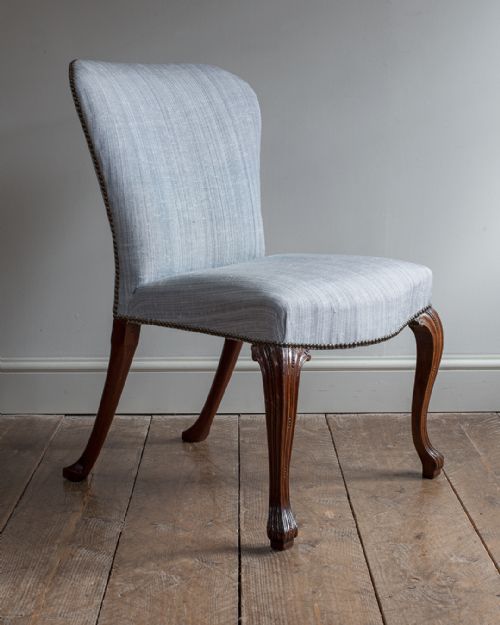
A georgian cabriole desk brings together the sculptural curve of the cabriole leg and the rich timber patination of the eighteenth century.
Georgian Cabriole Desk
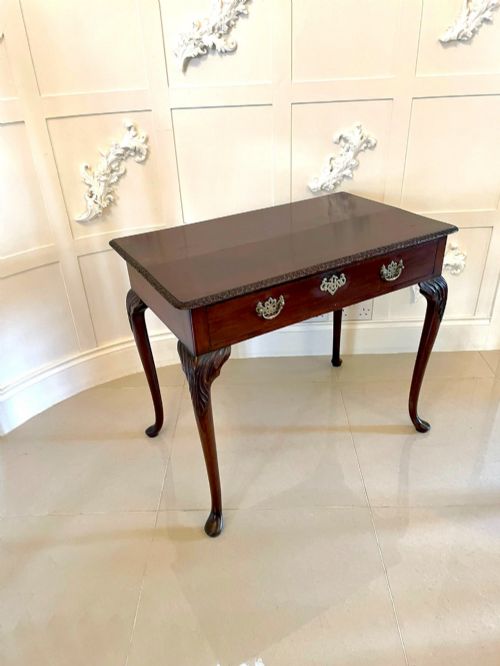
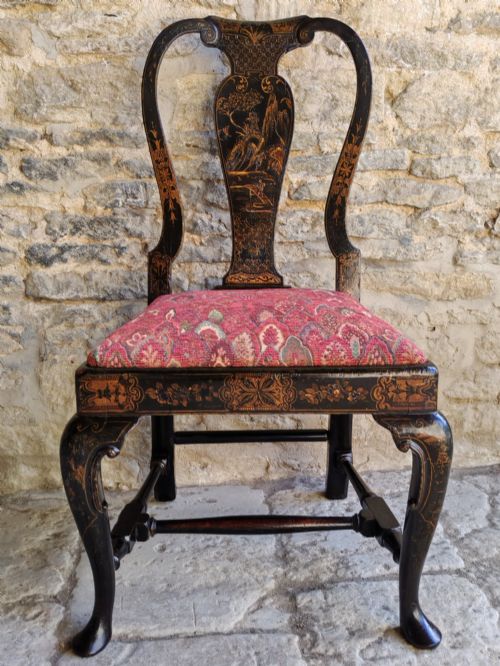
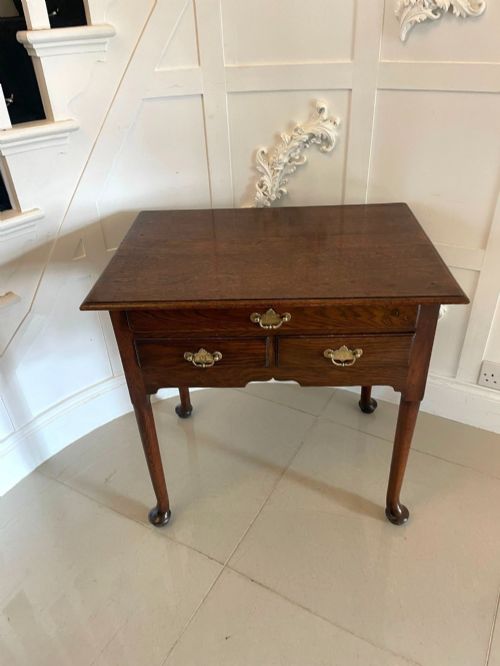
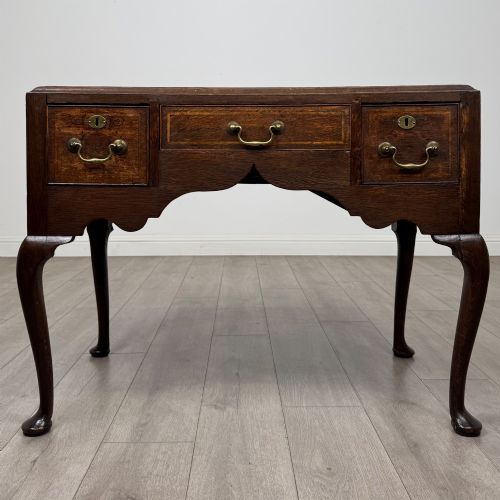
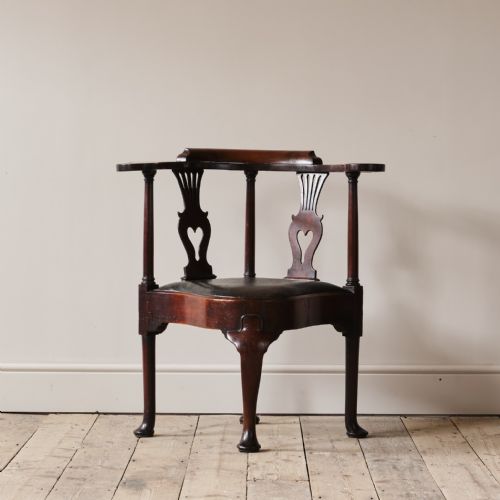
When you search for a georgian cabriole desk, you encounter writing furniture that spans the eighteenth century alongside later revival periods. The selections include lowboys, bureaux, and writing tables supported by characteristic curving legs.
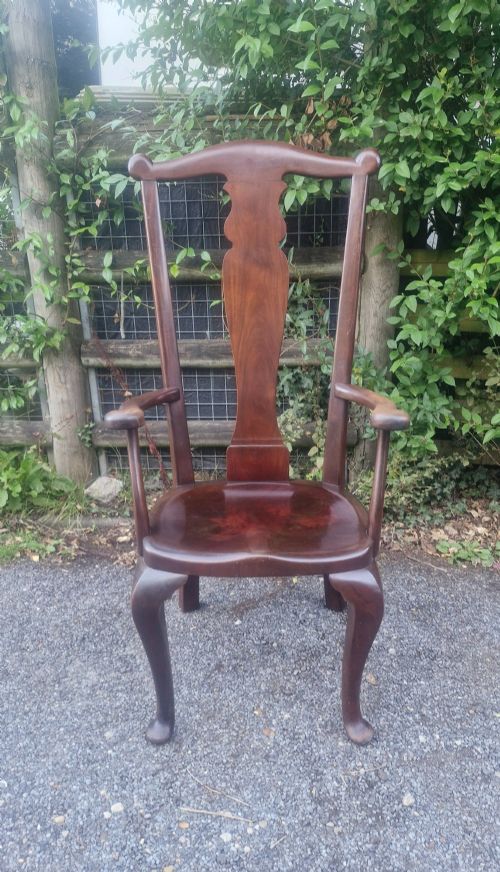
Many examples emerge from the Georgian and Queen Anne eras, constructed in oak, walnut, and mahogany. These pieces range from simple side tables with a single drawer to elaborate bureaus on stands.
Materials and Construction
Cabinet makers utilised dense native and imported timbers, selecting figured walnut, burr elm, and solid mahogany for primary surfaces. These woods were shaped and polished to highlight natural grain patterns.
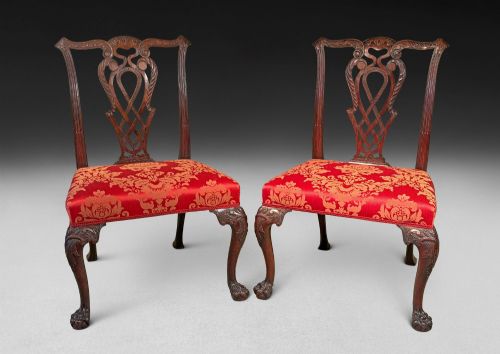
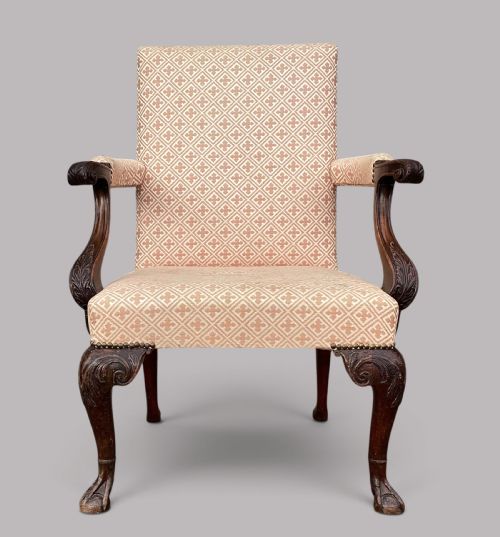
Structural integrity relied on traditional joinery paired with carved cabriole supports, often terminating in pad or claw and ball feet. Brass handles and leather writing inserts completed the functional composition.
Some seventeenth-century ancestors of these desks managed to hide secret compartments behind sliding panels designed to thwart snooping servants.
Distinctions in Quality
The standard of timber selection dictates the visual impact of the piece, particularly where burr veneers or figured walnut are employed. Superior examples display careful bookmatching and consistent grain orientation across the drawer fronts and top.
Carving definition on the knees of the cabriole legs separates standard production from finer work. Crisp hand-carving maintains sharp profiles, whereas inferior versions appear softened or lack depth.
The Georgian Cabriole Desk Glossary
- Cabriole leg
- A furniture leg that curves outward at the knee and tapers inward toward the ankle, imitating animal limbs. This form became prominent during the Queen Anne and Georgian periods.
- Lowboy
- A small table with one or more drawers, typically supported on four tall cabriole legs. Originally utilised as a dressing table or side table.
- Bureau
- A desk featuring a sloping hinged lid that opens to reveal a writing surface and small compartment drawers. They frequently sit upon a stand or bracket feet.
- Burr walnut
- Timber taken from a tree growth deformity that produces intricate, swirling grain patterns. Cabinet makers prized this material for high-status veneered surfaces.
Georgian Cabriole Desk: Frequently Asked Questions
How do I date a walnut bureau?
Dating relies on examining the carcass construction, drawer linings, and hardware fixings. Eighteenth-century examples typically show hand-cut dovetails and native oak or pine secondary woods.
Revival pieces from later centuries often utilise machine-cut elements and standardised timber stock. Secondary woods and fastener types provide the clearest indicators of original manufacture versus later periods.
Where were lowboys used?
Lowboys served versatile functions in domestic interiors, operating as dressing tables in bedrooms or as side tables in reception rooms. Their compact footprint allowed placement in hallways and parlours.
The single or multiple drawers provided storage for small personal items, documents, or grooming accessories. Their mobility made them useful additions throughout the house.
Are writing tables sturdy?
Writing tables from the Georgian period were built for daily clerical work, utilising solid framing and heavy timber tops. Their weight and construction ensure stable surfaces for ongoing use.
Maintenance involves protecting timber finishes from moisture and avoiding placement near direct heat sources. Proper care preserves both the structural joints and the historical polished surface.