
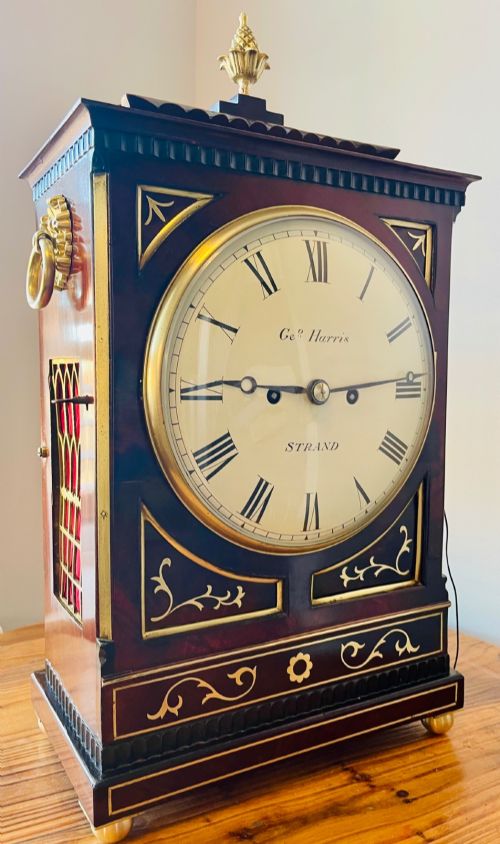
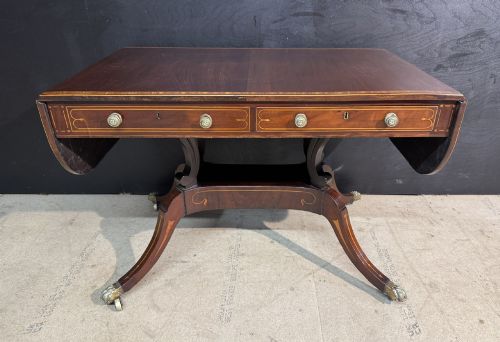
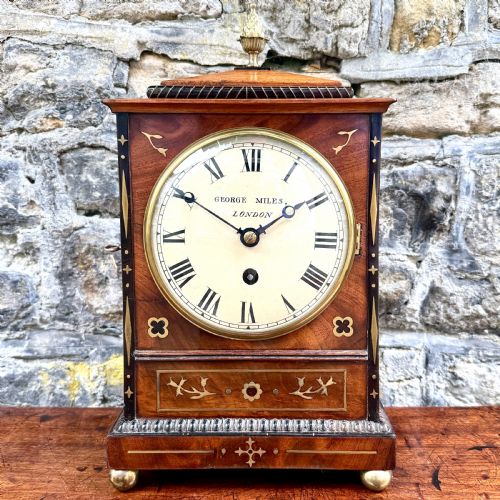
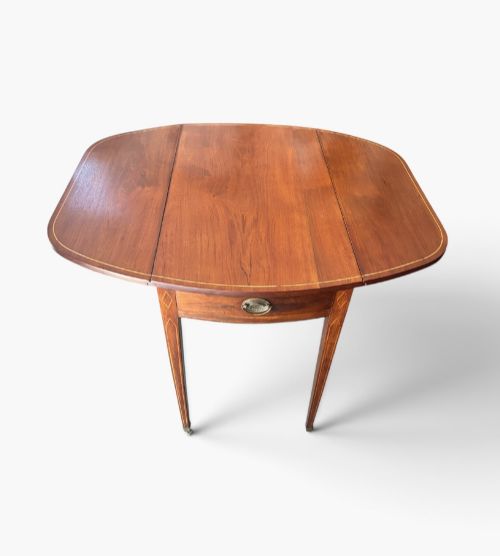
Georgian Brass Inlaid Table
Georgian brass inlaid tables combine rich timbers with precise metal work, offering practical surfaces that anchor a room with period character.
Georgian Brass Inlaid Table
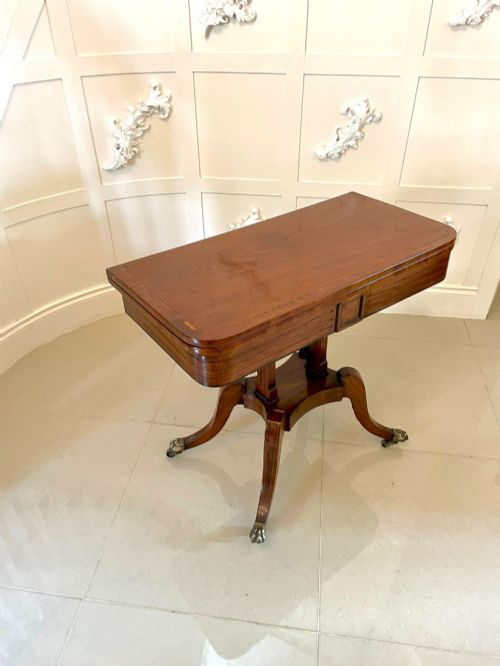
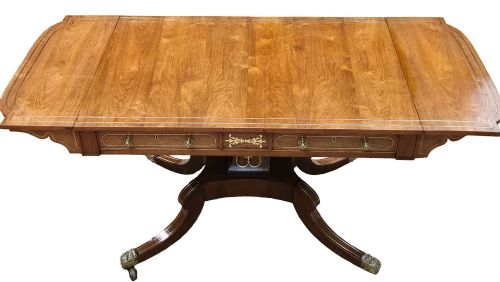
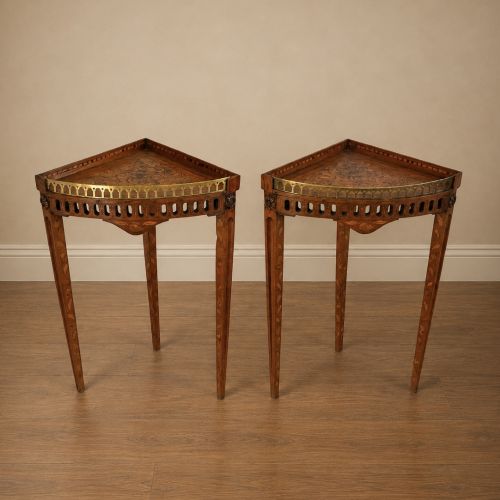
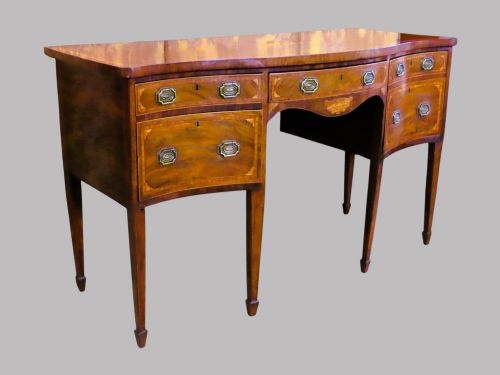
A georgian brass inlaid table brings together refined cabinet making and decorative metalwork across several distinct forms. Buyers encounter card tables, sofa tables, and occasional pieces originating mostly from the Georgian and Regency periods. These items served social functions in period drawing rooms, often designed to fold, extend, or hold lamps.
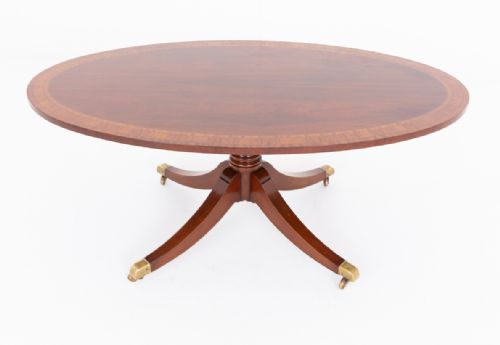
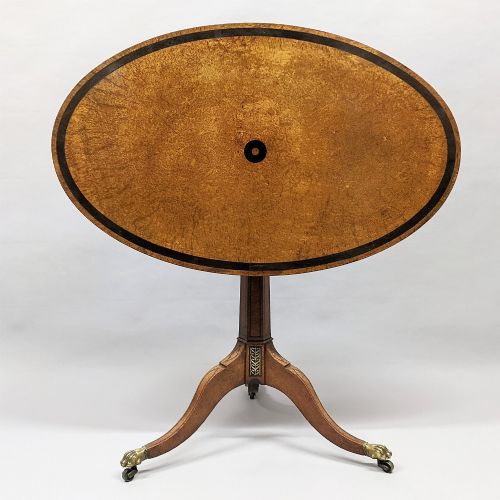
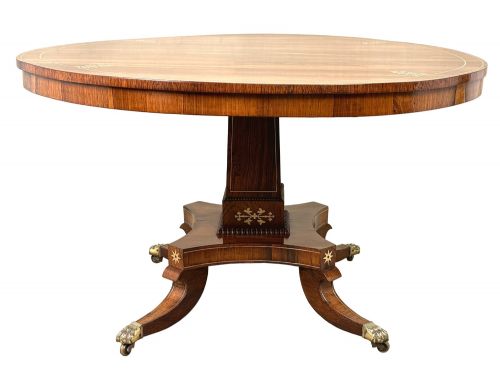
Card and games tables dominate the selections, usually featuring fold over tops lined with baize or leather. Sofa tables appear frequently, designed to stand behind seating with drop leaves and twin pillar supports. Circular centre tables and compact lamp tables also populate the listings, providing versatile surfaces for smaller spaces.
How They Were Made
Craftsmen built these tables using dense primary timbers such as mahogany and rosewood, often accented with lighter veneers like satinwood, boxwood, and ebony. Solid wood frames provided stable foundations for delicate top surfaces, which required careful seasoning to prevent warping over time.
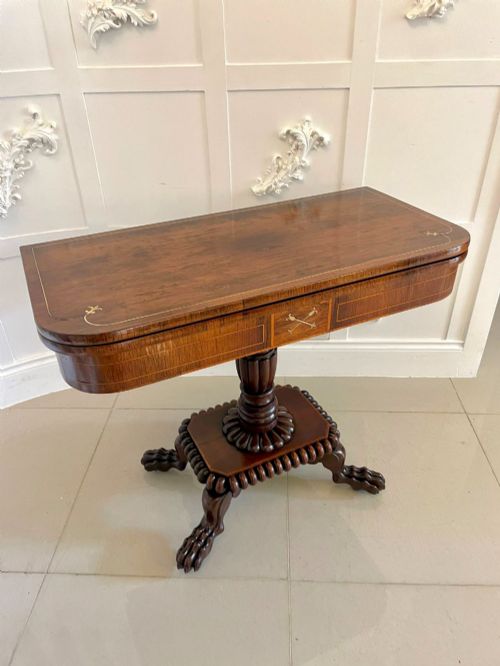
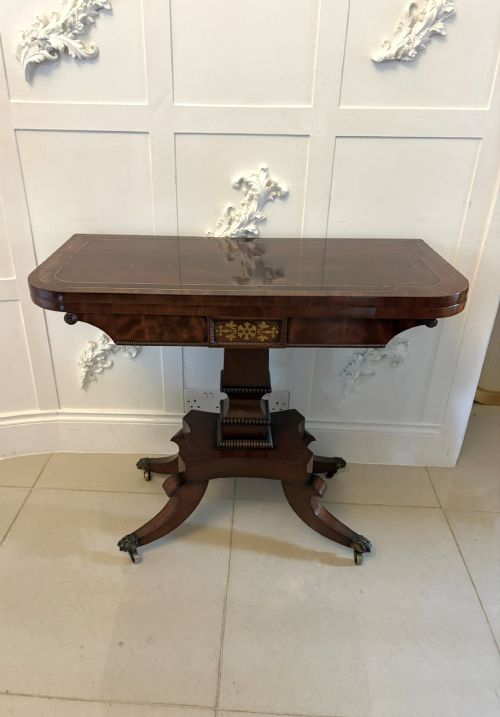
Brass inlay, sometimes referred to as brass stringing, involved cutting precise channels into the wood surface to embed thin strips or engraved motifs of metal. This technique demanded steady hands and sharp tools to ensure the brass sat flush with the surrounding timber before polishing.
Listings feature mahogany and rosewood as primary timbers, complemented by brass stringing, boxwood, and ebony accents across multiple table forms.
What Varies in Quality
The precision of the brass inlay work separates standard examples from exceptional pieces. Superior makers achieved tight, seamless junctions where the metal meets the wood without excessive filler or gaps.
Selection of timber grain and figure dictates visual hierarchy. Well matched veneers on table tops and symmetrical figuring in the mahogany or rosewood indicate higher workshop standards.
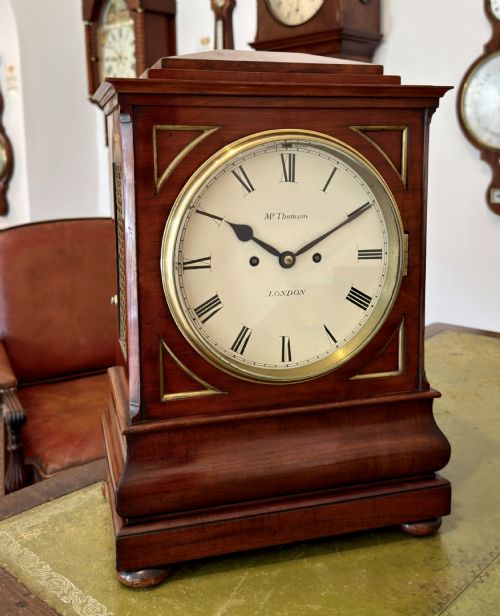
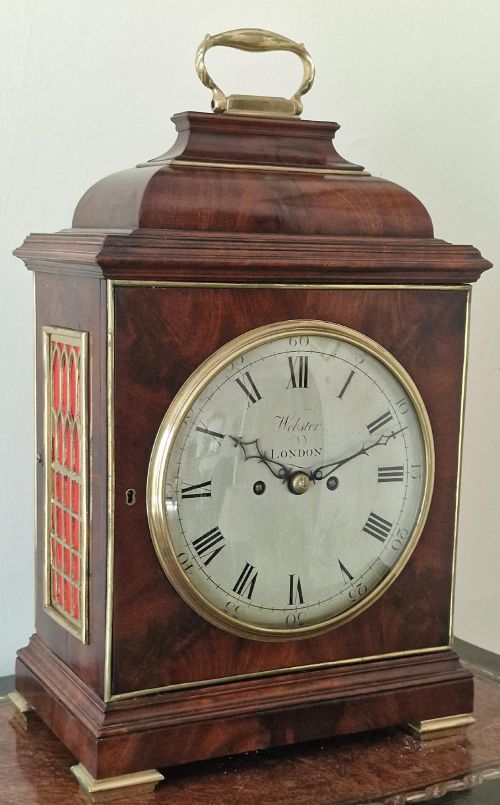
Thomson of London·Webster London·Charles Pratt London·Turner of London·Bush of London·L Vick of Stroud·Seller of Reading
The Georgian Brass Inlaid Table Glossary
- Brass stringing
- Thin filaments of brass embedded flush into wooden channels to outline panels or edges. This method adds linear contrast to dark tropical hardwoods.
- Fold-over top
- A hinged table surface that opens to double its footprint, commonly found on card and games tables. It often conceals a lined interior compartment.
- Sofa table
- A rectangular occasional table designed to stand immediately behind a sofa, typically fitted with two small drop leaves and end supports. They often incorporate small drawers beneath the top.
- Pembroke table
- A small occasional table featuring two hinged drop leaves on opposing sides. It usually stands on four legs and includes a single drawer.
- Tilt top
- A mechanism allowing the table top to pivot vertically on a central pedestal for storage when not in use. This feature appeared frequently on occasional and centre tables.
Georgian Brass Inlaid Table: Frequently Asked Questions
How do I care for a brass inlaid surface?
Keep wooden surfaces nourished with traditional wax polish applied sparingly with a soft cloth. Avoid placing tables near direct heat sources or strong sunlight, which can dry out timber and loosen metal inlays.
Buff the brass elements gently with a dry microfiber cloth to maintain their lustre without abrasive cleaners. Ensure spills are wiped away immediately to protect both the timber grain and the embedded metal.
Were these tables used for dining?
Most tables featuring brass inlay served social or display functions rather than heavy dining. Card tables, sofa tables, and occasional stands were built for entertaining, writing, or holding decorative lamps.
Larger centre tables provided central room focus or supported reading materials. Using them for formal dining risks heat and moisture damage to the antique polished finishes.
How can I tell a Regency piece from a Georgian piece?
Georgian furniture leans towards classical proportions with restrained ornamentation, while Regency pieces often embrace bolder neoclassical influences, heavier brass mounts, and darker exotic woods. Regency designs emerged during the early nineteenth century under French and Egyptian stylistic revivals.
Examine the secondary woods inside drawers and the fastening methods used beneath the tops. Earlier pieces often utilise oak linings, whereas later nineteenth century variants incorporate pine or mahogany.