
Georgian Brass Handles
Georgian brass handles secure the drawers and doors of period furniture, offering the tactile satisfaction and warm metallic contrast that collectors prize.
Georgian Brass Handles
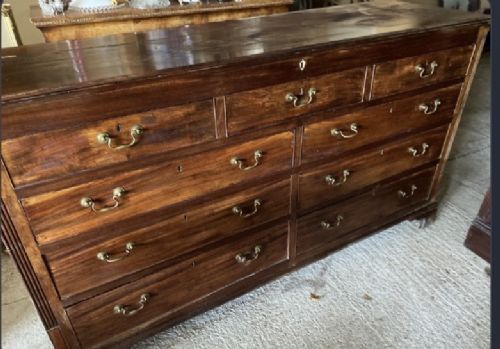
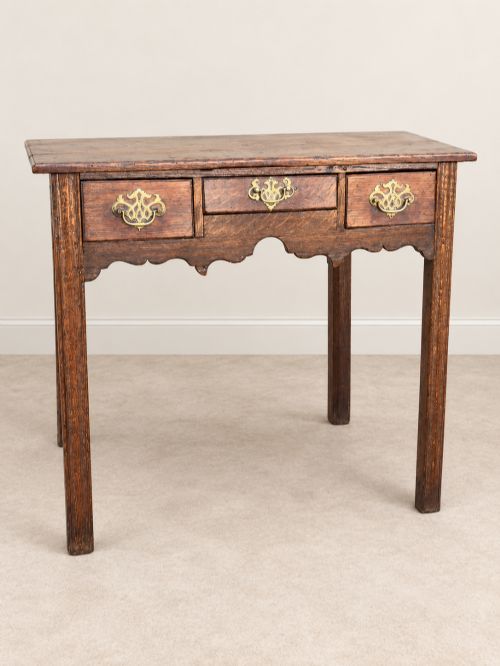
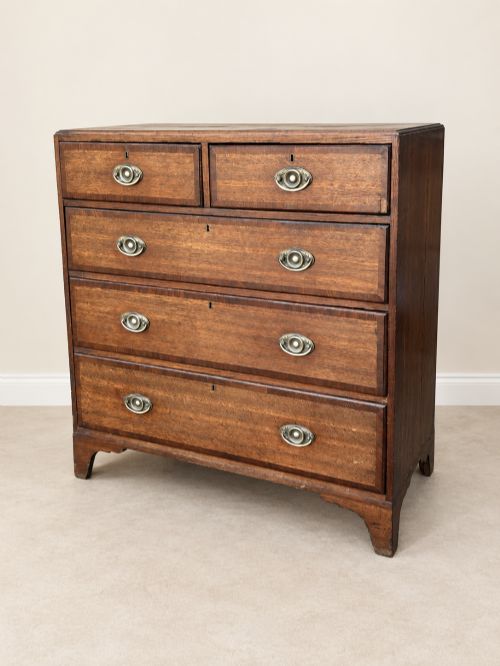
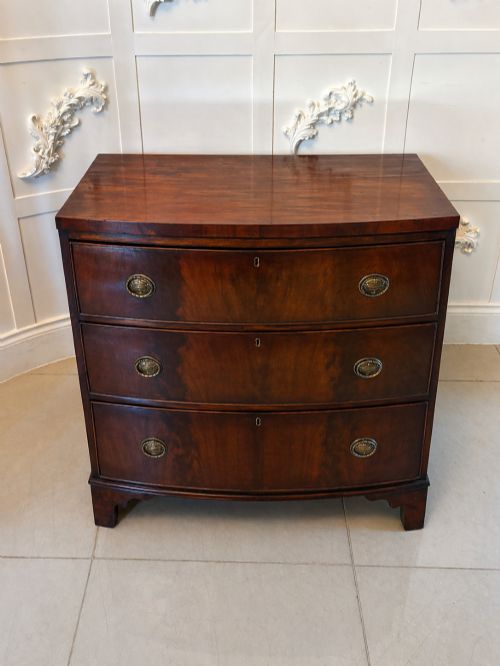
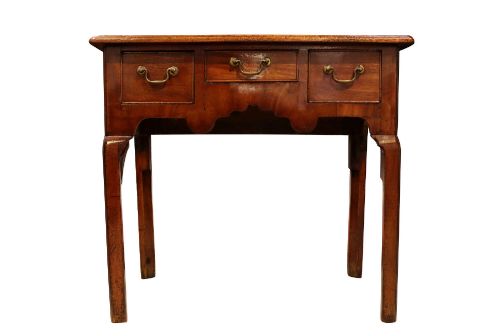
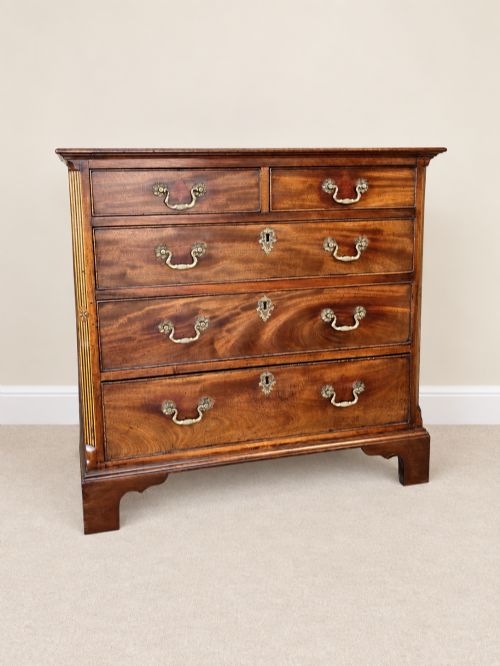
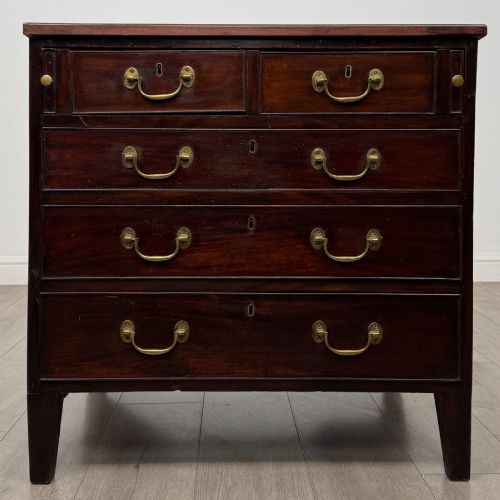
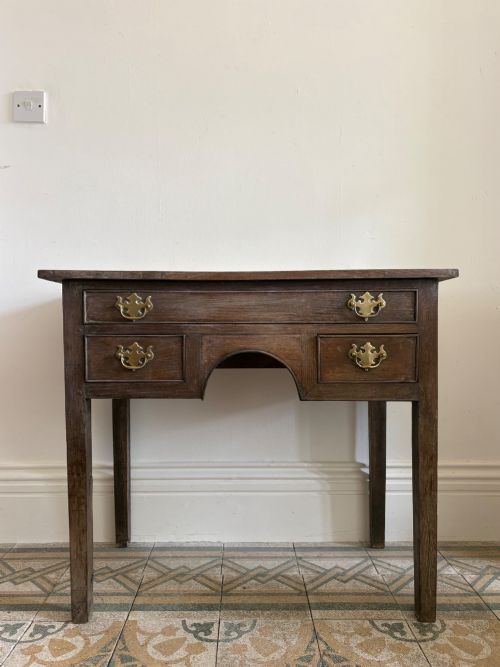
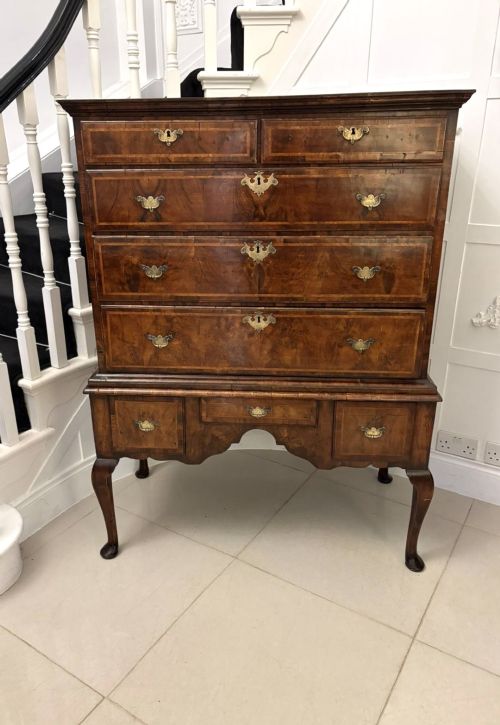
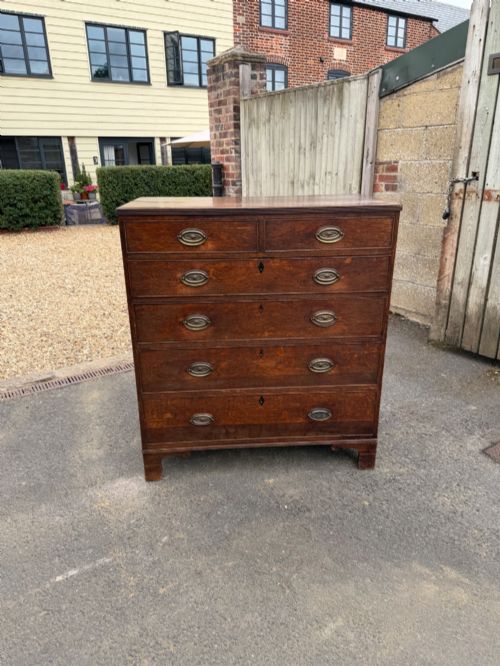
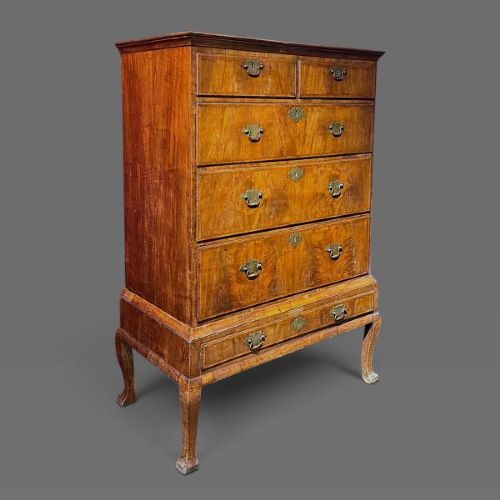
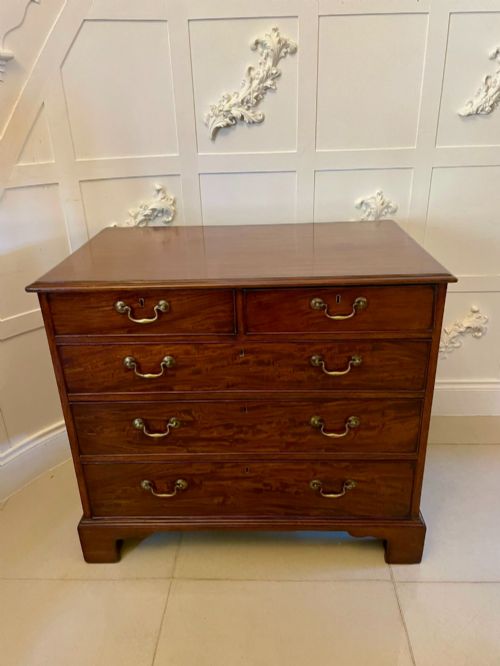
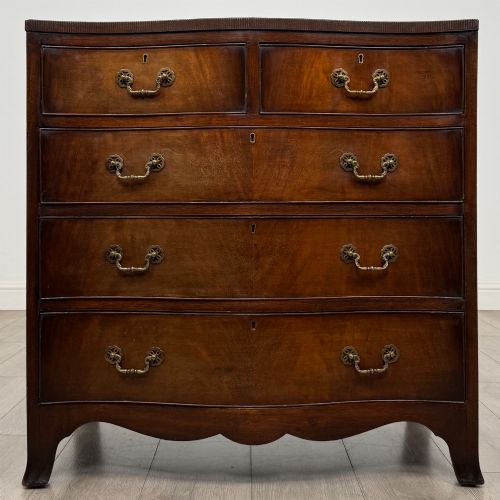
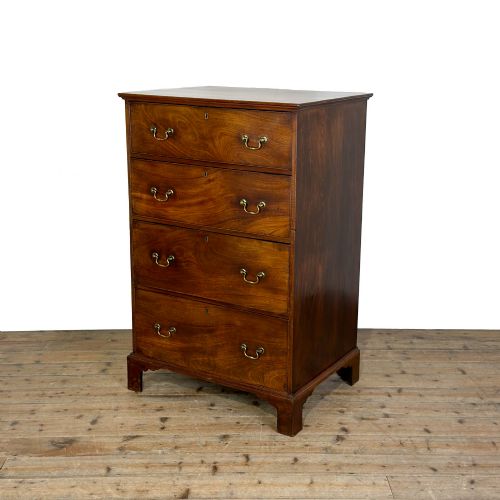
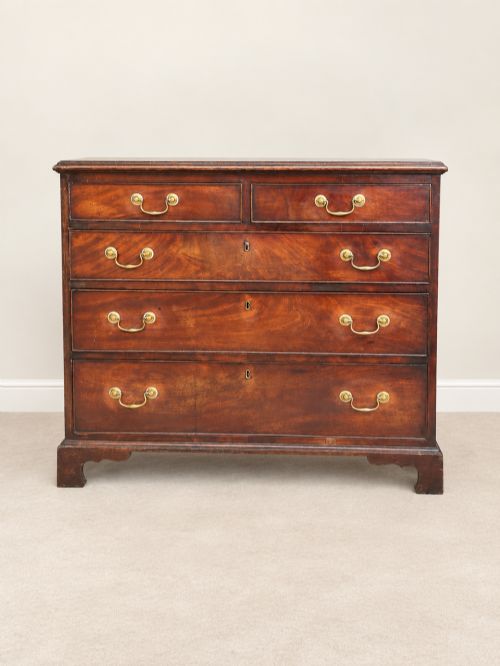
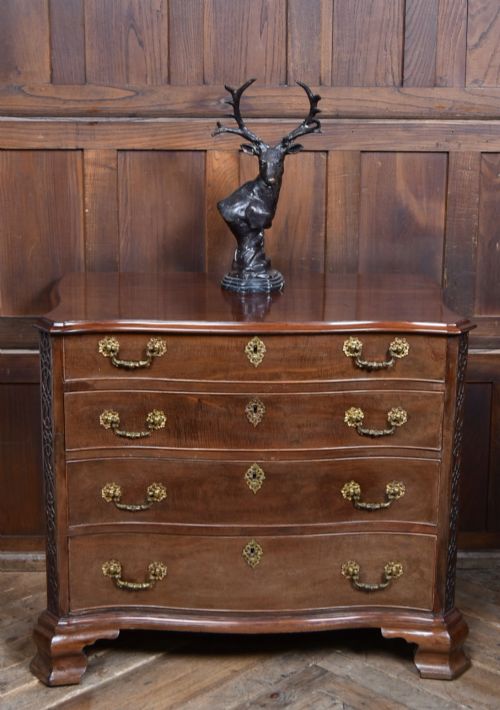
When you search for georgian brass handles, you examine the hardware fitted to eighteenth and early nineteenth-century furniture, predominantly chests of drawers, sideboards, and writing tables. The items on this page include drop handles, swan neck loops, and oval plates attached to mahogany, oak, and walnut carcases spanning the reigns from Queen Anne through to the Regency period.
The most common items associated with this search are mahogany chests of drawers, where the brass work provides both function and ornament. These range from simple oak-lined pieces to grander bow-front and tallboy formats outfitted with original backplates and drop handles.
Materials and Construction
Cabinet makers constructed the furniture bodies using native timbers like oak alongside imported hardwoods such as mahogany and figured walnut, frequently adding crossbanding in satinwood, kingwood, or ebony. Drawers were typically side-lined in oak and fitted with cast or stamped brass hardware secured through the drawer front by posts and nuts.
Surface decoration relied on the natural grain figures of flame mahogany, burr walnut, and golden oak, sometimes complemented by fine stringing or inlay. The brass furniture mounts were cast, chased, or pressed into swan neck, drop, and plate designs before being polished to contrast with the dark timber.
Judging Quality and Integrity
The distinction between tiers rests upon the crispness of the brass casting and the retention of original matching hardware rather than later replacements. Superior pieces display harmonious proportions, such as well-executed bracket feet or ogee mouldings paired with correctly scaled handles that leave appropriate footprints in the wood.
Finer examples utilise dense figured veneers like burr walnut or flame mahogany over sturdy secondary woods like oak, accompanied by precise dovetailing. The presence of original backplates, swing handles, and period locks elevates a piece well above those altered or re-fitted at a later date.
J Moorcroft·Comitti Of London·William Gard
The Georgian Brass Handles Glossary
- Swan neck handle
- A metal bail handle shaped like the curved neck of a swan, popular on mid-eighteenth-century drawer furniture. It attaches to two vertical backplates via hinged posts.
- Oval plate handle
- A stamped sheet brass handle featuring an oval backplate behind the drop ring or bail, commonly found on later eighteenth and Regency pieces. The plate protected the timber surface from friction.
- Brushing slide
- A pull-out shelf integrated above the top drawers of a chest, used historically for writing or folding clothes. It sits discreetly between the primary drawer tiers.
- Crossbanding
- A decorative border technique where thin strips of veneer are laid across the grain direction around the perimeter of a top or drawer front. It frames the central timber figure.
- Ogee feet
- A moulded bracket foot featuring an 'S'-shaped profile that curves outward at the top and inward at the base. This form supports many substantial case pieces.
Georgian Brass Handles: Frequently Asked Questions
How do I know if brass handles are original?
Examine the interior of the drawer front for filled holes or mismatched shadow marks left by earlier backplates. Original brasses typically leave an undisturbed patina and fit the exact impression in the grain.
Look closely at the fixing posts and nuts securing the handles through the timber. Hand-cut threaded posts and matching period nuts suggest the hardware has remained undisturbed since manufacture.
What timber was used for Georgian chests?
Mahogany served as the primary hardwood for finer pieces from the mid-eighteenth century onward, often selected for its rich grain and stability. Oak and walnut appear frequently in earlier Queen Anne and George I examples.
Secondary timbers like oak were utilised for drawer linings and internal carcase construction even when the primary exterior surface displayed figured walnut or imported mahogany.
What is a brushing slide?
A brushing slide is a pull-out wooden board integrated into the upper section of a chest of drawers or wardrobe. Owners used this surface for grooming tasks or folding garments without opening the main drawers.
These slides sit just beneath the top surface and often share space with the uppermost drawer divider, operating smoothly on wooden runners.
How should I clean antique brass handles?
Dust the brass gently with a dry, soft cloth to remove surface grime without disturbing the accumulated historic patina. Avoid harsh commercial metal polishes that strip away age.
If cleaning is essential, use a mild soap solution on a damp cloth, taking care not to let moisture touch the surrounding antique wood finish.