
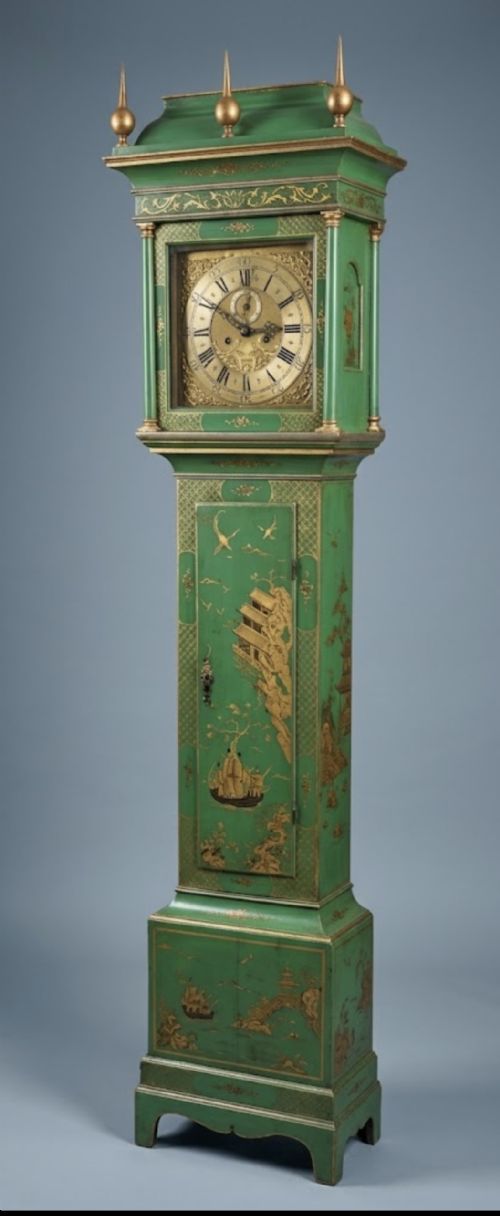
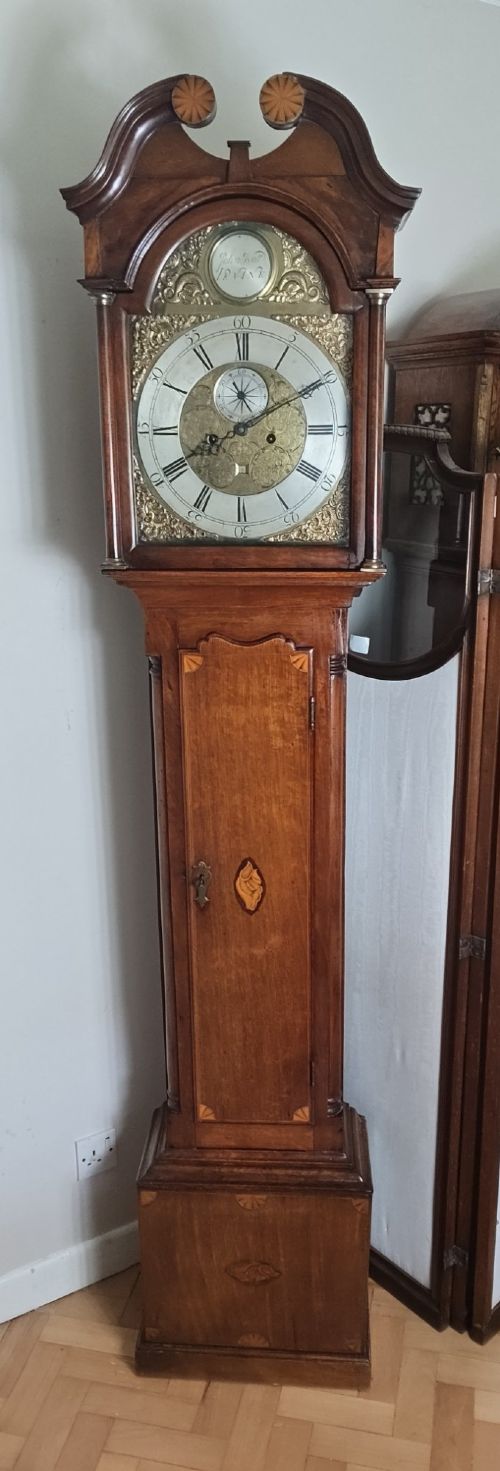
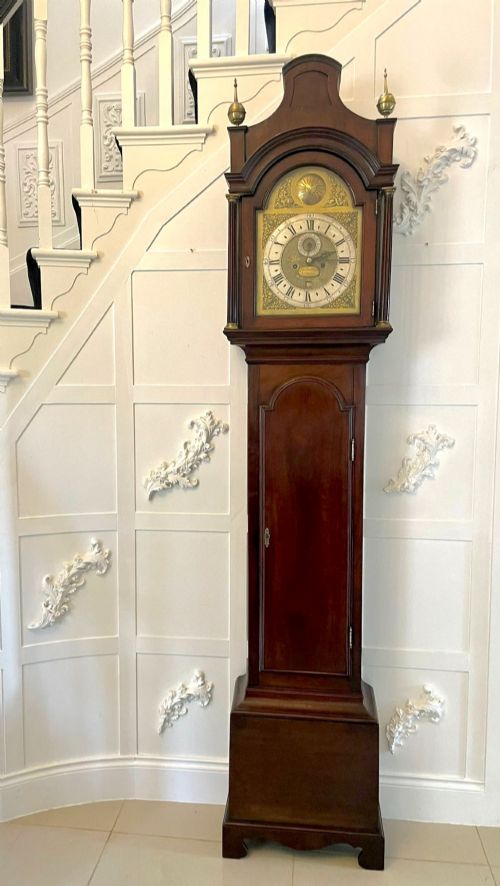
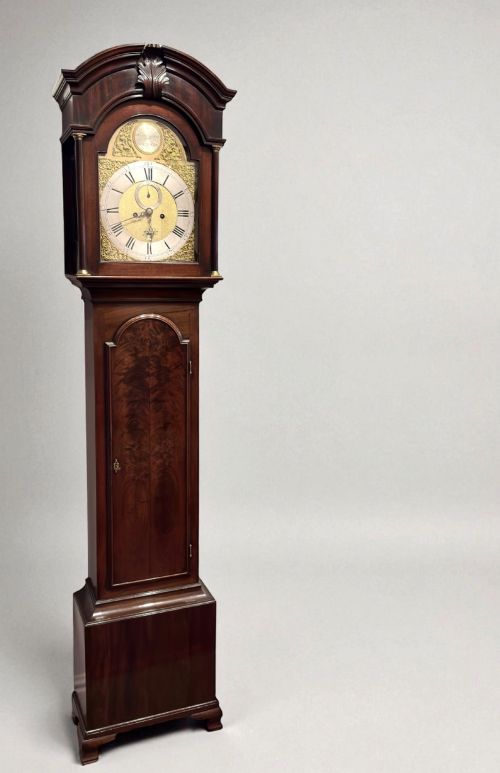
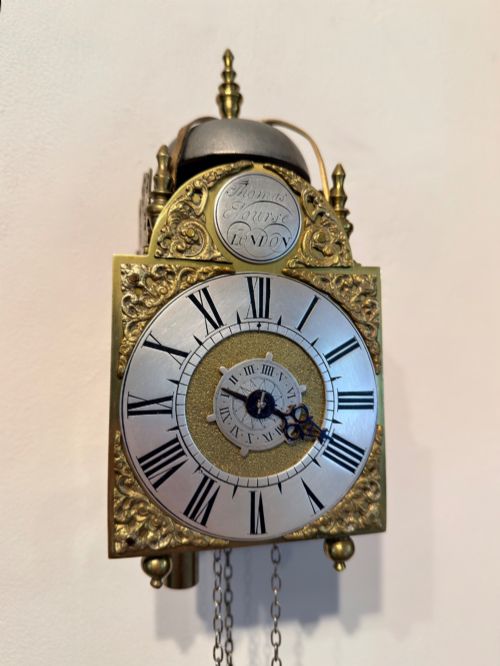
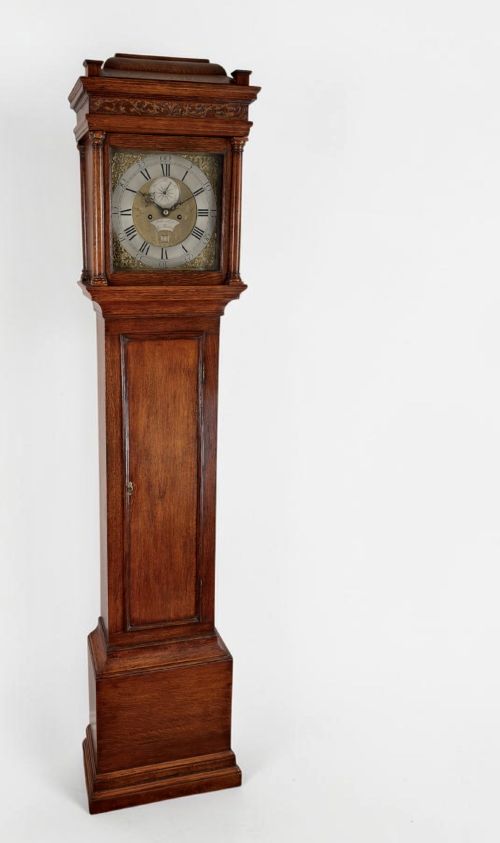
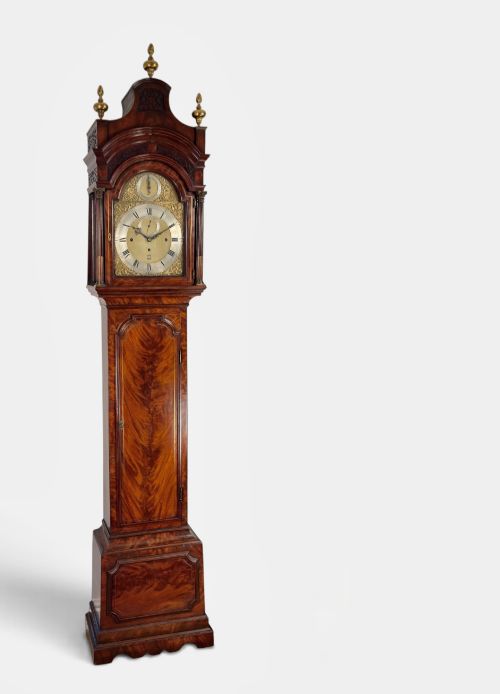
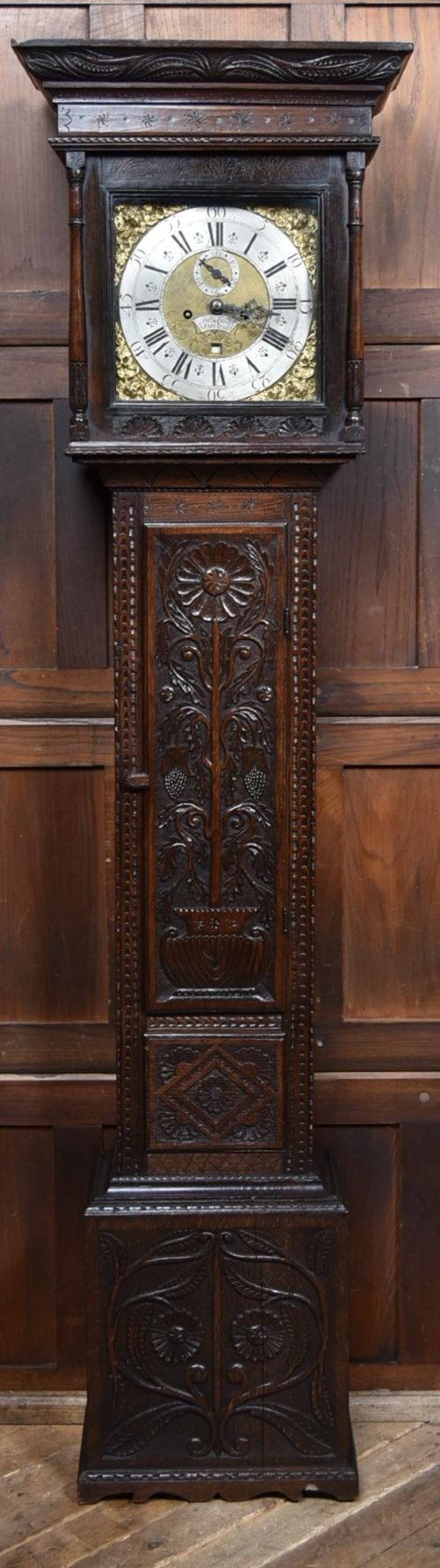

Georgian Brass Dial
A georgian brass dial sits at the centre of a longcase or bracket clock, bringing centuries of mechanical work and warm metal into a room.
Georgian Brass Dial
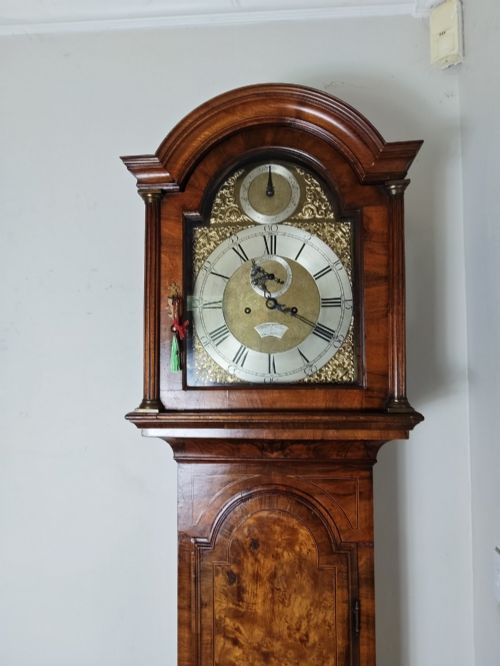
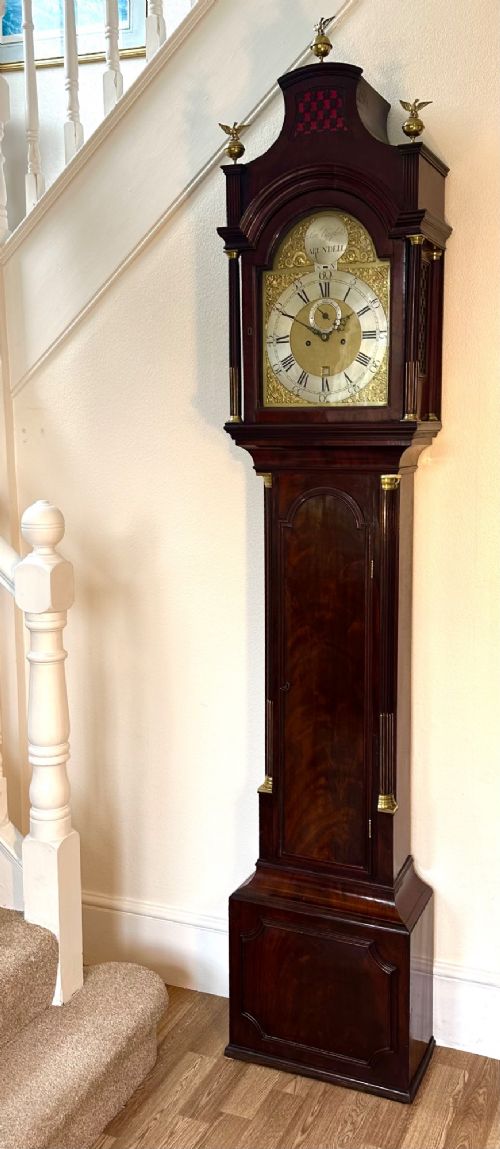
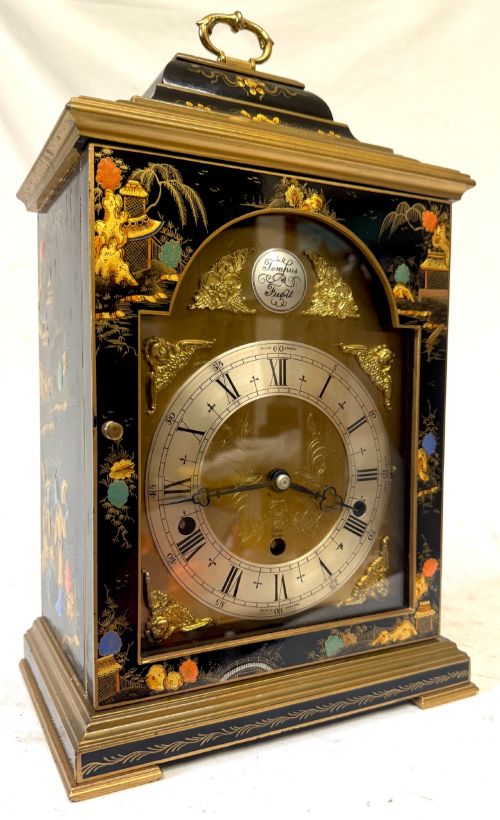
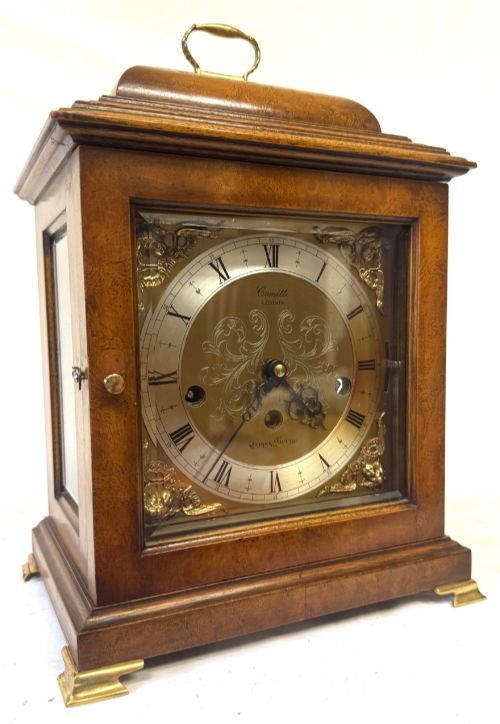
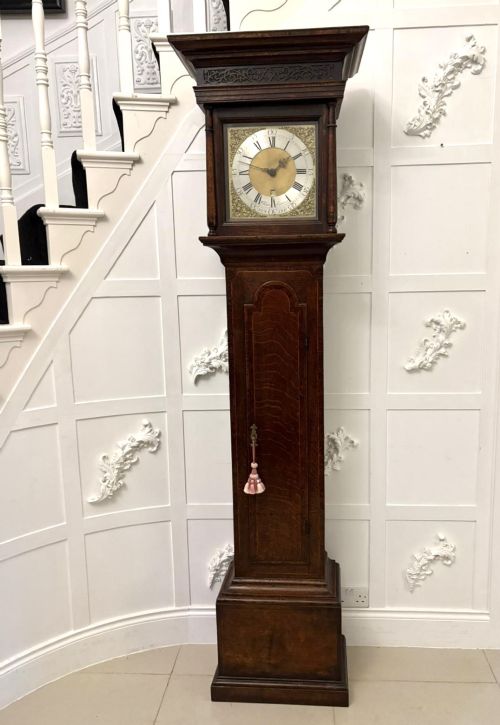
When you search for a georgian brass dial, you are looking at clock faces and complete timepieces spanning the eighteenth and nineteenth centuries. These items range from freestanding grandfather and longcase clocks to smaller wall and bracket clocks housed in timber cases.
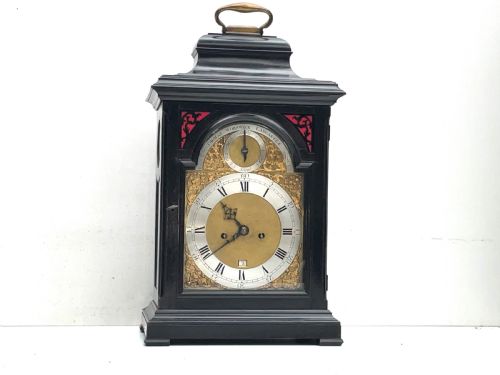
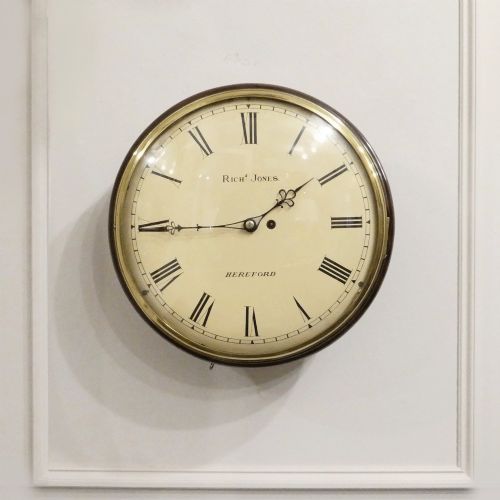
You will most frequently meet longcase clocks featuring brass faces housed in oak or mahogany cases originating from various English and Scottish regions. The selection also includes smaller bracket clocks and occasional dial clocks utilising similar period brass elements.
The periods represented stretch from early Georgian eras through to Victorian times, with occasional twentieth-century interpretations in older styles. These pieces combine functional timekeeping with traditional cabinetmaking and engraved metalwork.
How they were made
Clockmakers cast and engraved brass for the dials, often incorporating silvered chapter rings and detailed spandrels in the corners. These metal faces paired with steel movement components, intricate wheels, and weights or springs to drive the mechanism.
Cabinetmakers housed these dials in timber cases constructed from oak, mahogany, walnut, or burr walnut. Carpenters and joiners built these tall or table cases using traditional joinery, sometimes adding glass panels, brass inlay, and polished finishes.
Listings feature oak, mahogany, walnut, and burr walnut alongside brass, steel, and glass components.
What varies in quality
The level of detail in the brass engraving and the crispness of the cast spandrels separate standard examples from finer works. Master horologists signed their dials, and the complexity of the movement, such as moon phases or strike-silent functions, shifts the tier of the piece.
The selection of timber and the proportion of the case dictate the overall presence of the clock. Finely figured mahogany or burr walnut cases with clean lines and well-preserved dials represent the upper echelon of these historical timepieces.
Charles Shuckburgh·John Ellicott·James Field·Richard Corless·James McCabe·William Jourdain
The Georgian Brass Dial Glossary
- Chapter ring
- The outer metal ring on a clock face that displays the hours and minutes. It is frequently silvered to contrast against the yellow brass dial ground.
- Spandrel
- The decorative corner ornaments placed in the four corners of a square brass dial. These cast brass pieces evolved in style across different decades.
- Longcase clock
- A tall freestanding weight-driven timepiece housed in a wooden trunk. Also commonly referred to as a grandfather clock.
- Bracket clock
- A portable table or shelf clock originally designed to sit on a wall bracket. They often feature carrying handles and glazed side panels.
- Fusee
- A conical pulley used in spring-driven clocks to maintain equal power as the mainspring unwinds. This mechanism improves the timekeeping accuracy of the clock.
Georgian Brass Dial: Frequently Asked Questions
How do I tell different periods apart?
You can distinguish periods by examining the style of the brass spandrels, the lettering of the maker signature, and the shape of the wooden case. Earlier dials tend to be square, while later examples often incorporate arched tops.
Cabinet woods also shift over time, moving from early oak and walnut toward figured mahogany in later decades. Comparing these stylistic details helps narrow down the decade of production.
Where were these clocks made?
These timepieces originated from workshops across England and Scotland, ranging from London masters to regional makers in towns like Chester, Manchester, and Aberdeen. Each region often utilised local timbers such as oak.
Urban centres like London typically produced more complex movements and highly finished mahogany cases. Provincial makers often relied on sturdy oak for domestic country houses.
How do I live with a longcase clock?
Placing a tall clock requires a stable, level floor and a secure wall fixing to prevent accidental tipping. Keeping the piece away from direct sunlight and dramatic temperature swings protects the timber case.
Winding the weights or springs regularly keeps the mechanical movement operating smoothly. Proper positioning in a quiet room allows you to enjoy the natural ticking and striking sounds.