
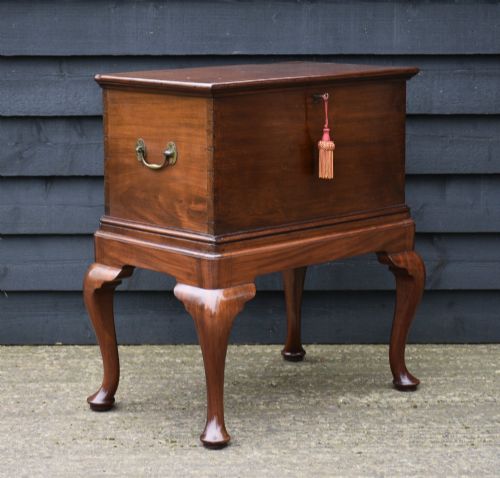
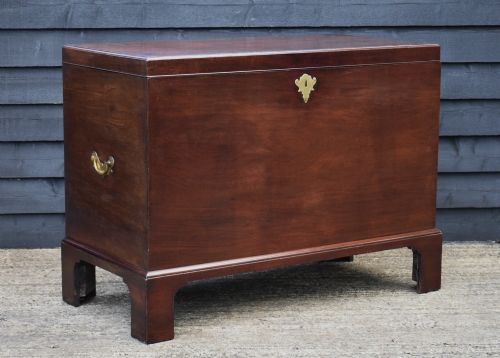
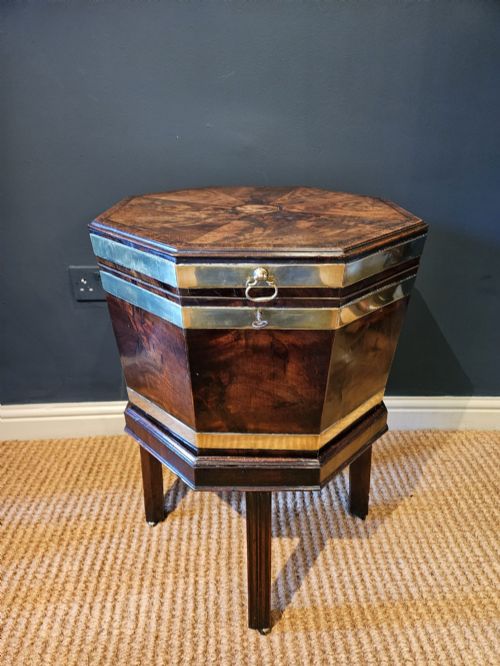
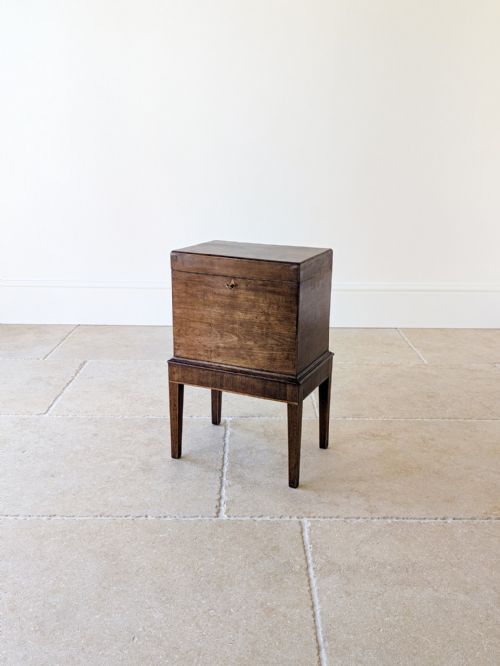
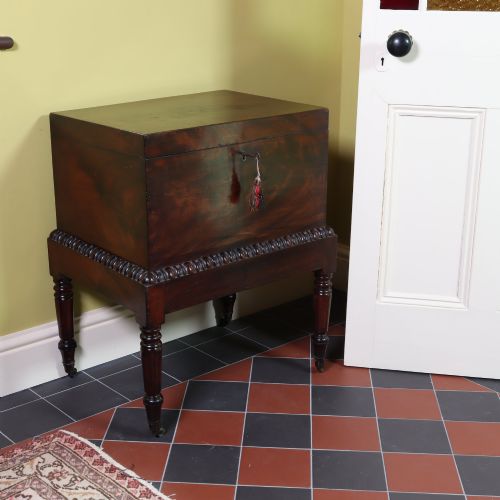


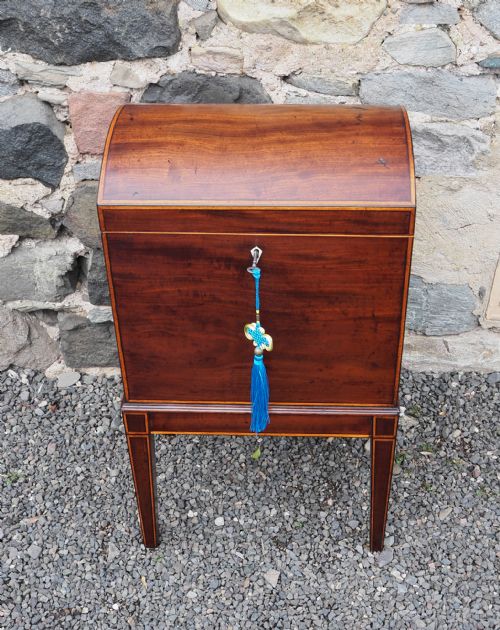
Georgian Box on Stand
A georgian box on stand brings the fitted elegance of the eighteenth and nineteenth centuries directly into a modern room.
Georgian Box on Stand
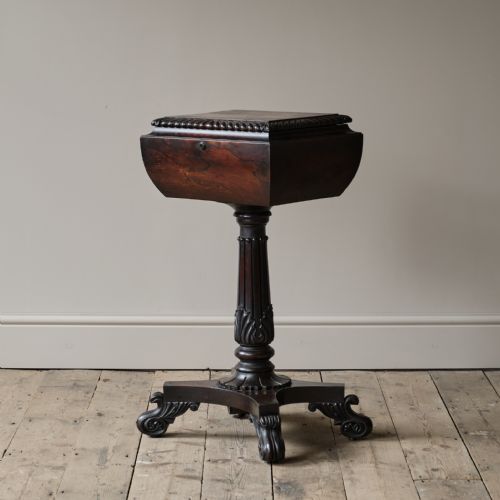
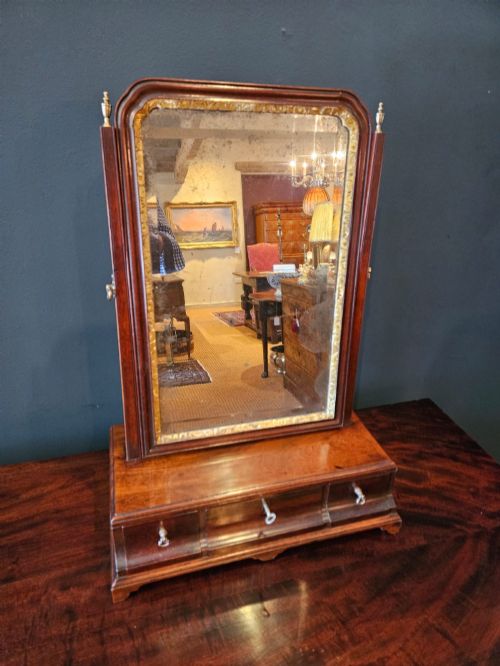
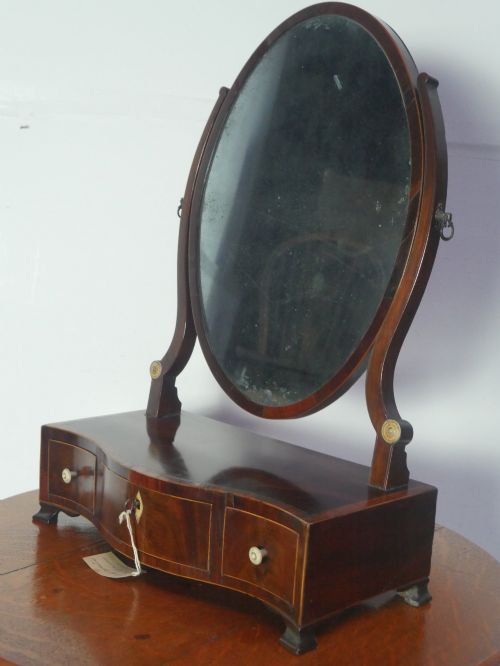
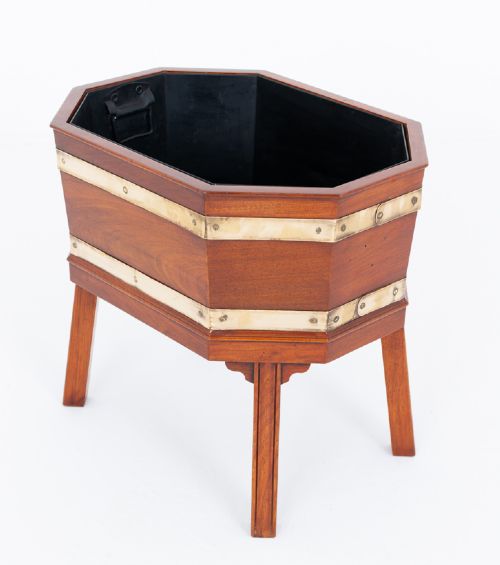
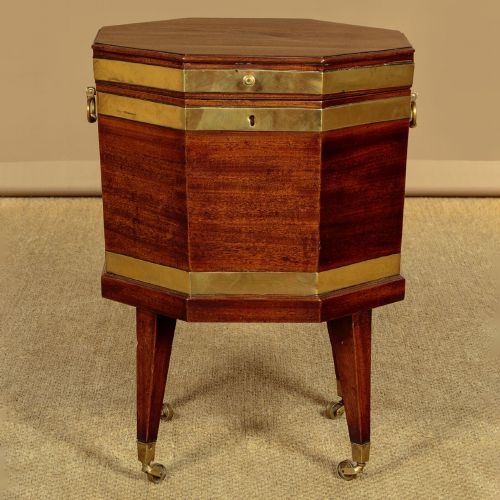
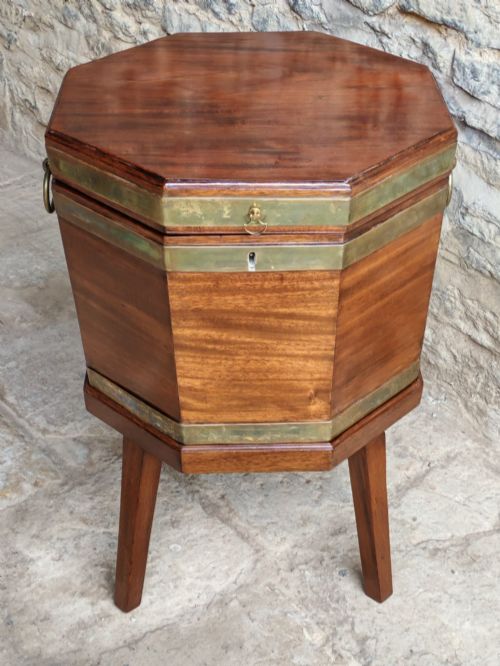
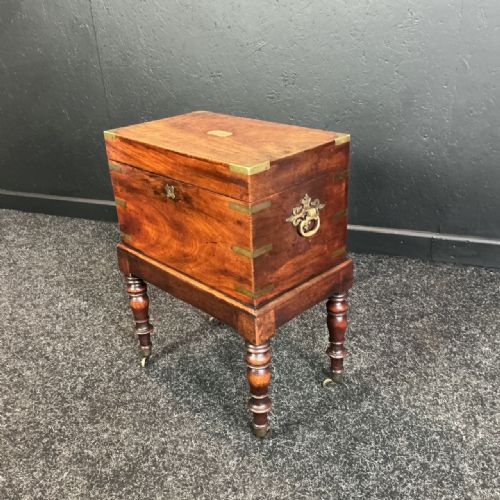
A georgian box on stand combines a secure storage container with a dedicated support structure, originating primarily in the eighteenth and nineteenth centuries. The listings show forms ranging from cellarettes and teapoys to writing slopes, toilet mirrors, and silver chests.
Buyers will most frequently encounter mahogany examples alongside walnut, oak, and rosewood pieces from the Georgian and Regency periods. The selection also includes specialised variants like Anglo-Indian padouk and satinwood-inlaid containers.
These items served specialised domestic duties, from cooling wine and storing tea to holding toiletries or valuable documents. The box and its stand often form an integrated design, though some pieces pair period containers with matching bases.
How they were made
Cabinetmakers utilised dense timbers such as mahogany, walnut, and oak, frequently selecting flame veneers or incorporating boxwood and harewood inlay. Brass mounts, carrying handles, and internal dividers provided both structural reinforcement and functional organisation for the contents.
Joinery techniques relied on precise dovetailing for the primary boxes, paired with robust framing for the underlying stands, which often take the form of bracket feet, tapered legs, or tripod supports.
The recorded forms span utilitarian silver chests and bible boxes to decorative cellarettes, teapoys, and adjustable toilet mirrors.
What varies in quality
The degree of timber selection and grain figuring marks the distinction between standard utility items and high-end commission pieces. Richness of natural patina and the preservation of original hardware significantly elevate the stature of a survivor.
Cohesion between the container and its support structure dictates historical integrity, separating unified original designs from later assembled pairings.
The Georgian Box on Stand Glossary
- Cellarette
- A dedicated lockable container designed to hold bottles of wine or spirits, frequently fitted with internal lead linings or dividers. They often appear on low stands or incorporate brass banding.
- Teapoy
- A small box or chest intended for the storage of precious tea leaves, supported on a pillar or dedicated stand. Regency examples often feature sarcophagus-shaped lids.
- Toilet mirror
- A small adjustable looking glass mounted on a box frame containing small drawers for cosmetics or jewellery. These date commonly across the Georgian and Regency eras.
- Padouk
- A heavy, durable tropical hardwood with a reddish hue, utilised in colonial cabinetmaking such as Anglo-Indian cellarettes. It offers exceptional resistance to warping.
- Satinwood
- A lustrous timber native to India and Sri Lanka, prized for its pale yellow colour and chatoyant grain. Cabinetmakers used it extensively for contrasting stringing and inlay.
Georgian Box on Stand: Frequently Asked Questions
What is a box on stand used for?
These pieces served varied domestic functions depending on their internal fittings, acting as portable storage for documents, tea, wine, or cosmetics. The elevated stand kept the valuable contents away from cold or damp floors.
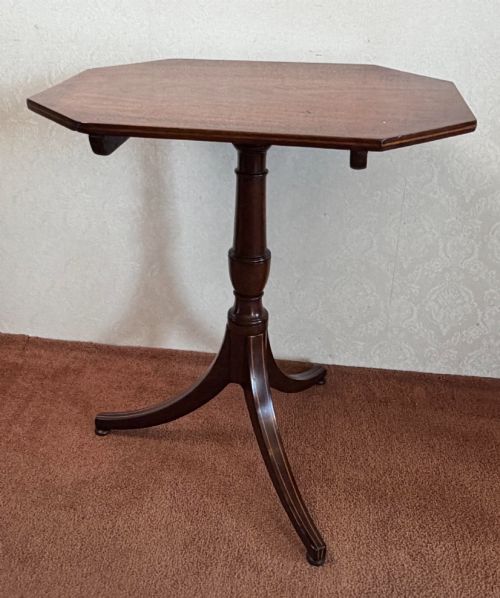
Over time, many adapted to new roles within the home as occasional tables or decorative display surfaces while retaining their enclosed storage compartments.
How do I identify a Georgian period piece?
Examination of the timber species, secondary woods, and hand-cut dovetail joints provides the primary clues to eighteenth-century manufacture. Period pieces display natural wax patination and construction methods consistent with pre-industrial cabinetmaking.
Stylistic markers such as bracket feet, flame mahogany veneers, and brass carrying handles align closely with documented George II, George III, and Regency designs.
How should I care for antique mahogany furniture?
Keep these items away from direct sunlight and strong heat sources to prevent the timber and delicate veneers from drying out or splitting. Routine dusting with a soft, dry cloth maintains the finish without requiring heavy polishes.
Applying microcrystalline wax occasionally helps nourish the surface and preserve the historic patina built up over centuries of use.