


Georgian Blue White Tableware
Georgian blue white tableware brings striking cobalt decoration and transfer-printed scenes to the table, offering both decorative presence and historic utility.
Georgian Blue White Tableware
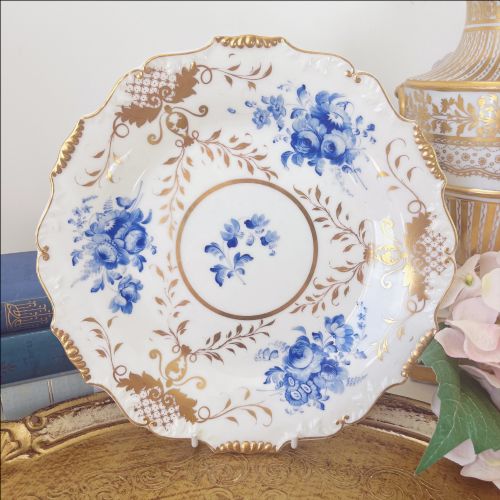
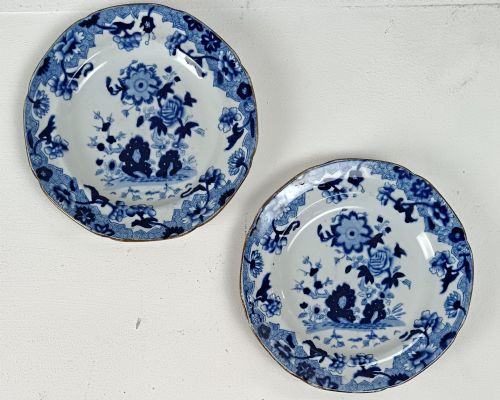
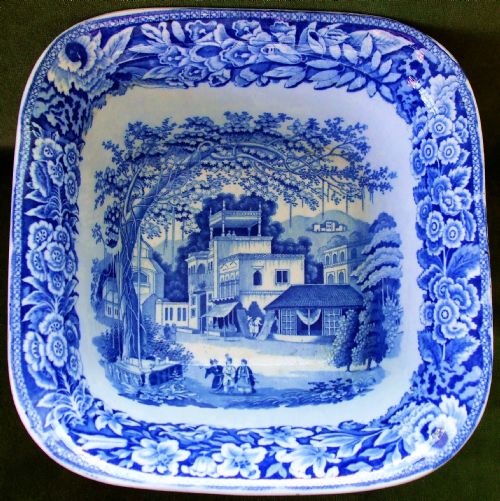
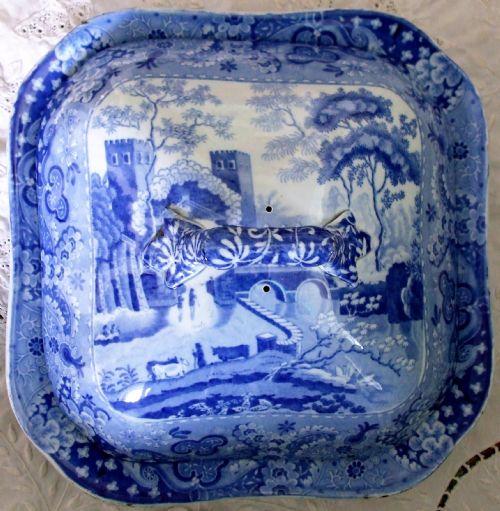
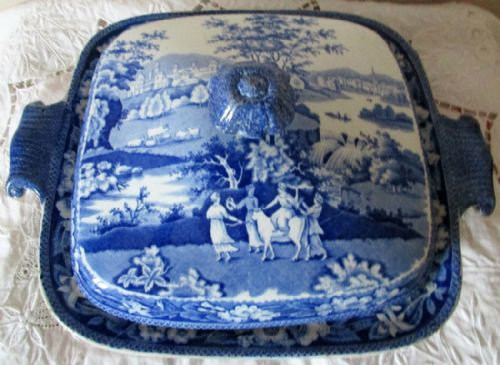
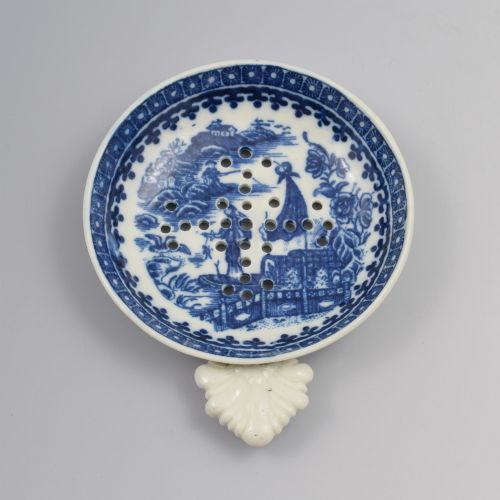
When you search for georgian blue white tableware, you encounter a varied selection of earthenware, pearlware, and porcelain items spanning the eighteenth and nineteenth centuries. These domestic objects range from serving platters and vegetable tureens to tea plates, sauce boats, and decorative bowls.
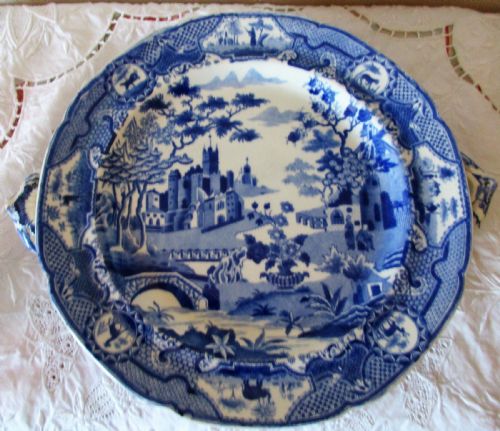
The pieces often feature named patterns such as Gothic Castle, Eastern Street Scene, Europa, and London Bridge, applied through cobalt glaze and transfer-printing techniques. Production stems from notable British factories including Spode, Caughley, Worcester, Bow, and Wedgwood.
Most examples date across the Georgian, Regency, and early nineteenth-century periods, reflecting domestic dining habits and ceramic developments of the era. The form and scale vary from small pickle dishes and egg cups to substantial dinner services and supper sets.
Materials and Manufacturing Methods
Potters utilised earthenware, soft-paste porcelain, and pearlware as the primary ceramic bodies for these items. Cobalt glaze provided the intense blue coloration applied beneath or over the fired body.
Transfer printing enabled intricate pictorial designs like the Fisherman pattern, Gothic Castle, and floral motifs to be transferred from copper plates onto the ceramic surface before glazing. Enamel touches occasionally supplemented the cobalt decoration on porcelain pieces.
Early nineteenth-century sailors dined from sturdy mess bowls featuring robust blue and white patterns.
Assessing Quality and Execution
Quality rests upon the clarity of the transfer-printed design and the precision of the cobalt glaze application. Crisp lines and deep, even blue tones distinguish superior pottery from blurred or uneven prints.
The refinement of the ceramic body, whether delicate soft-paste porcelain or well-potted pearlware, dictates the overall execution. Intricately moulded forms like vegetable tureens with covers or scalloped sauce boats demonstrate greater manufacturing skill.
Spode·J. & R. Riley·J. & R. Clews·William Adams·Wedgwood
The Georgian Blue White Tableware Glossary
- Pearlware
- A refined earthenware body developed in the late eighteenth century, characterised by a faint bluish tinge in the glaze pooled in crevices.
- Transfer printing
- A decoration method where an engraved copper plate transfers a design onto tissue paper, which is then stamped onto the ceramic body.
- Soft-paste porcelain
- A ceramic composition made from white clay and glass frit, fired at lower temperatures than true hard-paste porcelain.
- Cobalt glaze
- A metallic oxide pigment used to achieve deep blue tones on pottery under high-temperature firing conditions.
- Tureen
- A deep covered serving vessel used historically for soups, sauces, or vegetables at the dining table.
Georgian Blue White Tableware: Frequently Asked Questions
How do I identify a transfer print?
Transfer prints display fine, stippled or engraved lines that repeat identical motifs across pieces with exact precision, unlike hand-painted brushwork which shows natural variations.
Close inspection under magnification reveals the characteristic dot or line matrix of the printed paper application beneath the glaze.
What is pearlware?
Pearlware is a refined earthenware body introduced by Josiah Wedgwood and adopted widely by other potteries to mimic the whiteness of Chinese porcelain.
It typically exhibits a subtle bluish pooling of the glaze around foot rims and handles.
Can I use these plates daily?
While durable enough for their original purpose, these antique ceramics benefit from gentle hand washing rather than modern mechanical dishwashers to preserve the historic glaze and ironstone or earthenware bodies.
Displaying them or using them for light cold service protects the fragile surfaces from thermal shock and utensil wear.
How do I tell eighteenth-century porcelain from nineteenth-century pottery?
Eighteenth-century items often comprise soft-paste porcelain with hand-painted or early printed Chinese-inspired motifs, whilst nineteenth-century pieces frequently utilise heavier earthenware or pearlware bodies with narrative transfer prints.
Examining the weight, translucency, and base characteristics helps clarify the manufacturing period.