



Georgian Blue White Bowl
A georgian blue white bowl brings cobalt pigments and earthenware or porcelain together in domestic display.
Georgian Blue White Bowl
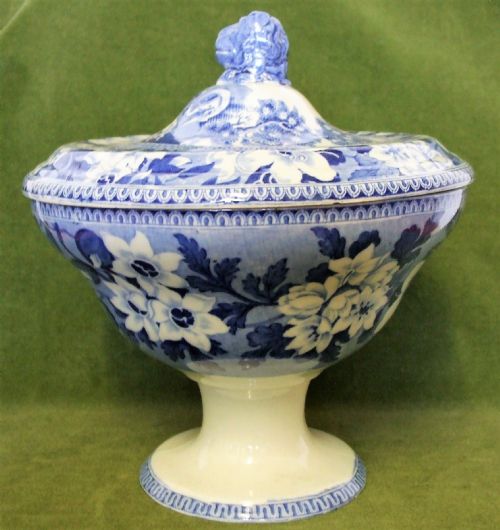
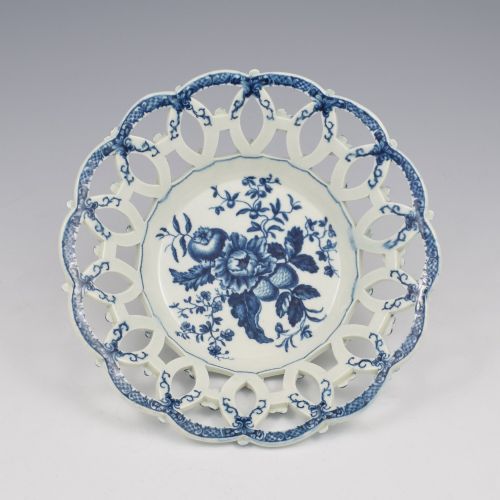
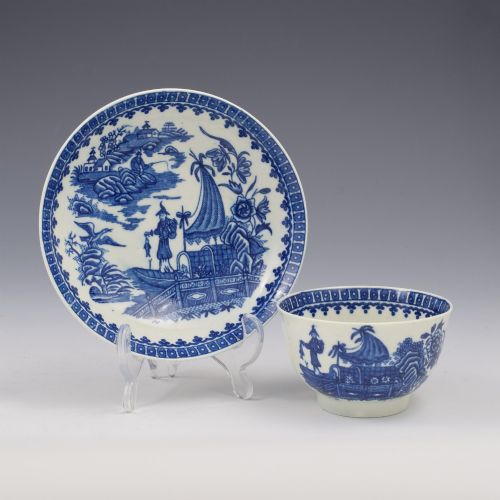
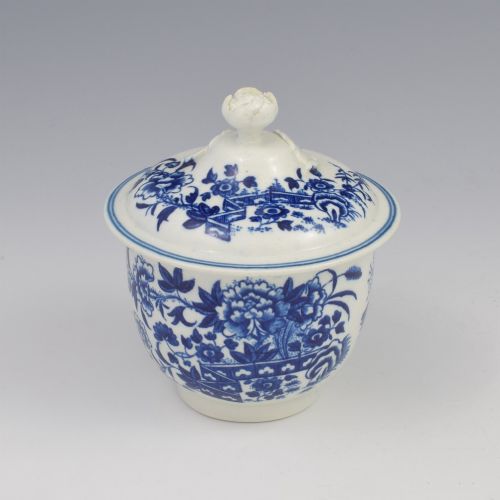
A georgian blue white bowl encompasses table vessels, serving pieces, and sugar boxes produced across the eighteenth and early nineteenth centuries. These items range from delicate porcelain tea bowls to substantial earthenware transfer-printed tureens and baskets.
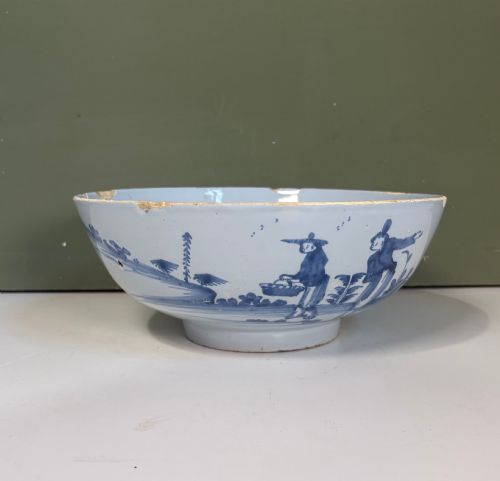
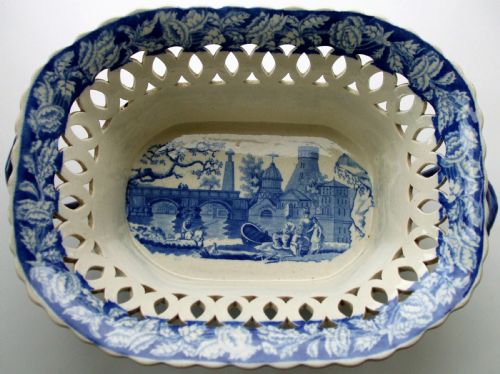
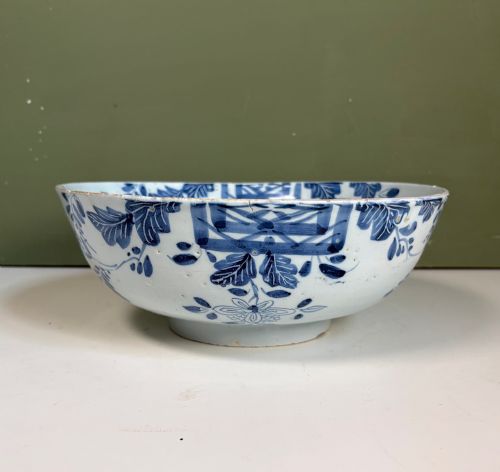
The objects appearing most frequently on this page originate from English factories and delftware potteries operating within the Georgian and Regency periods. Domestic bowls, footed bowls, and punch bowls dominate the selection, alongside specialised forms like chestnut baskets and slop bowls.
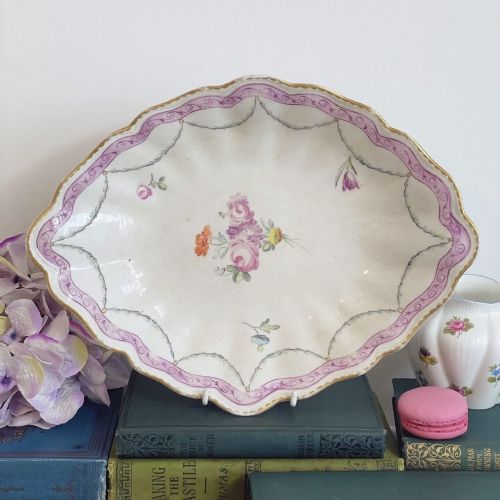
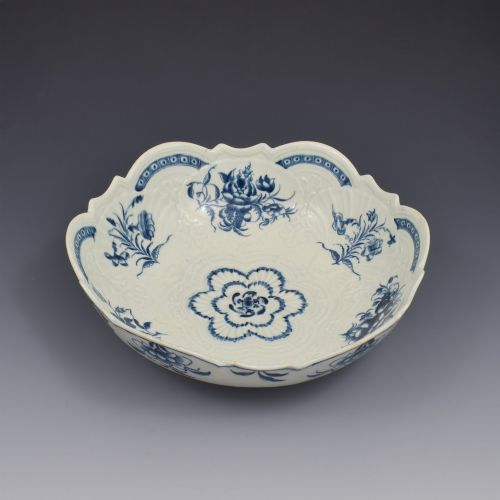
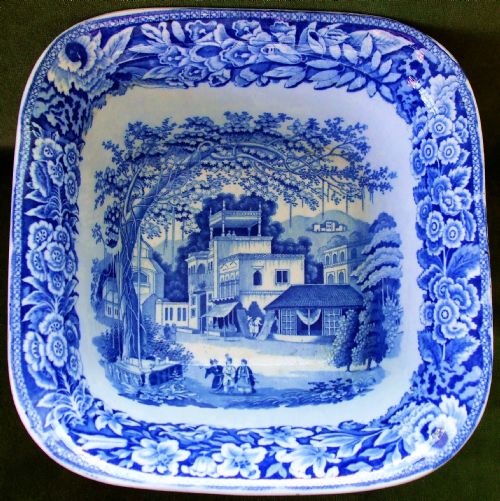
Makers applied cobalt glaze, enamel, and transfer printing to depict intricate scenes, floral motifs, and Chinese-inspired patterns. Buyers encounter everything from early Worcester porcelain to Staffordshire pottery created for everyday dining and display.
How they were made
Potters utilised earthenware, soft-paste porcelain, and ceramic bodies, coating them in transparent glaze or pearl glaze before firing. Cobalt glaze provided the deep blue coloration applied beneath the glaze or through transfer printing.
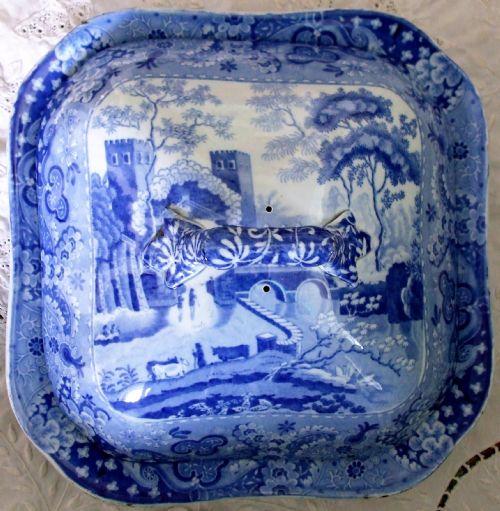
Factories employed handpainted brushwork alongside copperplate transfer printing to transfer detailed patterns such as river scenes, castle motifs, and floral sprays onto the clay surface.
Naval officers once gathered around designated mess bowls to share their rations.
What varies in quality
The crispness of the cobalt transfer print and the delicacy of the porcelain body dictate the standing of individual pieces. Early porcelain bodies show translucency and careful handpainted detail, whereas earthenware vessels rely on the depth and clarity of the blue print.
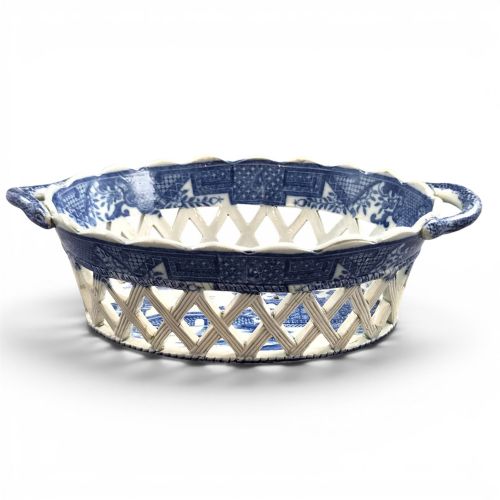
The complexity of the form, such as reticulated basket weaving or moulded tureen handles, distinguishes standard domestic output from finer exhibition pieces.
J. & R. Clews·J. & R. Riley·John Rogers & Son·Ridgway
The Georgian Blue White Bowl Glossary
- Soft-Paste Porcelain
- A ceramic composition containing glass frit and white clay, fired at lower temperatures than hard paste. This material produces a warm glaze surface found on early English tea bowls.
- Transfer Printing
- A method of applying engraved designs to ceramics using tissue paper pulled from a copper plate. This technique allowed factories to produce uniform pictorial scenes in blue.
- Slop Bowl
- A large bowl used during tea service to receive dregs from cups before pouring fresh tea. These vessels match the tea bowls and saucers in pattern and period.
- Pearl Glaze
- A slightly bluish-tinted transparent glaze developed by Staffordshire potters in the late eighteenth century. It creates a smooth surface over earthenware bodies.
- Chestnut Basket
- A pierced or reticulated container designed for serving roasted chestnuts at the dining table. They frequently include matching undertrays and applied handles.
Georgian Blue White Bowl: Frequently Asked Questions
What is a georgian blue white bowl used for?
These vessels served various functions at the dining table, from holding punch and sugar to washing tea cups or presenting fruit and nuts.
Larger bowls functioned as centrepieces for communal dining, while smaller tea bowls formed part of matching sets for hot beverages.
How do I date a georgian blue white bowl?
Dating relies on identifying the ceramic body, glaze characteristics, and factory marks recorded on the base. Soft-paste porcelain and delftware point towards the eighteenth century, while transfer-printed earthenware often indicates the Regency period.
Stylistic cues, such as Chinoiserie motifs or topographical transfer patterns, further narrow the decade of production.
Are these bowls made of porcelain or pottery?
The inventory includes both porcelain and earthenware pottery bodies depending on the factory and date. Earlier pieces frequently utilise soft-paste porcelain, whereas nineteenth-century transfer-printed wares are typically earthenware.
Glaze types also vary, with cobalt glaze and pearl glaze appearing across different ceramic compositions.
How should I display a georgian blue white bowl?
Display depends on the depth and form of the vessel, with footed bowls and punch bowls sitting well on open surfaces. Baskets and tureens suit sideboards or cabinets where their pierced work and covers remain visible.
Keeping them away from direct sunlight protects the cobalt blue pigments and glaze surfaces.