



Antique Porcelain Tea Basin
These antique porcelain tea basin pieces bring the elegance of eighteenth and nineteenth century dining tables straight into modern homes.
Antique Porcelain Tea Basin
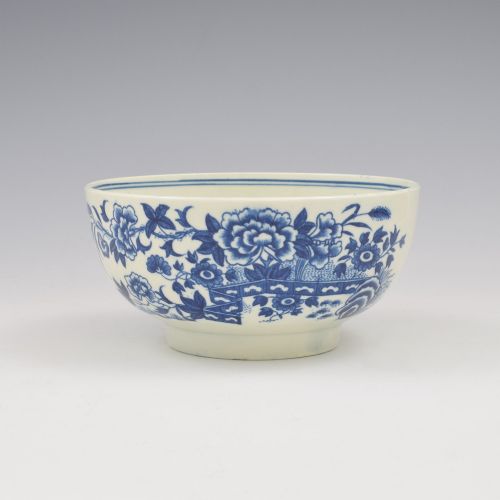
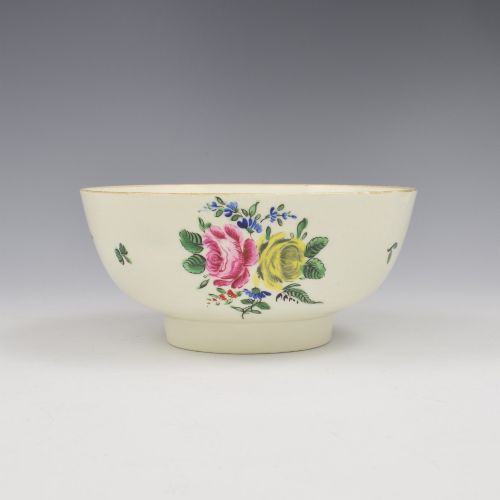
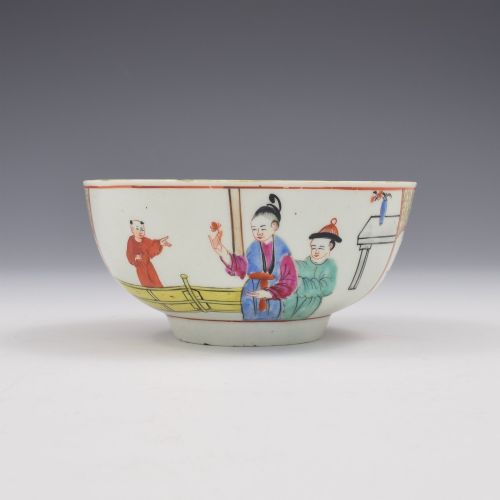
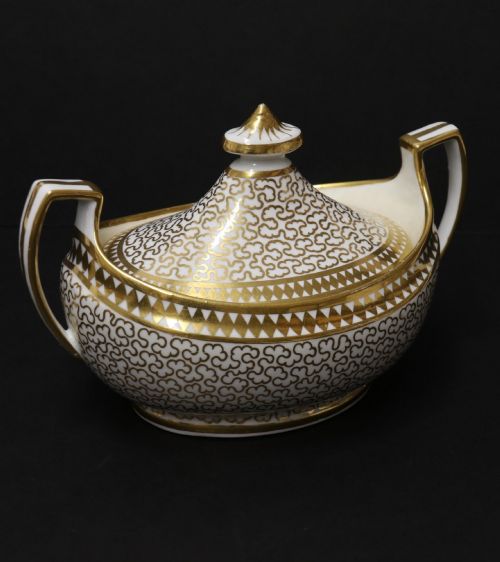
An antique porcelain tea basin is a refined vessel designed for domestic tea service, often catalogued in forms such as sugar bowls, slop bowls, and covered sucriers. These containers served a practical role during formal tea drinking, holding loose tea leaves or receiving discarded dregs from cups.
The pieces appearing on this page span several distinct eras, notably the eighteenth century and the Regency period, encompassing both British manufactories and Qing Dynasty Chinese export ware. Buyers frequently encounter forms decorated with traditional oriental figures, cobalt glaze, or rich enamel patterns.
Vessels from this category range from large First Period Worcester slop bowls down to compact covered sucriers by makers like Spode and Chamberlains. Each surviving example demonstrates the evolving domestic customs surrounding tea consumption across successive generations.
How they were made
Potters utilised materials such as soft-paste porcelain, bone china, and felspar porcelain, shaping them on the wheel or forming them in moulds to create consistent vessel walls. Artisans then applied foundational glazes to seal the ceramic body before firing the pieces in kilns.
Decoration relied on skilled hand painting, incorporating cobalt glaze, enamel colours, and delicate gold leaf highlights. Covered sucriers often required precise throwing to ensure the lid fitted the collar of the bowl securely after high-temperature firing.
Antique Porcelain Tea Basin Retail Price Guide 2026
Typical asking prices for porcelain tea basin among the pieces listed under this phrase on Sellingantiques today, from the lower quarter to the upper quarter. They describe what is for sale here now, not the wider market.
Materials across the inventory include soft-paste porcelain, felspar porcelain, gold leaf, and cobalt glaze.
What varies in quality
The refinement of the ceramic body sets apart the finest examples, where thinner walls and smoother glaze surfaces indicate greater technical mastery in the kiln. Early soft-paste pieces display distinct translucency and tactile warmth compared to later bone china formulations.
Painting execution dictates the visual distinction of each piece, with crisp enamel work and carefully applied gold leaf commanding attention. The precision of hand-painted Chinese figures or intricate Imari motifs reveals the direct hand of a master decorator.
The Antique Porcelain Tea Basin Glossary
- Slop bowl
- A large bowl used during tea service to hold discarded tea dregs or spent leaves. These vessels form a primary component of eighteenth-century tea sets.
- Sucrier
- A covered sugar basin designed to match the teapot and cream jug in a tea service. They often feature fitted lids with small finials.
- Soft-paste porcelain
- A ceramic composition containing glass frit and white clay, fired at lower temperatures than hard paste. It produces a warm, creamy body with high translucency.
- Cobalt glaze
- A deep blue metallic oxide pigment applied under the glaze before firing. It withstands high kiln temperatures without losing intensity.
- Felspar porcelain
- A refined ceramic body introduced in the nineteenth century using felspar as a primary flux. This material offered increased durability and a bright white ground.
Antique Porcelain Tea Basin: Frequently Asked Questions
What is an antique tea basin used for?
An antique tea basin functioned as a central vessel on the tea table, holding loose leaves or serving as a slop bowl for unwanted liquid.
Over time, the terminology shifted toward sugar bowls and sucriers as tea drinking rituals became more formalised in British households.
How do I identify an eighteenth century piece?
Eighteenth century pieces typically display the softer paste body characteristics and hand-painted blue and white or polychrome enamel schemes associated with early English and Chinese kilns.
Examining the foot ring and glaze pooling underneath often reveals the potting methods characteristic of periods like the Dr Wall Worcester era.
How should I display my tea basin?
These basins display well within enclosed cabinet shelving where natural light highlights the interior enamel work and gilding.
Keeping them away from direct sunlight protects vulnerable gold leaf and delicate painted enamel details from fading.