
George III Wooden Chest
A george iii wooden chest brings enduring joinery and warm timber tones into a modern interior.
George III Wooden Chest
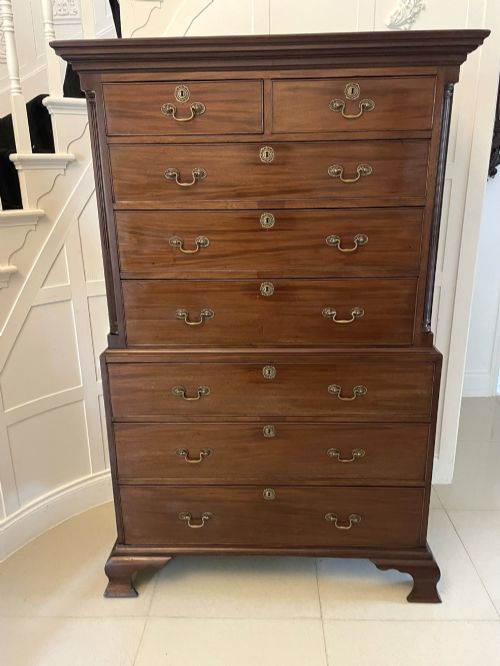
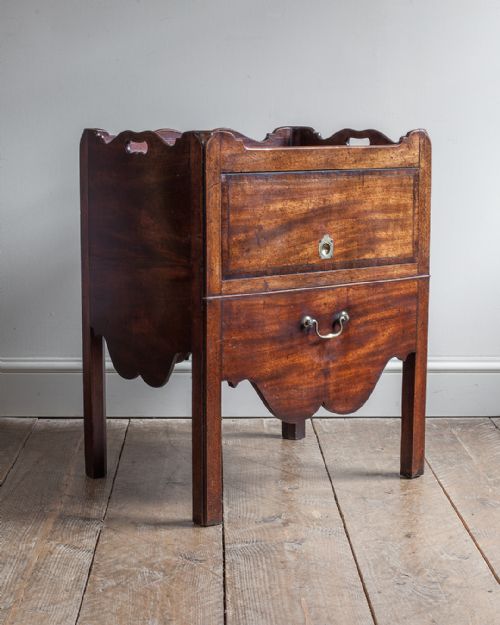
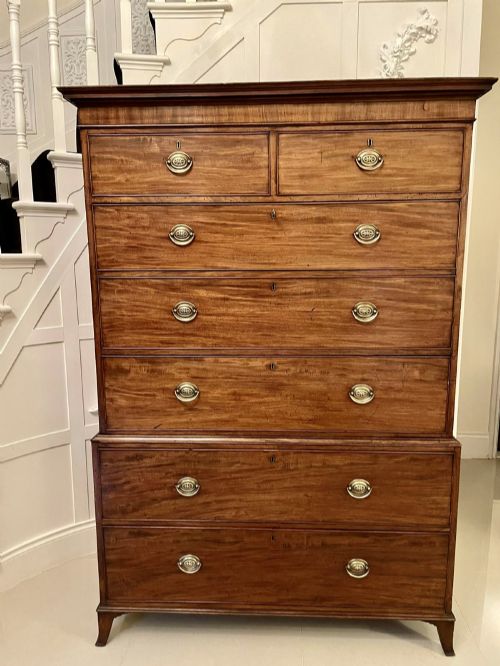
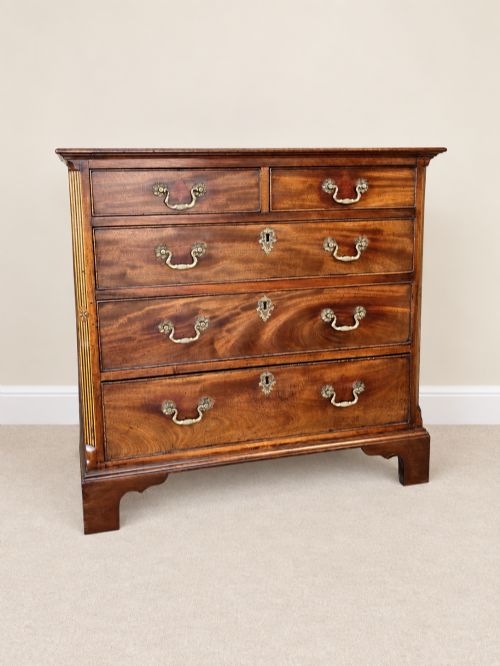
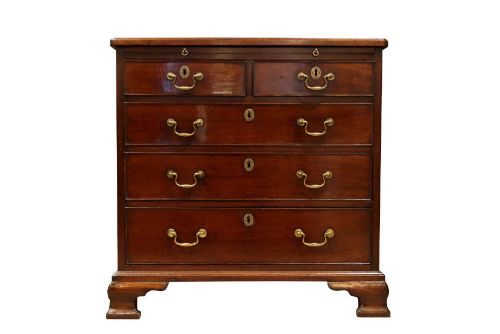
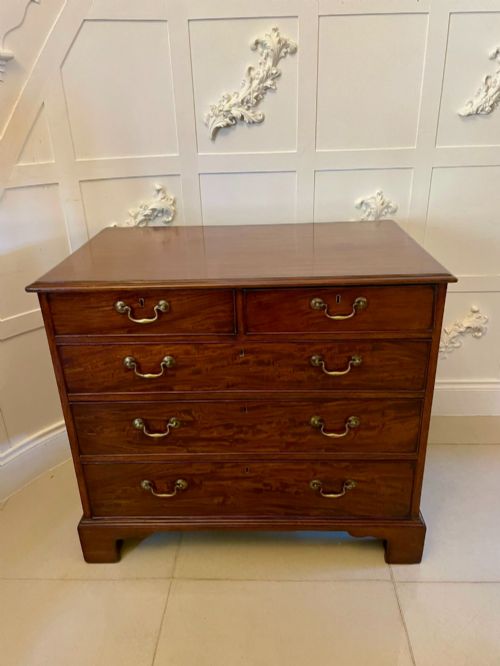
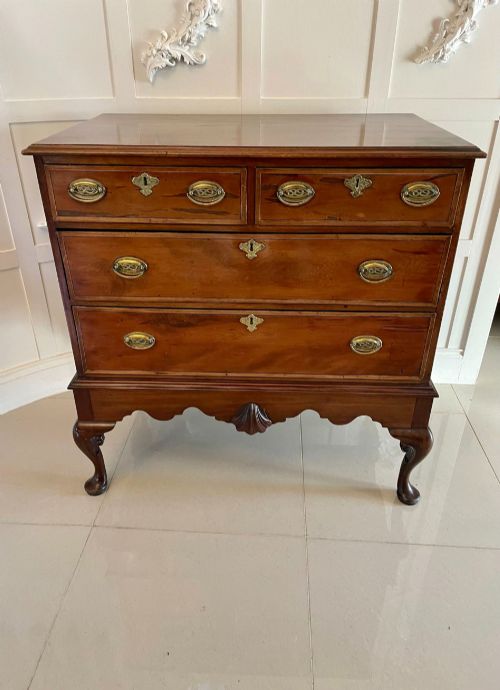
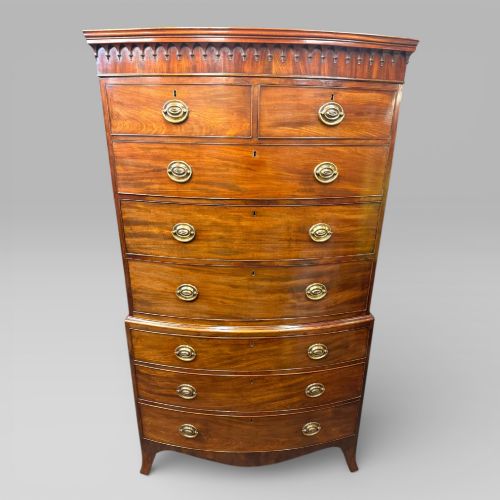
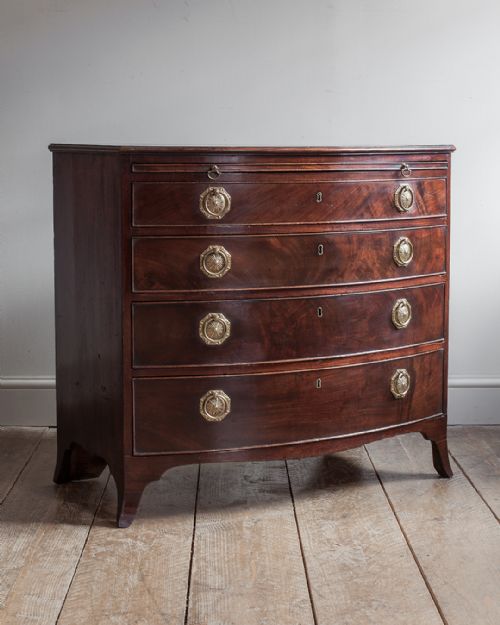
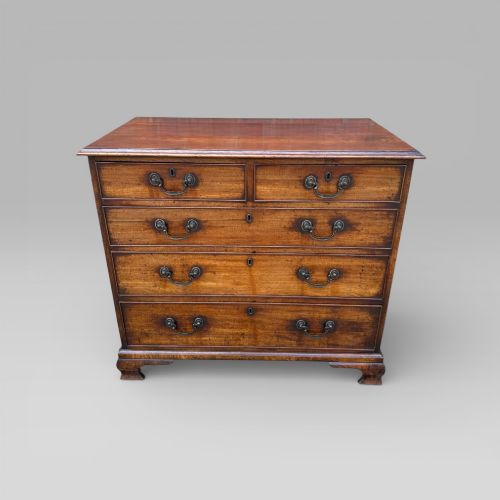
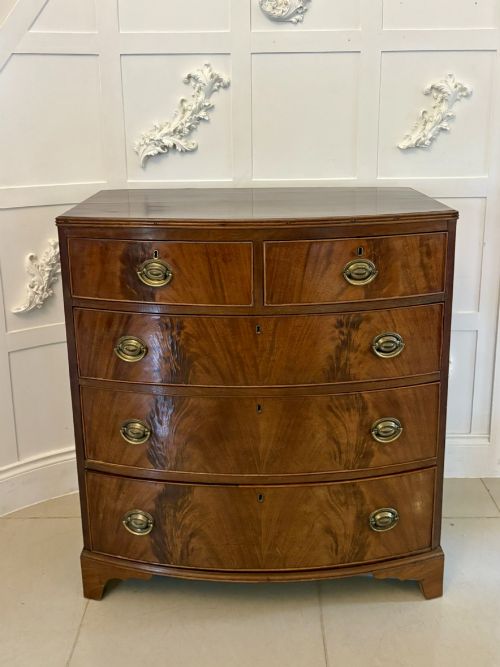
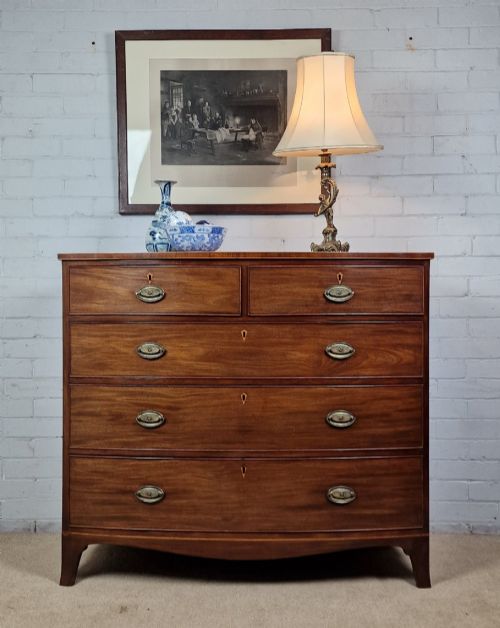
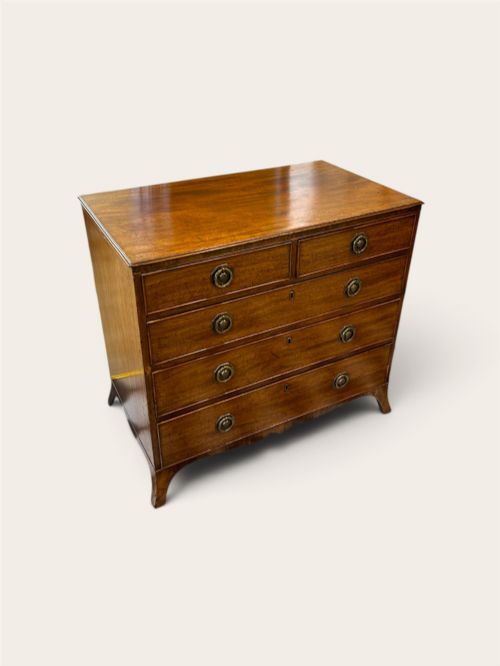
A george iii wooden chest combines practical storage with the refined proportions characteristic of the Georgian period, spanning the late eighteenth and early nineteenth centuries. These pieces appear most frequently as straight-front or bow-front chests of drawers, alongside smaller variants such as bachelor chests and blanket chests.
Makers constructed these storage pieces to serve domestic bedchambers and parlours, utilising robust carcases designed to withstand daily use. The examples on this page reflect the traditional craftsmanship of the era, presenting practical compartments for garments and household goods.
Materials and construction methods
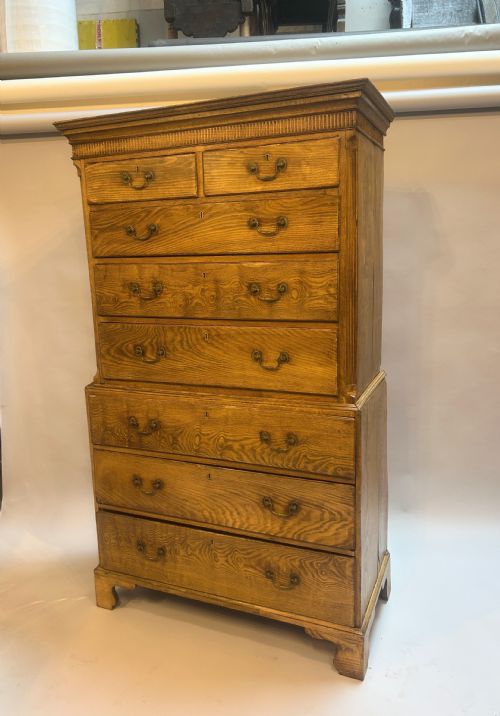
Craftsmen built these pieces predominantly using mahogany, oak, and elm, often selecting figured timbers for primary visible surfaces while relying on pine for internal drawer linings. Construction typically involves hand-cut dovetail joints on the drawers and sturdy carcase framing designed to endure.
Surface ornamentation relies on natural grain patterns rather than excessive carving, occasionally enhanced by boxwood inlay, brass handles, and bone escutcheons. The application of traditional finishes brings out the depth of the timber without obscuring its natural figure.
The listings show mahogany, oak, pine, and elm among the primary structural materials used across these chests.
Evaluating the standard of execution
Quality in a george iii wooden chest is visible in the tightness of the dovetailing, the selection of figured mahogany or other primary timbers, and the integrity of the original carcase construction. Pieces exhibiting crisp moulding details and undisturbed timber patination stand apart from heavier or altered examples.
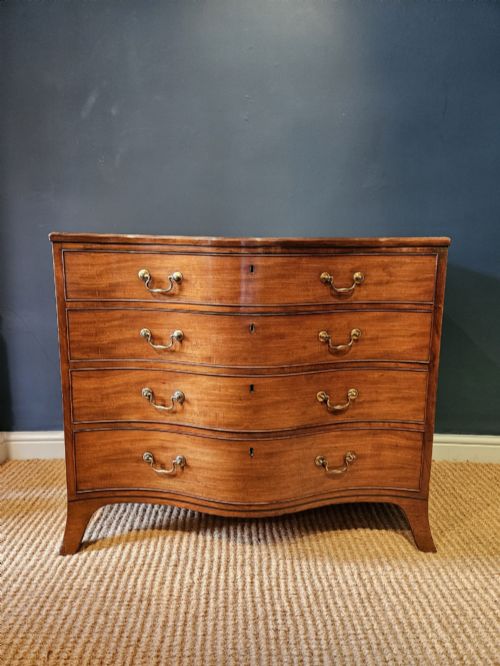
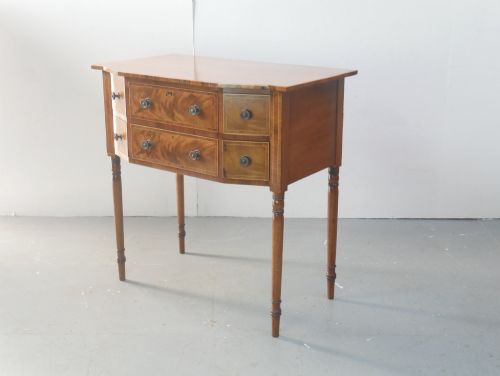
The degree of original hardware, including brass pulls and locks, influences the integrity of the piece. Well-proportioned smaller examples and sophisticated forms such as serpentine or bow-front designs demonstrate a higher level of cabinet-making ambition.
J Moorcroft
The George III Wooden Chest Glossary
- Bow-front
- A cabinet front that curves outward in a convex shape. This profile softens the rectangular lines of standard storage furniture.
- Serpentine
- A front design featuring a gentle undulating curve that flows inward and outward. It requires advanced woodworking skill to execute properly.
- Dovetail
- A joint formed by interlocking wedge-shaped fingers. This traditional method secures drawer corners with exceptional strength.
- Brushing slide
- A pull-out shelf positioned above the top drawers. It provided a clean surface for folding garments or writing.
- Patina
- The surface sheen and colour developed by wood over decades of handling and polishing. It serves as an indicator of age and care.
George III Wooden Chest: Frequently Asked Questions
What is a bachelor chest?
A bachelor chest is a compact storage piece featuring a pull-out brushing slide above the primary drawers. These items served functional roles in private chambers for personal administration.
They combine the storage capacity of a standard chest with the utility of a writing surface.
How do I identify a bow-front chest?
A bow-front chest exhibits a convex curved front profile that projects outward from the sides. This stylistic choice adds visual movement to the piece.
Cabinet-makers used this form during the Georgian period to soften the rigid geometry of domestic interiors.
Where were these chests used?
These chests were placed primarily in bedchambers, dressing rooms, and parlours for storing garments and linens. Their practical drawers kept personal items secure and organised.
Today, they function well in living spaces as bedside tables or hallway storage.
What timber was used most often?
Mahogany is the predominant timber found in these listings, valued for its rich colour and stable grain. Oak and elm also appear frequently in regional and blanket variants.
Secondary timbers like pine often form the concealed internal drawer carcases.