


George III Overmantel
A george iii overmantel brings historic presence to a room, framed in giltwood and carved wood.
George III Overmantel
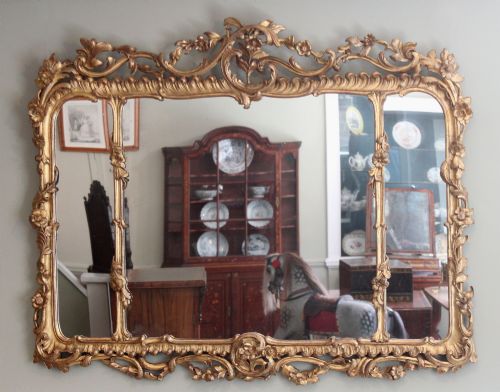
A george iii overmantel forms a grand focal point above a fireplace, designed to reflect light and fill the chimney breast wall. These wall mirrors appear in landscape formats, oval shapes, and triple-plate compositions that stretch wide across the room.
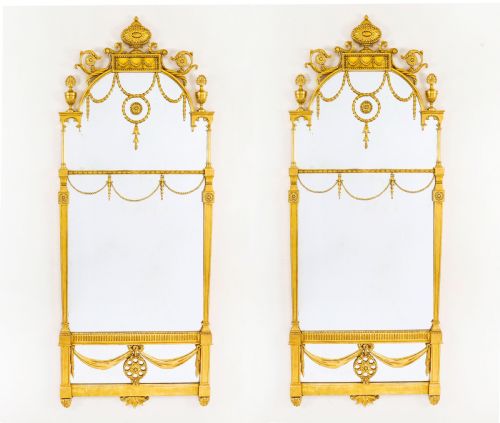
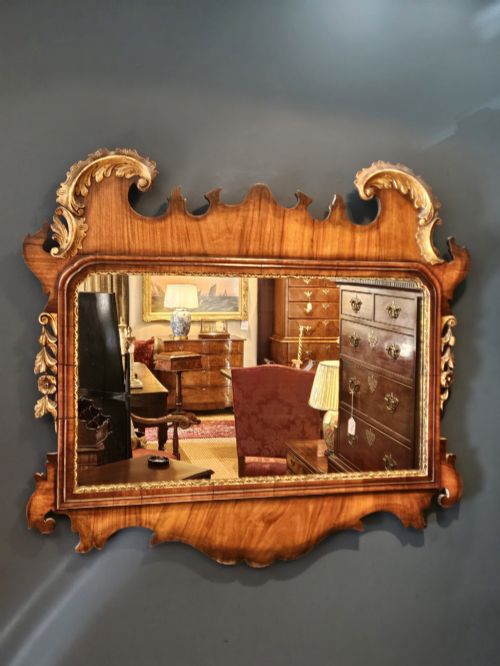
The pieces listed here span the Georgian period, the Regency era, and later revival movements like the Adam Revival and Chippendale styles. Buyers meet original 18th century examples alongside 19th century interpretations shaped in carved giltwood and mahogany.
Makers and craftsmen of these periods utilised classic motifs, including the distinctive Ho-ho bird, intricate gesso work, and parcel gilt detailing. Each mirror frame carries the architectural weight and decorative ambition of British interior design from the Georgian era onwards.
Materials and construction
Carvers shaped these frames from solid timbers such as mahogany and softwoods, applying layers of gesso to build up high-relief ornamentation before gilding the surface with gold leaf. This combination of carved wood, gesso, and giltwood created the brilliant metallic sheen characteristic of the period.
Mirror glass of the era was set into frames either as a single large plate or divided into triple-plate landscape configurations. Backboards typically consisted of heavy timber planks secured behind the mirror plates to provide structural stability to the wall-hanging frame.
Materials recorded across the inventory include giltwood, gesso, mirror glass, mahogany, carved wood, and gold leaf.
Distinctions in craftsmanship
The depth and sharpness of the carving dictate the visual impact of the frame, separating mass-produced revival pieces from masterworks of the Georgian period. Crisp execution in the gesso and delicate undercut carving on motifs like foliage and birds indicate superior workshop output.
The preservation of the original gold leaf and the clarity of the antique mirror glass influence the integrity of the piece. Superior examples retain their original gilding surfaces and silvered plates without excessive modern restoration or replacement.
The George III Overmantel Glossary
- Giltwood
- Timber coated with gold leaf over a prepared gesso ground. This finish provides a bright reflective surface that catches candle and window light.
- Gesso
- A plaster-like mixture applied to wood frames and carved into decorative relief details. It serves as the smooth foundation for subsequent gilding.
- Overmantel
- A large mirror or painting designed specifically to hang above a fireplace mantelpiece. It anchors the decorative scheme of the reception room.
- Parcel Gilt
- A decorative treatment where parts of a wooden surface, often mahogany, are gilt while remaining sections show the polished grain of the wood.
- Pier Mirror
- A tall mirror designed to hang on the wall space between two windows. These pieces often share design characteristics with overmantel mirrors.
George III Overmantel: Frequently Asked Questions
Where should an overmantel hang?
These mirrors traditionally mount directly above the fireplace mantelpiece to anchor the principal wall of a reception room.
Positioning the frame at this height reflects natural light from the windows and balances the architectural proportions of the chimney breast.
How do I identify a revival piece?
Revival pieces date from the 19th century and replicate earlier Georgian styles using contemporary Victorian manufacturing techniques.
Examination of the timber behind the frame, the composition of the gesso, and the ageing of the mirror glass helps distinguish these later interpretations from original 18th century examples.
How do I care for giltwood?
Giltwood surfaces require gentle dusting with a dry, soft brush to protect the delicate gold leaf and underlying gesso relief.
Moisture and chemical cleaners damage the metallic finish, so placement should avoid direct humidity and strong heat sources.