
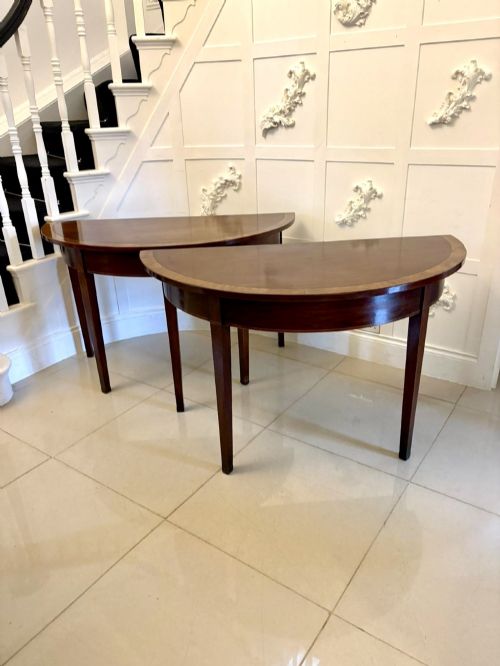
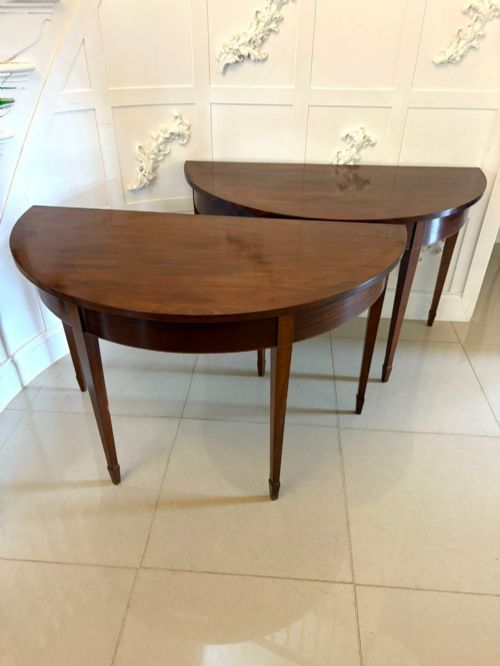
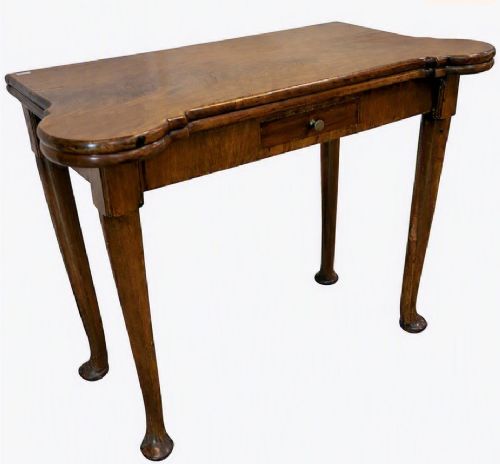
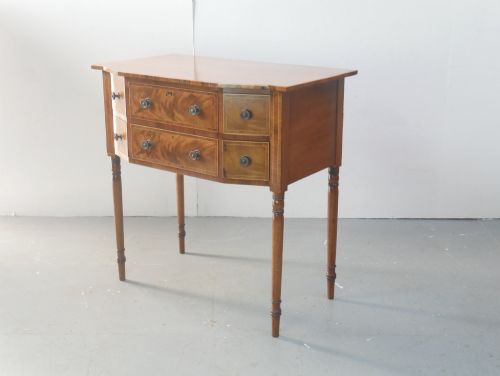


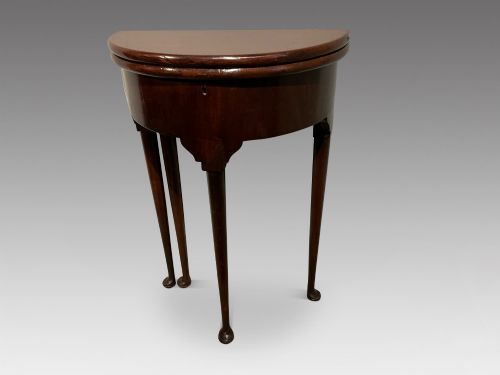
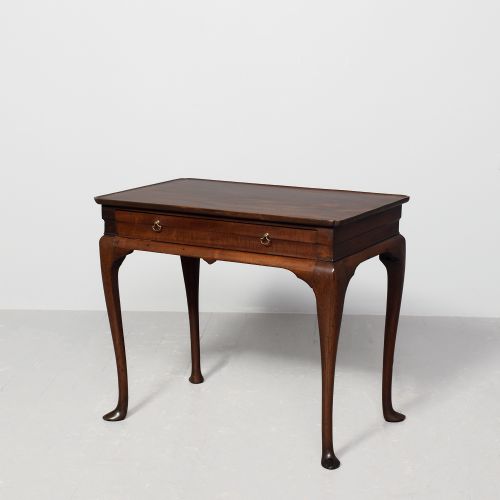
George III Mahogany Console
When you search for george iii mahogany console, you uncover elegant tables designed to anchor period rooms with understated dignity.
George III Mahogany Console
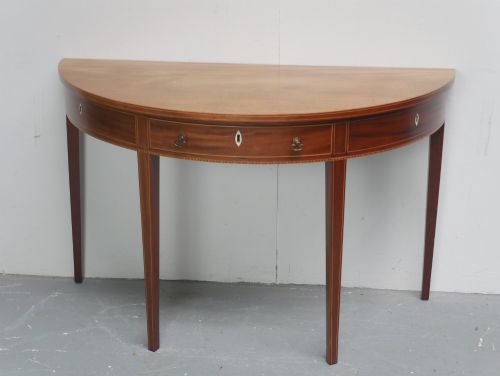
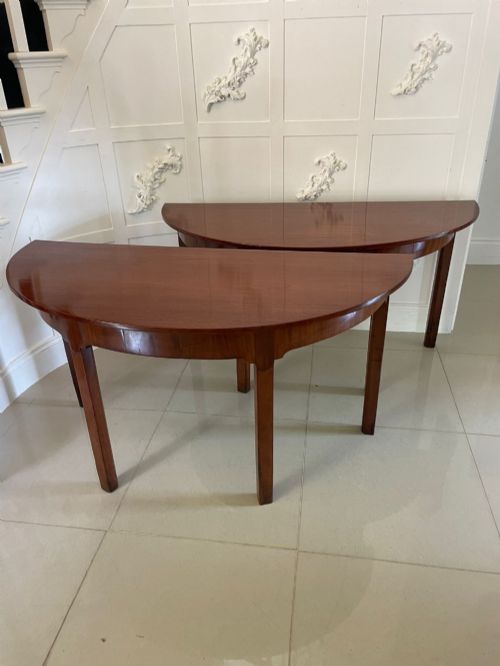
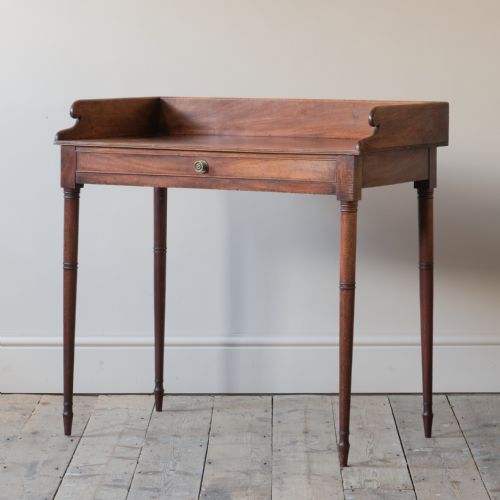
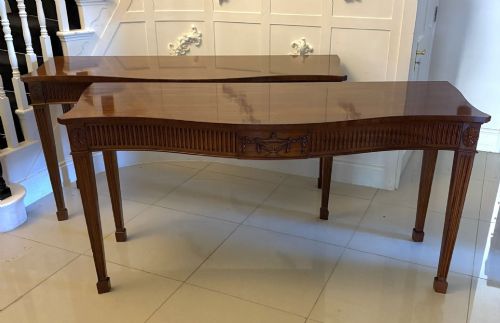
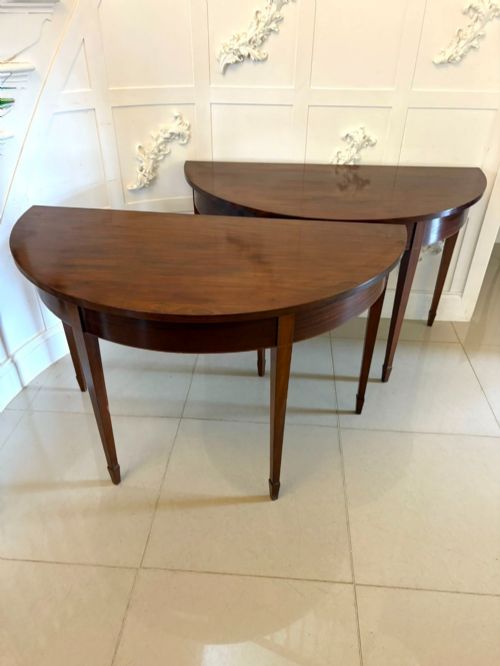
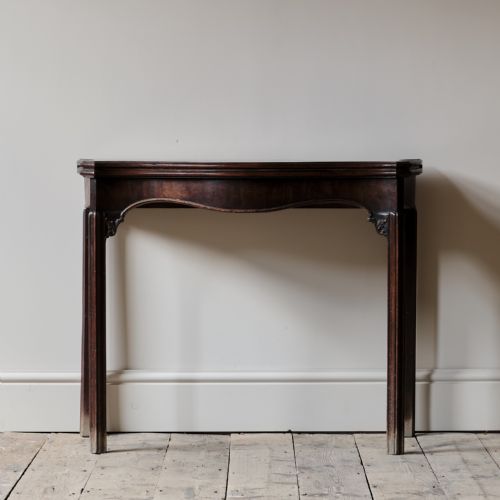
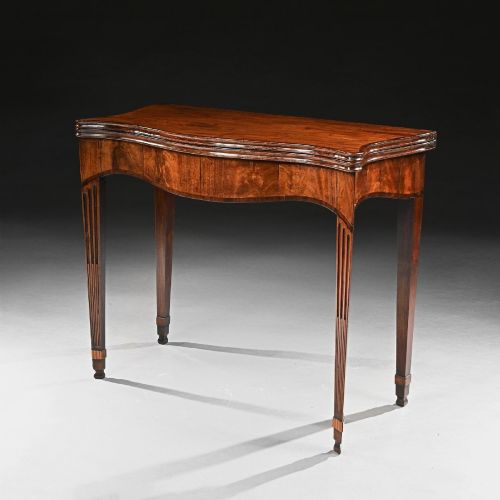
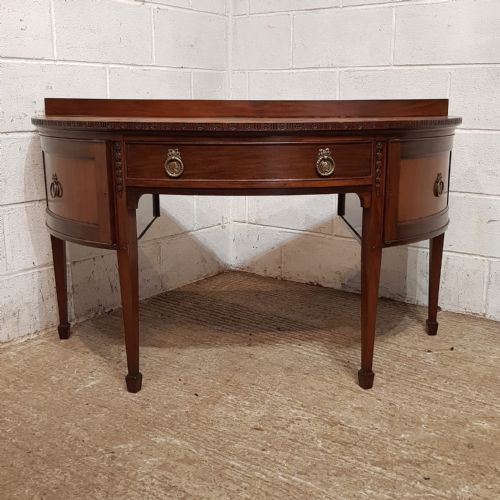
A george iii mahogany console represents a sophisticated category of eighteenth and early nineteenth century furniture designed primarily for formal reception rooms. Buyers encounter various formats on this page, including demi-lune shapes, serpentine fronts, and rectangular forms that often double as card or tea tables.
The prevailing aesthetic draws heavily from Georgian, Neoclassical, and Chippendale traditions, reflecting the refined tastes of the period. Many examples survive as matched pairs, while others exist as singular statement items suited to hallways and drawing rooms.
Materials and Construction
Cabinetmakers of the era relied on solid timber and choice veneers, selecting figured mahogany to create striking visual depth across tabletops. Artisans enhanced these surfaces using contrasting details such as satinwood and boxwood inlay, stringing, and delicate carved motifs.
Structural integrity relied on traditional joinery methods, allowing folding tops on card and tea tables to operate smoothly. Selected pieces also incorporated secondary timbers and specialised hardware appropriate to their specific cabinetmaker workshop.
Listings feature geometric satinwood and boxwood inlay alongside rich flame mahogany veneers across multiple Georgian periods.
Judging Quality
The division between standard examples and superior pieces rests on the choice of wood figure and the crispness of any carved or inlaid decoration. Grain selection on top surfaces dictates much of the visual impact, with highly figured flame mahogany marking the upper tiers of craftsmanship.
Proportion and the retention of original surface patination further separate fine survivals from later adaptations or heavily restored items. The integration of harmonious secondary woods and precise inlay work points directly to skilled workshop production.
Bruce & Burns of Edinburgh·Gillows
The George III Mahogany Console Glossary
- Demi-lune
- A half-moon shape commonly utilised for console and card tables designed to sit flush against a wall. This profile allowed tables to occupy minimal floor space while providing a decorative surface.
- Serpentine
- A gently undulating curved front shape that swells outward and inward. This profile required advanced woodworking skill to execute cleanly.
- Stringing
- Fine inlaid lines of contrasting wood, such as boxwood, used to edge panels and borders. It added delicate linear definition to otherwise plain surfaces.
- Patination
- The natural sheen and ageing developed by wood over centuries of handling and polishing. Good patination indicates authentic age and careful maintenance.
- Crossbanding
- A border veneer applied around the edges of a tabletop with the grain running perpendicular to the main centre panel. This technique created a neat framed appearance.
George III Mahogany Console: Frequently Asked Questions
What is a george iii mahogany console used for?
These tables served primarily as decorative serving surfaces in hallways, dining rooms, and drawing rooms during the Georgian era. Many versions also functioned as folding card or tea tables when entertaining guests.
Today, they continue to serve similar display functions in traditional and contemporary interiors alike.
How do I identify a genuine piece?
Examination of timber characteristics, joinery techniques, and internal construction methods helps determine authenticity. Genuine examples exhibit period-appropriate tool marks and timber shrinkage consistent with eighteenth-century production.
Matching the stylistic vocabulary of the Georgian and Neoclassical periods further confirms the origin of the table.
Can I use a fold-over table daily?
Fold-over mechanisms on card and tea tables were built for regular use by eighteenth-century households, provided the hinges and rule joints receive gentle handling. Placing them away from direct heat sources protects the timber and veneer.
Routine polishing with appropriate wax maintains the historic finish without causing damage to the surface.
What is the difference between a side table and a console?
While terminology often overlaps in antique listings, console tables traditionally relied on wall support or specific wall-anchoring brackets in period settings. Side tables generally stood freely on four legs without requiring wall attachment.
Both forms shared similar decorative ambitions within formal reception spaces.