
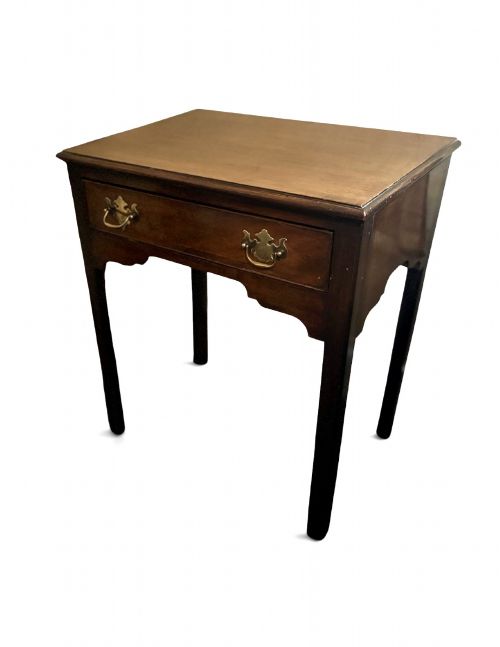

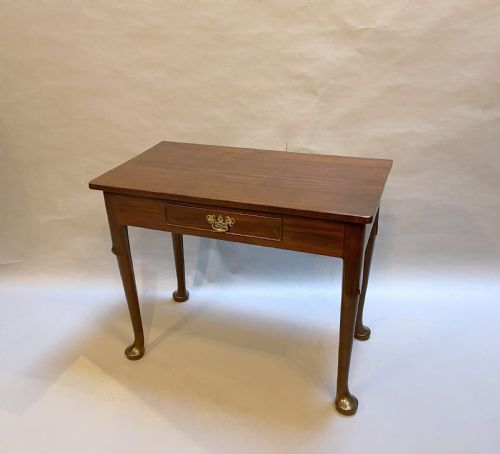
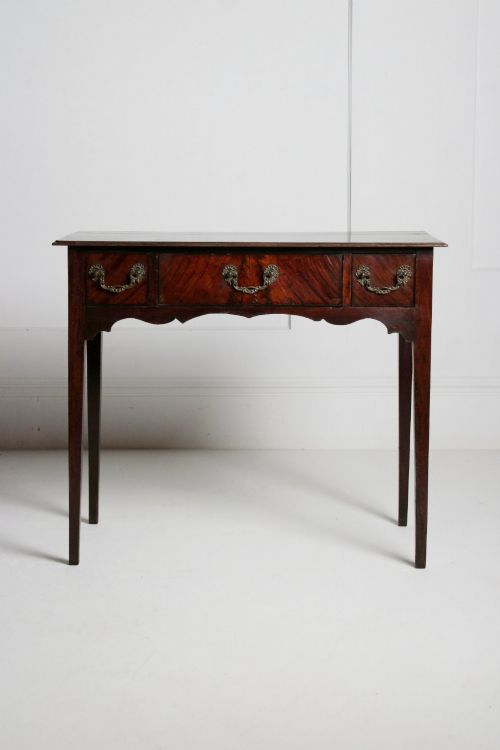


George III Lowboy Table
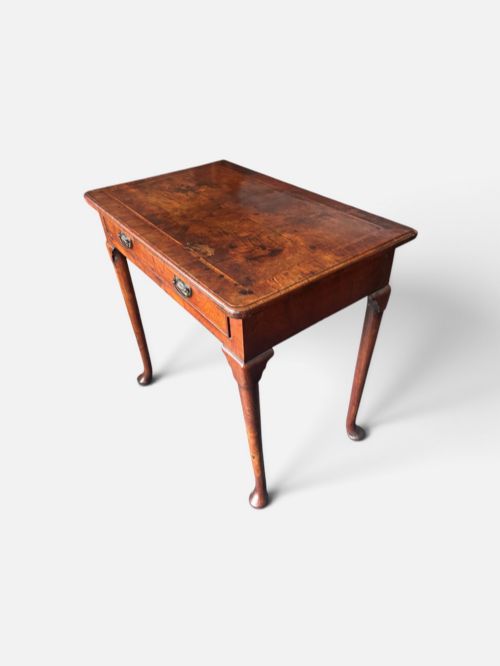
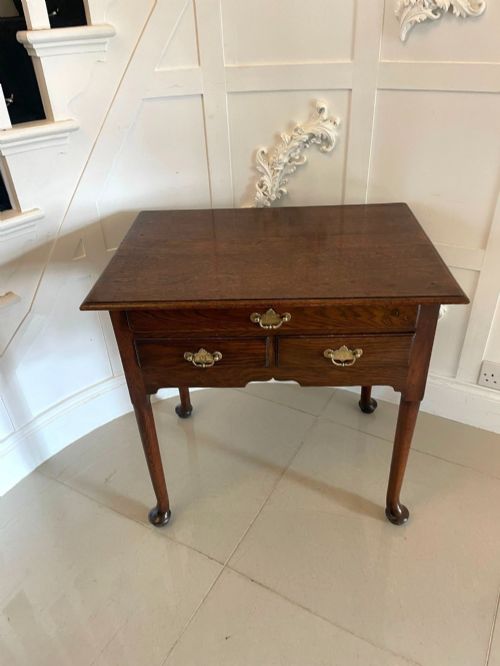
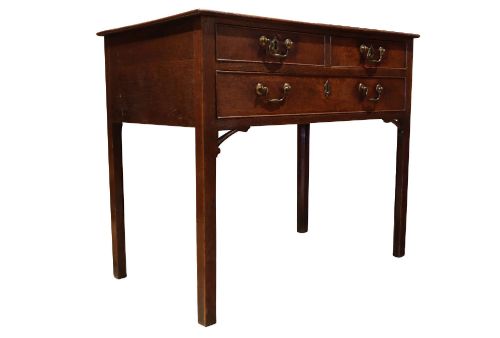
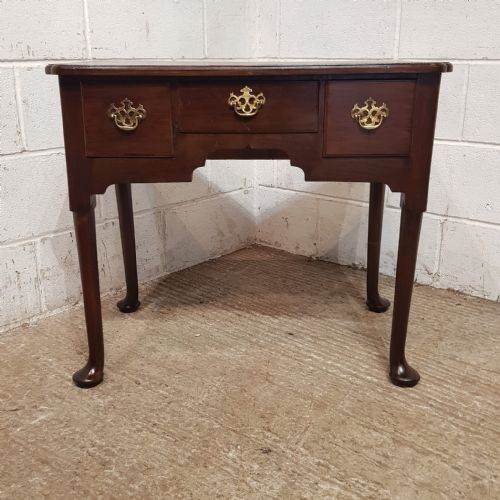
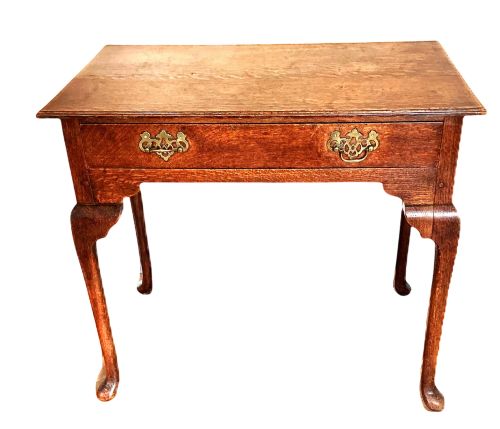
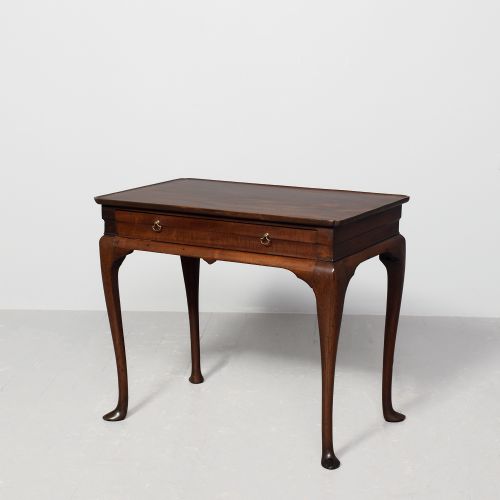
A george iii lowboy table combines compact proportion with practical drawers, offering a versatile surface suited for use as a side table or dressing table.
George III Lowboy Table
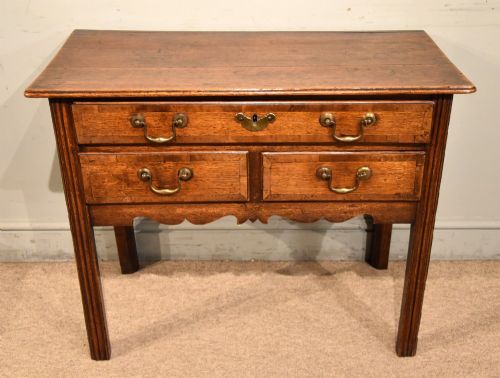
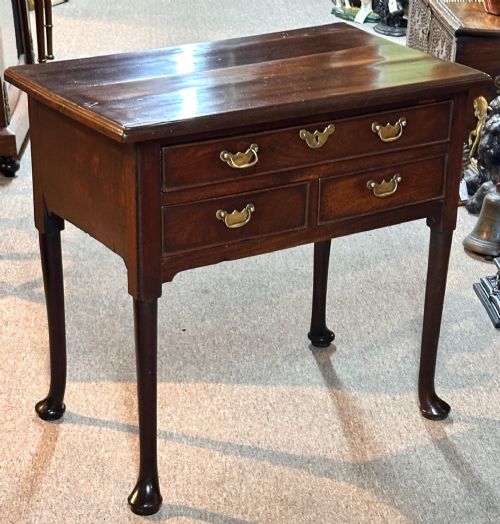
A george iii lowboy table is a low side table traditionally fitted with drawers, most frequently encountered in oak or mahogany from the eighteenth century. These pieces function as small side tables, hall tables, or lamp tables within domestic interiors.
The form spans straightforward country oak versions alongside more finished mahogany examples, sometimes featuring serpentine tops or cabriole legs. Most variations present as compact rectangular tables designed to sit against a wall or beside a chair.
How they were made
Cabinetmakers utilised solid timbers including oak, mahogany, and walnut, frequently selecting figured mahogany or burr walnut for visible surfaces. Brass handles and escutcheons punctuate the drawer fronts of these timber constructions.
Joinery methods rely on traditional frame and drawer construction, shaping solid woods into stable tables with turned or cabriole supports.
Listings feature oak, mahogany, walnut, and burr walnut across eighteenth-century side tables and lowboys.
What varies_in_quality
Quality depends upon the choice of timber and the handling of the grain, particularly where figured mahogany or burr walnut is present. Sharply defined mouldings and well-proportioned drawer configurations separate finer examples from simpler country pieces.
The integrity of the timber and the retention of original brass hardware influence the standing of an individual table within the surviving range.
The George III Lowboy Table Glossary
- Lowboy
- A small table with one or more drawers, originating in the late seventeenth century and remaining popular through the Georgian period. These tables often served multiple domestic duties as dressing or side surfaces.
- Serpentine top
- A tabletop featuring a curved edge with a convex centre flanked by concave sides. This shape demands precise woodworking skill.
- Cabriole leg
- A furniture leg that curves out and then in, resembling the leg of an animal. This form appears frequently on walnut examples.
- Escutcheon
- A protective plate surrounding the keyhole of a drawer. Brass versions add decorative detail to mahogany and oak drawer fronts.
George III Lowboy Table: Frequently Asked Questions
What is a george iii lowboy table?
A george iii lowboy table is a small eighteenth-century side table equipped with drawers. These low tables were traditionally placed in halls, bedrooms, or reception rooms.
They serve today as compact lamp tables or decorative side surfaces in modern homes.
How were george iii lowboy tables used?
Historical uses included dressing tables, writing surfaces, and general side tables for holding lamps or small objects. Their modest scale allowed them to fit easily into smaller spaces.
Contemporary interiors utilise them in hallways and living areas for similar surface utility.
Which woods are common?
Oak and mahogany appear most frequently among surviving examples, supplemented by walnut and figured mahogany variations. Cabinetmakers selected these dense hardwoods for their durability and attractive grain patterns.
Individual pieces range from plain country oak to highly figured mahogany with decorative brass hardware.