

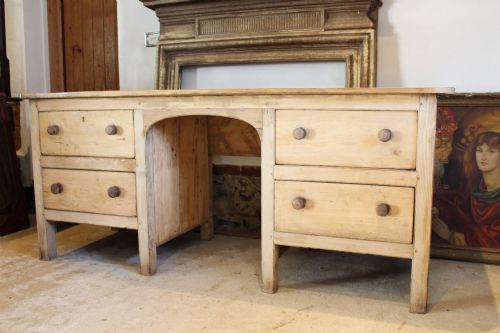


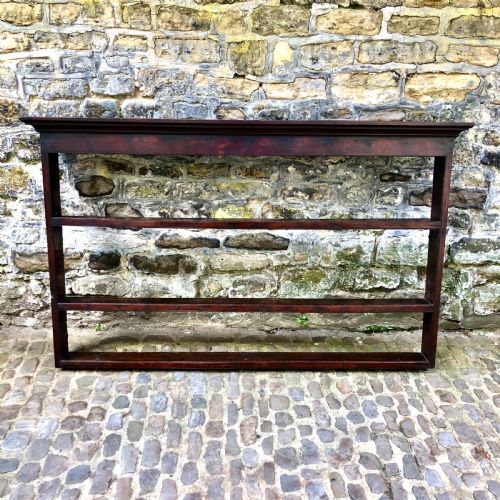
George III Kitchen Dresser
A george iii kitchen dresser offers generous proportions and robust storage, making it the anchor of any serious country interior.
George III Kitchen Dresser
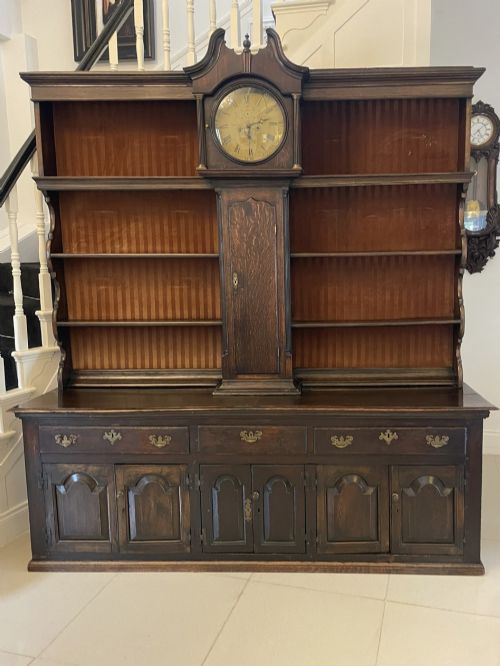
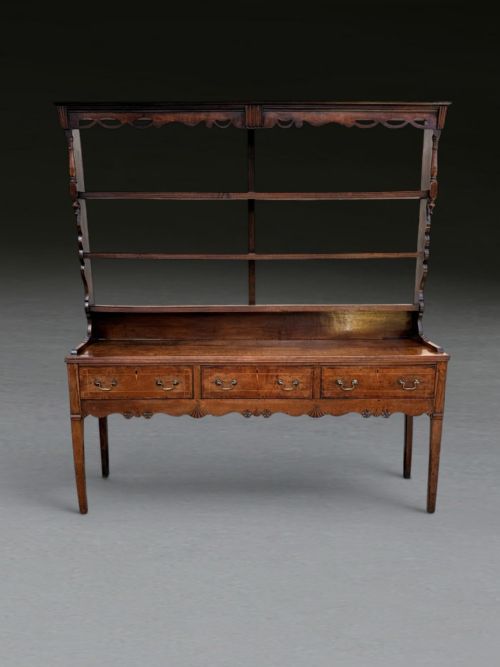
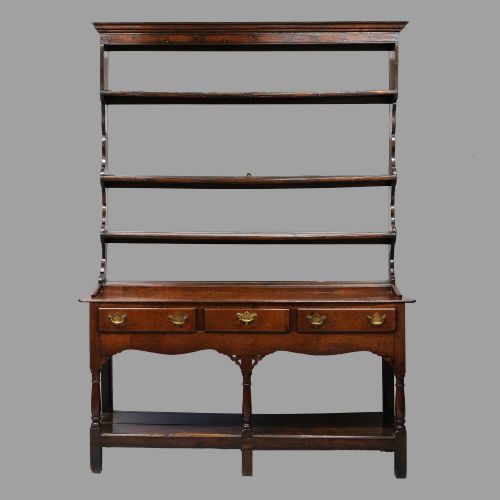
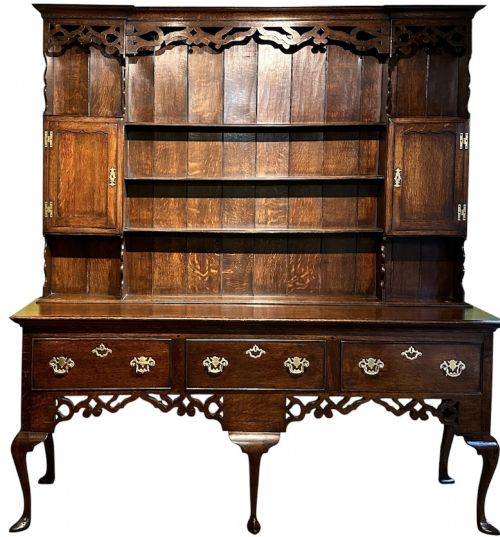
A george iii kitchen dresser brings practical storage and traditional presence into the modern home, taking several distinct structural forms. Buyers encounter two-part examples featuring plate racks, open potboard bases, and occasional provincial variations with desks or integrated clocks. The oak construction dominates the current selection, reflecting the utilitarian origins of these robust domestic furnishings.
Most pieces date from the eighteenth century, spanning the Georgian period and incorporating regional British styles alongside colonial interpretations. The listings include fitted plate racks designed to display china alongside lower drawer configurations for kitchen implements and stores. These items served as the central working surface and storage hub in historic kitchens before moving into contemporary dining spaces.
How they were made
Joiners built these items primarily from solid oak, incorporating secondary timbers such as pine, sycamore, and maple in internal or provincial construction. Cabinet makers utilised traditional pegged mortise and tenon joints to ensure structural rigidity across large two-part bodies and heavy potboard bases.
Metalwork played a functional role, utilising brass and iron for drawer pulls, hinges, and structural brackets. Surface decoration remained restrained, though occasional examples feature subtle inlaid details or shaped friezes to elevate the provincial aesthetic.
George III Kitchen Dresser Retail Price Guide 2026
Typical asking prices for george iii kitchen dresser among the pieces listed under this phrase on Sellingantiques today, from the lower quarter to the upper quarter. They describe what is for sale here now, not the wider market.
What varies in quality
The architectural ambition of the piece dictates its standing, moving from simple provincial cupboards to grand compositions incorporating integrated clocks or elaborate plate racks. Timber selection creates further distinction, with dense, highly figured oak commanding greater appreciation than plainer secondary woods.
Proportion and surface integrity separate standard examples from exceptional survivals. Retaining the original plate rack or maintaining an untouched timber patina elevates a piece significantly within the historical range.
The George III Kitchen Dresser Glossary
- Potboard
- An open lower shelf built into the base of a dresser for storing heavy pots and pans. This platform sits just above the floor on short feet or stiles.
- Plate rack
- The upper shelving unit mounted to the wall or resting on the dresser top, designed to display ceramic plates upright. Grooves along the shelves hold the plates securely in place.
- Two-part dresser
- A cabinet constructed in separate upper and lower sections for ease of transport and placement. The plate rack or upper cupboard sits upon the heavy base unit.
- Provincial
- Describing furniture made in regional areas outside metropolitan workshops. These items often display local stylistic quirks and sturdy, utilitarian construction methods.
George III Kitchen Dresser: Frequently Asked Questions
What is a george iii kitchen dresser?
A george iii kitchen dresser is a large storage unit combining lower drawers or cupboards with upper shelving for displaying tableware. These pieces originated in domestic kitchens to hold culinary equipment and provisions.
Today, they function as substantial display and storage furniture in dining rooms and kitchens. Their solid timber construction and historic joinery define their enduring appeal.
How were they used historically?
Historically, these items served as the working hub of the kitchen for food preparation and storage. The surface acted as a counter, while the drawers kept utensils close at hand.
The upper racks displayed ceramic plates and platters for everyday use and special occasions. Lower shelves accommodated heavy pots, pans, and household provisions.
Are plate racks always original?
Many dressers survive with their original plate racks, though upper sections were frequently separated or lost over centuries of use. Matching an eighteenth-century base with a later rack is a common occurrence in the antiques trade.
Examining the timber grain, wear patterns, and fixing methods helps determine whether the upper and lower sections originated together. Expert dealers look for consistent patination across both parts.
How do I fit one in a modern home?
These dressers require substantial wall space and sturdy floor support due to their heavy oak construction and generous proportions. Securing the upper rack to the wall is essential for stability in a busy household.
They provide exceptional storage for modern kitchenware, glassware, or books while adding historical character to a room. Placing them in a kitchen or dining area keeps them connected to their original domestic function.