
George III Desk
A george iii desk brings refined proportion and functional craftsmanship into a room, offering practical workspace through traditional forms.
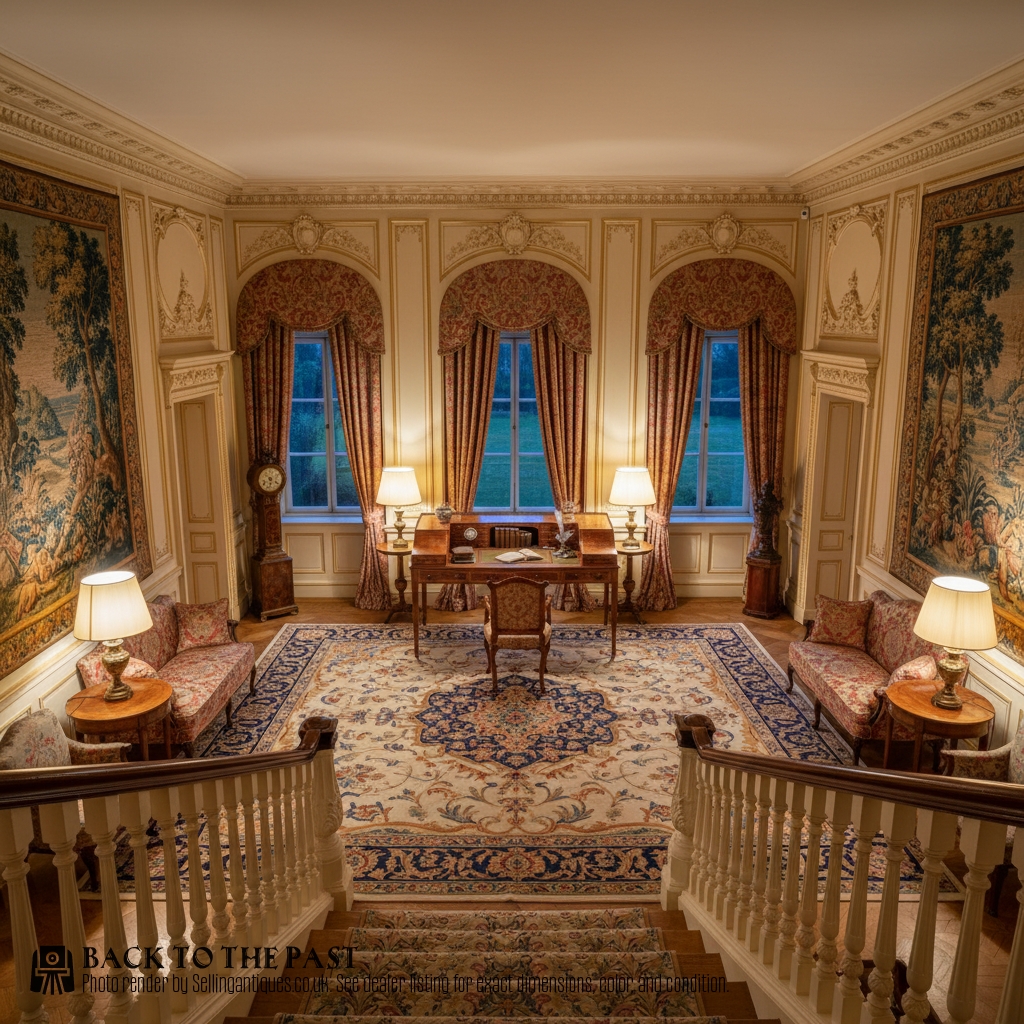
George III Desk
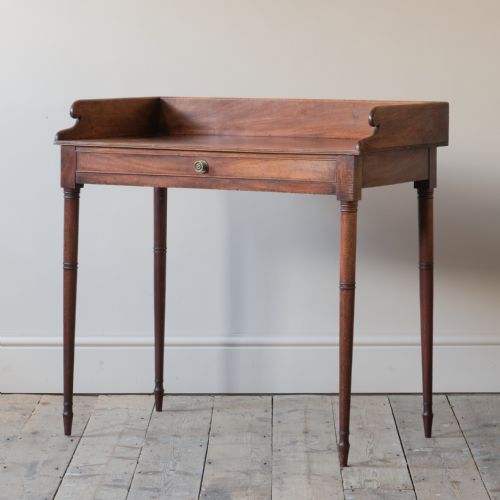
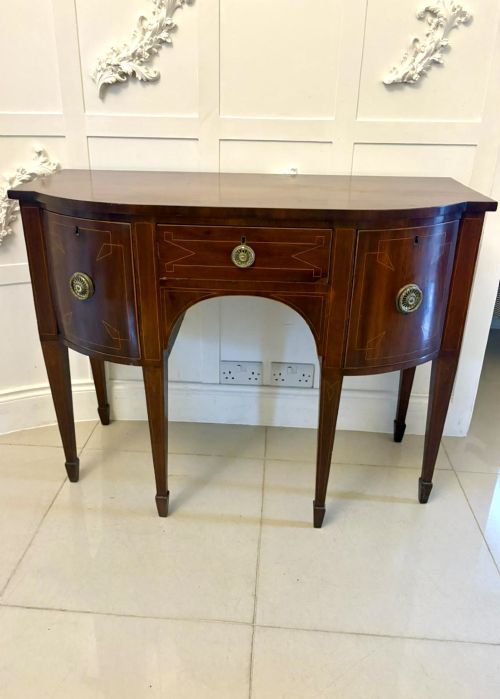
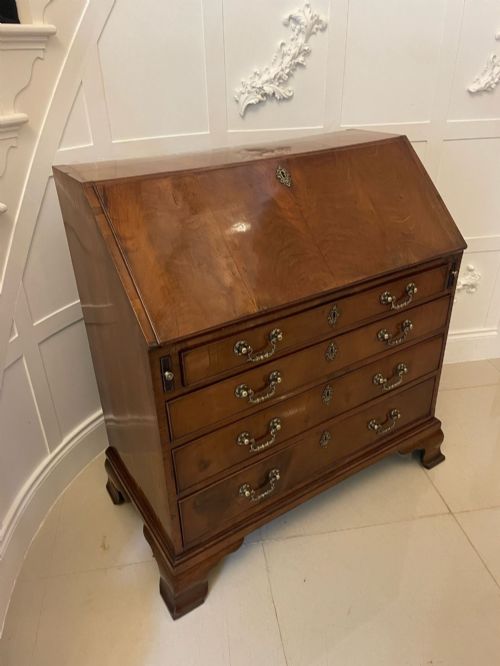
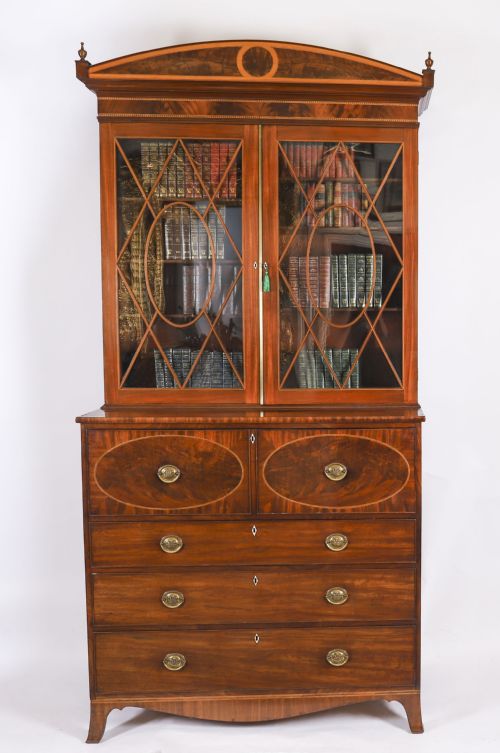
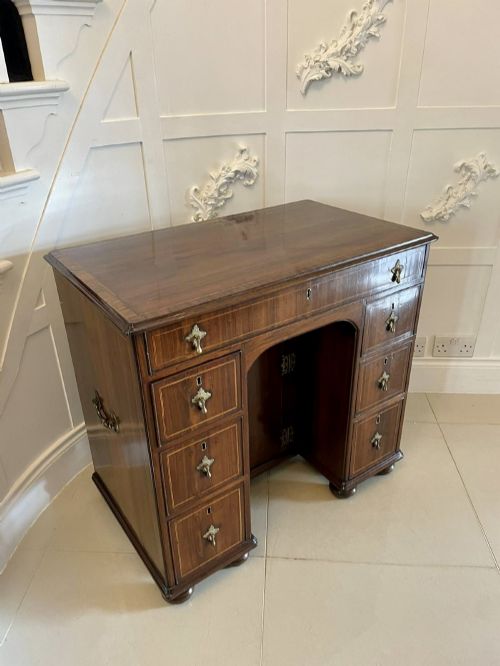
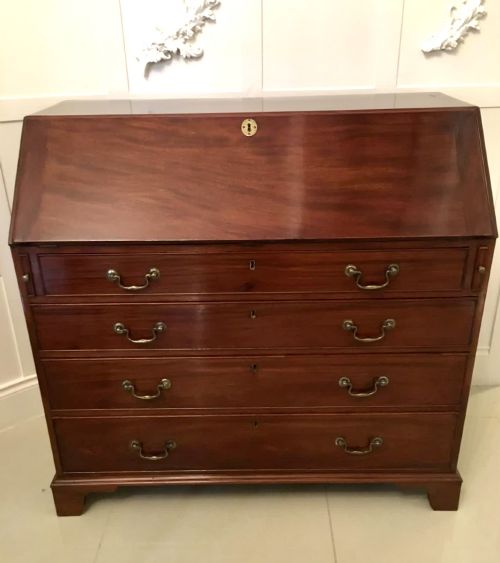
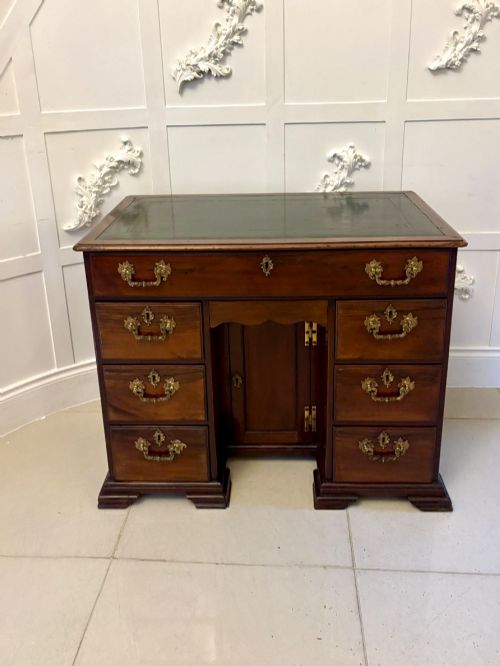
A george iii desk encompasses various practical forms designed for writing, storage, and administrative tasks during the Georgian period. Buyers browsing this selection commonly encounter kneehole desks, partners desks, writing tables, and bureau bookcases.
Makers of the period utilised durable timbers and clever internal compartments to meet the rising demand for personal stationery storage. Pieces range from compact mahogany kneehole configurations to large walnut pedestal formats designed for central placement in a room.
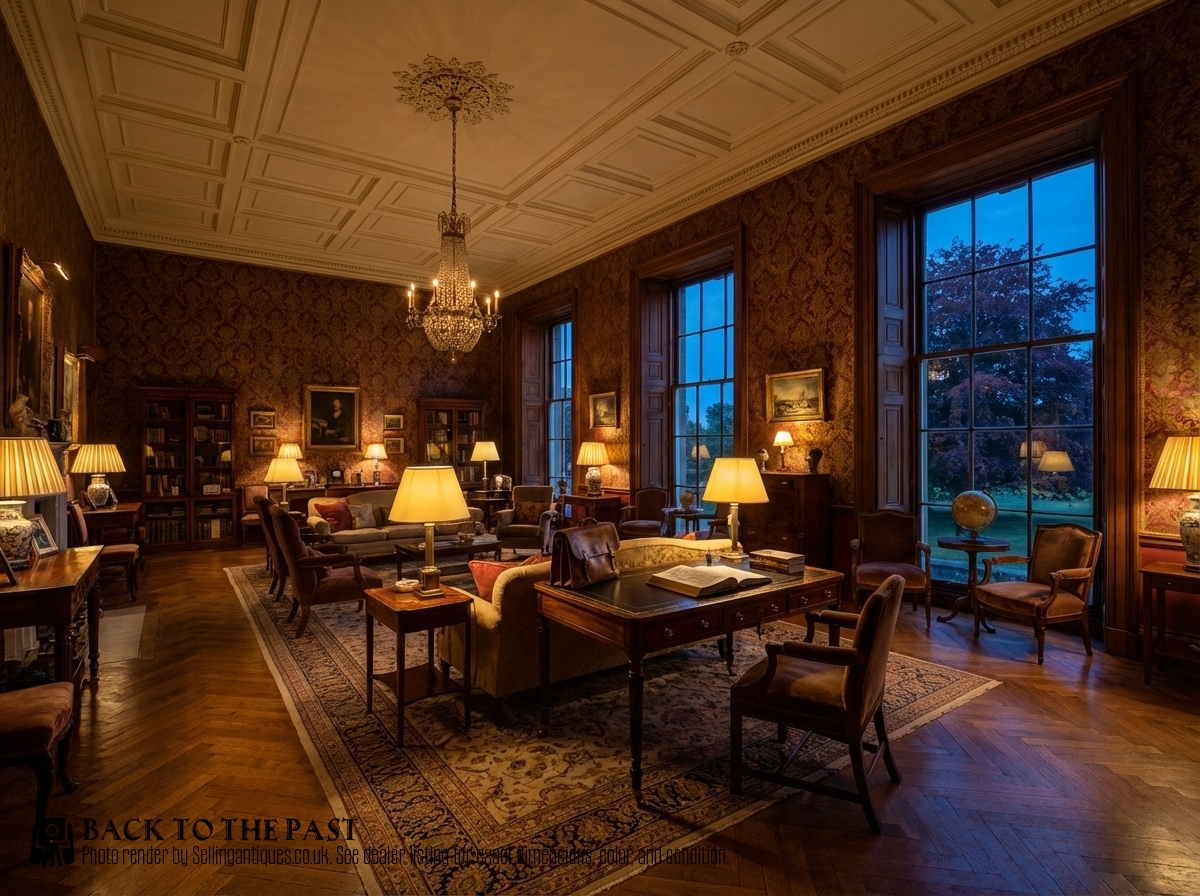
Materials and Techniques
Cabinet makers relied heavily on solid mahogany and figured veneers, frequently accentuating surfaces with satinwood or walnut. Brass hardware, leather writing inserts, and intricate dovetail joints complete the construction of these functional antiques.
Timber selection governed the visual weight of each piece, with flame mahogany and dense walnut providing durable structures for frequent daily use.
George III Desk Retail Price Guide 2026
Typical asking prices for george iii desk among the pieces listed under this phrase on Sellingantiques today, from the lower quarter to the upper quarter. They describe what is for sale here now, not the wider market.
Secret compartments hidden within pigeonholes occasionally reveal forgotten Georgian paper fragments and ink stains.
Craftsmanship and Proportion
Quality separates the standard utility piece from the exceptional item through the choice of timber figurations and the precision of inlaid details. Superior examples exhibit balanced proportions, original brass fittings, and carefully matched grain across multiple drawers.
The sophistication of internal compartments, secret drawers, and fitted secretaire drawers further distinguishes finer workshops from mass production.
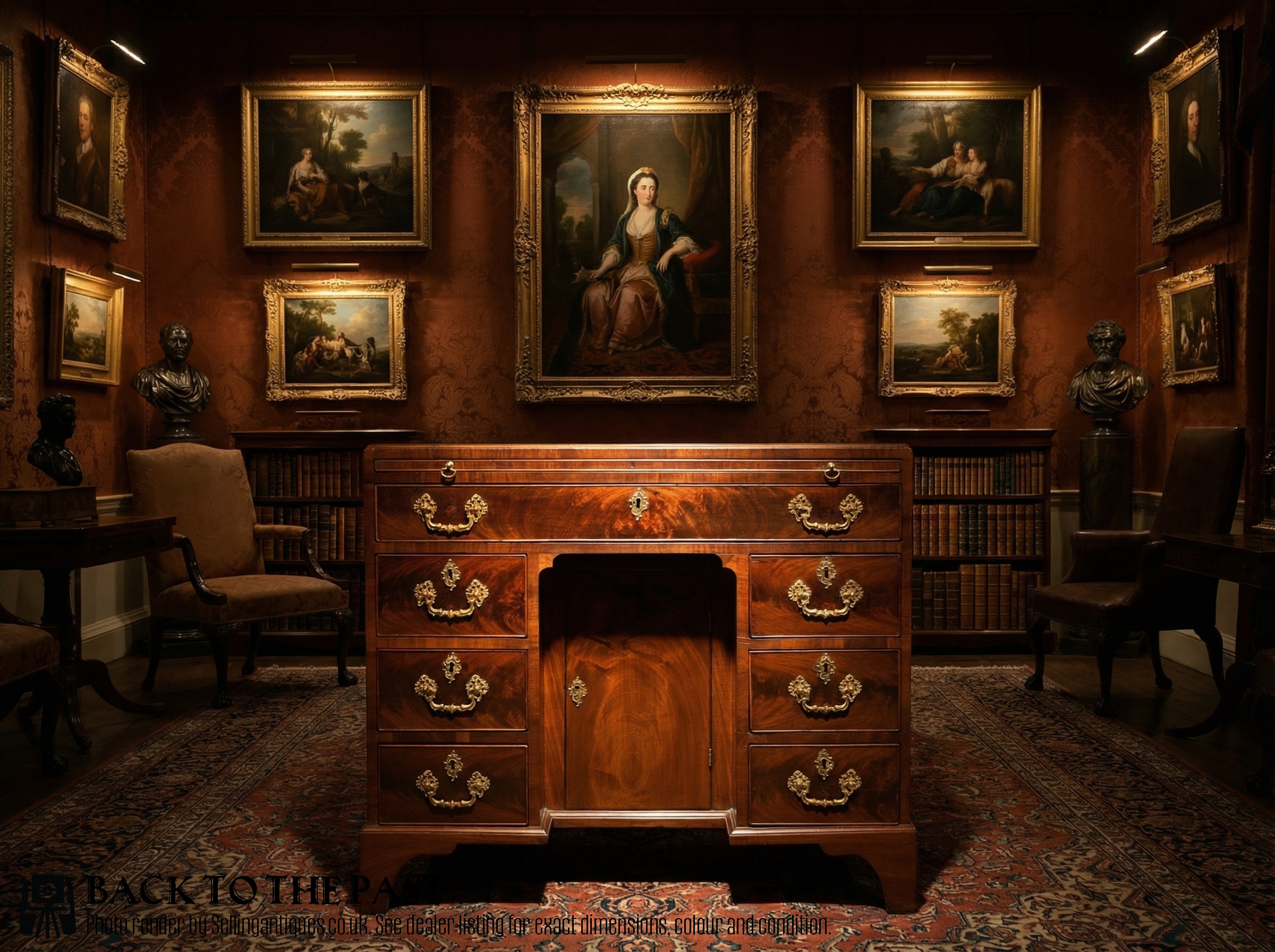
Gillows
The George III Desk Glossary
- Kneehole desk
- A compact writing desk featuring a central recessed space flanked by small drawers on either side. This form provides organised storage while maintaining a manageable footprint.
- Secretaire
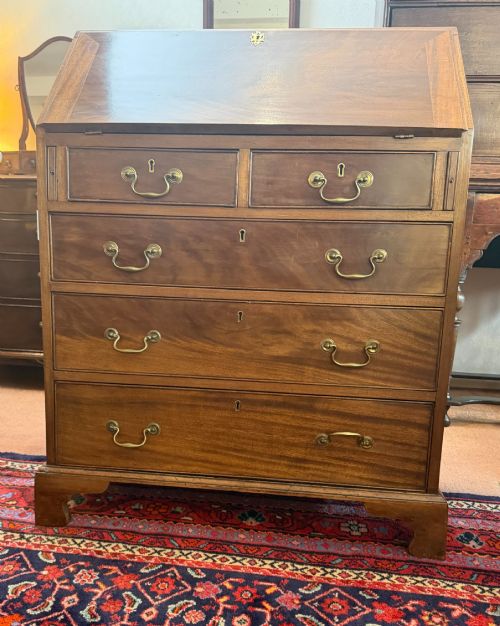
- A desk featuring a drop-front panel that conceals a fitted interior of pigeonholes and small drawers. It combines the clean front of a chest with the workspace of a writing table.
- Partners desk
- A large pedestal desk designed to be used from both sides simultaneously, featuring cupboards or opposing drawer banks. These pieces typically incorporate inset leather writing surfaces.
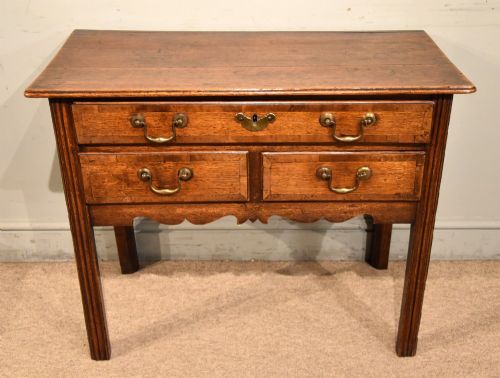
- Lowboy
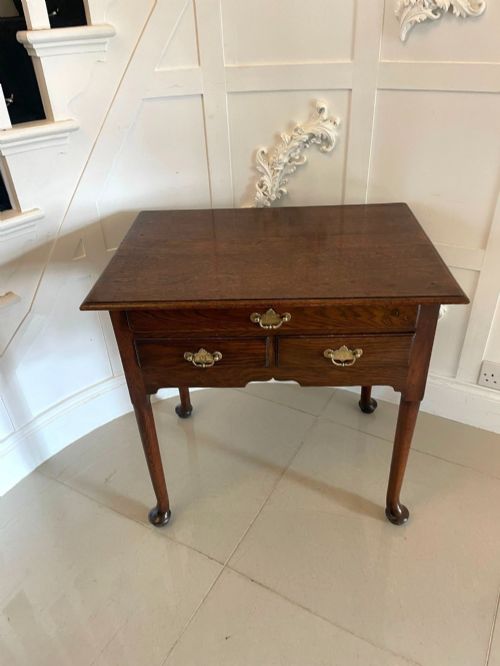
- A small side table with drawers, often utilised as a compact dressing or writing surface. It rests on slender legs and represents simpler domestic furniture styles.
- Bracket foot
- A corner foot shape used on case furniture, shaped from a bracket mitred at the corner. This design supports heavy drawer sections without heavy columns.
George III Desk: Frequently Asked Questions
What is a partner's desk?
A partner's desk is a large pedestal writing table built to accommodate two users sitting opposite one another. These pieces feature matching drawer arrangements on both sides.
They were traditionally utilised in libraries and administrative offices by business associates or legal partners.
How do I identify a kneehole desk?
A kneehole desk is characterised by a central recess for the user's legs, flanked by two vertical stacks of drawers. A single long drawer often sits directly above the kneehole space.
This compact configuration became popular during the eighteenth century for private studies and bedrooms.
What woods were used on these desks?
Cabinet makers predominantly utilised mahogany, walnut, and oak for the primary structures and drawer linings. Finer examples incorporated decorative veneers such as satinwood, flame mahogany, and sabicu.
Secondary woods like pine or oak frequently appear on internal drawer components and concealed partitions.
How do I care for an antique desk?
Maintain timber moisture by placing the desk away from direct heat sources and strong sunlight. Regular dusting with a soft, dry cloth preserves the polished finish.
Avoid chemical polishes and protect leather writing surfaces with appropriate conservation waxes.